


Reefer Container for Pharmaceutical Market Outlook
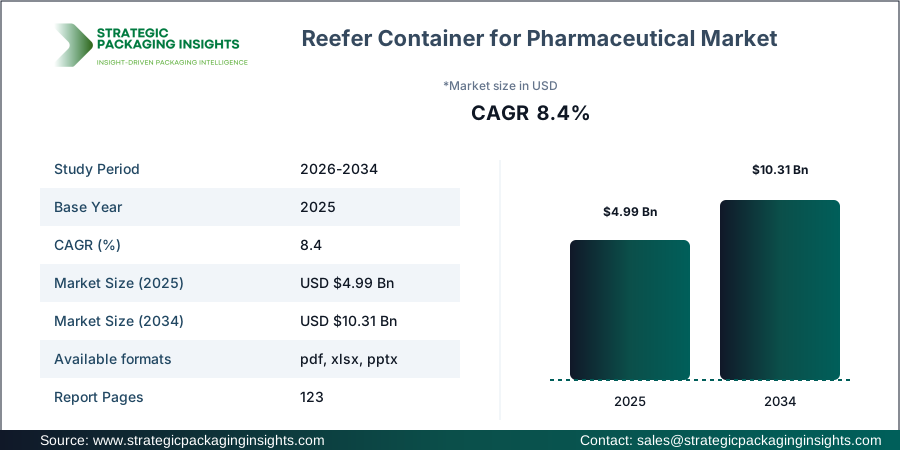
The Reefer Container for Pharmaceutical market size was valued at USD 4.99 billion in 2025 and is anticipated to reach USD 10.31 billion by 2034, growing at a CAGR of 8.4% during the forecast period according to Strategic Packaging Insights. The market is experiencing robust growth driven by the increasing demand for temperature-sensitive pharmaceutical products. Companies like Maersk and MSC are at the forefront, leveraging advanced technologies to enhance the efficiency and reliability of reefer containers. The growing emphasis on maintaining the integrity of pharmaceutical products during transportation is a significant factor propelling market expansion.
One of the most impactful drivers of the Reefer Container for Pharmaceutical market is the stringent regulatory requirements for the transportation of temperature-sensitive pharmaceuticals. Governments worldwide are implementing strict guidelines to ensure the safe and effective delivery of vaccines, biologics, and specialty drugs. This regulatory landscape is compelling pharmaceutical companies and logistics providers to invest in advanced reefer container solutions. Additionally, the increasing prevalence of chronic diseases and the subsequent rise in demand for biologics and specialty drugs are further fueling market growth. Companies like CMA CGM and Hapag-Lloyd are capitalizing on these trends by expanding their reefer container fleets and enhancing their cold chain logistics capabilities.
Report Scope
| Attributes | Details |
| Report Title | Reefer Container for Pharmaceutical Market Size, Future Growth and Forecast 2034 |
| Container Type | Active Reefer Containers, Passive Refrigerated Containers, Controlled Atmosphere Containers |
| Temperature Range | 2–8°C, Frozen, Cryogenic |
| Application | Vaccines, Biologics, Clinical Trial Materials, Specialty Drugs |
| End Use | Pharma Companies, Logistics Providers, CDMOs, Hospitals |
| Region | Asia Pacific, North America, Latin America, Europe, Middle East & Africa |
| Base Year | 2025 |
| Historic Period | 2018-2024 |
| Forecast Period | 2026-2034 |
| Number of Pages | 123 |
| Customization Available | Yes* |
Sustainability & Circular Economy Analysis
Sustainability initiatives are significantly influencing the Reefer Container for Pharmaceutical market, with a growing emphasis on eco-friendly materials and waste reduction strategies. Companies are increasingly adopting recyclable materials and reusable packaging solutions to minimize environmental impact. This shift towards sustainable practices is driven by consumer preferences for environmentally responsible products and the need to comply with stringent packaging regulations. As a result, packaging design and manufacturing processes are evolving to incorporate lightweight and eco-friendly materials, enhancing the overall sustainability of the supply chain.
The circular economy is playing a pivotal role in shaping the future of the Reefer Container for Pharmaceutical market. Companies are implementing extended producer responsibility (EPR) programs to ensure the proper disposal and recycling of packaging materials. This approach not only reduces the carbon footprint but also enhances brand reputation and competitiveness in the market. ESG initiatives are becoming a key focus for companies, influencing investment decisions and supply chain strategies. By prioritizing sustainability, companies can achieve long-term market competitiveness and meet the growing demand for sustainable packaging solutions.
Regulatory compliance is a critical aspect of sustainability in the Reefer Container for Pharmaceutical market. Companies are required to adhere to packaging regulations that mandate the use of eco-friendly materials and waste reduction strategies. This regulatory landscape is driving innovation in packaging design and manufacturing, with companies investing in research and development to create sustainable solutions. The integration of sustainability into the supply chain is essential for companies to remain competitive and meet the evolving demands of consumers and regulators.
Packaging Value Chain & Supply Chain Analysis
The packaging value chain for the Reefer Container for Pharmaceutical market is complex, involving multiple stakeholders from raw material sourcing to recycling networks. Raw material availability is a critical factor influencing the efficiency of the supply chain. Companies are increasingly focusing on securing reliable sources of eco-friendly materials to ensure the sustainability of their packaging solutions. Packaging converters and manufacturers play a crucial role in transforming raw materials into finished products, with a focus on innovation and quality to meet the stringent requirements of the pharmaceutical industry.
Logistics and distribution channels are vital components of the supply chain, ensuring the timely and efficient delivery of reefer containers to end-users. Companies are investing in advanced packaging machinery and transportation capabilities to enhance supply chain resilience and meet the growing demand for temperature-sensitive pharmaceutical products. Strategic partnerships with logistics providers and brand owners are essential for optimizing supply chain operations and achieving cost efficiencies. Localization and global sourcing strategies are also being employed to mitigate risks and enhance supply chain agility.
Recycling networks are an integral part of the packaging value chain, enabling companies to implement circular economy practices and reduce their environmental impact. Companies are adopting procurement strategies that prioritize sustainable materials and recycling initiatives to enhance their sustainability credentials. Inventory management and supply chain resilience are critical for maintaining business competitiveness in the Reefer Container for Pharmaceutical market. By optimizing supply chain operations and leveraging strategic partnerships, companies can achieve long-term success and meet the evolving demands of the pharmaceutical industry.
Opportunities & Threats
The Reefer Container for Pharmaceutical market presents significant opportunities for growth, driven by the increasing demand for temperature-sensitive pharmaceutical products. The rise in chronic diseases and the subsequent demand for biologics and specialty drugs are creating new avenues for market expansion. Companies can capitalize on these opportunities by investing in advanced reefer container solutions and enhancing their cold chain logistics capabilities. The growing emphasis on sustainability and eco-friendly packaging solutions also presents opportunities for companies to differentiate themselves in the market and meet the evolving demands of consumers and regulators.
Technological advancements in reefer container solutions are creating new opportunities for companies to enhance the efficiency and reliability of their cold chain logistics operations. The integration of IoT and AI technologies is enabling companies to monitor and control temperature conditions in real-time, ensuring the integrity of pharmaceutical products during transportation. Companies can leverage these technologies to optimize their supply chain operations and achieve cost efficiencies. The increasing focus on sustainability and circular economy practices also presents opportunities for companies to enhance their brand reputation and competitiveness in the market.
Despite the significant growth opportunities, the Reefer Container for Pharmaceutical market faces several threats, including regulatory challenges and supply chain disruptions. Stringent regulatory requirements for the transportation of temperature-sensitive pharmaceuticals can pose challenges for companies, requiring significant investments in compliance and quality assurance. Supply chain disruptions, such as raw material shortages and transportation delays, can also impact market performance and business competitiveness. Companies need to implement robust risk management strategies and enhance their supply chain resilience to mitigate these threats and achieve long-term success in the market.
Drivers & Challenges
The Reefer Container for Pharmaceutical market is driven by several key factors, including the increasing demand for temperature-sensitive pharmaceutical products and the stringent regulatory requirements for their transportation. The rise in chronic diseases and the subsequent demand for biologics and specialty drugs are significant drivers of market growth. Companies are investing in advanced reefer container solutions to meet the growing demand and ensure the integrity of pharmaceutical products during transportation. The emphasis on sustainability and eco-friendly packaging solutions is also driving market growth, with companies adopting recyclable materials and waste reduction strategies to enhance their sustainability credentials.
Technological advancements in reefer container solutions are another key driver of market growth. The integration of IoT and AI technologies is enabling companies to monitor and control temperature conditions in real-time, ensuring the safe and effective delivery of pharmaceutical products. Companies are leveraging these technologies to optimize their supply chain operations and achieve cost efficiencies. The growing focus on sustainability and circular economy practices is also driving innovation in packaging design and manufacturing, with companies investing in research and development to create sustainable solutions.
Despite the significant drivers of market growth, the Reefer Container for Pharmaceutical market faces several challenges, including regulatory compliance and supply chain disruptions. Stringent regulatory requirements for the transportation of temperature-sensitive pharmaceuticals can pose challenges for companies, requiring significant investments in compliance and quality assurance. Supply chain disruptions, such as raw material shortages and transportation delays, can also impact market performance and business competitiveness. Companies need to implement robust risk management strategies and enhance their supply chain resilience to overcome these challenges and achieve long-term success in the market.
Market Share Analysis
The competitive landscape of the Reefer Container for Pharmaceutical market is characterized by the presence of several key players, including Maersk, MSC, CMA CGM, Hapag-Lloyd, Thermo King, Carrier Transicold, DHL, Kuehne+Nagel, CEVA Logistics, and Envirotainer. These companies are at the forefront of the market, leveraging advanced technologies and strategic partnerships to enhance their market position. The market is highly competitive, with companies focusing on innovation and quality to meet the stringent requirements of the pharmaceutical industry.
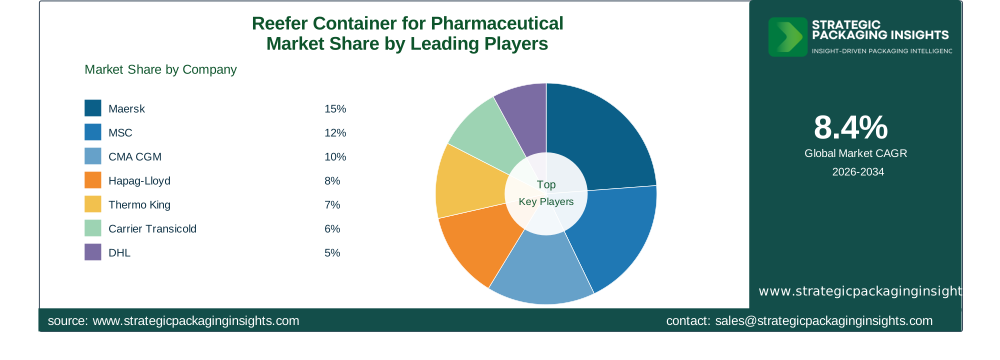
Maersk is a leading player in the Reefer Container for Pharmaceutical market, offering a wide range of reefer container solutions to meet the diverse needs of the pharmaceutical industry. The company is investing in advanced technologies to enhance the efficiency and reliability of its cold chain logistics operations. MSC is another key player, focusing on expanding its reefer container fleet and enhancing its cold chain logistics capabilities. The company is leveraging strategic partnerships with logistics providers and brand owners to optimize its supply chain operations and achieve cost efficiencies.
CMA CGM and Hapag-Lloyd are also prominent players in the market, focusing on innovation and quality to meet the growing demand for temperature-sensitive pharmaceutical products. These companies are investing in research and development to create advanced reefer container solutions and enhance their sustainability credentials. Thermo King and Carrier Transicold are leading providers of refrigeration solutions, offering a wide range of products to meet the diverse needs of the pharmaceutical industry. These companies are focusing on technological advancements and strategic partnerships to enhance their market position and achieve long-term success.
DHL, Kuehne+Nagel, CEVA Logistics, and Envirotainer are key players in the logistics and distribution segment of the Reefer Container for Pharmaceutical market. These companies are investing in advanced packaging machinery and transportation capabilities to enhance their supply chain resilience and meet the growing demand for temperature-sensitive pharmaceutical products. They are leveraging strategic partnerships with pharmaceutical companies and brand owners to optimize their supply chain operations and achieve cost efficiencies. The competitive landscape of the market is characterized by the presence of several key players, each focusing on innovation and quality to meet the stringent requirements of the pharmaceutical industry.
Key Highlights
- Market Size: The Reefer Container for Pharmaceutical market was valued at USD 4.99 billion in 2025 and is projected to reach USD 10.31 billion by 2034.
- Growth Rate: The market is expected to grow at a CAGR of 8.4% during the forecast period.
- Key Players: Major companies include Maersk, MSC, CMA CGM, Hapag-Lloyd, Thermo King, and Carrier Transicold.
- Technological Advancements: Integration of IoT and AI technologies is enhancing cold chain logistics operations.
- Sustainability Focus: Companies are adopting recyclable materials and waste reduction strategies.
- Regulatory Compliance: Stringent regulations are driving innovation in packaging design and manufacturing.
- Regional Insights: Asia Pacific is expected to witness significant growth due to increasing demand for pharmaceuticals.
Reefer Container for Pharmaceutical Market Segments Insights

Container Type Analysis
The Reefer Container for Pharmaceutical market is segmented by container type into Active Reefer Containers, Passive Refrigerated Containers, and Controlled Atmosphere Containers. Active Reefer Containers are gaining traction due to their ability to maintain precise temperature control, making them ideal for transporting sensitive pharmaceutical products. Companies like Thermo King and Carrier Transicold are leading the way in developing advanced active reefer solutions that ensure the integrity of pharmaceuticals during transit. Passive Refrigerated Containers, while less technologically advanced, offer cost-effective solutions for less sensitive shipments, appealing to smaller pharmaceutical companies and logistics providers.
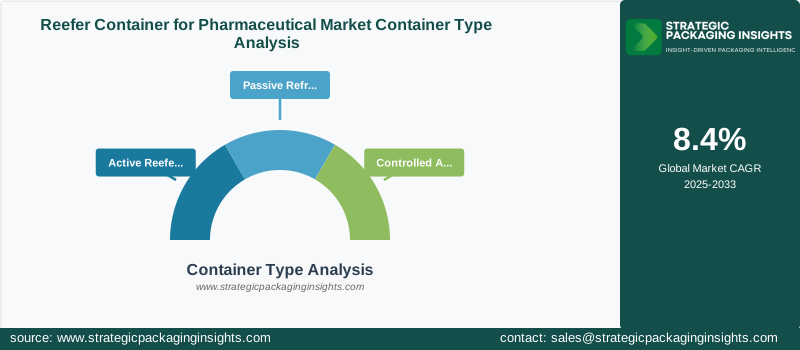
Controlled Atmosphere Containers are becoming increasingly popular for transporting high-value pharmaceuticals that require specific environmental conditions. These containers are equipped with advanced technology to regulate not only temperature but also humidity and oxygen levels, ensuring optimal conditions for sensitive products. The demand for Controlled Atmosphere Containers is driven by the growing need for transporting biologics and specialty drugs, which are highly sensitive to environmental changes. Companies are investing in research and development to enhance the capabilities of these containers, ensuring they meet the stringent requirements of the pharmaceutical industry.
Temperature Range Analysis
The market is also segmented by temperature range, including 2-8°C, Frozen, and Cryogenic. The 2-8°C segment is the largest, driven by the demand for vaccines and biologics that require stable, cool temperatures. This segment is crucial for maintaining the efficacy of vaccines, especially in light of global vaccination efforts. Companies are focusing on enhancing the insulation and cooling technologies of containers in this range to ensure consistent temperature maintenance. The Frozen segment is also significant, catering to products that require sub-zero temperatures, such as certain biologics and specialty drugs.
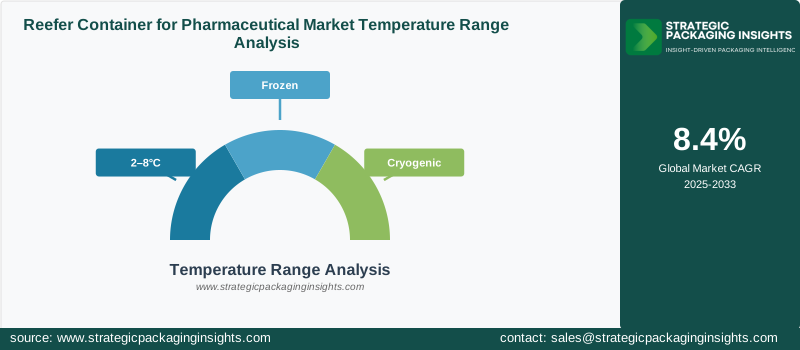
Cryogenic containers are essential for transporting products that require ultra-low temperatures, such as certain cell and gene therapies. The demand for Cryogenic containers is expected to grow as the pharmaceutical industry continues to innovate and develop new therapies that require such conditions. Companies are investing in advanced cryogenic technologies to meet this demand, ensuring the safe and effective transportation of these highly sensitive products. The focus on temperature range segmentation highlights the importance of precise temperature control in the pharmaceutical supply chain, driving innovation and investment in the Reefer Container for Pharmaceutical market.
Application Analysis
The application segment of the Reefer Container for Pharmaceutical market includes Vaccines, Biologics, Clinical Trial Materials, and Specialty Drugs. The vaccine segment is experiencing significant growth due to global vaccination efforts and the need for reliable cold chain logistics. Companies are investing in advanced reefer container solutions to ensure the safe and effective delivery of vaccines, particularly in regions with limited infrastructure. The biologics segment is also expanding, driven by the increasing prevalence of chronic diseases and the demand for innovative therapies.
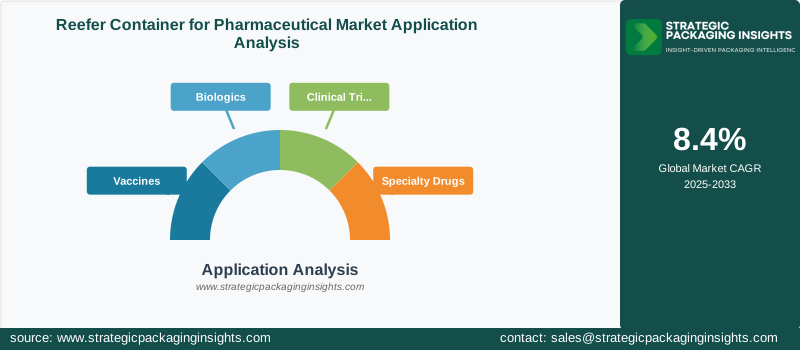
Clinical Trial Materials require precise temperature control to maintain their integrity during transportation. The demand for reefer containers in this segment is driven by the growing number of clinical trials and the need for reliable logistics solutions. Specialty Drugs, which often require specific environmental conditions, are also contributing to market growth. Companies are focusing on developing advanced reefer container solutions that cater to the unique requirements of these applications, ensuring the safe and effective delivery of pharmaceutical products.
End Use Analysis
The end-use segment of the Reefer Container for Pharmaceutical market includes Pharma Companies, Logistics Providers, CDMOs, and Hospitals. Pharma companies are the largest end-users, investing heavily in reefer container solutions to ensure the integrity of their products during transportation. Logistics providers are also significant players, focusing on enhancing their cold chain logistics capabilities to meet the growing demand for temperature-sensitive pharmaceutical products. CDMOs (Contract Development and Manufacturing Organizations) are increasingly utilizing reefer containers to support their clients' needs, particularly in the biologics and specialty drugs segments.
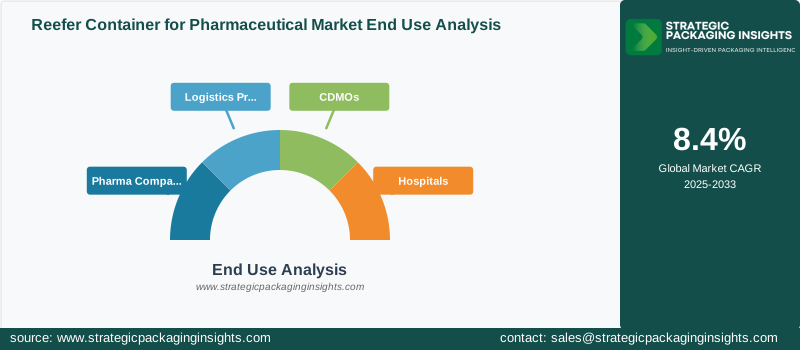
Hospitals are emerging as important end-users, particularly in regions with limited infrastructure where reliable cold chain logistics are essential for the delivery of vaccines and other temperature-sensitive pharmaceuticals. Companies are focusing on developing solutions that cater to the unique requirements of hospitals, ensuring the safe and effective delivery of pharmaceutical products. The end-use segmentation highlights the diverse needs of the pharmaceutical industry and the importance of reliable cold chain logistics in meeting these needs.
Reefer Container for Pharmaceutical Market Segments
The Reefer Container for Pharmaceutical market has been segmented on the basis ofContainer Type
- Active Reefer Containers
- Passive Refrigerated Containers
- Controlled Atmosphere Containers
Temperature Range
- 2–8°C
- Frozen
- Cryogenic
Application
- Vaccines
- Biologics
- Clinical Trial Materials
- Specialty Drugs
End Use
- Pharma Companies
- Logistics Providers
- CDMOs
- Hospitals
Region
- Asia Pacific
- North America
- Latin America
- Europe
- Middle East & Africa




