


Recycled Fabric Bag Market Outlook
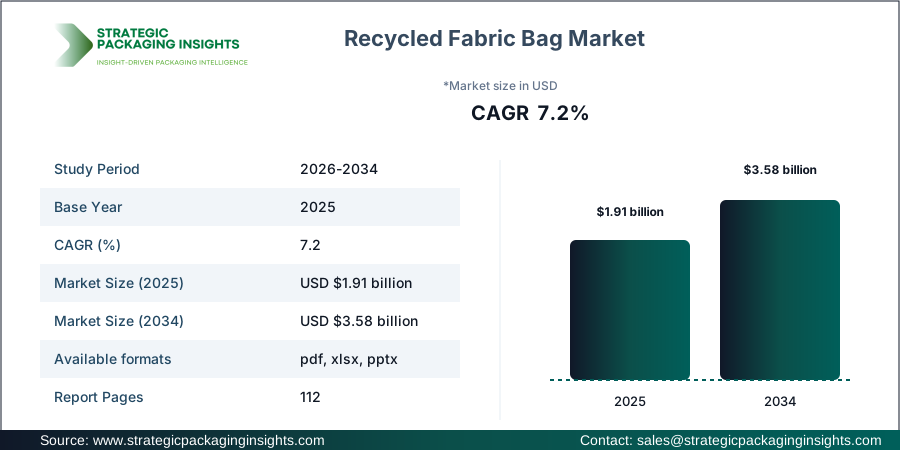
The recycled fabric bag market was valued at $1.91 billion in 2025 and is projected to reach $3.58 billion by 2034, growing at a CAGR of 7.2% during the forecast period 2026-2034. This market is witnessing significant growth due to increasing consumer awareness about environmental sustainability and the rising demand for eco-friendly packaging solutions. The shift towards reducing plastic waste and the adoption of sustainable practices by retailers and consumers alike are key drivers propelling the market forward. Additionally, government regulations promoting the use of recycled materials in packaging are further boosting market growth. The market is also benefiting from technological advancements in recycling processes, which enhance the quality and durability of recycled fabric bags.
Despite the promising growth trajectory, the recycled fabric bag market faces certain challenges. The high cost of recycled materials compared to traditional materials can be a restraining factor for market expansion. Moreover, the lack of awareness and availability of recycled fabric bags in certain regions may hinder market penetration. However, the growing trend of corporate social responsibility and the increasing number of companies adopting sustainable practices present significant growth opportunities. The market also holds potential for innovation in design and functionality, which can attract a broader consumer base. As the market continues to evolve, strategic partnerships and collaborations among key players are expected to play a crucial role in overcoming these challenges and driving market growth.
Report Scope
| Attributes | Details |
| Report Title | Recycled Fabric Bag Market Size, Future Growth and Forecast 2034 |
| By Material Type | Recycled Cotton, Recycled Polyester, Jute Blend, Canvas |
| By Product Type | Tote Bags, Drawstring Bags, Shopping Bags |
| By Application | Retail, Grocery, Promotional Packaging, Fashion |
| By End Use | Retailers, Consumers, Corporate Buyers |
| Region | Asia Pacific, North America, Latin America, Europe, Middle East & Africa |
| Base Year | 2025 |
| Historic Period | 2018-2024 |
| Forecast Period | 2026-2034 |
| Number of Pages | 112 |
| Customization Available | Yes* |
Opportunities & Threats
The recycled fabric bag market presents numerous opportunities for growth, primarily driven by the increasing consumer preference for sustainable and eco-friendly products. As environmental concerns continue to rise, consumers are becoming more conscious of their purchasing decisions, opting for products that have a minimal environmental impact. This shift in consumer behavior is creating a significant demand for recycled fabric bags, which are perceived as a sustainable alternative to traditional plastic bags. Additionally, the growing trend of corporate social responsibility is encouraging businesses to adopt sustainable practices, including the use of recycled materials in their packaging solutions. This trend is expected to drive the demand for recycled fabric bags in the corporate sector, presenting lucrative opportunities for market players.
Another opportunity lies in the innovation and development of new products within the recycled fabric bag market. Companies are increasingly investing in research and development to create bags that are not only environmentally friendly but also stylish and functional. This focus on innovation is expected to attract a broader consumer base, including fashion-conscious individuals who are looking for sustainable yet trendy products. Furthermore, the expansion of e-commerce platforms is providing a significant boost to the market, as online retailers are increasingly adopting sustainable packaging solutions to meet consumer demand. This trend is expected to continue, providing ample opportunities for growth in the recycled fabric bag market.
However, the market also faces certain threats that could hinder its growth. One of the primary challenges is the high cost of recycled materials, which can make recycled fabric bags more expensive than their traditional counterparts. This price disparity can be a deterrent for cost-conscious consumers, limiting the market's growth potential. Additionally, the lack of awareness and availability of recycled fabric bags in certain regions can pose a challenge to market penetration. To overcome these threats, market players need to focus on increasing consumer awareness and expanding their distribution networks to reach a wider audience. Strategic partnerships and collaborations with retailers and distributors can also help in overcoming these challenges and driving market growth.
Drivers & Challenges
The recycled fabric bag market is primarily driven by the increasing consumer awareness about environmental sustainability and the growing demand for eco-friendly packaging solutions. As consumers become more conscious of their environmental impact, there is a rising preference for products that are sustainable and have a minimal carbon footprint. This shift in consumer behavior is driving the demand for recycled fabric bags, which are perceived as a sustainable alternative to traditional plastic bags. Additionally, government regulations promoting the use of recycled materials in packaging are further boosting market growth. These regulations are encouraging businesses to adopt sustainable practices, including the use of recycled fabric bags, to comply with environmental standards.
Another key driver of the recycled fabric bag market is the technological advancements in recycling processes. These advancements have significantly improved the quality and durability of recycled fabric bags, making them more appealing to consumers. The development of new recycling technologies has also reduced the cost of production, making recycled fabric bags more affordable for consumers. Furthermore, the growing trend of corporate social responsibility is encouraging businesses to adopt sustainable practices, including the use of recycled materials in their packaging solutions. This trend is expected to drive the demand for recycled fabric bags in the corporate sector, presenting lucrative opportunities for market players.
Despite the promising growth trajectory, the recycled fabric bag market faces certain challenges. One of the primary challenges is the high cost of recycled materials compared to traditional materials. This price disparity can be a deterrent for cost-conscious consumers, limiting the market's growth potential. Additionally, the lack of awareness and availability of recycled fabric bags in certain regions can pose a challenge to market penetration. To overcome these challenges, market players need to focus on increasing consumer awareness and expanding their distribution networks to reach a wider audience. Strategic partnerships and collaborations with retailers and distributors can also help in overcoming these challenges and driving market growth.
Market Share Analysis
The recycled fabric bag market is characterized by a competitive landscape with several key players vying for market share. Companies such as EcoBags, ChicoBag, and Enviro-Tote are leading the market with their innovative product offerings and strong distribution networks. These companies have established themselves as leaders in the market by focusing on sustainability and quality, which has helped them gain a significant share of the market. Additionally, companies like Bagmasters and Earthwise Bags are also making a mark in the market with their eco-friendly product lines and commitment to sustainability.
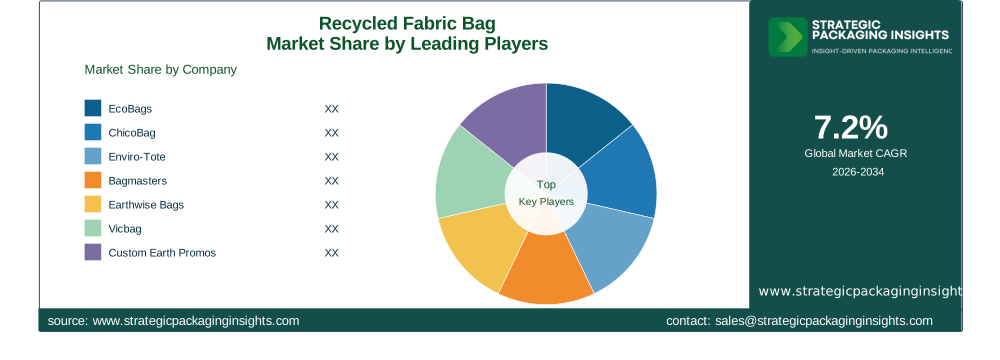
EcoBags, for instance, is known for its high-quality recycled fabric bags that are both stylish and functional. The company has a strong presence in the market, thanks to its focus on sustainability and innovation. Similarly, ChicoBag has carved a niche for itself in the market with its range of reusable bags made from recycled materials. The company's commitment to reducing plastic waste and promoting sustainable practices has helped it gain a loyal customer base. Enviro-Tote, on the other hand, is known for its customizable recycled fabric bags, which have made it a popular choice among corporate buyers.
Other notable players in the market include Vicbag, Custom Earth Promos, and Simply Green Solutions. These companies are known for their innovative product offerings and strong focus on sustainability. Vicbag, for example, offers a wide range of recycled fabric bags that are both durable and stylish. Custom Earth Promos, on the other hand, is known for its customizable eco-friendly bags that cater to a wide range of customers. Simply Green Solutions is also making a mark in the market with its range of sustainable packaging solutions.
Wenzhou Xifa and Bulletin Bag are also key players in the recycled fabric bag market. Wenzhou Xifa is known for its high-quality recycled fabric bags that are both affordable and durable. The company's strong distribution network has helped it gain a significant share of the market. Bulletin Bag, on the other hand, is known for its customizable recycled fabric bags that cater to a wide range of customers. The company's focus on sustainability and innovation has helped it establish a strong presence in the market.
Key Highlights
- The recycled fabric bag market is projected to grow at a CAGR of 7.2% from 2026 to 2034.
- Increasing consumer awareness about environmental sustainability is driving market growth.
- Government regulations promoting the use of recycled materials are boosting market demand.
- Technological advancements in recycling processes are enhancing product quality and affordability.
- The market is characterized by a competitive landscape with several key players.
- Companies are focusing on innovation and sustainability to gain a competitive edge.
- The growing trend of corporate social responsibility is driving demand in the corporate sector.
- Strategic partnerships and collaborations are crucial for overcoming market challenges.
- The expansion of e-commerce platforms is providing a significant boost to the market.
- Innovation in design and functionality is attracting a broader consumer base.
Top Countries Insights
In the recycled fabric bag market, the United States stands out as a leading country with a market size of approximately $500 million and a CAGR of 6%. The country's strong focus on sustainability and environmental awareness is driving the demand for recycled fabric bags. Government initiatives promoting the use of eco-friendly products and the presence of key market players are further boosting market growth. However, challenges such as high production costs and competition from traditional plastic bags remain.
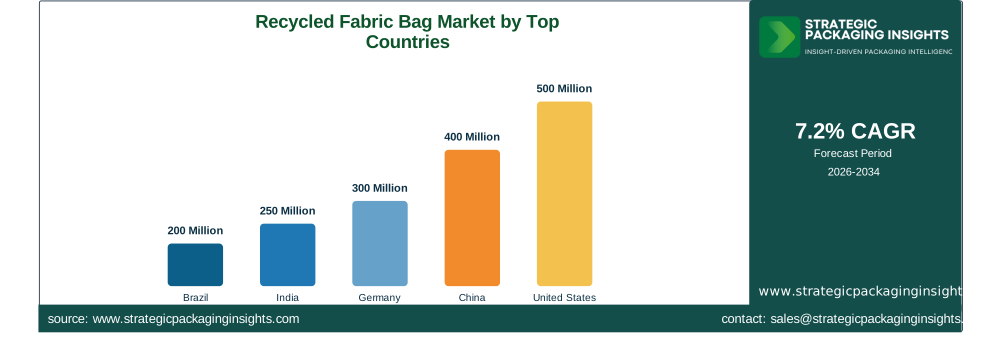
China is another significant player in the recycled fabric bag market, with a market size of around $400 million and a CAGR of 8%. The country's large population and growing middle class are driving demand for sustainable products. Additionally, government policies promoting environmental sustainability and the presence of a robust manufacturing sector are contributing to market growth. However, the market faces challenges such as the high cost of recycled materials and competition from low-cost alternatives.
Germany is a key market in Europe, with a market size of approximately $300 million and a CAGR of 7%. The country's strong focus on environmental sustainability and the presence of stringent regulations promoting the use of recycled materials are driving market growth. Additionally, the presence of key market players and a strong distribution network are contributing to market expansion. However, challenges such as high production costs and competition from traditional packaging solutions remain.
India is emerging as a significant market for recycled fabric bags, with a market size of around $250 million and a CAGR of 9%. The country's growing population and increasing awareness about environmental sustainability are driving demand for recycled fabric bags. Additionally, government initiatives promoting the use of eco-friendly products and the presence of a robust manufacturing sector are contributing to market growth. However, challenges such as the high cost of recycled materials and competition from low-cost alternatives remain.
Brazil is another important market in the recycled fabric bag industry, with a market size of approximately $200 million and a CAGR of 7%. The country's growing middle class and increasing awareness about environmental sustainability are driving demand for recycled fabric bags. Additionally, government initiatives promoting the use of eco-friendly products and the presence of key market players are contributing to market growth. However, challenges such as high production costs and competition from traditional packaging solutions remain.
Recycled Fabric Bag Market Segments Insights

By Material Type Analysis
The recycled fabric bag market is segmented by material type into recycled cotton, recycled polyester, jute blend, and canvas. Recycled cotton is gaining popularity due to its eco-friendly nature and durability. It is widely used in the production of tote bags and shopping bags, which are in high demand among environmentally conscious consumers. Recycled polyester, on the other hand, is known for its strength and versatility, making it a popular choice for drawstring bags and promotional packaging. Jute blend and canvas are also gaining traction in the market due to their natural appeal and biodegradability, which align with the growing trend of sustainability.
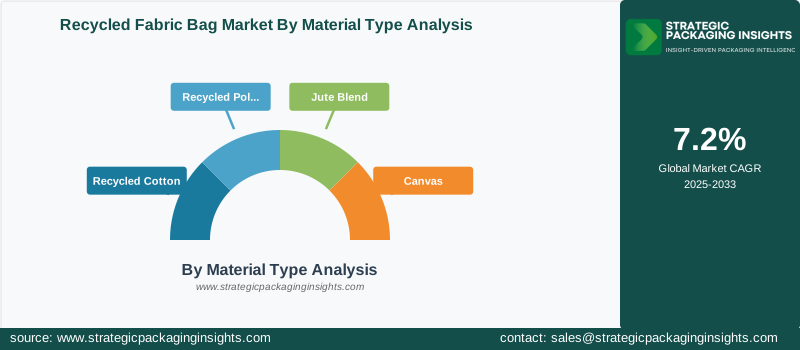
Recycled cotton is particularly favored for its softness and breathability, making it ideal for fashion and retail applications. The increasing demand for sustainable fashion is driving the growth of this segment, as consumers seek products that are both stylish and environmentally friendly. Recycled polyester, with its high tensile strength and resistance to wear and tear, is preferred for applications that require durability, such as grocery and promotional packaging. Jute blend and canvas, with their rustic appeal and biodegradability, are gaining popularity in the fashion and retail sectors, where consumers are increasingly opting for natural and sustainable products.
By Product Type Analysis
The recycled fabric bag market is segmented by product type into tote bags, drawstring bags, and shopping bags. Tote bags are the most popular product type, accounting for a significant share of the market. Their versatility and functionality make them a preferred choice among consumers for everyday use. Drawstring bags, with their lightweight and compact design, are gaining popularity among younger consumers and for promotional purposes. Shopping bags, with their large capacity and durability, are widely used in the retail and grocery sectors, where they are favored for their ability to carry heavy loads.
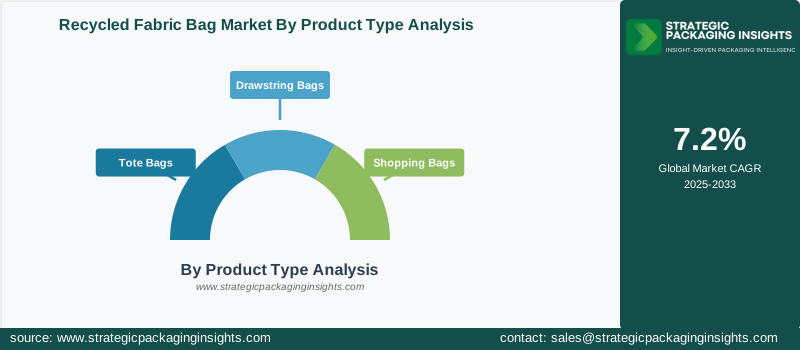
Tote bags are particularly popular among fashion-conscious consumers, who appreciate their stylish designs and eco-friendly materials. The increasing demand for sustainable fashion is driving the growth of this segment, as consumers seek products that are both trendy and environmentally friendly. Drawstring bags, with their customizable designs and affordability, are favored for promotional purposes, where they are used to promote brand awareness and customer loyalty. Shopping bags, with their sturdy construction and large capacity, are preferred by retailers and consumers alike for their practicality and durability.
By Application Analysis
The recycled fabric bag market is segmented by application into retail, grocery, promotional packaging, and fashion. The retail sector is the largest application segment, driven by the increasing demand for sustainable packaging solutions among retailers and consumers. Grocery applications are also gaining traction, as consumers seek eco-friendly alternatives to traditional plastic bags. Promotional packaging is another key application segment, where recycled fabric bags are used to promote brand awareness and customer loyalty. The fashion sector is also witnessing significant growth, as consumers increasingly opt for sustainable and stylish products.
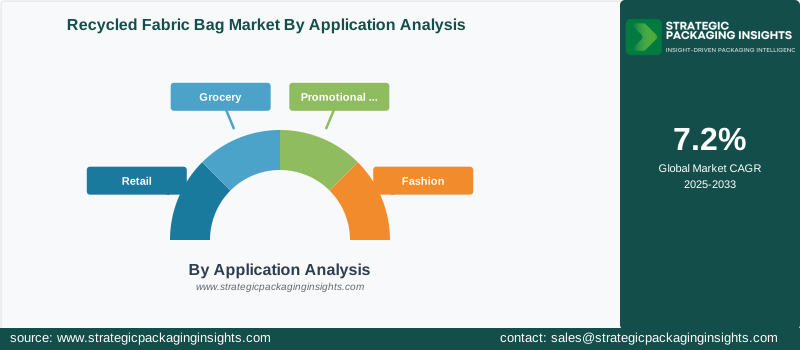
In the retail sector, recycled fabric bags are favored for their durability and eco-friendly materials, which align with the growing trend of sustainability. Grocery applications are driven by the increasing demand for reusable and biodegradable bags, as consumers seek to reduce their environmental impact. Promotional packaging is gaining popularity among businesses, who use recycled fabric bags to promote their brand and engage with customers. The fashion sector is witnessing significant growth, as consumers increasingly opt for sustainable and stylish products that reflect their values and lifestyle.
By End Use Analysis
The recycled fabric bag market is segmented by end use into retailers, consumers, and corporate buyers. Retailers are the largest end-use segment, driven by the increasing demand for sustainable packaging solutions among businesses and consumers. Consumers are also a key end-use segment, as they seek eco-friendly alternatives to traditional plastic bags. Corporate buyers are another important end-use segment, where recycled fabric bags are used for promotional purposes and to promote brand awareness and customer loyalty.
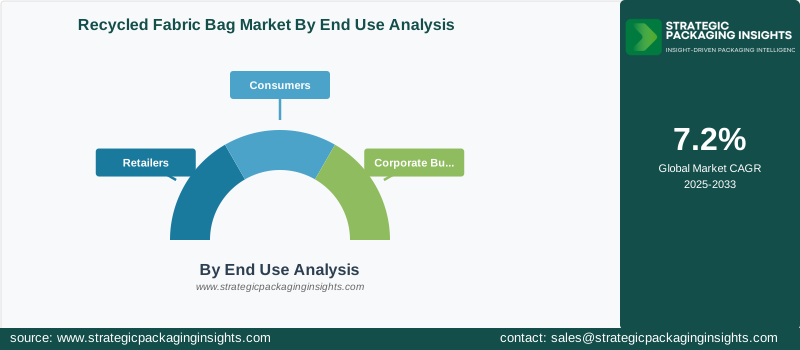
Retailers are increasingly adopting recycled fabric bags as part of their sustainability initiatives, as they seek to reduce their environmental impact and meet consumer demand for eco-friendly products. Consumers are also driving the growth of this segment, as they seek products that align with their values and lifestyle. Corporate buyers are using recycled fabric bags to promote their brand and engage with customers, as part of their corporate social responsibility initiatives. The increasing demand for sustainable packaging solutions among businesses and consumers is driving the growth of this segment, as companies seek to reduce their environmental impact and meet consumer demand for eco-friendly products.
Recycled Fabric Bag Market Segments
The Recycled Fabric Bag market has been segmented on the basis ofBy Material Type
- Recycled Cotton
- Recycled Polyester
- Jute Blend
- Canvas
By Product Type
- Tote Bags
- Drawstring Bags
- Shopping Bags
By Application
- Retail
- Grocery
- Promotional Packaging
- Fashion
By End Use
- Retailers
- Consumers
- Corporate Buyers
Region
- Asia Pacific
- North America
- Latin America
- Europe
- Middle East & Africa




