


Plastic Bag Market Outlook
The plastic bag market was valued at $27.37 billion in 2025 and is projected to reach $37.41 billion by 2034, growing at a CAGR of 3.50% during the forecast period 2026-2034. This market is driven by the increasing demand for convenient and cost-effective packaging solutions across various sectors such as retail, food packaging, and industrial applications. The versatility and lightweight nature of plastic bags make them a preferred choice for consumers and businesses alike. Additionally, advancements in biodegradable and recycled plastic technologies are expected to further bolster market growth, as environmental concerns push for more sustainable packaging options.
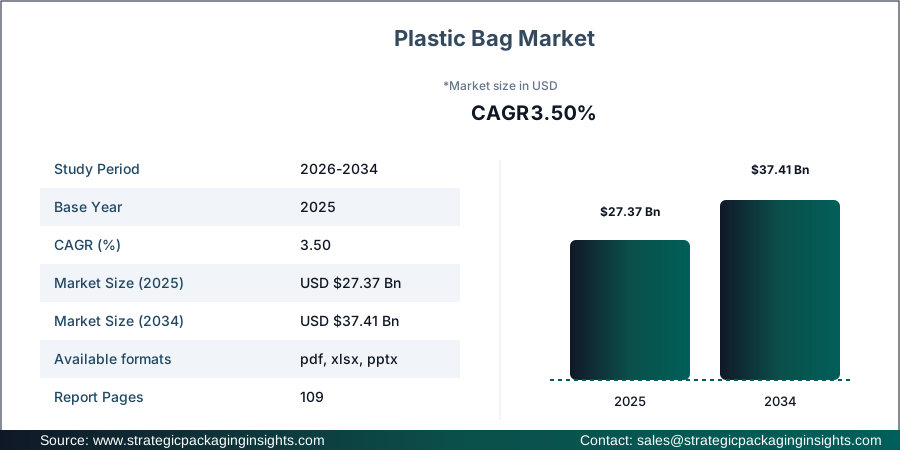
However, the market faces significant challenges due to stringent regulations and bans on single-use plastics in several regions. These regulatory measures aim to reduce plastic waste and its environmental impact, which could potentially hinder market growth. Despite these challenges, the plastic bag market holds substantial growth potential, particularly in emerging economies where retail and e-commerce sectors are expanding rapidly. The increasing adoption of eco-friendly alternatives and innovations in plastic bag manufacturing processes are expected to create new opportunities for market players.
Report Scope
| Attributes | Details |
| Report Title | Plastic Bag Market Size, Future Growth and Forecast 2034 |
| Product Type | Carry Bags, Garbage Bags, Food Bags, Industrial Bags |
| Material | HDPE, LDPE, LLDPE, Recycled Plastic |
| End Use | Retail, Household, Food Packaging, Industrial |
| Distribution Channel | Wholesale, Retail, E-commerce, Direct Supply |
| Region | Asia Pacific, North America, Latin America, Europe, Middle East & Africa |
| Base Year | 2025 |
| Historic Period | 2018-2024 |
| Forecast Period | 2026-2034 |
| Number of Pages | 109 |
| Customization Available | Yes* |
Opportunities & Threats
The plastic bag market presents numerous opportunities, particularly with the growing trend towards sustainable and eco-friendly packaging solutions. As consumers become more environmentally conscious, there is a rising demand for biodegradable and recyclable plastic bags. This shift in consumer preference is encouraging manufacturers to invest in research and development to produce innovative products that meet these demands. Additionally, the expansion of the e-commerce sector is driving the need for efficient packaging solutions, further boosting the demand for plastic bags. The increasing urbanization and changing lifestyles in developing countries also present significant growth opportunities for the plastic bag market.
Another opportunity lies in the development of advanced materials and technologies that enhance the functionality and durability of plastic bags. Innovations such as water-soluble and compostable bags are gaining traction, offering new avenues for market growth. Moreover, strategic partnerships and collaborations among key players can lead to the development of new products and expansion into untapped markets. The focus on reducing carbon footprints and promoting circular economies is likely to drive the adoption of recycled plastic bags, providing a competitive edge to companies that prioritize sustainability.
Despite these opportunities, the plastic bag market faces threats from increasing regulatory pressures and environmental concerns. Many countries have implemented bans or restrictions on single-use plastics, which could negatively impact market growth. The rising awareness of plastic pollution and its detrimental effects on marine life and ecosystems is leading to a shift towards alternative packaging solutions. Additionally, fluctuations in raw material prices and supply chain disruptions pose challenges for manufacturers. To mitigate these threats, companies need to focus on innovation, sustainability, and compliance with environmental regulations.
Drivers & Challenges
The plastic bag market is primarily driven by the growing demand for convenient and cost-effective packaging solutions. The retail sector, in particular, relies heavily on plastic bags for their lightweight and durable properties, making them ideal for carrying goods. The food packaging industry also contributes significantly to market growth, as plastic bags offer excellent moisture resistance and preservation qualities. Furthermore, the increasing popularity of online shopping and home delivery services is boosting the demand for plastic bags, as they provide a practical solution for packaging and transporting goods.
Another key driver is the advancement in plastic bag manufacturing technologies, which has led to the development of more sustainable and eco-friendly products. The introduction of biodegradable and compostable plastic bags is gaining traction, as consumers and businesses alike seek to reduce their environmental impact. Additionally, the growing awareness of the benefits of recycling and the circular economy is encouraging the use of recycled plastic bags, further driving market growth. The increasing focus on reducing plastic waste and promoting sustainable practices is expected to create new opportunities for market players.
However, the plastic bag market faces several challenges, including stringent regulations and bans on single-use plastics in various regions. These regulatory measures aim to curb plastic pollution and promote the use of alternative packaging solutions, which could hinder market growth. Additionally, the fluctuating prices of raw materials and the impact of supply chain disruptions pose challenges for manufacturers. The rising awareness of environmental issues and the shift towards sustainable packaging solutions are also driving competition from alternative materials such as paper and cloth bags. To overcome these challenges, companies need to focus on innovation, sustainability, and compliance with environmental regulations.
Market Share Analysis
The competitive landscape of the plastic bag market is characterized by the presence of several key players who dominate the market with their extensive product portfolios and strong distribution networks. Companies such as Novolex, Berry Global, and Inteplast are among the leading players, holding significant market shares due to their innovative product offerings and strategic partnerships. These companies have a strong presence in both developed and emerging markets, allowing them to capitalize on the growing demand for plastic bags across various sectors.
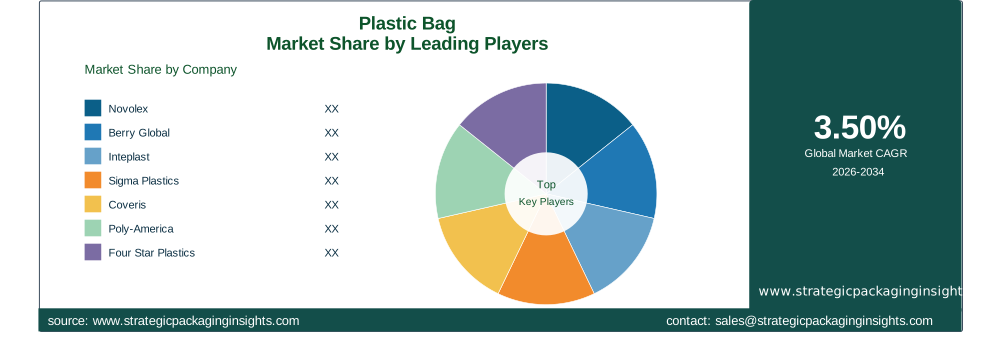
Novolex, a prominent player in the plastic bag market, is known for its diverse range of packaging solutions, including biodegradable and recycled plastic bags. The company's focus on sustainability and innovation has helped it maintain a competitive edge in the market. Berry Global, another major player, offers a wide array of plastic packaging products, including high-performance plastic bags that cater to the needs of various industries. The company's commitment to sustainability and its extensive distribution network have contributed to its strong market position.
Inteplast, a leading manufacturer of plastic products, is renowned for its high-quality plastic bags that are widely used in retail and food packaging applications. The company's emphasis on product innovation and customer satisfaction has enabled it to capture a significant share of the market. Sigma Plastics, Coveris, and Poly-America are also key players in the market, known for their extensive product offerings and strong customer relationships. These companies have been investing in research and development to introduce new and improved plastic bag solutions that meet the evolving needs of consumers and businesses.
Other notable players in the plastic bag market include Four Star Plastics, International Plastics, Mondi, and Amcor. These companies have been focusing on expanding their product portfolios and enhancing their distribution networks to strengthen their market presence. The competitive landscape is further intensified by the entry of new players and the increasing focus on sustainability and innovation. As the market continues to evolve, companies that prioritize eco-friendly solutions and strategic partnerships are likely to gain a competitive advantage.
Key Highlights
- The plastic bag market is projected to grow from $27.37 billion in 2025 to $37.41 billion by 2034, at a CAGR of 3.50%.
- Increasing demand for biodegradable and recyclable plastic bags is driving market growth.
- Stringent regulations on single-use plastics pose challenges to market expansion.
- Advancements in plastic bag manufacturing technologies are creating new opportunities.
- The retail and food packaging sectors are major contributors to market demand.
- Emerging economies present significant growth opportunities for market players.
- Key players include Novolex, Berry Global, Inteplast, and Sigma Plastics.
- Strategic partnerships and collaborations are crucial for market expansion.
- Focus on sustainability and innovation is essential for competitive advantage.
- Fluctuations in raw material prices and supply chain disruptions are challenges for manufacturers.
Top Countries Insights
In the plastic bag market, the United States holds a significant share, with a market size of approximately $7.5 billion and a CAGR of 2%. The country's well-established retail sector and the growing e-commerce industry are key drivers of market growth. However, stringent regulations on single-use plastics and increasing environmental awareness are pushing manufacturers to adopt sustainable practices and develop eco-friendly products.
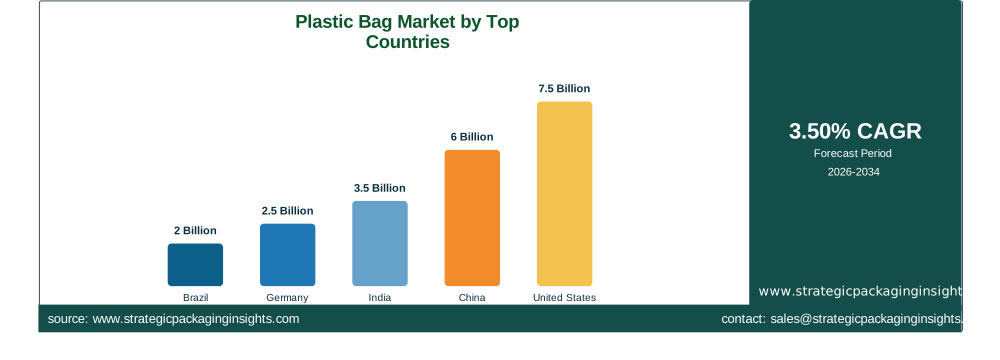
China, with a market size of around $6 billion and a CAGR of 5%, is another major player in the plastic bag market. The country's rapid urbanization and expanding retail sector are driving demand for plastic bags. Additionally, government initiatives to promote recycling and reduce plastic waste are encouraging the adoption of recycled and biodegradable plastic bags.
India, with a market size of approximately $3.5 billion and a CAGR of 6%, presents significant growth opportunities for the plastic bag market. The country's growing population and increasing disposable income are driving demand for convenient packaging solutions. However, regulatory measures to curb plastic pollution and promote sustainable alternatives pose challenges for market players.
Germany, with a market size of about $2.5 billion and a CAGR of 3%, is a key market in Europe. The country's strong focus on sustainability and environmental protection is driving the demand for biodegradable and recyclable plastic bags. Additionally, the well-established retail and food packaging sectors contribute to market growth.
Brazil, with a market size of around $2 billion and a CAGR of 4%, is a significant market in Latin America. The country's expanding retail sector and increasing consumer awareness of environmental issues are driving demand for sustainable packaging solutions. However, economic fluctuations and regulatory challenges pose risks to market growth.
Plastic Bag Market Segments Insights

Product Type Analysis
The plastic bag market is segmented by product type into carry bags, garbage bags, food bags, and industrial bags. Carry bags dominate the market due to their widespread use in retail and grocery stores. The convenience and cost-effectiveness of carry bags make them a preferred choice for consumers. Garbage bags are also in high demand, driven by the need for efficient waste management solutions in households and commercial establishments. Food bags, known for their moisture resistance and preservation qualities, are extensively used in the food packaging industry. Industrial bags, designed for heavy-duty applications, cater to the needs of various industries, including construction and agriculture.
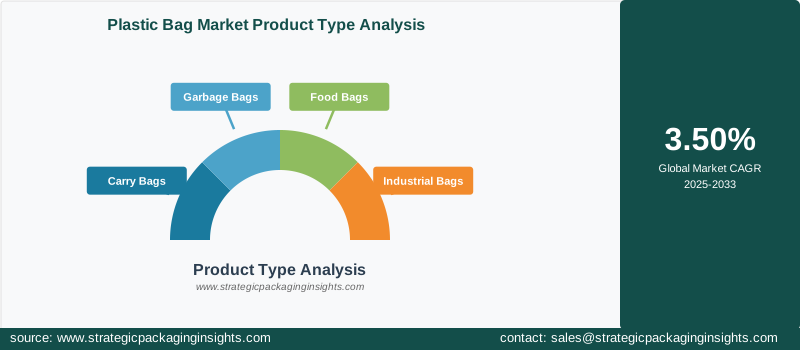
Trends in the product type segment indicate a growing preference for biodegradable and compostable bags, as consumers and businesses seek to reduce their environmental impact. The development of advanced materials and technologies is enhancing the functionality and durability of plastic bags, creating new opportunities for market growth. Additionally, the increasing focus on sustainability and the circular economy is driving the adoption of recycled plastic bags, providing a competitive edge to companies that prioritize eco-friendly solutions.
Material Analysis
The plastic bag market is segmented by material into HDPE, LDPE, LLDPE, and recycled plastic. HDPE bags are known for their strength and durability, making them suitable for heavy-duty applications. LDPE bags, characterized by their flexibility and transparency, are widely used in food packaging and retail applications. LLDPE bags offer a balance of strength and flexibility, making them ideal for a variety of uses. Recycled plastic bags are gaining popularity as environmental concerns drive the demand for sustainable packaging solutions.
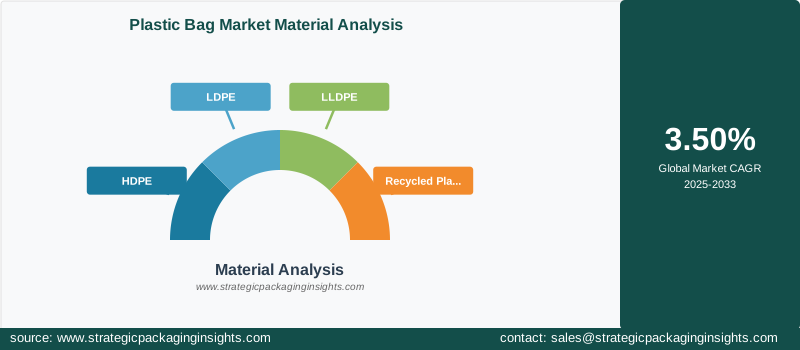
Trends in the material segment highlight the increasing adoption of recycled and biodegradable materials, as manufacturers strive to meet consumer demand for eco-friendly products. The development of new materials and technologies is enhancing the performance and sustainability of plastic bags, creating new opportunities for market growth. Additionally, the focus on reducing plastic waste and promoting the circular economy is encouraging the use of recycled plastic bags, providing a competitive advantage to companies that prioritize sustainability.
End Use Analysis
The plastic bag market is segmented by end use into retail, household, food packaging, and industrial applications. The retail sector is the largest end-user of plastic bags, driven by the need for convenient and cost-effective packaging solutions. Household applications, including waste management and storage, also contribute significantly to market demand. The food packaging industry relies on plastic bags for their moisture resistance and preservation qualities, while industrial applications require heavy-duty bags for transporting and storing materials.
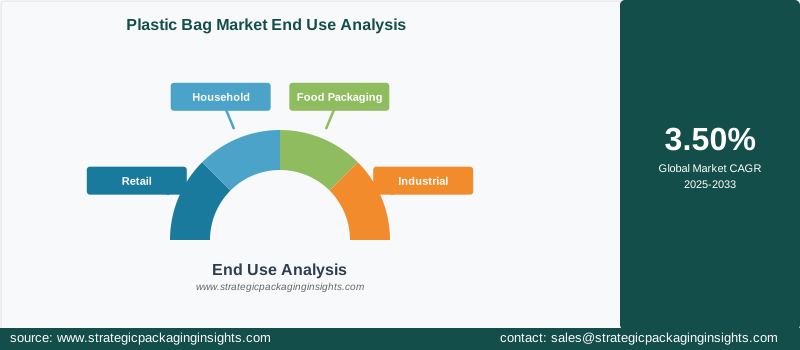
Trends in the end-use segment indicate a growing demand for sustainable and eco-friendly packaging solutions, as consumers and businesses become more environmentally conscious. The increasing focus on reducing plastic waste and promoting the circular economy is driving the adoption of recycled and biodegradable plastic bags. Additionally, the expansion of the e-commerce sector is boosting demand for efficient packaging solutions, further driving market growth.
Distribution Channel Analysis
The plastic bag market is segmented by distribution channel into wholesale, retail, e-commerce, and direct supply. Wholesale distribution channels dominate the market, as they offer cost-effective solutions for bulk purchases. Retail channels, including supermarkets and convenience stores, are also significant contributors to market demand, driven by the need for convenient packaging solutions. The e-commerce sector is experiencing rapid growth, as online shopping becomes increasingly popular, driving demand for efficient packaging solutions. Direct supply channels cater to the needs of large businesses and industrial applications, offering customized solutions for specific requirements.
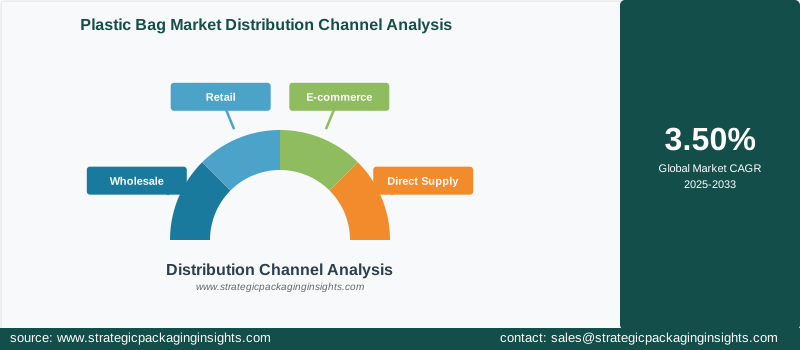
Trends in the distribution channel segment highlight the increasing importance of e-commerce and online retail, as consumers seek convenient and efficient shopping experiences. The expansion of digital platforms and the growing popularity of home delivery services are driving demand for plastic bags, as they provide a practical solution for packaging and transporting goods. Additionally, the focus on sustainability and eco-friendly solutions is encouraging the adoption of recycled and biodegradable plastic bags, providing a competitive advantage to companies that prioritize environmental responsibility.
Plastic Bag Market Segments
The Plastic Bag market has been segmented on the basis ofProduct Type
- Carry Bags
- Garbage Bags
- Food Bags
- Industrial Bags
Material
- HDPE
- LDPE
- LLDPE
- Recycled Plastic
End Use
- Retail
- Household
- Food Packaging
- Industrial
Distribution Channel
- Wholesale
- Retail
- E-commerce
- Direct Supply
Region
- Asia Pacific
- North America
- Latin America
- Europe
- Middle East & Africa




