


Biodegradable Plastic Bags Market Outlook
The biodegradable plastic bags market was valued at $3.26 billion in 2025 and is projected to reach $6.80 billion by 2034, growing at a CAGR of 8.50% during the forecast period 2026-2034. This growth is driven by increasing environmental awareness and stringent regulations against single-use plastics. Consumers and businesses are shifting towards sustainable alternatives, boosting demand for biodegradable options. The market is also fueled by advancements in biopolymer technology, which enhance the performance and cost-effectiveness of biodegradable bags. Additionally, the rise in e-commerce and retail sectors is contributing to the increased use of biodegradable packaging solutions.
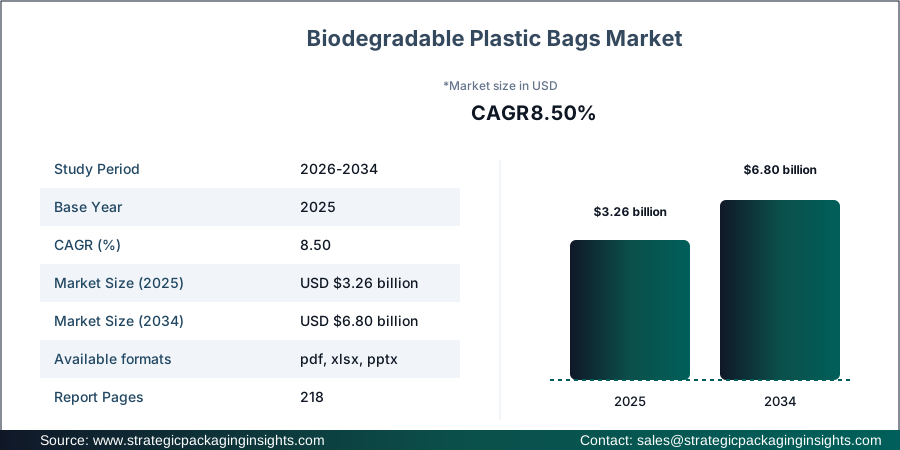
Despite the promising growth, the market faces challenges such as higher production costs compared to conventional plastic bags and limited consumer awareness in certain regions. Regulatory frameworks vary across countries, affecting the adoption rate of biodegradable bags. However, the potential for growth remains significant as governments worldwide implement policies to reduce plastic waste. Innovations in material science and increased investment in research and development are expected to lower costs and improve product quality, further driving market expansion.
Report Scope
| Attributes | Details |
| Report Title | Biodegradable Plastic Bags Market Size, Future Growth and Forecast 2034 |
| Material Type | Polylactic Acid (PLA), Polybutylene Adipate Terephthalate (PBAT), Polybutylene Succinate (PBS), Polyhydroxyalkanoates (PHA), Starch-based Blends, Others (Cellulose-based, etc.) |
| Product Type | Compostable Shopping Bags, Garbage / Waste Collection Bags, T-shirt / Carrier Bags, Produce and Food Contact Bags, Agriculture and Mulch Film Bags, Specialty and Medical Bags |
| Thickness / Grade | <15 Microns, 15–50 Microns, 50 Microns |
| End-Use Industry | Retail and Grocery, Food and Beverage, Household and Institutional, Healthcare and Hygiene, Agriculture, E-commerce and Courier |
| Distribution Channel | Direct to Brand Owners, Distributors, Retail Private Labels, Online Channels |
| Region | Asia Pacific, North America, Latin America, Europe, Middle East & Africa |
| Base Year | 2025 |
| Historic Period | 2018-2024 |
| Forecast Period | 2026-2034 |
| Number of Pages | 218 |
| Customization Available | Yes* |
Opportunities & Threats
The biodegradable plastic bags market presents numerous opportunities, particularly in regions with stringent environmental regulations. Governments are increasingly imposing bans on single-use plastics, creating a favorable environment for biodegradable alternatives. This regulatory push is complemented by growing consumer demand for eco-friendly products, providing a significant market opportunity for manufacturers. Additionally, advancements in biopolymer technology are opening new avenues for product innovation, allowing companies to develop biodegradable bags with enhanced properties such as increased strength and durability.
Another opportunity lies in the expanding e-commerce sector, which is driving demand for sustainable packaging solutions. As online retailers seek to reduce their environmental footprint, biodegradable plastic bags offer a viable alternative to traditional packaging materials. Furthermore, partnerships between manufacturers and retailers can facilitate the development of customized biodegradable solutions, catering to specific industry needs and enhancing market penetration.
However, the market also faces threats, primarily from the higher cost of biodegradable materials compared to conventional plastics. This cost disparity can hinder widespread adoption, particularly in price-sensitive markets. Additionally, the lack of standardized regulations across regions can create compliance challenges for manufacturers. The market also faces competition from other sustainable packaging solutions, such as reusable bags and paper-based alternatives, which may limit the growth potential of biodegradable plastic bags.
Drivers & Challenges
One of the primary drivers of the biodegradable plastic bags market is the increasing environmental awareness among consumers and businesses. As the detrimental effects of plastic pollution become more apparent, there is a growing demand for sustainable alternatives. This shift in consumer preferences is encouraging manufacturers to invest in biodegradable solutions, driving market growth. Additionally, government regulations banning single-use plastics are compelling businesses to adopt biodegradable options, further propelling the market.
Technological advancements in biopolymer production are also driving the market. Innovations in material science have led to the development of biodegradable plastics with improved properties, such as enhanced strength and flexibility. These advancements are making biodegradable bags more competitive with traditional plastics, encouraging their adoption across various industries. Furthermore, the increasing availability of raw materials for biopolymer production is supporting market expansion.
Despite these drivers, the market faces several challenges. The higher production costs of biodegradable plastics compared to conventional plastics remain a significant barrier to adoption. This cost disparity can deter price-sensitive consumers and businesses from switching to biodegradable options. Additionally, the lack of consumer awareness and understanding of biodegradable products can hinder market growth. Educating consumers about the benefits and proper disposal of biodegradable bags is crucial for increasing adoption rates.
Market Share Analysis
The biodegradable plastic bags market is characterized by a competitive landscape with several key players vying for market share. Companies such as BASF SE, Novamont S.p.A., and Novolex - BioBag International are leading the market with their extensive product portfolios and strong distribution networks. These companies are focusing on research and development to enhance the performance and cost-effectiveness of their biodegradable products, thereby strengthening their market position.
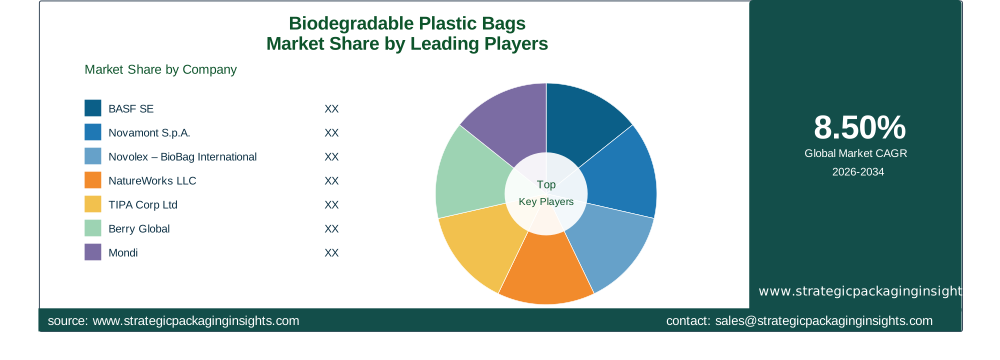
BASF SE is a prominent player in the market, leveraging its expertise in chemical production to develop innovative biodegradable solutions. The company's focus on sustainability and environmental responsibility has positioned it as a leader in the biodegradable plastics industry. Similarly, Novamont S.p.A. is known for its commitment to developing bioplastics that are both environmentally friendly and economically viable. The company's Mater-Bi product line is widely recognized for its high performance and biodegradability.
Novolex - BioBag International is another key player, offering a range of biodegradable bags for various applications. The company's focus on quality and innovation has helped it capture a significant share of the market. NatureWorks LLC is also a major player, known for its Ingeo biopolymer, which is used in a variety of biodegradable products. The company's emphasis on sustainability and innovation has made it a leader in the biodegradable plastics market.
Other notable companies in the market include TIPA Corp Ltd, Berry Global, Mondi, RKW Group, TotalEnergies Corbion, and Coveris. These companies are investing in research and development to improve the performance and cost-effectiveness of their biodegradable products. They are also expanding their distribution networks to increase market reach and capture a larger share of the growing biodegradable plastics market.
Key Highlights
- The biodegradable plastic bags market is projected to grow at a CAGR of 8.50% from 2026 to 2034.
- Increasing environmental awareness and government regulations are driving market growth.
- Technological advancements in biopolymer production are enhancing product performance.
- The market faces challenges from higher production costs compared to conventional plastics.
- Key players include BASF SE, Novamont S.p.A., and Novolex - BioBag International.
- The expanding e-commerce sector is creating new opportunities for biodegradable packaging solutions.
- Partnerships between manufacturers and retailers are facilitating market penetration.
- Competition from other sustainable packaging solutions may limit market growth.
- Consumer education is crucial for increasing adoption rates of biodegradable products.
Top Countries Insights
In the biodegradable plastic bags market, the United States is a leading player, with a market size of approximately $1.2 billion and a CAGR of 7%. The country's stringent environmental regulations and consumer demand for sustainable products are driving market growth. The presence of key players and technological advancements in biopolymer production further support the market's expansion.
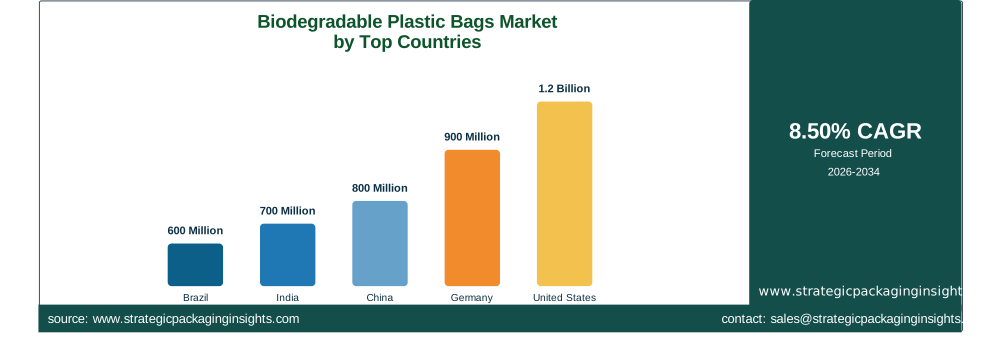
Germany is another significant market, with a market size of around $900 million and a CAGR of 6%. The country's strong environmental policies and commitment to reducing plastic waste are key growth drivers. Germany's advanced manufacturing capabilities and focus on innovation in biodegradable materials contribute to its market leadership.
China, with a market size of $800 million and a CAGR of 9%, is experiencing rapid growth in the biodegradable plastic bags market. The government's initiatives to reduce plastic pollution and the increasing consumer awareness of environmental issues are driving demand. China's large manufacturing base and investment in biopolymer technology are also supporting market growth.
India, with a market size of $700 million and a CAGR of 10%, is emerging as a key market for biodegradable plastic bags. The country's growing population and increasing environmental awareness are driving demand for sustainable packaging solutions. Government regulations banning single-use plastics are also contributing to market growth.
Brazil, with a market size of $600 million and a CAGR of 8%, is a growing market for biodegradable plastic bags. The country's focus on environmental sustainability and the increasing adoption of eco-friendly products are driving market expansion. Brazil's strong agricultural sector and demand for biodegradable mulch films further support market growth.
Biodegradable Plastic Bags Market Segments Insights

Material Type Analysis
The biodegradable plastic bags market is segmented by material type, including Polylactic Acid (PLA), Polybutylene Adipate Terephthalate (PBAT), Polybutylene Succinate (PBS), Polyhydroxyalkanoates (PHA), Starch-based Blends, and others such as cellulose-based materials. PLA is one of the most widely used materials due to its renewable nature and biodegradability. It is derived from corn starch or sugarcane, making it an environmentally friendly alternative to petroleum-based plastics. The demand for PLA is driven by its application in various industries, including packaging and agriculture.
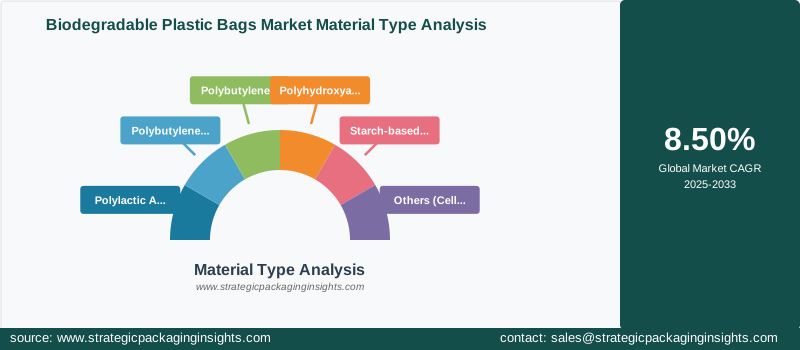
PBAT and PBS are also gaining traction in the market due to their flexibility and biodegradability. These materials are often used in combination with other biopolymers to enhance the performance of biodegradable bags. PHA, a naturally occurring biopolymer, is gaining popularity due to its high biodegradability and potential to replace conventional plastics in various applications. Starch-based blends are another significant segment, offering cost-effective and biodegradable solutions for packaging applications.
Product Type Analysis
The market is further segmented by product type, including compostable shopping bags, garbage/waste collection bags, T-shirt/carrier bags, produce and food contact bags, agriculture and mulch film bags, and specialty and medical bags. Compostable shopping bags are in high demand due to their widespread use in retail and grocery stores. These bags offer an eco-friendly alternative to traditional plastic bags, aligning with consumer preferences for sustainable products.
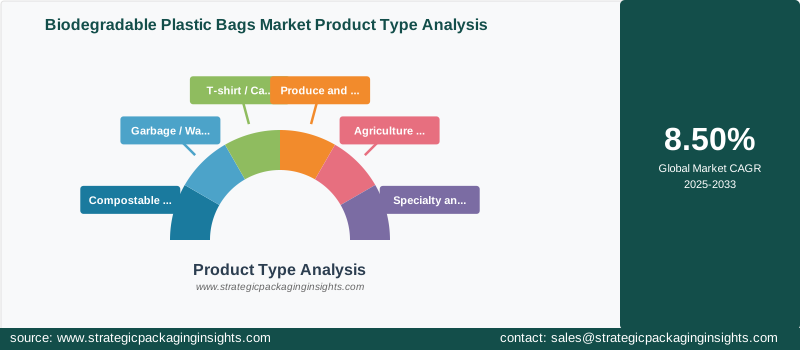
Garbage and waste collection bags are another significant segment, driven by the need for sustainable waste management solutions. T-shirt and carrier bags are commonly used in retail settings, and their biodegradable versions are gaining popularity as retailers seek to reduce their environmental impact. Produce and food contact bags are essential in the food and beverage industry, where biodegradable options are increasingly preferred to ensure food safety and environmental sustainability.
Thickness / Grade Analysis
The biodegradable plastic bags market is also segmented by thickness/grade, including less than 15 microns, 15-50 microns, and 50 microns. Bags with a thickness of less than 15 microns are commonly used for lightweight applications, such as produce bags and small retail bags. These bags offer a cost-effective solution for businesses looking to reduce their environmental footprint.
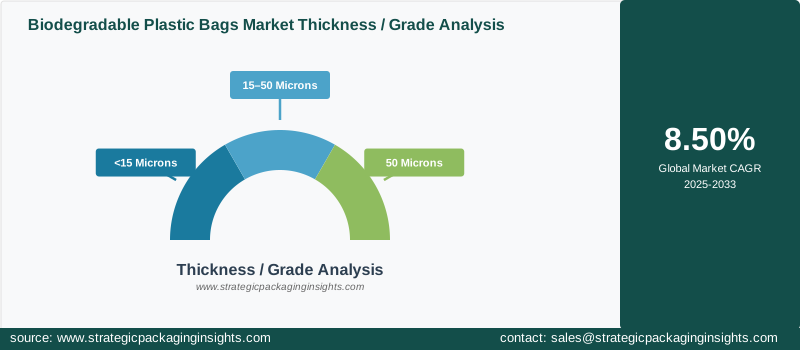
Bags with a thickness of 15-50 microns are suitable for a wide range of applications, including shopping bags and waste collection bags. These bags offer a balance between strength and biodegradability, making them a popular choice among consumers and businesses. Bags with a thickness of 50 microns or more are used for heavy-duty applications, such as agricultural mulch films and industrial packaging. These bags provide enhanced durability and performance, catering to the needs of various industries.
End-Use Industry Analysis
The market is segmented by end-use industry, including retail and grocery, food and beverage, household and institutional, healthcare and hygiene, agriculture, and e-commerce and courier. The retail and grocery sector is a major consumer of biodegradable plastic bags, driven by the increasing demand for sustainable packaging solutions. The food and beverage industry is also a significant market, as biodegradable bags are used for packaging and transporting food products.
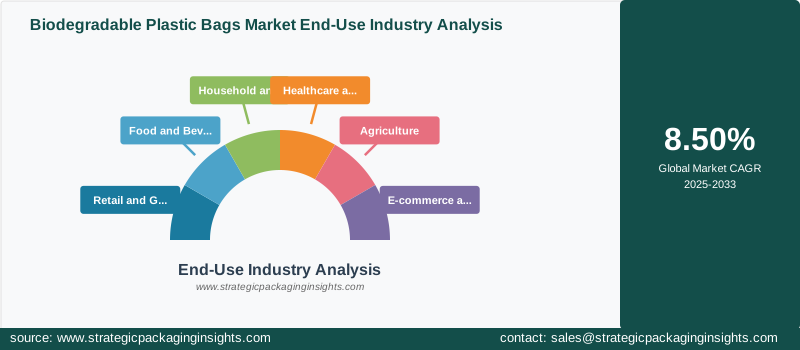
The household and institutional sector is adopting biodegradable bags for waste management and storage applications. The healthcare and hygiene industry is another key market, where biodegradable bags are used for medical waste disposal and hygiene products. The agriculture sector is increasingly using biodegradable mulch films and bags to reduce environmental impact and improve crop yield. The e-commerce and courier industry is also adopting biodegradable packaging solutions to meet consumer demand for sustainable products.
Distribution Channel Analysis
The market is segmented by distribution channel, including direct to brand owners, distributors, retail private labels, and online channels. Direct sales to brand owners are a significant distribution channel, as manufacturers collaborate with brands to develop customized biodegradable solutions. Distributors play a crucial role in expanding market reach and ensuring product availability across various regions.
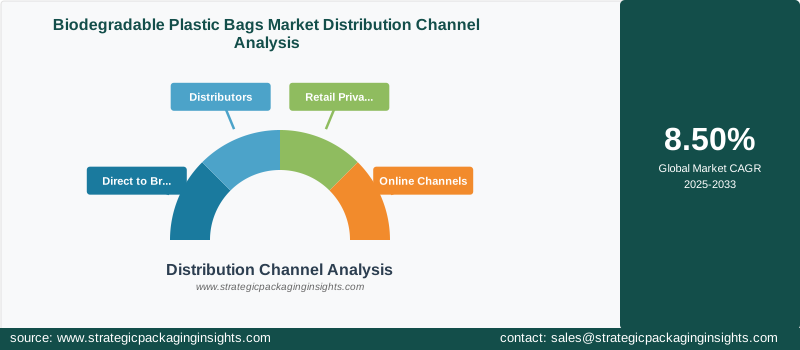
Retail private labels are increasingly adopting biodegradable bags to align with consumer preferences for sustainable products. Online channels are also gaining importance, as e-commerce platforms offer a convenient way for consumers to purchase biodegradable bags. The growing popularity of online shopping is driving demand for biodegradable packaging solutions, providing a significant opportunity for market growth.
Biodegradable Plastic Bags Market Segments
The Biodegradable Plastic Bags market has been segmented on the basis ofMaterial Type
- Polylactic Acid (PLA)
- Polybutylene Adipate Terephthalate (PBAT)
- Polybutylene Succinate (PBS)
- Polyhydroxyalkanoates (PHA)
- Starch-based Blends
- Others (Cellulose-based, etc.)
Product Type
- Compostable Shopping Bags
- Garbage / Waste Collection Bags
- T-shirt / Carrier Bags
- Produce and Food Contact Bags
- Agriculture and Mulch Film Bags
- Specialty and Medical Bags
Thickness / Grade
- <15 Microns
- 15–50 Microns
- 50 Microns
End-Use Industry
- Retail and Grocery
- Food and Beverage
- Household and Institutional
- Healthcare and Hygiene
- Agriculture
- E-commerce and Courier
Distribution Channel
- Direct to Brand Owners
- Distributors
- Retail Private Labels
- Online Channels
Region
- Asia Pacific
- North America
- Latin America
- Europe
- Middle East & Africa




