


Pharmaceutical Plastic Pots Market Outlook
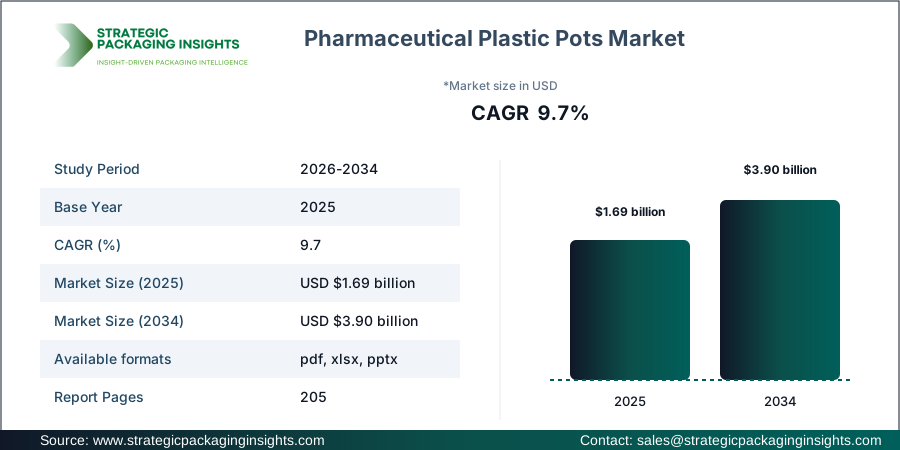
The pharmaceutical plastic pots market was valued at $1.69 billion in 2025 and is projected to reach $3.90 billion by 2034, growing at a CAGR of 9.7% during the forecast period 2026-2034. This market is experiencing robust growth due to the increasing demand for safe and secure packaging solutions in the pharmaceutical industry. The rising prevalence of chronic diseases and the growing geriatric population are driving the demand for medications, which in turn boosts the need for pharmaceutical plastic pots. These pots offer advantages such as lightweight, durability, and cost-effectiveness, making them a preferred choice for packaging tablets, capsules, and ointments. Additionally, the trend towards sustainable packaging solutions is encouraging manufacturers to innovate and develop eco-friendly plastic pots, further propelling market growth.
However, the market faces challenges such as stringent regulatory requirements and environmental concerns related to plastic waste. Regulatory bodies across the globe are imposing strict guidelines on the use of plastics in pharmaceutical packaging to ensure patient safety and environmental protection. Despite these challenges, the market holds significant growth potential due to technological advancements in material science and the development of biodegradable plastics. The increasing focus on personalized medicine and the expansion of the pharmaceutical industry in emerging economies present lucrative opportunities for market players. As companies invest in research and development to create innovative packaging solutions, the pharmaceutical plastic pots market is poised for substantial growth in the coming years.
Report Scope
| Attributes | Details |
| Report Title | Pharmaceutical Plastic Pots Market Size, Future Growth and Forecast 2034 |
| Product Type | Tablet Pots, Capsule Pots, Ointment Pots |
| Material Type | HDPE, PP, PET |
| Closure Type | Child-Resistant, Screw Cap, Tamper-Evident |
| End Use | Pharma, Nutraceuticals, Hospitals, Pharmacies |
| Region | Asia Pacific, North America, Latin America, Europe, Middle East & Africa |
| Base Year | 2025 |
| Historic Period | 2018-2024 |
| Forecast Period | 2026-2034 |
| Number of Pages | 205 |
| Customization Available | Yes* |
Opportunities & Threats
The pharmaceutical plastic pots market presents numerous opportunities driven by the increasing demand for innovative and sustainable packaging solutions. As the pharmaceutical industry continues to expand, there is a growing need for packaging that ensures the safety and efficacy of medications. This demand is particularly pronounced in emerging markets where healthcare infrastructure is rapidly developing. Companies that can offer cost-effective, high-quality, and environmentally friendly packaging solutions are well-positioned to capitalize on these opportunities. Additionally, the trend towards personalized medicine is creating a demand for customized packaging solutions, providing further growth prospects for market players.
Another significant opportunity lies in the development of biodegradable and recyclable plastic pots. With increasing environmental awareness and regulatory pressure to reduce plastic waste, there is a strong push towards sustainable packaging solutions. Companies that invest in research and development to create eco-friendly alternatives to traditional plastic pots can gain a competitive edge in the market. Furthermore, advancements in material science and manufacturing technologies are enabling the production of high-performance plastic pots that meet stringent regulatory standards, opening up new avenues for growth.
Despite the promising opportunities, the pharmaceutical plastic pots market faces several threats, primarily related to regulatory challenges and environmental concerns. Stringent regulations governing the use of plastics in pharmaceutical packaging can pose significant hurdles for manufacturers. Compliance with these regulations requires substantial investment in research and development, which can be a barrier for smaller companies. Additionally, the growing awareness of the environmental impact of plastic waste is leading to increased scrutiny of plastic packaging solutions. Companies must navigate these challenges by adopting sustainable practices and developing innovative solutions that meet regulatory requirements while minimizing environmental impact.
Drivers & Challenges
The pharmaceutical plastic pots market is driven by several key factors, including the increasing demand for safe and secure packaging solutions in the pharmaceutical industry. The rising prevalence of chronic diseases and the growing geriatric population are leading to an increased consumption of medications, which in turn drives the demand for pharmaceutical plastic pots. These pots offer advantages such as lightweight, durability, and cost-effectiveness, making them a preferred choice for packaging tablets, capsules, and ointments. Additionally, the trend towards sustainable packaging solutions is encouraging manufacturers to innovate and develop eco-friendly plastic pots, further propelling market growth.
Technological advancements in material science and manufacturing processes are also driving the growth of the pharmaceutical plastic pots market. The development of high-performance plastics that meet stringent regulatory standards is enabling manufacturers to produce packaging solutions that ensure the safety and efficacy of medications. Furthermore, the increasing focus on personalized medicine is creating a demand for customized packaging solutions, providing further growth prospects for market players. As companies invest in research and development to create innovative packaging solutions, the pharmaceutical plastic pots market is poised for substantial growth in the coming years.
However, the market faces several challenges, primarily related to regulatory requirements and environmental concerns. Stringent regulations governing the use of plastics in pharmaceutical packaging can pose significant hurdles for manufacturers. Compliance with these regulations requires substantial investment in research and development, which can be a barrier for smaller companies. Additionally, the growing awareness of the environmental impact of plastic waste is leading to increased scrutiny of plastic packaging solutions. Companies must navigate these challenges by adopting sustainable practices and developing innovative solutions that meet regulatory requirements while minimizing environmental impact.
Market Share Analysis
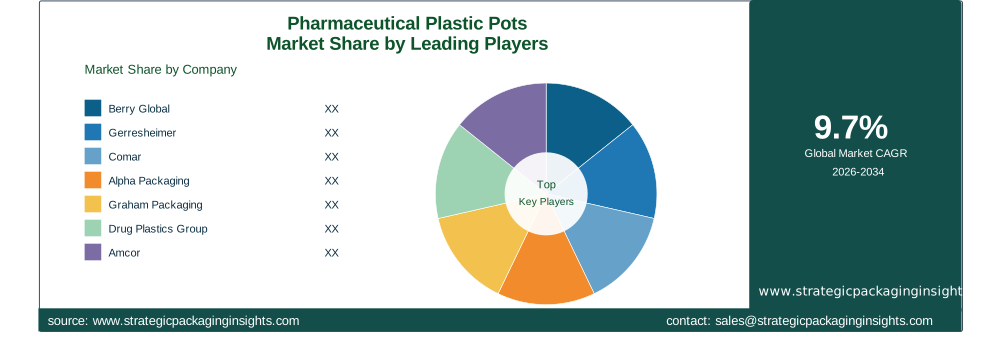
The pharmaceutical plastic pots market is characterized by a competitive landscape with several key players vying for market share. Companies such as Berry Global, Gerresheimer, Comar, Alpha Packaging, Graham Packaging, Drug Plastics Group, Amcor, AptarGroup, Silgan Plastics, and TricorBraun are prominent players in this market. These companies are focusing on strategic initiatives such as mergers and acquisitions, partnerships, and product innovations to strengthen their market position and expand their product offerings. The competitive landscape is further intensified by the presence of regional players who cater to specific markets and offer customized solutions.
Berry Global is a leading player in the pharmaceutical plastic pots market, known for its extensive product portfolio and strong distribution network. The company focuses on innovation and sustainability, offering a range of eco-friendly packaging solutions. Gerresheimer is another major player, renowned for its high-quality packaging solutions and strong presence in the pharmaceutical industry. The company emphasizes research and development to create innovative products that meet stringent regulatory standards.
Comar is a key player in the market, offering a wide range of plastic packaging solutions for the pharmaceutical industry. The company is known for its focus on customer-centric solutions and its ability to provide customized packaging options. Alpha Packaging is another significant player, recognized for its expertise in manufacturing high-quality plastic pots for the pharmaceutical and nutraceutical industries. The company emphasizes sustainability and innovation in its product offerings.
Graham Packaging, Drug Plastics Group, Amcor, AptarGroup, Silgan Plastics, and TricorBraun are also notable players in the market, each with their unique strengths and market strategies. These companies are investing in research and development to create innovative packaging solutions that meet the evolving needs of the pharmaceutical industry. The competitive landscape of the pharmaceutical plastic pots market is dynamic, with companies continuously striving to enhance their product offerings and expand their market presence.
Key Highlights
- The pharmaceutical plastic pots market is projected to grow at a CAGR of 9.7% from 2026 to 2034.
- Increasing demand for safe and secure packaging solutions is driving market growth.
- Technological advancements in material science are enabling the development of high-performance plastic pots.
- The trend towards sustainable packaging solutions is encouraging innovation in eco-friendly plastic pots.
- Stringent regulatory requirements pose challenges for manufacturers in the market.
- Key players are focusing on strategic initiatives such as mergers and acquisitions to strengthen their market position.
- The development of biodegradable and recyclable plastic pots presents significant growth opportunities.
- The market is characterized by a competitive landscape with several key players vying for market share.
- Emerging markets offer lucrative opportunities for market players due to the expanding pharmaceutical industry.
Top Countries Insights
In the pharmaceutical plastic pots market, the United States stands out as a key player with a market size of $1.2 billion and a CAGR of 8%. The country's advanced healthcare infrastructure and high demand for pharmaceutical products drive the market. Regulatory support for sustainable packaging solutions further boosts growth. Germany, with a market size of $800 million and a CAGR of 7%, is another significant player. The country's strong pharmaceutical industry and focus on innovation in packaging solutions contribute to market growth. In China, the market is valued at $700 million with a CAGR of 10%, driven by the expanding pharmaceutical sector and increasing demand for safe packaging solutions.
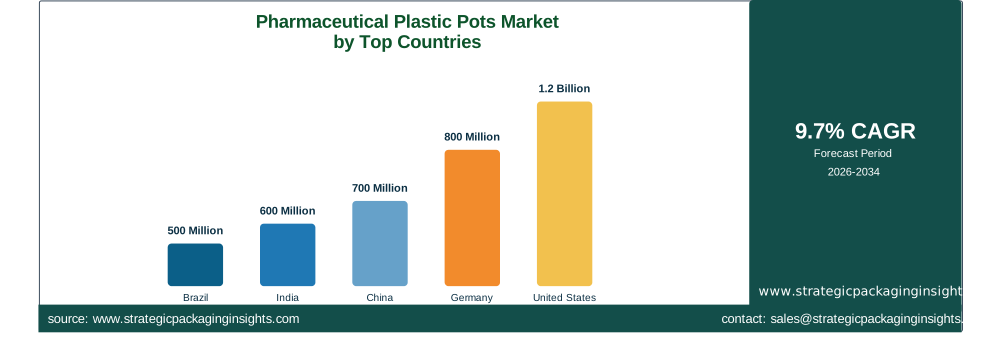
India, with a market size of $600 million and a CAGR of 12%, is experiencing rapid growth due to the rising prevalence of chronic diseases and the growing pharmaceutical industry. The government's initiatives to promote sustainable packaging solutions further support market expansion. Brazil, with a market size of $500 million and a CAGR of 9%, is also witnessing significant growth. The country's expanding healthcare infrastructure and increasing demand for pharmaceutical products drive the market. However, regulatory challenges and environmental concerns pose hurdles for market players in these countries.
Pharmaceutical Plastic Pots Market Segments Insights

Product Type Analysis
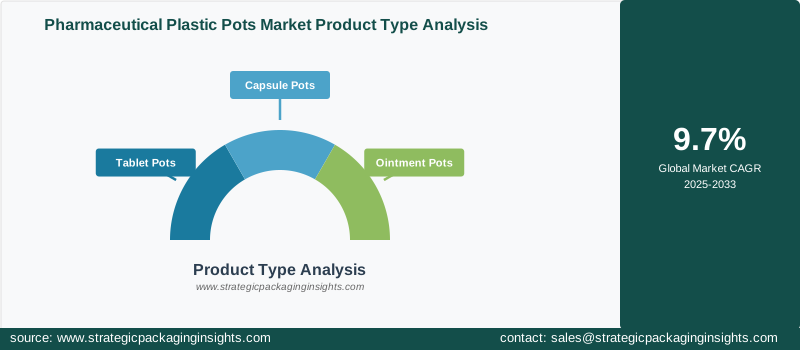
The pharmaceutical plastic pots market is segmented by product type into tablet pots, capsule pots, and ointment pots. Tablet pots hold a significant share of the market due to their widespread use in packaging solid dosage forms. The demand for tablet pots is driven by the increasing consumption of tablets for chronic disease management and the growing geriatric population. Capsule pots are also gaining traction, particularly in the nutraceuticals segment, where there is a rising demand for dietary supplements. Ointment pots, although a smaller segment, are essential for packaging topical medications and creams, catering to the dermatology and cosmetic industries.
Manufacturers are focusing on innovation in product design and material selection to enhance the functionality and sustainability of these pots. The trend towards child-resistant and tamper-evident closures is gaining momentum, driven by regulatory requirements and consumer demand for safety. Additionally, the development of eco-friendly materials such as biodegradable plastics is a key focus area for manufacturers, aligning with the global push towards sustainable packaging solutions. As the pharmaceutical industry continues to evolve, the demand for innovative and customized packaging solutions is expected to drive the growth of the product type segment.
Material Type Analysis
The material type segment of the pharmaceutical plastic pots market includes HDPE, PP, and PET. HDPE is the most widely used material due to its excellent barrier properties, durability, and cost-effectiveness. It is preferred for packaging a wide range of pharmaceutical products, including tablets, capsules, and ointments. PP is gaining popularity due to its versatility and ability to withstand high temperatures, making it suitable for sterilization processes. PET is favored for its clarity and aesthetic appeal, often used in packaging products that require visibility and shelf appeal.
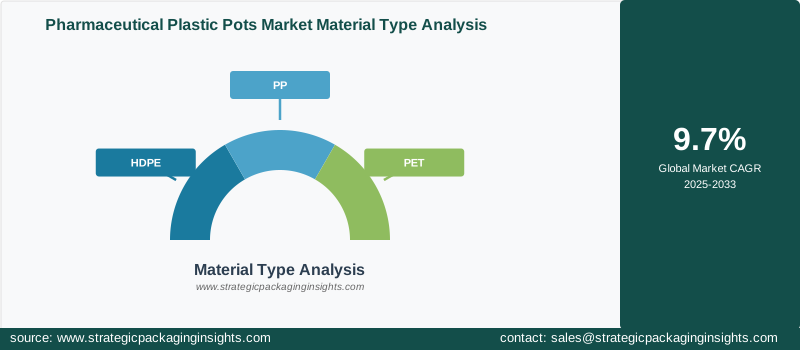
Manufacturers are investing in research and development to enhance the performance of these materials and develop sustainable alternatives. The trend towards recyclable and biodegradable materials is driving innovation in the material type segment. Companies are exploring the use of bio-based plastics and other eco-friendly materials to meet regulatory requirements and consumer demand for sustainable packaging solutions. As the pharmaceutical industry continues to prioritize safety and sustainability, the material type segment is expected to witness significant growth.
Closure Type Analysis
The closure type segment of the pharmaceutical plastic pots market includes child-resistant, screw cap, and tamper-evident closures. Child-resistant closures are a critical component of pharmaceutical packaging, ensuring the safety of children by preventing accidental ingestion of medications. The demand for child-resistant closures is driven by regulatory requirements and consumer awareness of safety concerns. Screw cap closures are widely used due to their ease of use and cost-effectiveness, making them a popular choice for a variety of pharmaceutical products.
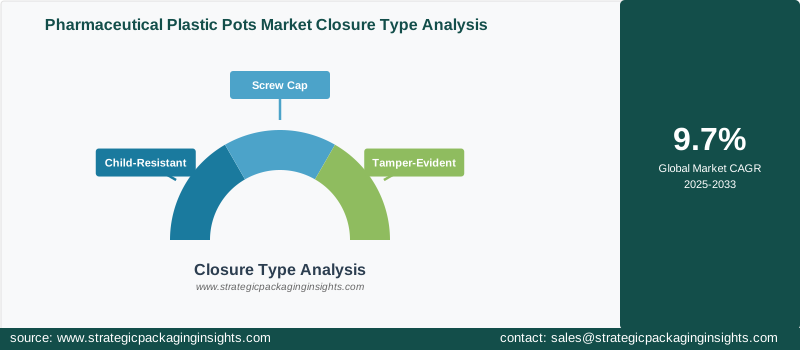
Tamper-evident closures are gaining traction as they provide an additional layer of security, ensuring the integrity of the product and building consumer trust. Manufacturers are focusing on innovation in closure design to enhance functionality and meet regulatory standards. The trend towards sustainable packaging solutions is also influencing the closure type segment, with companies exploring the use of eco-friendly materials and designs. As the pharmaceutical industry continues to prioritize safety and sustainability, the closure type segment is expected to witness significant growth.
End Use Analysis
The end use segment of the pharmaceutical plastic pots market includes pharma, nutraceuticals, hospitals, and pharmacies. The pharma segment holds the largest share of the market, driven by the increasing demand for medications and the need for safe and secure packaging solutions. The nutraceuticals segment is experiencing rapid growth due to the rising demand for dietary supplements and functional foods. Hospitals and pharmacies are also significant end users, requiring reliable packaging solutions for the storage and distribution of medications.
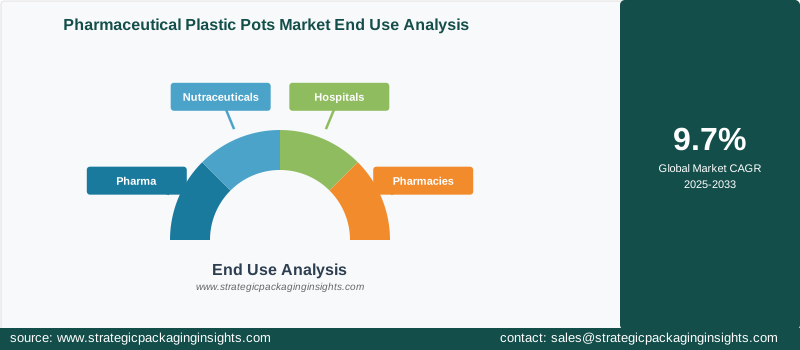
Manufacturers are focusing on developing customized packaging solutions to meet the specific needs of each end use segment. The trend towards personalized medicine is driving the demand for tailored packaging solutions, particularly in the pharma segment. Additionally, the increasing focus on sustainability is influencing the end use segment, with companies exploring the use of eco-friendly materials and designs. As the pharmaceutical industry continues to evolve, the demand for innovative and customized packaging solutions is expected to drive the growth of the end use segment.
Pharmaceutical Plastic Pots Market Segments
The Pharmaceutical Plastic Pots market has been segmented on the basis ofProduct Type
- Tablet Pots
- Capsule Pots
- Ointment Pots
Material Type
- HDPE
- PP
- PET
Closure Type
- Child-Resistant
- Screw Cap
- Tamper-Evident
End Use
- Pharma
- Nutraceuticals
- Hospitals
- Pharmacies
Region
- Asia Pacific
- North America
- Latin America
- Europe
- Middle East & Africa




