


Pharmaceutical Plastic Bottle Market Outlook
The pharmaceutical plastic bottle market was valued at $10.12 billion in 2025 and is projected to reach $18.92 billion by 2034, growing at a CAGR of 7.2% during the forecast period 2026-2034. This market is driven by the increasing demand for safe and convenient packaging solutions in the pharmaceutical industry. The rise in chronic diseases and the aging population are significant factors contributing to the growth of this market. Additionally, the shift towards more sustainable and recyclable materials is pushing manufacturers to innovate and develop eco-friendly plastic bottles. The market is also benefiting from advancements in manufacturing technologies that enhance the quality and safety of pharmaceutical packaging.
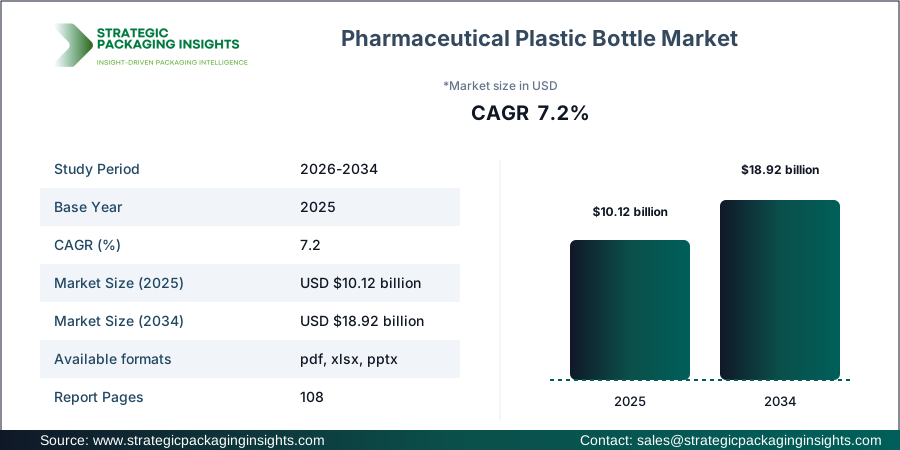
However, the market faces challenges such as stringent regulatory requirements and environmental concerns related to plastic waste. Regulatory bodies across the globe are imposing strict guidelines on the use of plastics in pharmaceutical packaging, which can hinder market growth. Despite these challenges, the market holds significant growth potential due to the increasing adoption of plastic bottles in emerging economies. The growing pharmaceutical industry in countries like India and China presents lucrative opportunities for market players. Moreover, the trend towards personalized medicine and the increasing use of biologics are expected to drive the demand for specialized pharmaceutical plastic bottles.
Report Scope
| Attributes | Details |
| Report Title | Pharmaceutical Plastic Bottle Market Size, Future Growth and Forecast 2034 |
| Material Type | HDPE, PET, PP, LDPE |
| Product Type | Tablet Bottles, Liquid Medicine Bottles, Dropper Bottles |
| Closure Type | Child-Resistant, Tamper-Evident, Screw Caps |
| End Use | Pharma, Nutraceuticals, Hospitals, Pharmacies |
| Region | Asia Pacific, North America, Latin America, Europe, Middle East & Africa |
| Base Year | 2025 |
| Historic Period | 2018-2024 |
| Forecast Period | 2026-2034 |
| Number of Pages | 108 |
| Customization Available | Yes* |
Opportunities & Threats
The pharmaceutical plastic bottle market presents numerous opportunities, particularly in the realm of sustainable packaging solutions. As environmental concerns continue to rise, there is a growing demand for eco-friendly and recyclable plastic bottles. This trend is encouraging manufacturers to invest in research and development to create innovative materials that meet both regulatory standards and consumer expectations. Additionally, the increasing prevalence of chronic diseases and the aging population are driving the demand for pharmaceutical products, thereby boosting the need for effective packaging solutions. The expansion of the pharmaceutical industry in emerging markets such as Asia Pacific and Latin America also offers significant growth opportunities for market players.
Another opportunity lies in the development of smart packaging solutions. With advancements in technology, there is a growing interest in incorporating features such as RFID tags and QR codes into pharmaceutical packaging. These technologies can enhance patient compliance, improve supply chain management, and provide valuable data for manufacturers. Furthermore, the trend towards personalized medicine is expected to increase the demand for customized packaging solutions, providing additional opportunities for market growth.
Despite these opportunities, the market faces several threats, including stringent regulatory requirements and environmental concerns. Regulatory bodies across the globe are imposing strict guidelines on the use of plastics in pharmaceutical packaging, which can increase production costs and limit market growth. Additionally, the growing awareness of the environmental impact of plastic waste is leading to increased scrutiny and pressure on manufacturers to adopt sustainable practices. These factors can pose significant challenges for market players, particularly those who are slow to adapt to changing regulations and consumer preferences.
Drivers & Challenges
The pharmaceutical plastic bottle market is primarily driven by the increasing demand for safe and convenient packaging solutions in the pharmaceutical industry. The rise in chronic diseases and the aging population are significant factors contributing to the growth of this market. As the global population continues to age, there is an increasing need for pharmaceutical products, which in turn drives the demand for effective packaging solutions. Additionally, the shift towards more sustainable and recyclable materials is pushing manufacturers to innovate and develop eco-friendly plastic bottles. The market is also benefiting from advancements in manufacturing technologies that enhance the quality and safety of pharmaceutical packaging.
Another key driver of the market is the expansion of the pharmaceutical industry in emerging markets. Countries like India and China are experiencing rapid growth in their pharmaceutical sectors, driven by increasing healthcare expenditure and a growing middle class. This expansion presents significant opportunities for market players to tap into new markets and increase their market share. Furthermore, the trend towards personalized medicine and the increasing use of biologics are expected to drive the demand for specialized pharmaceutical plastic bottles, providing additional growth opportunities for the market.
However, the market faces several challenges, including stringent regulatory requirements and environmental concerns. Regulatory bodies across the globe are imposing strict guidelines on the use of plastics in pharmaceutical packaging, which can increase production costs and limit market growth. Additionally, the growing awareness of the environmental impact of plastic waste is leading to increased scrutiny and pressure on manufacturers to adopt sustainable practices. These factors can pose significant challenges for market players, particularly those who are slow to adapt to changing regulations and consumer preferences.
Market Share Analysis
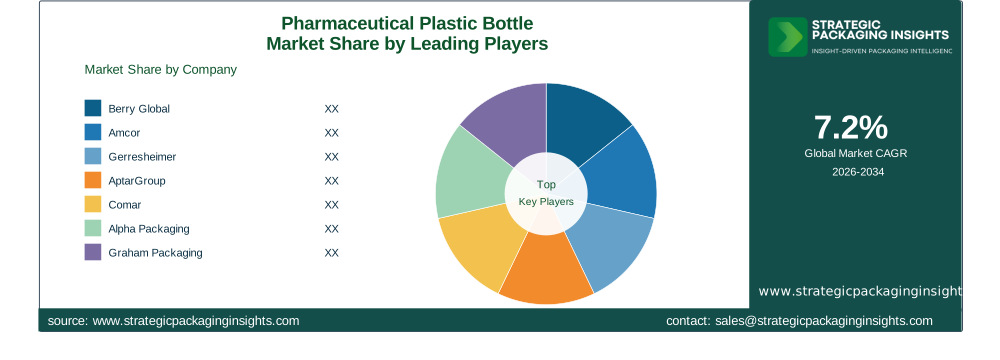
The pharmaceutical plastic bottle market is characterized by a highly competitive landscape, with several key players dominating the market. Companies such as Berry Global, Amcor, Gerresheimer, AptarGroup, Comar, Alpha Packaging, Graham Packaging, Drug Plastics Group, Silgan Plastics, and TricorBraun hold significant market shares. These companies are continuously investing in research and development to innovate and improve their product offerings, thereby maintaining their competitive edge. The market is also witnessing strategic collaborations and partnerships among key players to expand their market presence and enhance their product portfolios.
Berry Global is one of the leading players in the market, known for its extensive range of plastic packaging solutions. The company has a strong focus on sustainability and is committed to reducing its environmental impact through the development of eco-friendly products. Amcor, another major player, is renowned for its innovative packaging solutions and has a strong presence in the pharmaceutical sector. The company is actively involved in developing sustainable packaging solutions to meet the growing demand for eco-friendly products.
Gerresheimer is a key player in the pharmaceutical plastic bottle market, offering a wide range of packaging solutions for the healthcare industry. The company is known for its high-quality products and has a strong focus on innovation and sustainability. AptarGroup is another prominent player, specializing in dispensing systems and packaging solutions for the pharmaceutical industry. The company is committed to providing innovative and sustainable packaging solutions to meet the evolving needs of its customers.
Comar, Alpha Packaging, and Graham Packaging are also significant players in the market, known for their extensive product portfolios and strong focus on customer satisfaction. These companies are continuously investing in research and development to enhance their product offerings and maintain their competitive edge. Drug Plastics Group, Silgan Plastics, and TricorBraun are other notable players in the market, each with a strong presence and a commitment to innovation and sustainability.
Key Highlights
- The pharmaceutical plastic bottle market is projected to grow at a CAGR of 7.2% from 2026 to 2034.
- Increasing demand for eco-friendly and recyclable plastic bottles is driving market growth.
- Advancements in manufacturing technologies are enhancing the quality and safety of pharmaceutical packaging.
- The expansion of the pharmaceutical industry in emerging markets presents significant growth opportunities.
- Smart packaging solutions, such as RFID tags and QR codes, are gaining popularity in the market.
- Stringent regulatory requirements and environmental concerns pose challenges for market players.
- Key players in the market include Berry Global, Amcor, Gerresheimer, and AptarGroup.
- The trend towards personalized medicine is expected to drive the demand for specialized pharmaceutical plastic bottles.
- Strategic collaborations and partnerships are common among key players to expand market presence.
- The market is characterized by a highly competitive landscape with several key players dominating the market.
Top Countries Insights
In the pharmaceutical plastic bottle market, the United States holds a significant share, with a market size of approximately $3.5 billion and a CAGR of 6%. The country's well-established pharmaceutical industry and high healthcare expenditure are key growth drivers. Additionally, the increasing demand for sustainable packaging solutions is encouraging manufacturers to innovate and develop eco-friendly products. However, stringent regulatory requirements and environmental concerns pose challenges for market players.
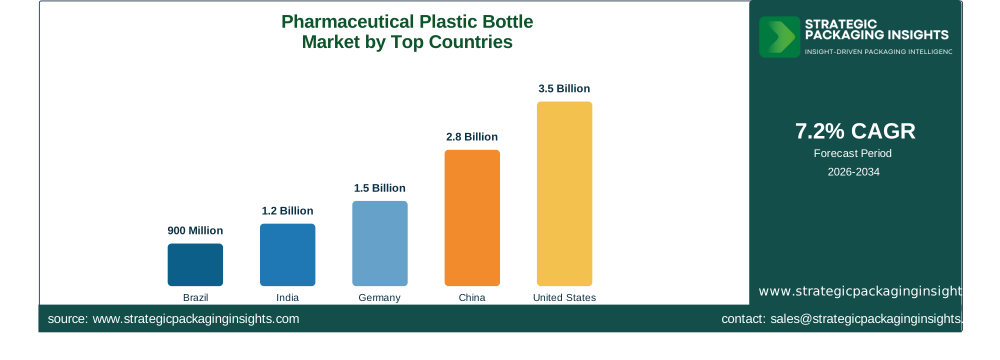
China is another major player in the market, with a market size of around $2.8 billion and a CAGR of 9%. The country's rapidly growing pharmaceutical industry and increasing healthcare expenditure are driving market growth. Additionally, the government's focus on promoting sustainable practices is encouraging manufacturers to adopt eco-friendly packaging solutions. However, the market faces challenges such as regulatory hurdles and the need for continuous innovation to meet changing consumer preferences.
Germany is a key market in Europe, with a market size of approximately $1.5 billion and a CAGR of 5%. The country's strong pharmaceutical industry and focus on innovation are driving market growth. Additionally, the increasing demand for personalized medicine is expected to boost the demand for specialized pharmaceutical plastic bottles. However, stringent regulatory requirements and environmental concerns pose challenges for market players.
India is an emerging market with significant growth potential, with a market size of around $1.2 billion and a CAGR of 10%. The country's rapidly growing pharmaceutical industry and increasing healthcare expenditure are key growth drivers. Additionally, the government's focus on promoting sustainable practices is encouraging manufacturers to adopt eco-friendly packaging solutions. However, the market faces challenges such as regulatory hurdles and the need for continuous innovation to meet changing consumer preferences.
Brazil is another important market in Latin America, with a market size of approximately $900 million and a CAGR of 7%. The country's growing pharmaceutical industry and increasing healthcare expenditure are driving market growth. Additionally, the demand for sustainable packaging solutions is encouraging manufacturers to innovate and develop eco-friendly products. However, the market faces challenges such as regulatory hurdles and the need for continuous innovation to meet changing consumer preferences.
Pharmaceutical Plastic Bottle Market Segments Insights

Material Type Analysis
The pharmaceutical plastic bottle market is segmented by material type into HDPE, PET, PP, and LDPE. HDPE is the most widely used material due to its excellent chemical resistance and durability, making it ideal for pharmaceutical packaging. The demand for HDPE bottles is driven by their cost-effectiveness and recyclability, which align with the growing trend towards sustainable packaging solutions. PET is also gaining popularity due to its clarity and lightweight properties, which enhance the aesthetic appeal of pharmaceutical products. The increasing demand for transparent packaging solutions is driving the growth of the PET segment.
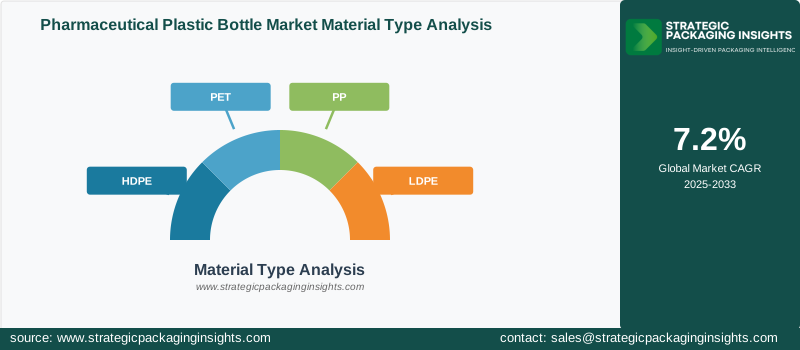
PP and LDPE are also important materials in the pharmaceutical plastic bottle market. PP is known for its high resistance to heat and chemicals, making it suitable for packaging products that require sterilization. The demand for PP bottles is driven by the increasing use of biologics and personalized medicine, which require specialized packaging solutions. LDPE is valued for its flexibility and toughness, making it ideal for packaging liquid medicines and dropper bottles. The growing demand for liquid medicines and the trend towards personalized medicine are driving the growth of the LDPE segment.
Product Type Analysis
The market is segmented by product type into tablet bottles, liquid medicine bottles, and dropper bottles. Tablet bottles are the most commonly used packaging solution in the pharmaceutical industry, driven by the increasing demand for oral solid dosage forms. The demand for tablet bottles is also driven by the growing prevalence of chronic diseases and the aging population, which require long-term medication. Liquid medicine bottles are also gaining popularity due to the increasing demand for liquid medicines and the trend towards personalized medicine.
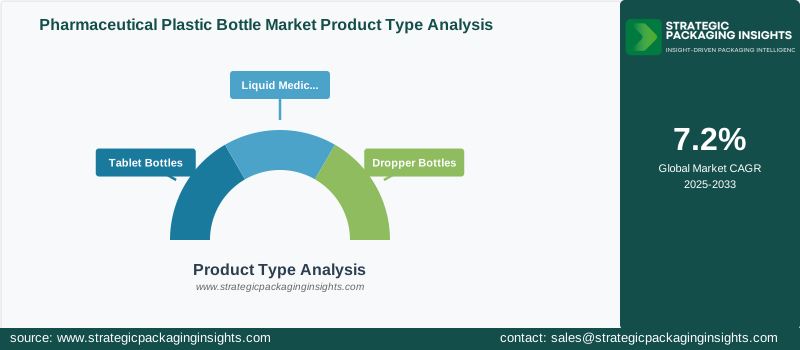
Dropper bottles are used for packaging liquid medicines that require precise dosing, such as eye drops and nasal sprays. The demand for dropper bottles is driven by the increasing prevalence of chronic diseases and the aging population, which require specialized packaging solutions. Additionally, the trend towards personalized medicine is expected to boost the demand for dropper bottles, as they allow for precise dosing and easy administration of medication.
Closure Type Analysis
The market is segmented by closure type into child-resistant, tamper-evident, and screw caps. Child-resistant closures are the most commonly used closure type in the pharmaceutical industry, driven by the need to prevent accidental ingestion of medication by children. The demand for child-resistant closures is also driven by regulatory requirements and the increasing awareness of child safety. Tamper-evident closures are also gaining popularity due to the increasing demand for secure packaging solutions that prevent tampering and ensure product integrity.
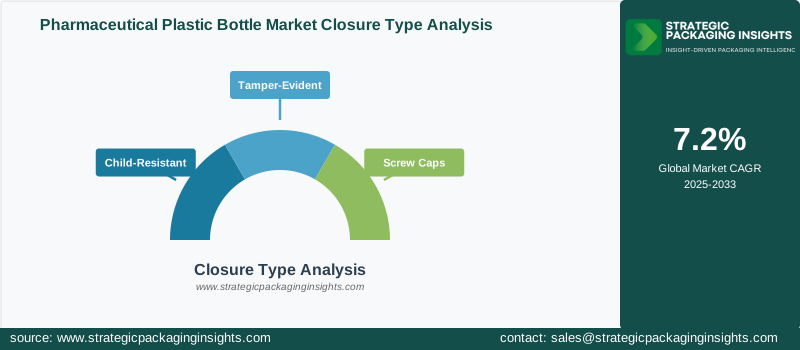
Screw caps are widely used in the pharmaceutical industry due to their ease of use and cost-effectiveness. The demand for screw caps is driven by the increasing demand for oral solid dosage forms and liquid medicines, which require secure and convenient packaging solutions. Additionally, the trend towards personalized medicine is expected to boost the demand for screw caps, as they allow for easy access to medication and precise dosing.
End Use Analysis
The market is segmented by end use into pharma, nutraceuticals, hospitals, and pharmacies. The pharma segment is the largest end-use segment, driven by the increasing demand for pharmaceutical products and the growing prevalence of chronic diseases. The demand for pharmaceutical plastic bottles in the pharma segment is also driven by the need for safe and convenient packaging solutions that ensure product integrity and patient safety.
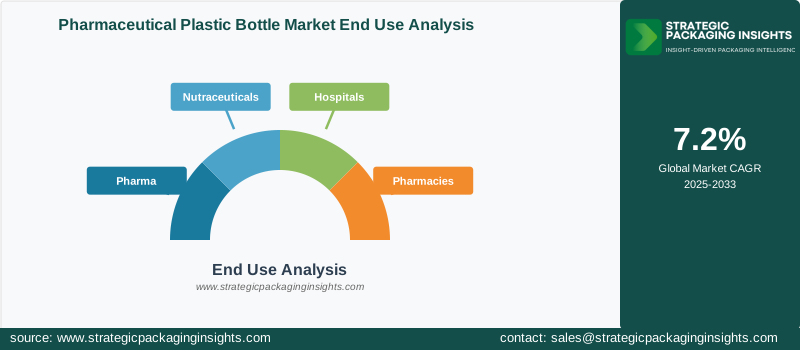
The nutraceuticals segment is also gaining popularity due to the increasing demand for dietary supplements and functional foods. The demand for pharmaceutical plastic bottles in the nutraceuticals segment is driven by the need for secure and convenient packaging solutions that enhance product shelf life and ensure product integrity. The hospitals and pharmacies segments are also important end-use segments, driven by the increasing demand for pharmaceutical products and the need for safe and convenient packaging solutions that ensure product integrity and patient safety.
Pharmaceutical Plastic Bottle Market Segments
The Pharmaceutical Plastic Bottle market has been segmented on the basis ofMaterial Type
- HDPE
- PET
- PP
- LDPE
Product Type
- Tablet Bottles
- Liquid Medicine Bottles
- Dropper Bottles
Closure Type
- Child-Resistant
- Tamper-Evident
- Screw Caps
End Use
- Pharma
- Nutraceuticals
- Hospitals
- Pharmacies
Region
- Asia Pacific
- North America
- Latin America
- Europe
- Middle East & Africa




