


Plastic Bottle Market Outlook
The plastic bottle market was valued at $87.46 billion in 2025 and is projected to reach $142.82 billion by 2034, growing at a CAGR of 5.6% during the forecast period 2026-2034. This growth is driven by increasing demand for lightweight and durable packaging solutions across various industries, including beverages, personal care, and healthcare. The versatility of plastic bottles in terms of design and functionality makes them a preferred choice for manufacturers and consumers alike. Additionally, advancements in recycling technologies and the development of biodegradable plastics are expected to further bolster market growth, as environmental concerns continue to influence consumer preferences and regulatory policies.
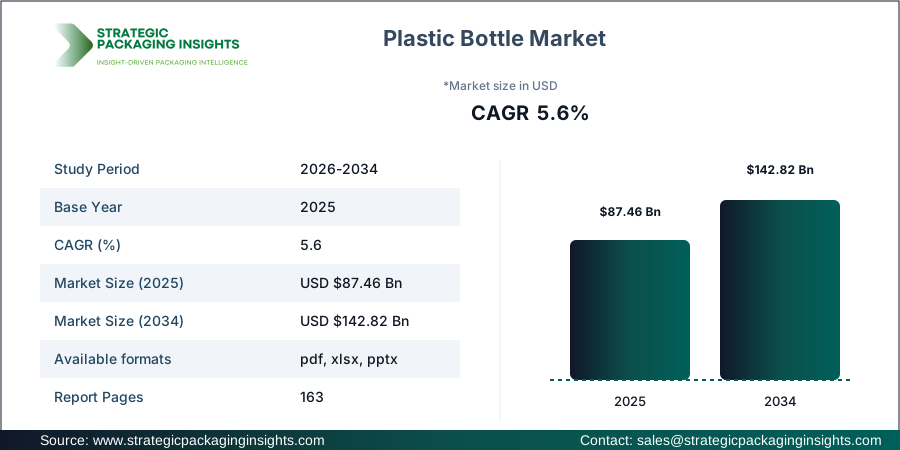
Despite the promising growth prospects, the plastic bottle market faces several challenges, including stringent environmental regulations and the rising popularity of alternative packaging materials such as glass and aluminum. These factors could potentially hinder market expansion, as companies are compelled to invest in sustainable practices and innovative solutions to meet regulatory standards and consumer expectations. However, the increasing focus on sustainability also presents opportunities for growth, as companies that successfully integrate eco-friendly practices into their operations are likely to gain a competitive edge in the market.
Report Scope
| Attributes | Details |
| Report Title | Plastic Bottle Market Size, Future Growth and Forecast 2034 |
| By Material Type | PET, HDPE, PP, LDPE |
| By Product Type | Beverage Bottles, Pharma Bottles, Personal Care Bottles, Household Bottles |
| By Capacity | Below 500 ml, 500–1,000 ml, Above 1,000 ml |
| By End Use | Beverage, Healthcare, Personal Care, Food |
| Region | Asia Pacific, North America, Latin America, Europe, Middle East & Africa |
| Base Year | 2025 |
| Historic Period | 2018-2024 |
| Forecast Period | 2026-2034 |
| Number of Pages | 163 |
| Customization Available | Yes* |
Opportunities & Threats
The plastic bottle market is poised for significant opportunities, particularly in emerging economies where rapid urbanization and increasing disposable incomes are driving demand for packaged goods. The beverage industry, in particular, is a major contributor to this growth, as the demand for bottled water, soft drinks, and alcoholic beverages continues to rise. Additionally, the healthcare sector presents lucrative opportunities, with the increasing need for safe and reliable packaging solutions for pharmaceuticals and medical products. The development of innovative packaging designs and materials that enhance product safety and shelf life is expected to further drive market growth.
Another opportunity lies in the growing trend towards sustainable packaging solutions. As consumers become more environmentally conscious, there is a rising demand for recyclable and biodegradable plastic bottles. Companies that invest in research and development to create eco-friendly packaging solutions are likely to benefit from this trend. Furthermore, advancements in recycling technologies and the implementation of circular economy practices offer significant growth potential for the plastic bottle market, as they enable companies to reduce waste and improve resource efficiency.
However, the market also faces threats from increasing regulatory pressures and the growing popularity of alternative packaging materials. Governments worldwide are implementing stricter regulations to reduce plastic waste and promote sustainable practices, which could pose challenges for plastic bottle manufacturers. Additionally, the rising popularity of glass and aluminum packaging, driven by consumer preferences for premium and eco-friendly products, could potentially impact the demand for plastic bottles. Companies must adapt to these changing market dynamics by investing in sustainable practices and innovative solutions to remain competitive.
Drivers & Challenges
The plastic bottle market is driven by several key factors, including the increasing demand for convenient and lightweight packaging solutions. The beverage industry is a major driver of this demand, as consumers seek easy-to-carry and resealable packaging options for their drinks. Additionally, the personal care and healthcare industries are contributing to market growth, as they require reliable and safe packaging solutions for their products. The versatility of plastic bottles in terms of design and functionality makes them an attractive choice for manufacturers across various sectors.
Technological advancements in plastic manufacturing and recycling processes are also driving market growth. Innovations in material science have led to the development of high-performance plastics that offer improved durability, safety, and environmental sustainability. These advancements are enabling manufacturers to produce plastic bottles that meet the evolving needs of consumers and regulatory standards. Furthermore, the increasing focus on sustainability and the circular economy is encouraging companies to adopt eco-friendly practices, which is expected to drive further growth in the plastic bottle market.
Despite these drivers, the market faces several challenges, including environmental concerns and regulatory pressures. The growing awareness of plastic pollution and its impact on the environment is leading to increased scrutiny of plastic packaging. Governments and regulatory bodies are implementing stricter regulations to reduce plastic waste and promote sustainable practices, which could pose challenges for plastic bottle manufacturers. Additionally, the rising popularity of alternative packaging materials, such as glass and aluminum, presents a competitive challenge for the plastic bottle market. Companies must invest in sustainable practices and innovative solutions to address these challenges and remain competitive in the market.
Market Share Analysis
The competitive landscape of the plastic bottle market is characterized by the presence of several key players who are actively engaged in product innovation, strategic partnerships, and mergers and acquisitions to strengthen their market position. ALPLA, Amcor, and Berry Global are among the leading companies in the market, known for their extensive product portfolios and strong global presence. These companies are focusing on expanding their production capacities and investing in research and development to create innovative and sustainable packaging solutions.
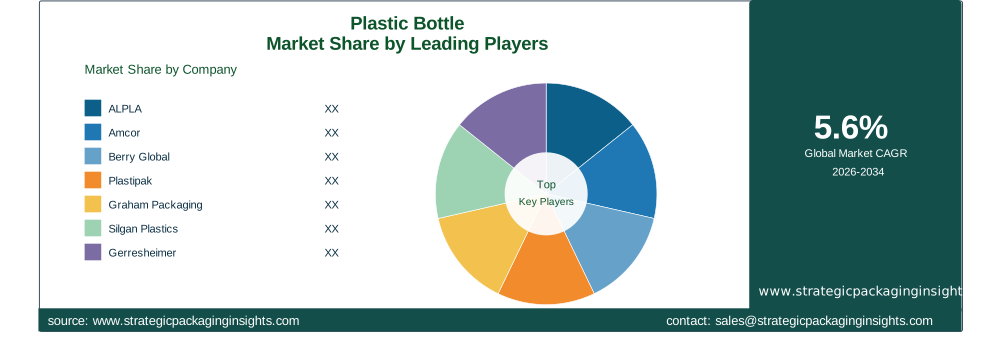
Plastipak and Graham Packaging are also prominent players in the market, known for their expertise in manufacturing high-quality plastic bottles for various applications. These companies are leveraging their technological capabilities and industry experience to develop advanced packaging solutions that meet the evolving needs of consumers and regulatory standards. Silgan Plastics and Gerresheimer are other key players in the market, recognized for their commitment to sustainability and innovation in plastic packaging.
Alpha Packaging, Comar, and TricorBraun are also significant contributors to the plastic bottle market, offering a wide range of packaging solutions for the beverage, healthcare, and personal care industries. These companies are focusing on expanding their product offerings and enhancing their production capabilities to cater to the growing demand for plastic bottles. The competitive landscape of the market is further intensified by the presence of several regional and local players who are actively engaged in product development and strategic collaborations to gain a competitive edge.
Overall, the plastic bottle market is characterized by intense competition, with companies striving to differentiate themselves through product innovation, sustainability initiatives, and strategic partnerships. The increasing focus on eco-friendly packaging solutions and the adoption of circular economy practices are expected to shape the competitive dynamics of the market in the coming years. Companies that successfully integrate sustainable practices into their operations and offer innovative packaging solutions are likely to gain a competitive advantage in the market.
Key Highlights
- The plastic bottle market is projected to grow at a CAGR of 5.6% from 2026 to 2034.
- Increasing demand for lightweight and durable packaging solutions is driving market growth.
- Advancements in recycling technologies and biodegradable plastics are bolstering market expansion.
- Stringent environmental regulations and the popularity of alternative packaging materials pose challenges.
- The beverage industry is a major contributor to the demand for plastic bottles.
- Emerging economies offer significant growth opportunities due to rapid urbanization and rising disposable incomes.
- Companies are focusing on sustainable practices and innovative solutions to remain competitive.
- Technological advancements in plastic manufacturing are driving market growth.
- The market is characterized by intense competition and the presence of several key players.
- Eco-friendly packaging solutions and circular economy practices are shaping market dynamics.
Top Countries Insights
In the plastic bottle market, the United States stands out as a key player, with a market size of approximately $25 billion and a CAGR of 4%. The country's robust beverage industry, coupled with a strong focus on sustainability and recycling initiatives, drives demand for plastic bottles. Government policies promoting the use of recyclable materials and the development of eco-friendly packaging solutions further support market growth. However, challenges such as regulatory pressures and the popularity of alternative packaging materials persist.
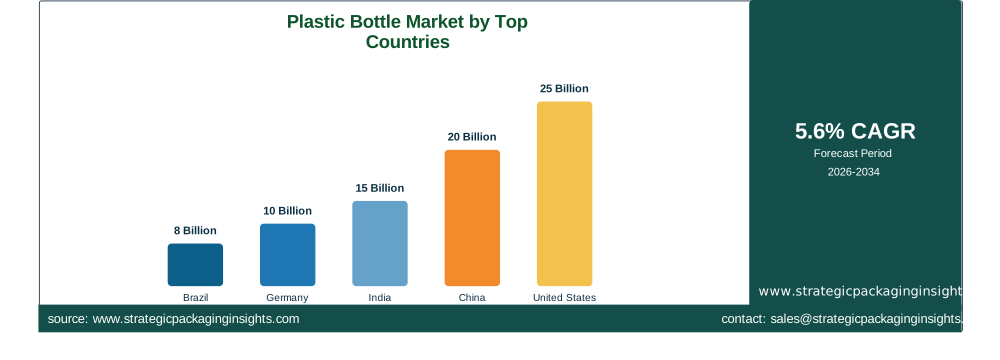
China is another significant market, with a market size of around $20 billion and a CAGR of 6%. The country's rapid urbanization and increasing disposable incomes are driving demand for packaged goods, particularly in the beverage and personal care sectors. The Chinese government's emphasis on environmental sustainability and the implementation of strict regulations on plastic waste management are key growth drivers. However, the market faces challenges from the rising popularity of glass and aluminum packaging.
India, with a market size of approximately $15 billion and a CAGR of 7%, is experiencing significant growth in the plastic bottle market. The country's expanding middle class and increasing consumer awareness of hygiene and safety are driving demand for packaged beverages and personal care products. Government initiatives promoting the use of recyclable materials and the development of sustainable packaging solutions are further supporting market growth. However, challenges such as inadequate recycling infrastructure and regulatory pressures remain.
Germany, with a market size of around $10 billion and a CAGR of 3%, is a key player in the European plastic bottle market. The country's strong focus on sustainability and recycling, coupled with a well-established beverage industry, drives demand for plastic bottles. Government policies promoting the use of eco-friendly packaging solutions and the implementation of circular economy practices are key growth drivers. However, the market faces challenges from the increasing popularity of alternative packaging materials.
Brazil, with a market size of approximately $8 billion and a CAGR of 5%, is a significant market in Latin America. The country's growing beverage industry and increasing consumer awareness of environmental sustainability are driving demand for plastic bottles. Government initiatives promoting the use of recyclable materials and the development of sustainable packaging solutions are further supporting market growth. However, challenges such as regulatory pressures and the popularity of alternative packaging materials persist.
Plastic Bottle Market Segments Insights

Material Type Analysis
The plastic bottle market is segmented by material type into PET, HDPE, PP, and LDPE. PET (Polyethylene Terephthalate) is the most widely used material due to its excellent clarity, strength, and recyclability. It is predominantly used in the beverage industry for packaging water, soft drinks, and juices. The demand for PET bottles is driven by their lightweight nature and cost-effectiveness, making them a preferred choice for manufacturers and consumers alike. Additionally, advancements in recycling technologies have enhanced the sustainability of PET bottles, further boosting their demand.
HDPE (High-Density Polyethylene) is another popular material used in the plastic bottle market, known for its excellent chemical resistance and durability. It is commonly used in the packaging of household and personal care products, such as detergents and shampoos. The demand for HDPE bottles is driven by their ability to withstand harsh chemicals and their recyclability, making them an attractive option for manufacturers seeking sustainable packaging solutions. The increasing focus on sustainability and the development of eco-friendly HDPE bottles are expected to drive further growth in this segment.
Product Type Analysis
The plastic bottle market is segmented by product type into beverage bottles, pharma bottles, personal care bottles, and household bottles. Beverage bottles account for the largest share of the market, driven by the increasing demand for bottled water, soft drinks, and alcoholic beverages. The convenience and portability of plastic beverage bottles make them a preferred choice for consumers, while manufacturers benefit from their cost-effectiveness and design flexibility. The development of innovative packaging designs and materials that enhance product safety and shelf life is expected to further drive growth in this segment.
Pharma bottles are another significant segment, driven by the increasing demand for safe and reliable packaging solutions in the healthcare industry. The need for tamper-evident and child-resistant packaging is driving the demand for plastic pharma bottles, as they offer excellent protection against contamination and ensure product safety. The development of advanced packaging solutions that enhance product safety and compliance with regulatory standards is expected to drive further growth in this segment.
Capacity Analysis
The plastic bottle market is segmented by capacity into below 500 ml, 500-1, 000 ml, and above 1, 000 ml. Bottles with a capacity below 500 ml are widely used in the beverage and personal care industries, driven by the increasing demand for single-serve and travel-sized packaging solutions. The convenience and portability of these bottles make them a preferred choice for consumers, while manufacturers benefit from their cost-effectiveness and design flexibility. The development of innovative packaging designs and materials that enhance product safety and shelf life is expected to further drive growth in this segment.
Bottles with a capacity of 500-1, 000 ml are commonly used in the household and personal care industries, driven by the increasing demand for family-sized packaging solutions. The versatility and durability of these bottles make them an attractive option for manufacturers seeking sustainable packaging solutions. The increasing focus on sustainability and the development of eco-friendly packaging solutions are expected to drive further growth in this segment.
End Use Analysis
The plastic bottle market is segmented by end use into beverage, healthcare, personal care, and food. The beverage industry is the largest end-use segment, driven by the increasing demand for bottled water, soft drinks, and alcoholic beverages. The convenience and portability of plastic beverage bottles make them a preferred choice for consumers, while manufacturers benefit from their cost-effectiveness and design flexibility. The development of innovative packaging designs and materials that enhance product safety and shelf life is expected to further drive growth in this segment.
The healthcare industry is another significant end-use segment, driven by the increasing demand for safe and reliable packaging solutions for pharmaceuticals and medical products. The need for tamper-evident and child-resistant packaging is driving the demand for plastic pharma bottles, as they offer excellent protection against contamination and ensure product safety. The development of advanced packaging solutions that enhance product safety and compliance with regulatory standards is expected to drive further growth in this segment.
Plastic Bottle Market Segments
The Plastic Bottle market has been segmented on the basis ofBy Material Type
- PET
- HDPE
- PP
- LDPE
By Product Type
- Beverage Bottles
- Pharma Bottles
- Personal Care Bottles
- Household Bottles
By Capacity
- Below 500 ml
- 500–1,000 ml
- Above 1,000 ml
By End Use
- Beverage
- Healthcare
- Personal Care
- Food
Region
- Asia Pacific
- North America
- Latin America
- Europe
- Middle East & Africa




