


Paper Can Packaging Market Outlook
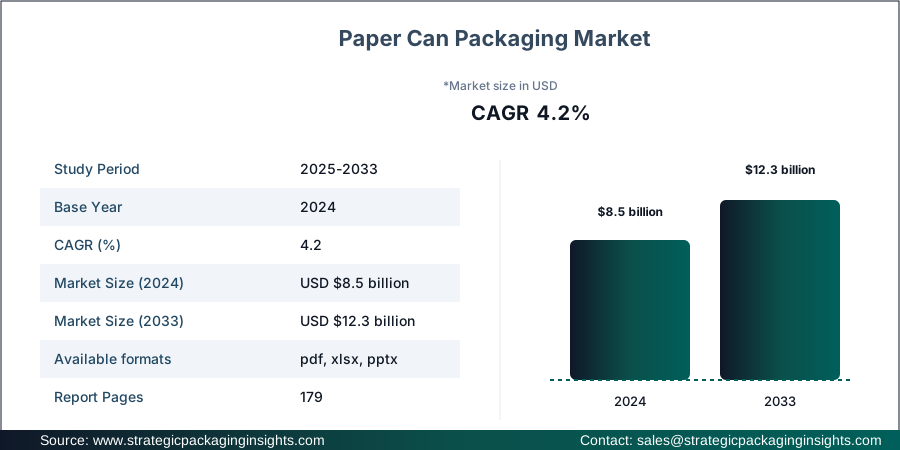
The Paper Can Packaging market was valued at $8.5 billion in 2024 and is projected to reach $12.3 billion by 2033, growing at a CAGR of 4.2% during the forecast period 2025-2033. This growth is driven by increasing consumer demand for sustainable and eco-friendly packaging solutions. The shift towards reducing plastic usage and the rising awareness of environmental issues have significantly contributed to the adoption of paper can packaging. Additionally, advancements in packaging technology and the development of innovative designs have further propelled market growth. The food and beverage industry, in particular, has been a major contributor to this market, as companies seek to align with consumer preferences for sustainable packaging options.
Report Scope
| Attributes | Details |
| Report Title | Paper Can Packaging Market Size, Future Growth and Forecast 2033 |
| Material Type | Kraft Paper, Cardboard, Others |
| End-Use Industry | Food & Beverages, Personal Care & Cosmetics, Home Care, Others |
| Closure Type | Lids, Caps, Others |
| Region | Asia Pacific, North America, Latin America, Europe, Middle East & Africa |
| Base Year | 2024 |
| Historic Period | 2017-2023 |
| Forecast Period | 2025-2033 |
| Number of Pages | 179 |
| Customization Available | Yes* |
Opportunities & Threats
One of the significant opportunities in the paper can packaging market is the growing consumer preference for eco-friendly packaging solutions. As environmental concerns continue to rise, consumers are increasingly opting for products that offer sustainable packaging. This trend is particularly evident in the food and beverage industry, where companies are actively seeking to reduce their carbon footprint by adopting paper-based packaging solutions. Furthermore, the increasing popularity of organic and natural products has further fueled the demand for paper can packaging, as these products often require packaging that aligns with their eco-friendly image.
Another opportunity lies in the technological advancements in packaging materials and designs. Innovations in material science have led to the development of more durable and versatile paper can packaging solutions. These advancements have enabled manufacturers to create packaging that not only meets the functional requirements but also enhances the aesthetic appeal of the product. Additionally, the integration of smart packaging technologies, such as QR codes and NFC tags, has opened new avenues for engaging consumers and providing them with valuable product information.
However, the paper can packaging market faces certain threats, primarily from the availability of alternative packaging materials. While paper can packaging offers numerous environmental benefits, it may not always be the most cost-effective solution for all applications. The presence of cheaper alternatives, such as plastic and metal packaging, poses a challenge to the widespread adoption of paper can packaging. Additionally, fluctuations in raw material prices and supply chain disruptions can impact the profitability of manufacturers, further hindering market growth.
Drivers & Challenges
The primary driver of the paper can packaging market is the increasing consumer awareness of environmental issues and the demand for sustainable packaging solutions. As consumers become more conscious of their environmental impact, they are actively seeking products that offer eco-friendly packaging. This shift in consumer behavior has prompted companies across various industries to adopt paper can packaging as a means to enhance their brand image and appeal to environmentally conscious consumers. Furthermore, government regulations and initiatives aimed at reducing plastic waste have further accelerated the adoption of paper-based packaging solutions.
Another significant driver is the growing demand for convenience and portability in packaging. Paper can packaging offers several advantages in terms of convenience, as it is lightweight, easy to handle, and provides excellent protection for the contents. This makes it an ideal choice for on-the-go products, such as snacks and beverages. Additionally, the versatility of paper can packaging allows manufacturers to create customized designs that cater to specific consumer preferences, further driving market growth.
Despite the numerous drivers, the paper can packaging market faces several challenges. One of the primary challenges is the high cost of production compared to traditional packaging materials. The manufacturing process for paper can packaging involves several steps, including printing, cutting, and assembling, which can be time-consuming and costly. Additionally, the limited availability of raw materials and the need for specialized equipment can further increase production costs. These factors can pose a barrier to entry for new players and limit the market's growth potential.
Market Share Analysis
The paper can packaging market is characterized by a competitive landscape with several key players vying for market share. The market is dominated by a few major companies that have established themselves as leaders in the industry. These companies have a strong presence across various regions and offer a wide range of paper can packaging solutions to cater to diverse customer needs. The competitive landscape is further intensified by the presence of numerous small and medium-sized enterprises that focus on niche markets and offer specialized packaging solutions.
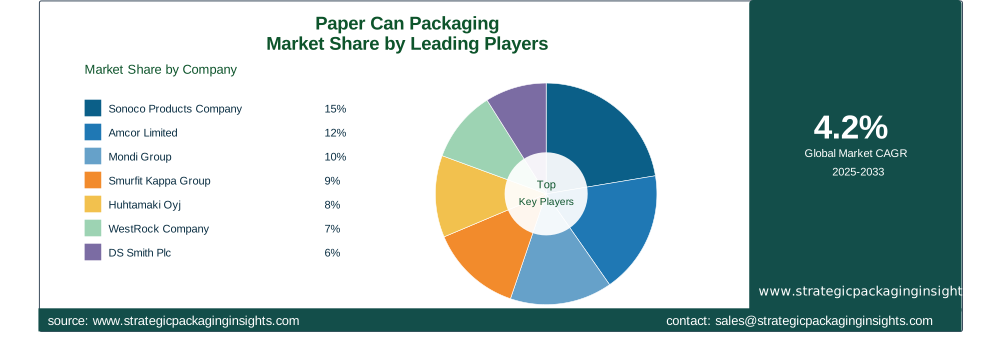
Some of the major companies in the paper can packaging market include Sonoco Products Company, Amcor Limited, Mondi Group, Smurfit Kappa Group, and Huhtamaki Oyj. These companies have a significant market share and are known for their innovative packaging solutions and strong customer relationships. They have invested heavily in research and development to enhance their product offerings and maintain a competitive edge in the market. Additionally, these companies have a global presence and operate through a network of manufacturing facilities and distribution channels.
Sonoco Products Company, for instance, is a leading player in the paper can packaging market, known for its sustainable packaging solutions and commitment to environmental stewardship. The company offers a wide range of paper can packaging products for various industries, including food and beverages, personal care, and home care. With a strong focus on innovation and customer satisfaction, Sonoco has established itself as a trusted partner for many leading brands worldwide.
Amcor Limited is another prominent player in the market, offering a diverse portfolio of packaging solutions, including paper can packaging. The company is known for its advanced manufacturing capabilities and commitment to sustainability. Amcor has a strong presence in key markets across North America, Europe, and Asia Pacific, and continues to expand its operations through strategic acquisitions and partnerships. The company's focus on innovation and customer-centric approach has enabled it to maintain a competitive position in the market.
Key Highlights
- The paper can packaging market is projected to grow at a CAGR of 4.2% from 2025 to 2033.
- Increasing consumer demand for sustainable packaging solutions is a major driver of market growth.
- Technological advancements in packaging materials and designs are creating new opportunities for market players.
- The food and beverage industry is a significant contributor to the demand for paper can packaging.
- Government regulations aimed at reducing plastic waste are accelerating the adoption of paper-based packaging solutions.
- The market is characterized by a competitive landscape with several key players vying for market share.
- High production costs and the availability of alternative packaging materials pose challenges to market growth.
Top Countries Insights
In the paper can packaging market, the United States holds a significant share, with a market size of $2.1 billion and a CAGR of 5%. The country's strong focus on sustainability and the presence of major food and beverage companies drive the demand for paper can packaging. Additionally, government initiatives to reduce plastic waste further support market growth.
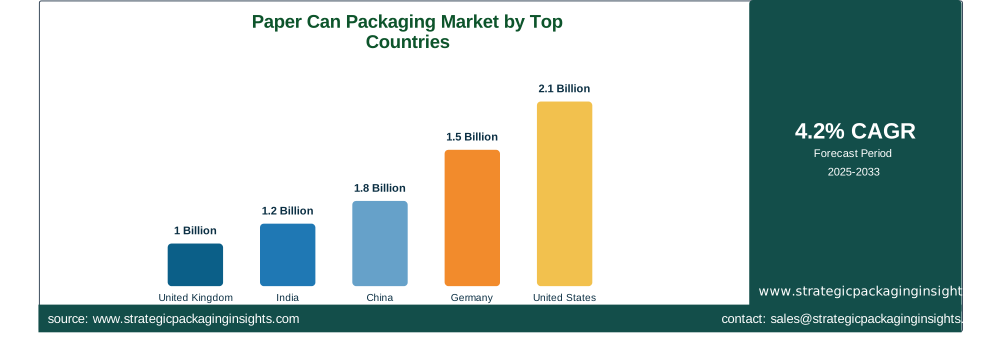
Germany is another key market, with a market size of $1.5 billion and a CAGR of 4%. The country's stringent environmental regulations and the growing consumer preference for eco-friendly packaging solutions contribute to the demand for paper can packaging. The presence of leading packaging companies and a strong focus on innovation further bolster market growth.
China, with a market size of $1.8 billion and a CAGR of 6%, is a rapidly growing market for paper can packaging. The country's expanding food and beverage industry and increasing consumer awareness of environmental issues drive the demand for sustainable packaging solutions. Additionally, government policies promoting eco-friendly packaging further support market growth.
India, with a market size of $1.2 billion and a CAGR of 7%, is an emerging market for paper can packaging. The country's growing middle-class population and increasing demand for packaged food and beverages drive the demand for paper can packaging. Additionally, government initiatives to promote sustainable packaging solutions further support market growth.
The United Kingdom, with a market size of $1 billion and a CAGR of 3%, is a mature market for paper can packaging. The country's strong focus on sustainability and the presence of leading packaging companies drive the demand for paper can packaging. Additionally, government regulations aimed at reducing plastic waste further support market growth.
Paper Can Packaging Market Segments Insights

Material Type Analysis
The material type segment of the paper can packaging market is primarily driven by the increasing demand for sustainable and eco-friendly packaging solutions. Kraft paper and cardboard are the most commonly used materials in this segment, owing to their biodegradability and recyclability. The growing awareness of environmental issues and the need to reduce plastic waste have led to a shift towards paper-based packaging materials. Additionally, advancements in material science have enabled manufacturers to develop more durable and versatile paper can packaging solutions, further driving the demand for these materials.
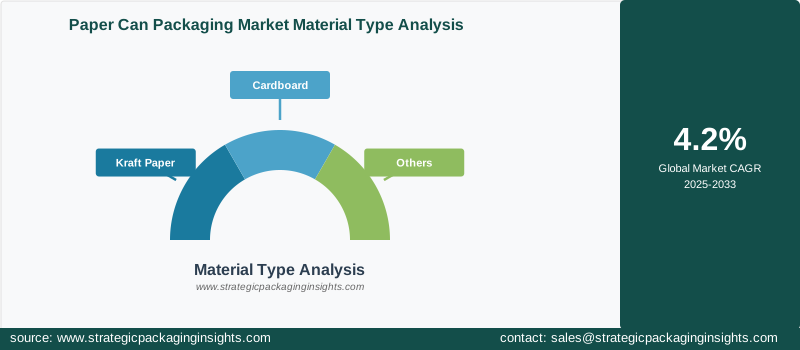
The competition in the material type segment is intense, with several key players offering a wide range of paper can packaging solutions. Companies are focusing on developing innovative materials that offer enhanced performance and aesthetic appeal. The demand for customized packaging solutions is also on the rise, as consumers seek unique and personalized packaging options. This trend is particularly evident in the food and beverage industry, where companies are looking to differentiate their products through innovative packaging designs.
End-Use Industry Analysis
The end-use industry segment of the paper can packaging market is dominated by the food and beverage industry, which accounts for a significant share of the market. The increasing demand for packaged food and beverages, coupled with the growing consumer preference for sustainable packaging solutions, has driven the demand for paper can packaging in this industry. Additionally, the rise of e-commerce and online food delivery services has further fueled the demand for convenient and portable packaging solutions.
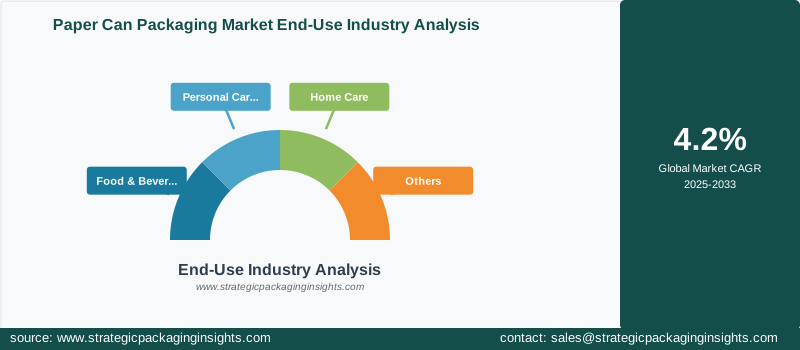
The personal care and cosmetics industry is another key end-use industry for paper can packaging. The growing consumer awareness of environmental issues and the demand for eco-friendly packaging solutions have led to an increase in the adoption of paper can packaging in this industry. Companies are focusing on developing innovative packaging designs that enhance the aesthetic appeal of their products and align with their brand image. The home care industry is also witnessing a growing demand for paper can packaging, as consumers seek sustainable packaging solutions for household products.
Closure Type Analysis
The closure type segment of the paper can packaging market is characterized by the presence of various closure options, including lids, caps, and others. The demand for different closure types is driven by the need for convenience and functionality in packaging. Lids and caps are the most commonly used closure types, as they provide easy access to the contents and ensure product safety and freshness. The growing demand for on-the-go products, such as snacks and beverages, has further fueled the demand for convenient closure options.
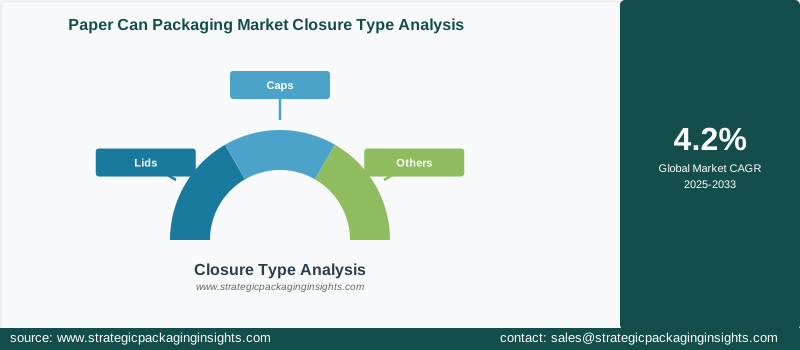
The competition in the closure type segment is intense, with several key players offering a wide range of closure options to cater to diverse customer needs. Companies are focusing on developing innovative closure designs that enhance the functionality and aesthetic appeal of their packaging solutions. The demand for customized closure options is also on the rise, as consumers seek unique and personalized packaging solutions. This trend is particularly evident in the food and beverage industry, where companies are looking to differentiate their products through innovative packaging designs.
Regional Market Intelligence Chart
The regional market intelligence chart provides insights into the growth prospects of the paper can packaging market across different regions. North America is expected to witness significant growth, driven by the increasing demand for sustainable packaging solutions and the presence of major food and beverage companies. Europe is also expected to witness substantial growth, owing to the stringent environmental regulations and the growing consumer preference for eco-friendly packaging solutions. The Asia Pacific region is expected to witness the highest growth, driven by the expanding food and beverage industry and the increasing consumer awareness of environmental issues. Latin America and the Middle East & Africa are also expected to witness moderate growth, driven by the growing demand for sustainable packaging solutions and the presence of key market players.
Paper Can Packaging Market Segments
The Paper Can Packaging market has been segmented on the basis ofMaterial Type
- Kraft Paper
- Cardboard
- Others
End-Use Industry
- Food & Beverages
- Personal Care & Cosmetics
- Home Care
- Others
Closure Type
- Lids
- Caps
- Others
Region
- Asia Pacific
- North America
- Latin America
- Europe
- Middle East & Africa




