


Non-UV Dicing Tapes Market Outlook
The Non-UV Dicing Tapes market size was valued at USD 380 million in 2025 and is anticipated to reach USD 590 million by 2034, growing at a CAGR of 5.00% during the forecast period according to Strategic Packaging Insights. The market is witnessing significant growth due to the increasing demand for semiconductor devices across various industries, including consumer electronics and automotive. Companies like Nitto Denko and Lintec Corporation are at the forefront, leveraging advanced technologies to enhance product performance and meet the evolving needs of the semiconductor industry. The rise in demand for miniaturized electronic components is further propelling the market, as non-UV dicing tapes play a crucial role in the precise cutting and handling of delicate wafers.
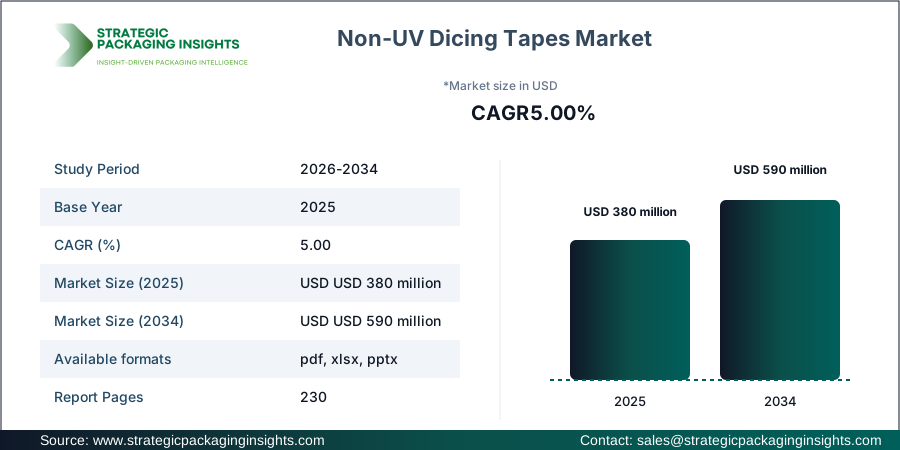
One of the most impactful drivers of the Non-UV Dicing Tapes market is the rapid advancement in semiconductor technology, which is supported by government initiatives to boost domestic manufacturing capabilities. For instance, several countries are investing heavily in semiconductor fabrication plants to reduce dependency on imports and enhance technological self-reliance. This trend is creating a robust demand for high-quality dicing tapes that ensure precision and efficiency in wafer processing. Companies like Furukawa Electric and Mitsui Chemicals Tohcello are capitalizing on this opportunity by developing innovative products that cater to the stringent requirements of modern semiconductor manufacturing processes.
Report Scope
| Attributes | Details |
| Report Title | Non-UV Dicing Tapes Market Size, Future Growth and Forecast 2034 |
| By Base Material | PVC, Polyolefin (PO), PET |
| By Adhesive Type | Acrylic Adhesive, Rubber-Based Adhesive |
| By Wafer Type | Silicon Wafer, Compound Semiconductor (GaAs, SiC, GaN), Glass & Ceramic Substrates |
| By Application | Semiconductor Wafer Dicing, LED Dicing, MEMS, Discrete Components, Package Dicing |
| By End Use | Consumer Electronics, Automotive Semiconductors, Industrial, Telecommunications (5G) |
| By Region | North America (U.S., Canada, Mexico), Europe (Germany, UK, France, Italy, Spain, Rest of Europe), Asia Pacific (China, India, Japan, South Korea, Australia, Rest of Asia Pacific), Latin America (Brazil, Argentina, Rest of Latin America), Middle East & Africa (GCC Countries, South Africa, Rest of MEA) |
| Base Year | 2025 |
| Historic Period | 2018-2024 |
| Forecast Period | 2026-2034 |
| Number of Pages | 230 |
| Customization Available | Yes* |
Sustainability & Circular Economy Analysis
Sustainability initiatives are increasingly shaping the Non-UV Dicing Tapes market, as manufacturers and end-users alike prioritize eco-friendly practices. The integration of recyclable materials and the development of reusable packaging solutions are becoming standard practices, driven by both regulatory pressures and consumer preferences. Companies are investing in lightweight packaging and eco-friendly material innovations to reduce their carbon footprint and align with environmental, social, and governance (ESG) goals. These efforts not only enhance brand reputation but also ensure compliance with stringent packaging regulations, thereby securing long-term market competitiveness.
The circular economy model is gaining traction in the packaging industry, influencing the design and manufacturing of non-UV dicing tapes. By adopting waste reduction strategies and extended producer responsibility (EPR) frameworks, companies are minimizing environmental impact while optimizing resource utilization. This shift towards sustainable practices is prompting significant investments in research and development, as manufacturers strive to create products that meet both performance and environmental standards. As a result, the market is witnessing a surge in demand for tapes that offer superior performance without compromising on sustainability.
Consumer sustainability preferences are also playing a pivotal role in shaping the market dynamics. As awareness about environmental issues grows, consumers are increasingly opting for products that reflect their values. This trend is compelling manufacturers to innovate and offer solutions that not only meet technical specifications but also adhere to eco-friendly principles. The emphasis on sustainability is influencing supply chain strategies, as companies seek to establish partnerships with suppliers who share their commitment to environmental stewardship. This holistic approach to sustainability is expected to drive growth and foster resilience in the Non-UV Dicing Tapes market.
Packaging Value Chain & Supply Chain Analysis
The packaging value chain for Non-UV Dicing Tapes is a complex ecosystem involving multiple stakeholders, from raw material suppliers to end-users. Raw material sourcing is a critical component, as the availability and quality of materials like PVC, Polyolefin, and PET directly impact the production process. Packaging converters and manufacturers play a pivotal role in transforming these materials into high-performance dicing tapes, utilizing advanced machinery and technology to ensure precision and efficiency. Strategic partnerships with suppliers and logistics providers are essential to maintaining a seamless supply chain, enabling timely delivery and minimizing disruptions.
Supply chain efficiency is paramount in the Non-UV Dicing Tapes market, as it directly influences market performance and competitiveness. Companies are adopting advanced inventory management systems and procurement strategies to optimize operations and reduce costs. Localization of production facilities is becoming increasingly important, as it enhances supply chain resilience and reduces dependency on global sourcing. This trend is particularly evident in regions like Asia Pacific, where local manufacturing capabilities are being strengthened to meet growing demand and mitigate risks associated with international trade.
Transportation and logistics are integral to the packaging value chain, ensuring that products reach their intended destinations in a timely and cost-effective manner. Efficient distribution channels and robust recycling networks are crucial for maintaining product quality and sustainability. As the market evolves, companies are focusing on enhancing their production capabilities and establishing strategic partnerships with key stakeholders to drive innovation and growth. This collaborative approach is essential for navigating the complexities of the packaging value chain and achieving long-term success in the Non-UV Dicing Tapes market.
Opportunities & Threats
The Non-UV Dicing Tapes market presents numerous opportunities for growth, driven by the increasing demand for advanced semiconductor devices. The rise of 5G technology and the proliferation of IoT devices are creating a robust demand for high-performance dicing tapes that can support the precise cutting and handling of delicate wafers. Companies that invest in research and development to enhance product performance and meet the evolving needs of the semiconductor industry are well-positioned to capitalize on these opportunities. Additionally, the growing emphasis on sustainability and eco-friendly practices presents a unique opportunity for manufacturers to differentiate themselves by offering innovative, environmentally conscious solutions.
Another significant opportunity lies in the expansion of the automotive semiconductor market, as the demand for electric vehicles and advanced driver-assistance systems (ADAS) continues to grow. Non-UV dicing tapes play a crucial role in the production of semiconductor components used in these applications, providing manufacturers with a lucrative market to explore. By developing products that cater to the specific requirements of the automotive industry, companies can tap into this burgeoning market and drive growth. Furthermore, the increasing focus on localization and the establishment of domestic semiconductor fabrication plants present additional opportunities for market expansion.
Despite the promising opportunities, the Non-UV Dicing Tapes market faces several threats that could hinder growth. One of the primary challenges is the volatility in raw material prices, which can significantly impact production costs and profit margins. Additionally, the market is subject to stringent regulatory requirements, particularly concerning environmental standards and safety regulations. Companies must navigate these complexities to ensure compliance and avoid potential penalties. The competitive landscape is also intensifying, with numerous players vying for market share, necessitating continuous innovation and strategic differentiation to maintain a competitive edge.
Drivers & Challenges
The Non-UV Dicing Tapes market is driven by several key factors, including the rapid advancement in semiconductor technology and the increasing demand for miniaturized electronic components. As industries such as consumer electronics and automotive continue to evolve, the need for precise and efficient wafer processing solutions is becoming more critical. Non-UV dicing tapes offer the necessary performance characteristics to meet these demands, making them an essential component in the semiconductor manufacturing process. Companies like Sumitomo Bakelite and D&X Co. are leveraging these drivers to enhance their product offerings and capture a larger share of the market.
Another significant driver is the growing emphasis on sustainability and eco-friendly practices within the packaging industry. As consumers and regulators alike prioritize environmental responsibility, manufacturers are compelled to innovate and develop products that align with these values. This trend is driving investments in research and development, as companies seek to create dicing tapes that offer superior performance while minimizing environmental impact. The integration of recyclable materials and the adoption of waste reduction strategies are becoming standard practices, further propelling market growth and ensuring long-term competitiveness.
However, the Non-UV Dicing Tapes market also faces several challenges that could impede growth. One of the primary challenges is the intense competition among market players, which necessitates continuous innovation and strategic differentiation. Companies must invest in research and development to stay ahead of the curve and meet the evolving needs of the semiconductor industry. Additionally, the market is subject to stringent regulatory requirements, particularly concerning environmental standards and safety regulations. Navigating these complexities requires a comprehensive understanding of the regulatory landscape and a proactive approach to compliance, which can be resource-intensive and challenging for manufacturers.
Market Share Analysis
The Non-UV Dicing Tapes market is characterized by a competitive landscape with several key players vying for market share. Companies like Nitto Denko, Lintec Corporation, and Furukawa Electric are leading the market, leveraging their extensive experience and technological expertise to offer high-performance products that meet the evolving needs of the semiconductor industry. These companies are investing heavily in research and development to enhance product performance and maintain their competitive edge. The market is also witnessing the entry of new players, further intensifying competition and driving innovation.
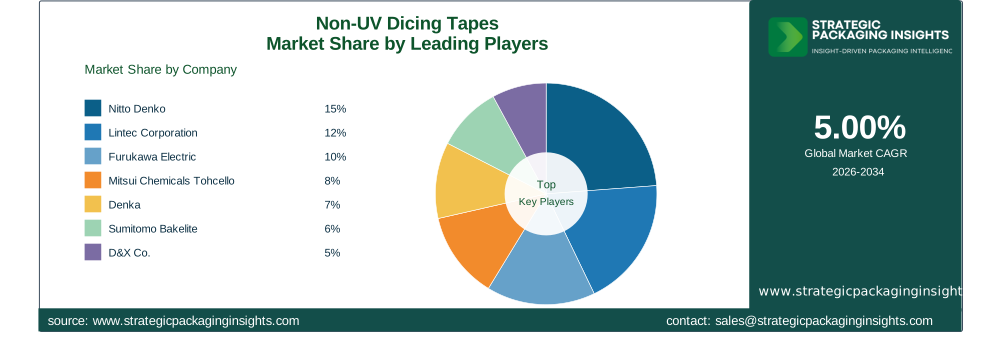
Nitto Denko holds a significant share of the market, known for its advanced dicing tape solutions that cater to a wide range of applications. The company's commitment to innovation and quality has earned it a strong reputation in the industry, making it a preferred choice for semiconductor manufacturers. Lintec Corporation is another major player, offering a diverse portfolio of dicing tapes that are designed to meet the specific requirements of various end-use industries. The company's focus on sustainability and eco-friendly practices has further strengthened its position in the market.
Furukawa Electric is renowned for its cutting-edge technology and high-performance dicing tapes that are widely used in semiconductor manufacturing. The company's emphasis on research and development has enabled it to introduce innovative products that address the challenges faced by the industry. Mitsui Chemicals Tohcello is also a prominent player, known for its comprehensive range of dicing tapes that offer superior performance and reliability. The company's strategic partnerships and collaborations have played a crucial role in expanding its market presence and enhancing its product offerings.
Other notable companies in the market include Denka, Sumitomo Bakelite, D&X Co., AI Technology, Ultron Systems, and KGK Chemical. These companies are actively engaged in developing new products and technologies to meet the growing demand for non-UV dicing tapes. Their focus on quality, innovation, and customer satisfaction has enabled them to establish a strong foothold in the market. As the market continues to evolve, these companies are expected to play a pivotal role in shaping its future trajectory and driving growth.
Key Highlights
- Market Size: Valued at USD 380 million in 2025, projected to reach USD 590 million by 2034.
- Growth Rate: Expected to grow at a CAGR of 5.00% during the forecast period.
- Leading Companies: Nitto Denko, Lintec Corporation, Furukawa Electric, Mitsui Chemicals Tohcello.
- Key Segments: Semiconductor Wafer Dicing, LED Dicing, MEMS, Discrete Components.
- Regional Insights: Asia Pacific is a major growth region, driven by local manufacturing capabilities.
- Sustainability Focus: Increasing emphasis on eco-friendly practices and recyclable materials.
- Technological Advancements: Rapid advancements in semiconductor technology driving demand.
Non-UV Dicing Tapes Market Segments Insights

By Base Material Analysis
The Non-UV Dicing Tapes market is segmented by base material into PVC, Polyolefin (PO), and PET. PVC is widely used due to its excellent durability and cost-effectiveness, making it a popular choice for various applications. However, the demand for Polyolefin is growing, driven by its superior flexibility and environmental benefits. PET is also gaining traction, particularly in applications requiring high tensile strength and thermal stability. Companies are focusing on developing innovative materials that offer enhanced performance and sustainability, catering to the evolving needs of the semiconductor industry.
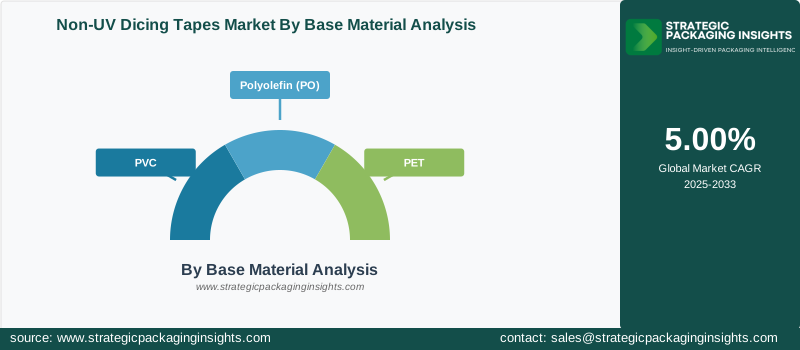
The choice of base material significantly influences the performance characteristics of dicing tapes, impacting factors such as adhesion, flexibility, and thermal resistance. As the market evolves, manufacturers are investing in research and development to create materials that meet the stringent requirements of modern semiconductor manufacturing processes. The emphasis on sustainability is also driving the adoption of eco-friendly materials, as companies seek to reduce their environmental impact and align with regulatory standards. This trend is expected to continue, shaping the future of the Non-UV Dicing Tapes market.
By Adhesive Type Analysis
The adhesive type is a critical factor in the performance of Non-UV Dicing Tapes, with options including acrylic adhesive and rubber-based adhesive. Acrylic adhesives are favored for their excellent adhesion properties and resistance to environmental factors, making them suitable for a wide range of applications. Rubber-based adhesives, on the other hand, offer superior flexibility and are often used in applications requiring high peel strength. The choice of adhesive type depends on the specific requirements of the application, with manufacturers offering a variety of options to meet diverse needs.
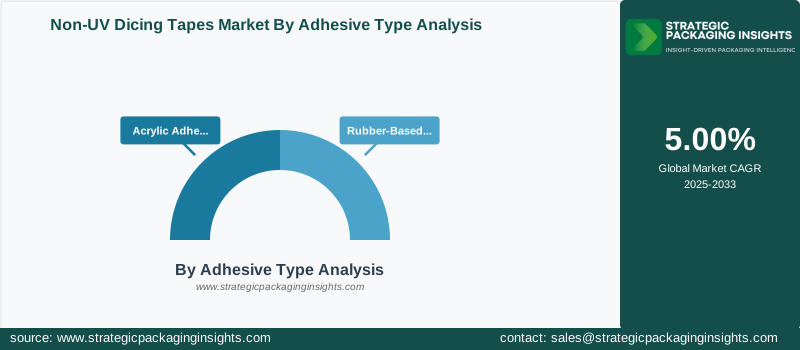
As the market grows, companies are focusing on developing adhesives that offer enhanced performance and sustainability. The integration of eco-friendly materials and the adoption of innovative adhesive technologies are becoming standard practices, driven by both regulatory pressures and consumer preferences. This trend is expected to drive growth in the Non-UV Dicing Tapes market, as manufacturers seek to offer products that meet the evolving needs of the semiconductor industry while minimizing environmental impact.
By Wafer Type Analysis
The Non-UV Dicing Tapes market is segmented by wafer type into silicon wafer, compound semiconductor (GaAs, SiC, GaN), and glass & ceramic substrates. Silicon wafers are the most commonly used, driven by their widespread application in the semiconductor industry. However, the demand for compound semiconductors is growing, fueled by the rise of advanced technologies such as 5G and IoT. Glass and ceramic substrates are also gaining traction, particularly in applications requiring high thermal stability and electrical insulation.
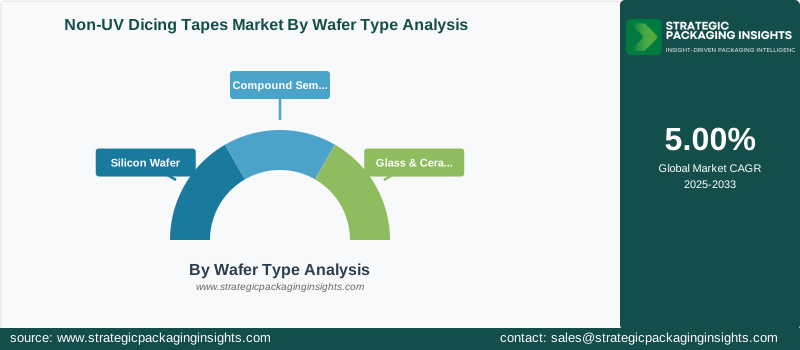
The choice of wafer type significantly influences the performance characteristics of dicing tapes, impacting factors such as adhesion, flexibility, and thermal resistance. As the market evolves, manufacturers are investing in research and development to create products that meet the stringent requirements of modern semiconductor manufacturing processes. The emphasis on sustainability is also driving the adoption of eco-friendly materials, as companies seek to reduce their environmental impact and align with regulatory standards. This trend is expected to continue, shaping the future of the Non-UV Dicing Tapes market.
By Application Analysis
The Non-UV Dicing Tapes market is segmented by application into semiconductor wafer dicing, LED dicing, MEMS, discrete components, and package dicing. Semiconductor wafer dicing is the largest segment, driven by the increasing demand for advanced semiconductor devices across various industries. LED dicing is also a significant segment, fueled by the growing adoption of LED technology in lighting and display applications. MEMS and discrete components are gaining traction, particularly in applications requiring miniaturized electronic components.
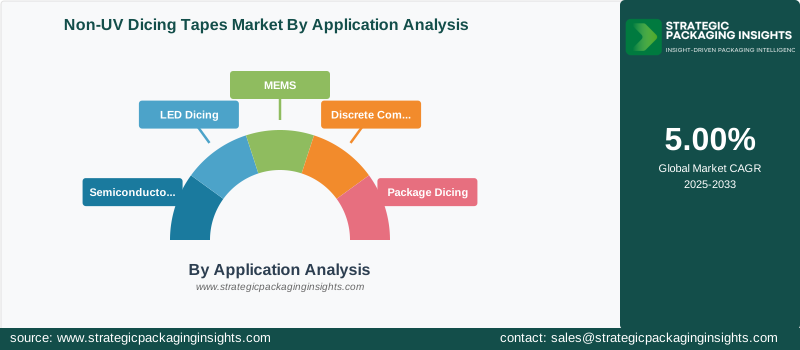
The choice of application significantly influences the performance characteristics of dicing tapes, impacting factors such as adhesion, flexibility, and thermal resistance. As the market evolves, manufacturers are investing in research and development to create products that meet the stringent requirements of modern semiconductor manufacturing processes. The emphasis on sustainability is also driving the adoption of eco-friendly materials, as companies seek to reduce their environmental impact and align with regulatory standards. This trend is expected to continue, shaping the future of the Non-UV Dicing Tapes market.
By End Use Analysis
The Non-UV Dicing Tapes market is segmented by end use into consumer electronics, automotive semiconductors, industrial, and telecommunications (5G). Consumer electronics is the largest segment, driven by the increasing demand for advanced electronic devices and miniaturized components. Automotive semiconductors are also a significant segment, fueled by the rise of electric vehicles and advanced driver-assistance systems (ADAS). The industrial and telecommunications segments are gaining traction, particularly in applications requiring high-performance semiconductor components.
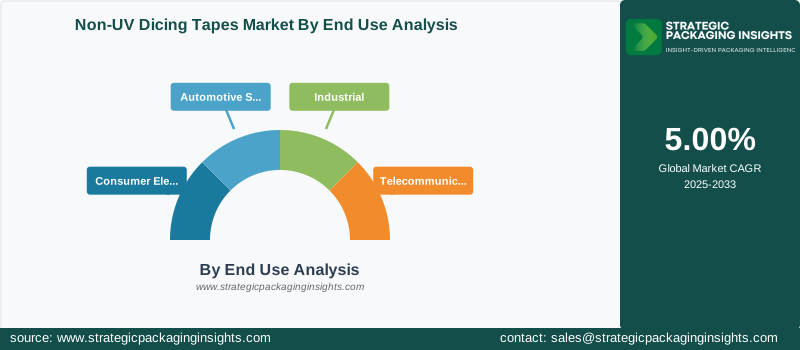
The choice of end use significantly influences the performance characteristics of dicing tapes, impacting factors such as adhesion, flexibility, and thermal resistance. As the market evolves, manufacturers are investing in research and development to create products that meet the stringent requirements of modern semiconductor manufacturing processes. The emphasis on sustainability is also driving the adoption of eco-friendly materials, as companies seek to reduce their environmental impact and align with regulatory standards. This trend is expected to continue, shaping the future of the Non-UV Dicing Tapes market.
Non-UV Dicing Tapes Market Segments
The Non-UV Dicing Tapes market has been segmented on the basis ofBy Base Material
- PVC
- Polyolefin (PO)
- PET
By Adhesive Type
- Acrylic Adhesive
- Rubber-Based Adhesive
By Wafer Type
- Silicon Wafer
- Compound Semiconductor (GaAs, SiC, GaN)
- Glass & Ceramic Substrates
By Application
- Semiconductor Wafer Dicing
- LED Dicing
- MEMS
- Discrete Components
- Package Dicing
By End Use
- Consumer Electronics
- Automotive Semiconductors
- Industrial
- Telecommunications (5G)
By Region
- North America (U.S., Canada, Mexico)
- Europe (Germany, UK, France, Italy, Spain, Rest of Europe)
- Asia Pacific (China, India, Japan, South Korea, Australia, Rest of Asia Pacific)
- Latin America (Brazil, Argentina, Rest of Latin America)
- Middle East & Africa (GCC Countries, South Africa, Rest of MEA)




