


Insulated Coolers Market Outlook
The Insulated Coolers market size was valued at USD 1.6 billion in 2025 and is anticipated to reach USD 2.6 billion by 2034, growing at a CAGR of 5.50% during the forecast period according to Strategic Packaging Insights. The market is witnessing significant growth driven by the increasing demand for outdoor recreational activities and the rising popularity of camping and hiking. Brands like YETI and Igloo are leading the charge with innovative product offerings that cater to the evolving needs of consumers. The demand for durable, high-performance coolers that can maintain temperature for extended periods is a key factor propelling market expansion.
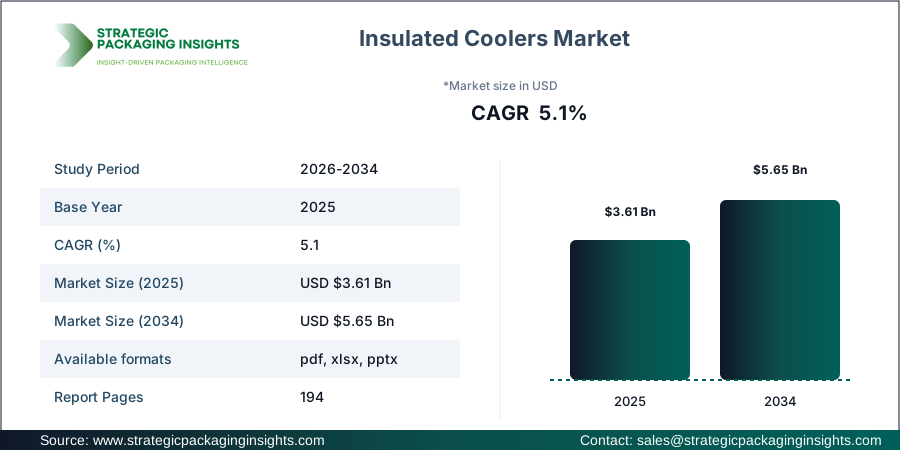
One of the most impactful drivers of the Insulated Coolers market is the growing consumer preference for outdoor leisure activities, which has been further amplified by the global trend towards health and wellness. According to recent reports, there is a notable increase in the number of people engaging in outdoor sports and recreational activities, which directly boosts the demand for portable cooling solutions. Additionally, the rise in disposable income and the trend of experiential travel are encouraging consumers to invest in high-quality coolers. Brands like Coleman and RTIC are capitalizing on this trend by offering a range of products that combine functionality with style, thus enhancing their market presence.
Report Scope
| Attributes | Details |
| Report Title | Insulated Coolers Market Size, Future Growth and Forecast 2034 |
| By Product | Hard Coolers, Soft Coolers, Electric / Powered Coolers, Cooler Bags & Backpacks |
| By Material | Rotomolded HDPE, Injection Molded Plastic, Fabric with Foam / PU Insulation, Metal |
| By Capacity | Below 25 Quart, 25-50 Quart, 50-100 Quart, Above 100 Quart |
| By End Use | Outdoor Recreation & Camping, Fishing & Hunting, Sports & Tailgating, Medical & Vaccine Transport, Food Delivery |
| By Region | North America (U.S., Canada, Mexico), Europe (Germany, UK, France, Italy, Spain, Rest of Europe), Asia Pacific (China, India, Japan, South Korea, Australia, Rest of Asia Pacific), Latin America (Brazil, Argentina, Rest of Latin America), Middle East & Africa (GCC Countries, South Africa, Rest of MEA) |
| Base Year | 2025 |
| Historic Period | 2018-2024 |
| Forecast Period | 2026-2034 |
| Number of Pages | 139 |
| Customization Available | Yes* |
Sustainability & Circular Economy Analysis
Sustainability initiatives are increasingly shaping the Insulated Coolers market, as consumers and manufacturers alike prioritize eco-friendly practices. The use of recyclable materials and the development of reusable packaging solutions are becoming standard in the industry. Companies like Pelican and ORCA are leading the way by incorporating sustainable materials into their product lines, thereby reducing their carbon footprint and appealing to environmentally conscious consumers. This shift towards sustainability is not only a response to consumer demand but also a strategic move to comply with stringent packaging regulations and extended producer responsibility (EPR) mandates.
The influence of circular economy practices is evident in the design and manufacturing processes of insulated coolers. Lightweight packaging and eco-friendly material innovations are at the forefront, as manufacturers strive to minimize waste and enhance product lifecycle. This focus on sustainability is driving investment decisions and shaping supply chain strategies, as companies seek to align with ESG initiatives and reduce their environmental impact. The integration of waste reduction strategies into production processes is also enhancing the long-term competitiveness of brands like Dometic and Stanley.
Consumer preferences for sustainable products are prompting manufacturers to innovate and adapt. The emphasis on reducing the carbon footprint and adhering to packaging regulations is influencing the overall market dynamics. As a result, companies are investing in research and development to create products that meet these evolving standards. This trend is expected to continue, with sustainability becoming a key differentiator in the market, influencing everything from packaging design to regulatory compliance and supply chain management.
Packaging Value Chain & Supply Chain Analysis
The packaging value chain for insulated coolers is complex, involving multiple stakeholders from raw material sourcing to end-user delivery. Raw material availability, particularly for high-quality plastics and insulation materials, plays a crucial role in determining production capabilities and market performance. Companies like Bison Coolers and AO Coolers are focusing on securing reliable sources of materials to ensure consistent product quality and supply chain resilience. Strategic partnerships with suppliers and logistics providers are essential to maintaining efficient distribution channels and meeting consumer demand.
Packaging converters and manufacturers are pivotal in transforming raw materials into finished products. The use of advanced packaging machinery and technology is enhancing production efficiency and enabling manufacturers to meet the growing demand for insulated coolers. Logistics and distribution channels are equally important, as they ensure timely delivery to retailers and consumers. Companies are increasingly adopting localization strategies to reduce transportation costs and improve supply chain efficiency, thereby enhancing their competitive edge in the market.
Recycling networks and procurement strategies are integral to the supply chain ecosystem, as they support sustainability goals and regulatory compliance. Inventory management and supply chain resilience are critical factors influencing market dynamics, as companies strive to balance cost efficiency with product availability. Global sourcing strategies are being adopted by leading brands to mitigate risks associated with raw material shortages and geopolitical uncertainties. This comprehensive approach to supply chain management is vital for maintaining market competitiveness and ensuring long-term growth.
Opportunities & Threats
The Insulated Coolers market presents numerous opportunities for growth, driven by the increasing demand for portable cooling solutions in outdoor recreation and sports activities. The rise in adventure tourism and the growing popularity of camping and hiking are creating a robust market for high-performance coolers. Companies like YETI and Igloo are well-positioned to capitalize on these trends by offering innovative products that cater to the needs of outdoor enthusiasts. Additionally, the expansion of e-commerce platforms is providing manufacturers with new avenues to reach a broader consumer base, further boosting market growth.
Technological advancements in cooler design and materials are opening up new opportunities for market players. The development of electric and powered coolers, which offer enhanced cooling capabilities and convenience, is gaining traction among consumers. Brands like Dometic and Pelican are investing in research and development to create products that incorporate the latest technology, thereby differentiating themselves in the competitive market. Furthermore, the increasing focus on sustainability and eco-friendly products is driving innovation in material selection and manufacturing processes, offering additional growth prospects for companies committed to environmental responsibility.
Despite the positive growth outlook, the Insulated Coolers market faces several challenges that could hinder its expansion. One of the primary threats is the volatility in raw material prices, which can impact production costs and profit margins. Additionally, the market is highly competitive, with numerous players vying for market share, leading to price wars and reduced profitability. Regulatory compliance and environmental concerns also pose significant challenges, as companies must navigate complex regulations and invest in sustainable practices to meet consumer expectations and legal requirements.
Drivers & Challenges
The Insulated Coolers market is driven by several key factors, including the increasing demand for outdoor recreational activities and the growing trend of experiential travel. Consumers are seeking high-quality, durable coolers that can withstand harsh outdoor conditions and maintain temperature for extended periods. Brands like Coleman and RTIC are responding to this demand by offering a range of products that combine functionality with style, thereby enhancing their market presence. The rise in disposable income and the shift towards health and wellness are also contributing to market growth, as more people engage in outdoor sports and leisure activities.
Technological advancements in cooler design and materials are further driving market growth. The development of electric and powered coolers, which offer enhanced cooling capabilities and convenience, is gaining traction among consumers. Companies like Dometic and Pelican are investing in research and development to create products that incorporate the latest technology, thereby differentiating themselves in the competitive market. Additionally, the increasing focus on sustainability and eco-friendly products is driving innovation in material selection and manufacturing processes, offering additional growth prospects for companies committed to environmental responsibility.
However, the market also faces several challenges that could hinder its expansion. One of the primary challenges is the volatility in raw material prices, which can impact production costs and profit margins. Additionally, the market is highly competitive, with numerous players vying for market share, leading to price wars and reduced profitability. Regulatory compliance and environmental concerns also pose significant challenges, as companies must navigate complex regulations and invest in sustainable practices to meet consumer expectations and legal requirements.
Market Share Analysis
The competitive landscape of the Insulated Coolers market is characterized by the presence of several key players, each striving to capture a significant share of the market. Companies like YETI, Igloo, and Coleman (Newell) are leading the market with their innovative product offerings and strong brand recognition. These companies have established themselves as leaders by consistently delivering high-quality products that meet the evolving needs of consumers. Their focus on research and development, coupled with strategic marketing initiatives, has enabled them to maintain a competitive edge in the market.
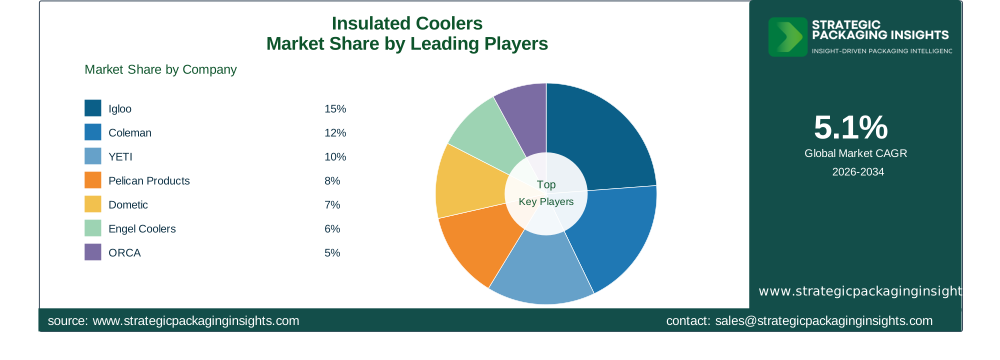
YETI is renowned for its premium coolers that offer exceptional durability and performance. The company's commitment to innovation and quality has earned it a loyal customer base and a strong market position. Igloo, on the other hand, is known for its affordable yet reliable coolers that cater to a wide range of consumers. The company's extensive product portfolio and strong distribution network have contributed to its success in the market. Coleman (Newell) is another major player, offering a diverse range of coolers that combine functionality with affordability, making them a popular choice among consumers.
RTIC and Pelican are also significant players in the Insulated Coolers market, known for their high-performance products that cater to outdoor enthusiasts. RTIC's focus on direct-to-consumer sales and competitive pricing has helped it gain a substantial market share. Pelican, with its emphasis on durability and innovation, has carved out a niche in the market, appealing to consumers who prioritize quality and performance. Other notable companies include ORCA, Dometic, Stanley (PMI), Bison Coolers, and AO Coolers, each contributing to the market's growth with their unique product offerings and strategic initiatives.
The market is highly competitive, with companies constantly striving to differentiate themselves through product innovation, marketing strategies, and customer engagement. The focus on sustainability and eco-friendly products is becoming increasingly important, as consumers demand environmentally responsible solutions. Companies that can effectively balance quality, performance, and sustainability are likely to succeed in this dynamic market. The ongoing investment in research and development, coupled with strategic partnerships and collaborations, will play a crucial role in shaping the future of the Insulated Coolers market.
Key Highlights
- Market Size: The Insulated Coolers market was valued at USD 1.6 billion in 2025 and is projected to reach USD 2.6 billion by 2034.
- Growth Rate: The market is expected to grow at a CAGR of 5.50% during the forecast period.
- Leading Brands: YETI, Igloo, and Coleman are among the top players driving market growth.
- Product Innovation: Electric and powered coolers are gaining popularity due to their enhanced cooling capabilities.
- Sustainability Focus: Companies are increasingly adopting eco-friendly materials and practices.
- Regional Insights: North America and Europe are key markets, with significant growth potential in Asia Pacific.
- Consumer Trends: Rising demand for outdoor recreational activities is boosting market growth.
Insulated Coolers Market Segments Insights

By Product Analysis
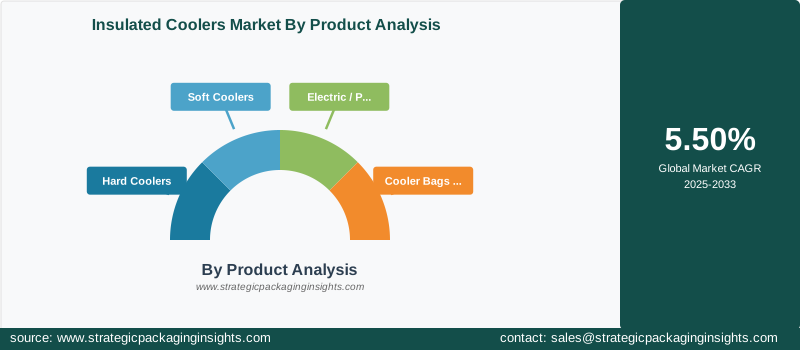
The Insulated Coolers market is segmented by product type, including Hard Coolers, Soft Coolers, Electric / Powered Coolers, and Cooler Bags & Backpacks. Hard Coolers are known for their durability and ability to maintain temperature for extended periods, making them a popular choice for outdoor enthusiasts. Brands like YETI and Pelican are leading this segment with their high-performance offerings. Soft Coolers, on the other hand, are favored for their portability and lightweight design, appealing to consumers who prioritize convenience. The Electric / Powered Coolers segment is witnessing significant growth, driven by technological advancements and the increasing demand for enhanced cooling capabilities. Cooler Bags & Backpacks are gaining traction among consumers seeking versatile and easy-to-carry solutions for picnics and short trips.
Competition within the product segments is intense, with companies striving to differentiate themselves through innovation and design. The demand for high-quality, durable coolers that offer superior insulation is driving manufacturers to invest in research and development. Consumer preferences for products that combine functionality with style are influencing market dynamics, as brands seek to cater to the evolving needs of their target audience. The focus on sustainability and eco-friendly materials is also shaping product development, as companies aim to meet regulatory requirements and consumer expectations.
By Material Analysis
The material segment of the Insulated Coolers market includes Rotomolded HDPE, Injection Molded Plastic, Fabric with Foam / PU Insulation, and Metal. Rotomolded HDPE is favored for its strength and durability, making it a preferred choice for high-performance coolers. Companies like YETI and RTIC are leveraging this material to offer products that withstand harsh outdoor conditions. Injection Molded Plastic is popular for its cost-effectiveness and versatility, allowing manufacturers to produce a wide range of cooler designs. Fabric with Foam / PU Insulation is gaining popularity for its lightweight and flexible properties, appealing to consumers seeking portable solutions.
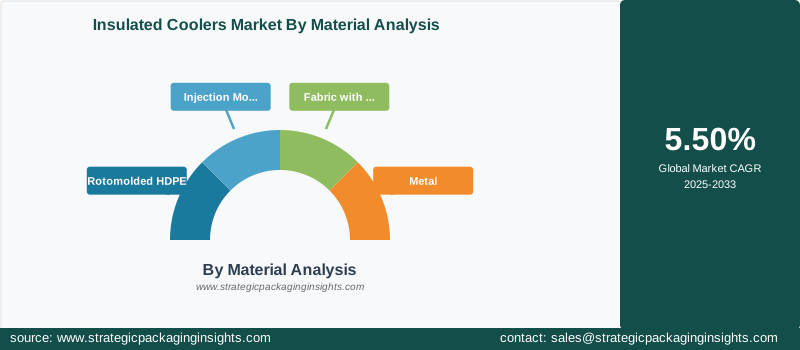
Metal coolers, known for their durability and classic design, are also a significant segment, catering to consumers who prioritize aesthetics and longevity. The choice of material plays a crucial role in determining the performance and price of insulated coolers, influencing consumer purchasing decisions. Manufacturers are increasingly focusing on material innovation to enhance product performance and sustainability. The integration of eco-friendly materials and sustainable manufacturing practices is becoming a key differentiator in the market, as companies aim to reduce their environmental impact and comply with regulatory standards.
By Capacity Analysis
The Insulated Coolers market is segmented by capacity, including Below 25 Quart, 25-50 Quart, 50-100 Quart, and Above 100 Quart. The Below 25 Quart segment is popular among consumers seeking compact and portable solutions for personal use. The 25-50 Quart segment is favored for its versatility, catering to a wide range of outdoor activities and group sizes. The 50-100 Quart segment is known for its ability to accommodate larger quantities, making it ideal for extended trips and group outings. The Above 100 Quart segment is designed for heavy-duty use, appealing to consumers who require maximum storage capacity for long-duration activities.
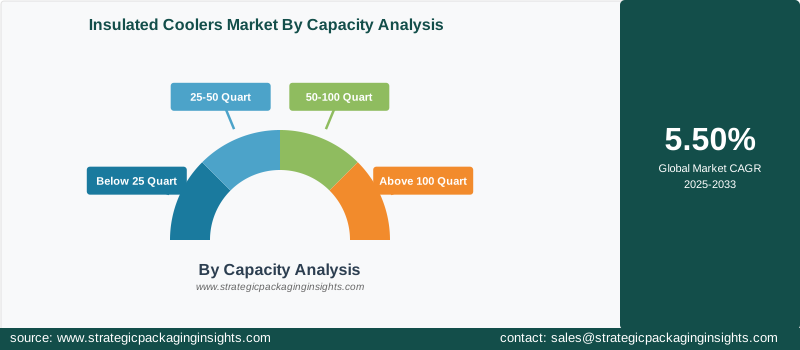
Consumer demand for coolers with varying capacities is driving manufacturers to offer a diverse range of products that cater to different needs and preferences. The focus on enhancing insulation performance and durability is influencing product development, as companies aim to provide solutions that meet the demands of outdoor enthusiasts. The integration of advanced cooling technologies and innovative design features is also shaping market dynamics, as brands seek to differentiate themselves in a competitive landscape. The emphasis on sustainability and eco-friendly materials is further driving innovation in this segment, as companies strive to meet consumer expectations and regulatory requirements.
By End Use Analysis
The Insulated Coolers market is segmented by end use, including Outdoor Recreation & Camping, Fishing & Hunting, Sports & Tailgating, Medical & Vaccine Transport, and Food Delivery. The Outdoor Recreation & Camping segment is a major driver of market growth, as consumers seek reliable cooling solutions for their adventures. Brands like Coleman and Igloo are capitalizing on this trend by offering products that cater to the needs of outdoor enthusiasts. The Fishing & Hunting segment is also significant, with consumers demanding durable coolers that can withstand rugged conditions.
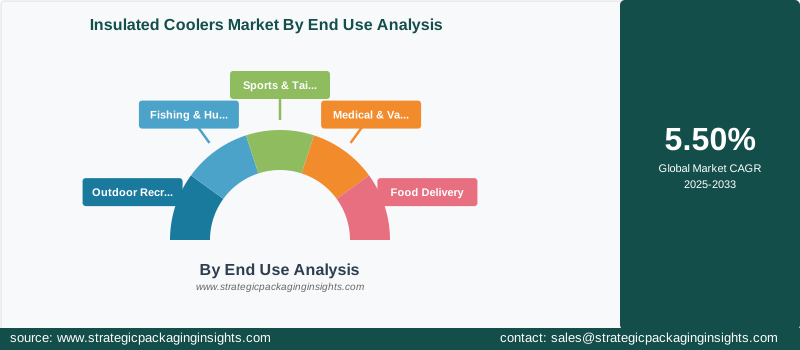
The Sports & Tailgating segment is witnessing growth, driven by the increasing popularity of outdoor sports and events. The Medical & Vaccine Transport segment is gaining importance, as the need for reliable temperature control solutions in healthcare logistics becomes more critical. The Food Delivery segment is also expanding, with the rise of online food delivery services and the demand for insulated solutions to maintain food quality. Manufacturers are focusing on developing products that meet the specific requirements of each end-use segment, enhancing their market presence and competitiveness.
Insulated Coolers Market Segments
The Insulated Coolers market has been segmented on the basis ofBy Product
- Hard Coolers
- Soft Coolers
- Electric / Powered Coolers
- Cooler Bags & Backpacks
By Material
- Rotomolded HDPE
- Injection Molded Plastic
- Fabric with Foam / PU Insulation
- Metal
By Capacity
- Below 25 Quart
- 25-50 Quart
- 50-100 Quart
- Above 100 Quart
By End Use
- Outdoor Recreation & Camping
- Fishing & Hunting
- Sports & Tailgating
- Medical & Vaccine Transport
- Food Delivery
By Region
- North America (U.S., Canada, Mexico)
- Europe (Germany, UK, France, Italy, Spain, Rest of Europe)
- Asia Pacific (China, India, Japan, South Korea, Australia, Rest of Asia Pacific)
- Latin America (Brazil, Argentina, Rest of Latin America)
- Middle East & Africa (GCC Countries, South Africa, Rest of MEA)




