


HAZMAT Labels Market Outlook
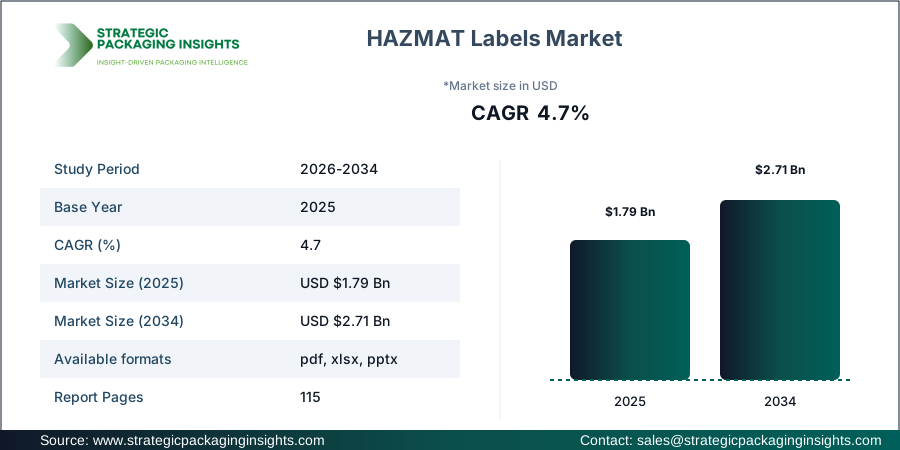
The HAZMAT Labels market size was valued at USD 1.79 billion in 2025 and is anticipated to reach USD 2.71 billion by 2034, growing at a CAGR of 4.7% during the forecast period according to Strategic Packaging Insights. Brady Corporation and Avery Dennison are among the key players driving this growth, leveraging their extensive product portfolios and innovative labeling solutions to meet the increasing demand for safety and compliance in hazardous material handling. The market's expansion is fueled by stringent regulatory requirements and the growing awareness of workplace safety, which necessitates the use of clear and durable labeling solutions to prevent accidents and ensure compliance with international standards.
One of the most impactful drivers of the HAZMAT Labels market is the increasing regulatory pressure from government bodies worldwide. For instance, the Globally Harmonized System of Classification and Labelling of Chemicals (GHS) has been adopted by numerous countries, mandating standardized labeling for hazardous materials. This regulatory framework aims to enhance safety and facilitate international trade by ensuring consistent hazard communication. As a result, companies like CCL Industries and 3M are investing in advanced labeling technologies to comply with these regulations and capture a larger market share. The emphasis on safety and compliance is expected to continue driving the demand for HAZMAT labels, as industries prioritize risk mitigation and regulatory adherence.
Report Scope
| Attributes | Details |
| Report Title | HAZMAT Labels Market Size, Future Growth and Forecast 2034 |
| Label Type | Chemical Labels, GHS Labels, Warning Labels, Transport Labels |
| Material Type | Paper, Polyester, Vinyl, Polypropylene |
| Application | Chemical Packaging, Drum Labeling, Warehouse Safety, Transport Compliance |
| End Use | Chemicals, Logistics, Oil & Gas, Manufacturing |
| Region | Asia Pacific, North America, Latin America, Europe, Middle East & Africa |
| Base Year | 2025 |
| Historic Period | 2018-2024 |
| Forecast Period | 2026-2034 |
| Number of Pages | 115 |
| Customization Available | Yes* |
Sustainability & Circular Economy Analysis
Sustainability initiatives are increasingly shaping the HAZMAT Labels market, as companies strive to reduce their environmental impact and align with circular economy principles. The use of recyclable materials and eco-friendly inks in label production is gaining traction, driven by consumer demand for sustainable packaging solutions. Companies like Avery Dennison are leading the charge by developing labels made from recycled content and promoting closed-loop recycling systems. These efforts not only reduce waste but also enhance brand reputation and customer loyalty, as consumers increasingly prioritize sustainability in their purchasing decisions.
In addition to material innovation, the adoption of lightweight packaging and reusable labeling solutions is becoming more prevalent. This trend is particularly significant in the logistics and transportation sectors, where reducing packaging weight can lead to significant cost savings and carbon footprint reduction. By investing in lightweight and durable label materials, companies can improve supply chain efficiency and reduce environmental impact. Furthermore, extended producer responsibility (EPR) regulations are encouraging manufacturers to take greater accountability for the lifecycle of their products, prompting investments in sustainable labeling solutions.
As sustainability becomes a key differentiator in the market, companies are also focusing on waste reduction strategies and ESG initiatives. By optimizing production processes and minimizing waste, manufacturers can achieve cost savings and enhance their competitive edge. Regulatory compliance is another critical factor, as governments worldwide implement stricter packaging regulations to address environmental concerns. Companies that proactively adopt sustainable practices and comply with these regulations are better positioned to succeed in the long term, as they can mitigate risks and capitalize on emerging market opportunities.
Packaging Value Chain & Supply Chain Analysis
The packaging value chain for HAZMAT labels involves multiple stakeholders, from raw material suppliers to end-users. Raw material sourcing is a critical component, as the availability and cost of materials like paper, polyester, and vinyl directly impact production capabilities and pricing strategies. Packaging converters and manufacturers play a pivotal role in transforming these materials into finished labels, utilizing advanced machinery and printing technologies to meet quality and compliance standards. Companies like Zebra Technologies and SATO are investing in state-of-the-art production facilities to enhance their manufacturing capabilities and meet the growing demand for HAZMAT labels.
Logistics and distribution channels are essential for ensuring the timely delivery of HAZMAT labels to customers across various industries. Efficient transportation and inventory management strategies are crucial for maintaining supply chain resilience and minimizing disruptions. Strategic partnerships with logistics providers and distributors can enhance market reach and improve service levels, enabling companies to better serve their clients in the chemicals, logistics, oil & gas, and manufacturing sectors. As the market becomes increasingly competitive, companies are focusing on optimizing their supply chain operations to reduce costs and improve customer satisfaction.
Recycling networks and procurement strategies are also integral to the packaging value chain, as companies seek to enhance sustainability and reduce environmental impact. By collaborating with recycling partners and adopting sustainable procurement practices, manufacturers can minimize waste and promote circular economy principles. Localization and global sourcing strategies are becoming more prevalent, as companies aim to balance cost efficiency with supply chain resilience. By diversifying their supplier base and investing in local production capabilities, companies can mitigate risks associated with geopolitical tensions and supply chain disruptions, ensuring a steady supply of materials and components.
Opportunities & Threats
The HAZMAT Labels market presents several opportunities for growth, driven by the increasing demand for safety and compliance solutions across various industries. The adoption of advanced labeling technologies, such as RFID and smart labels, offers significant potential for enhancing traceability and improving supply chain efficiency. Companies that invest in these technologies can differentiate themselves in the market and capture a larger share of the growing demand for intelligent labeling solutions. Additionally, the expansion of e-commerce and global trade is creating new opportunities for HAZMAT label manufacturers, as the need for secure and compliant packaging solutions becomes more critical.
Another opportunity lies in the development of eco-friendly and sustainable labeling solutions, as environmental concerns continue to shape consumer preferences and regulatory requirements. Companies that prioritize sustainability and invest in green technologies can enhance their brand reputation and attract environmentally conscious customers. The growing emphasis on circular economy principles and extended producer responsibility (EPR) regulations further underscores the importance of sustainable practices in the HAZMAT Labels market. By aligning with these trends, companies can capitalize on emerging market opportunities and drive long-term growth.
Despite the promising opportunities, the HAZMAT Labels market faces several threats that could hinder growth. One of the primary challenges is the volatility of raw material prices, which can impact production costs and profit margins. Fluctuations in the availability and cost of materials like paper, polyester, and vinyl can create uncertainties for manufacturers, necessitating strategic procurement and inventory management strategies. Additionally, the market is subject to stringent regulatory requirements, which can pose compliance challenges and increase operational costs. Companies must stay abreast of evolving regulations and invest in compliance solutions to mitigate these risks and maintain their competitive edge.
Drivers & Challenges
The HAZMAT Labels market is driven by several key factors, including the increasing emphasis on safety and compliance in hazardous material handling. Regulatory frameworks like the Globally Harmonized System of Classification and Labelling of Chemicals (GHS) are mandating standardized labeling practices, driving demand for high-quality and durable labeling solutions. Companies like Brady Corporation and Avery Dennison are leveraging their expertise in labeling technologies to meet these requirements and capture a larger market share. The growing awareness of workplace safety and the need to prevent accidents further underscore the importance of HAZMAT labels in ensuring compliance and protecting workers.
Technological advancements are also playing a crucial role in driving the HAZMAT Labels market. The adoption of digital printing technologies and smart labeling solutions is enabling manufacturers to enhance label quality and functionality, offering greater customization and traceability. Companies that invest in these technologies can differentiate themselves in the market and meet the evolving needs of their customers. Additionally, the expansion of e-commerce and global trade is creating new opportunities for HAZMAT label manufacturers, as the demand for secure and compliant packaging solutions continues to grow.
However, the market also faces several challenges that could impact growth. One of the primary challenges is the volatility of raw material prices, which can affect production costs and profit margins. Fluctuations in the availability and cost of materials like paper, polyester, and vinyl can create uncertainties for manufacturers, necessitating strategic procurement and inventory management strategies. Additionally, the market is subject to stringent regulatory requirements, which can pose compliance challenges and increase operational costs. Companies must stay abreast of evolving regulations and invest in compliance solutions to mitigate these risks and maintain their competitive edge.
Market Share Analysis
The competitive landscape of the HAZMAT Labels market is characterized by the presence of several key players, each striving to capture a larger share of the growing demand for safety and compliance solutions. Companies like Brady Corporation, Avery Dennison, and CCL Industries are leading the market, leveraging their extensive product portfolios and innovative labeling technologies to meet the diverse needs of their customers. These companies are investing in research and development to enhance their product offerings and maintain their competitive edge in the market.
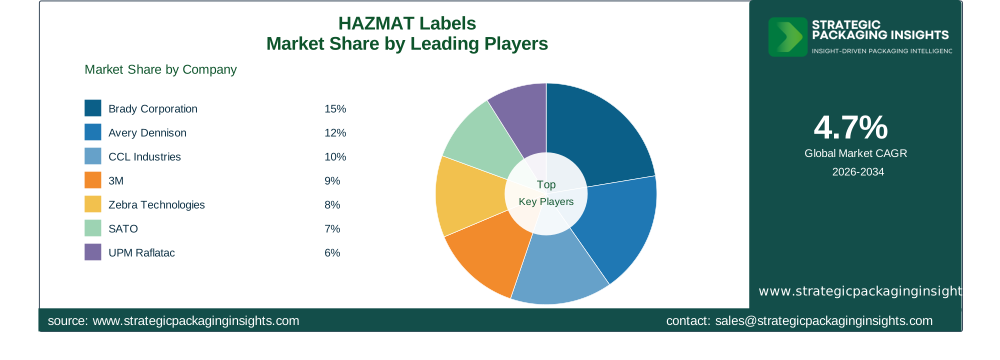
Brady Corporation is a prominent player in the HAZMAT Labels market, known for its high-quality labeling solutions and commitment to safety and compliance. The company offers a wide range of products, including chemical labels, GHS labels, and transport labels, designed to meet the stringent requirements of various industries. Avery Dennison is another key player, renowned for its innovative labeling technologies and sustainable practices. The company is focused on developing eco-friendly labeling solutions and promoting circular economy principles, aligning with the growing demand for sustainable packaging solutions.
CCL Industries is a leading provider of labeling solutions, offering a comprehensive range of products for the HAZMAT Labels market. The company is known for its advanced printing technologies and commitment to quality, ensuring that its labels meet the highest standards of safety and compliance. 3M is also a major player in the market, recognized for its expertise in labeling technologies and commitment to innovation. The company is focused on developing smart labeling solutions that enhance traceability and improve supply chain efficiency, catering to the evolving needs of its customers.
Zebra Technologies and SATO are also significant players in the HAZMAT Labels market, known for their advanced printing technologies and commitment to quality. These companies are investing in state-of-the-art production facilities and expanding their product offerings to meet the growing demand for HAZMAT labels. UPM Raflatac, HERMA, Resource Label Group, and Seton are other notable players in the market, each contributing to the competitive landscape with their unique product offerings and commitment to safety and compliance.
Key Highlights
- Market Size: The HAZMAT Labels market was valued at USD 1.79 billion in 2025 and is projected to reach USD 2.71 billion by 2034.
- Growth Rate: The market is expected to grow at a CAGR of 4.7% during the forecast period.
- Key Players: Major companies include Brady Corporation, Avery Dennison, CCL Industries, and 3M.
- Label Types: Chemical Labels, GHS Labels, Warning Labels, and Transport Labels are prominent segments.
- Material Innovation: Increasing use of recyclable and eco-friendly materials in label production.
- Regulatory Compliance: Stringent regulations like GHS are driving demand for standardized labeling solutions.
- Regional Insights: Asia Pacific is expected to witness significant growth due to industrial expansion and regulatory developments.
HAZMAT Labels Market Segments Insights

Label Type Analysis
The HAZMAT Labels market is segmented by label type, including Chemical Labels, GHS Labels, Warning Labels, and Transport Labels. Chemical Labels are essential for identifying hazardous substances and ensuring compliance with safety regulations. The demand for these labels is driven by the increasing emphasis on workplace safety and the need to prevent accidents. GHS Labels, which adhere to the Globally Harmonized System of Classification and Labelling of Chemicals, are gaining traction as more countries adopt this standardized labeling framework. Companies like Brady Corporation and Avery Dennison are investing in advanced labeling technologies to meet these regulatory requirements and capture a larger market share.
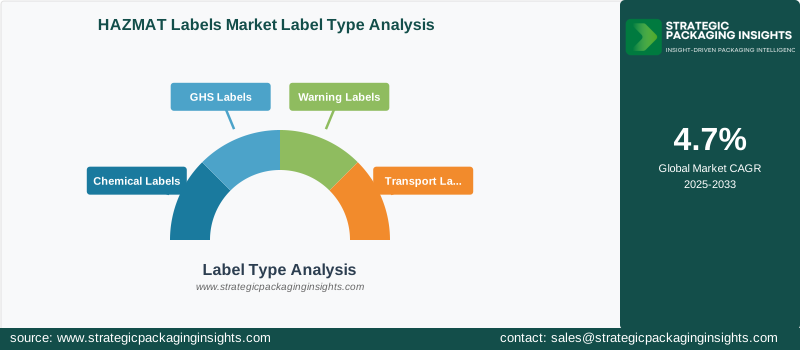
Warning Labels play a crucial role in alerting workers and consumers to potential hazards, ensuring that safety precautions are taken. The demand for these labels is driven by the growing awareness of workplace safety and the need to comply with international safety standards. Transport Labels are also a significant segment, as they are essential for ensuring the safe and compliant transportation of hazardous materials. The expansion of global trade and the increasing emphasis on supply chain safety are driving the demand for transport labels, as companies prioritize risk mitigation and regulatory compliance.
Material Type Analysis
The HAZMAT Labels market is also segmented by material type, including Paper, Polyester, Vinyl, and Polypropylene. Paper labels are widely used due to their cost-effectiveness and versatility, making them a popular choice for various applications. However, the demand for durable and weather-resistant materials like Polyester and Vinyl is increasing, driven by the need for labels that can withstand harsh environmental conditions. Companies like CCL Industries and 3M are investing in advanced material technologies to enhance the durability and performance of their labels, catering to the evolving needs of their customers.
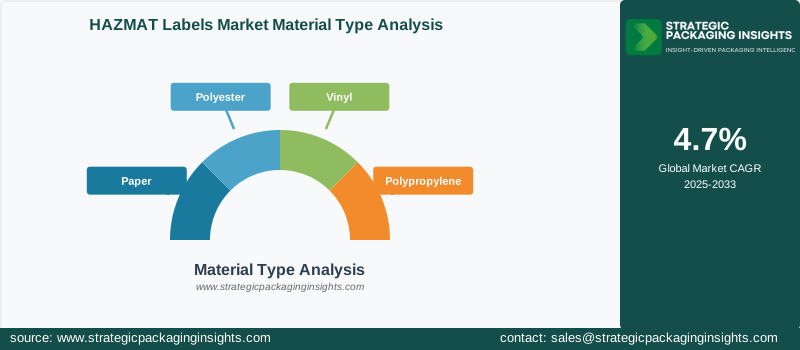
Polypropylene is another significant material segment, known for its strength and resistance to chemicals and moisture. The demand for polypropylene labels is driven by the increasing emphasis on safety and compliance in industries like chemicals, logistics, and oil & gas. As companies prioritize risk mitigation and regulatory adherence, the demand for high-quality and durable labeling solutions is expected to grow. The focus on material innovation and sustainability is also shaping the market, as companies invest in eco-friendly materials and production processes to reduce their environmental impact.
Application Analysis
The HAZMAT Labels market is segmented by application, including Chemical Packaging, Drum Labeling, Warehouse Safety, and Transport Compliance. Chemical Packaging is a significant application segment, as labels play a crucial role in identifying hazardous substances and ensuring compliance with safety regulations. The demand for these labels is driven by the increasing emphasis on workplace safety and the need to prevent accidents. Drum Labeling is another important application, as it involves the labeling of large containers used for storing and transporting hazardous materials. The demand for drum labels is driven by the expansion of global trade and the increasing emphasis on supply chain safety.
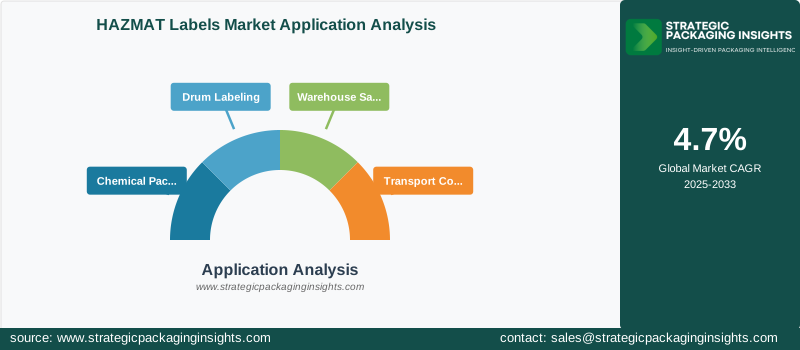
Warehouse Safety is a growing application segment, as companies prioritize risk mitigation and regulatory compliance in their operations. Labels play a crucial role in alerting workers to potential hazards and ensuring that safety precautions are taken. Transport Compliance is also a significant application, as labels are essential for ensuring the safe and compliant transportation of hazardous materials. The expansion of e-commerce and global trade is driving the demand for transport compliance labels, as companies prioritize risk mitigation and regulatory adherence in their supply chain operations.
End Use Analysis
The HAZMAT Labels market is segmented by end use, including Chemicals, Logistics, Oil & Gas, and Manufacturing. The Chemicals industry is a major end-user of HAZMAT labels, as the identification and labeling of hazardous substances are critical for ensuring safety and compliance. The demand for these labels is driven by the increasing emphasis on workplace safety and the need to prevent accidents. The Logistics industry is another significant end-user, as labels play a crucial role in ensuring the safe and compliant transportation of hazardous materials. The expansion of global trade and the increasing emphasis on supply chain safety are driving the demand for logistics labels.
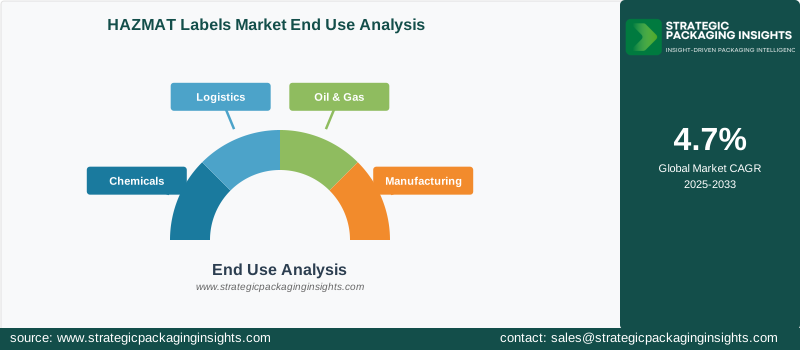
The Oil & Gas industry is also a key end-user of HAZMAT labels, as the identification and labeling of hazardous substances are critical for ensuring safety and compliance. The demand for these labels is driven by the increasing emphasis on workplace safety and the need to prevent accidents. The Manufacturing industry is another significant end-user, as labels play a crucial role in ensuring the safe and compliant handling of hazardous materials. The focus on safety and compliance is expected to continue driving the demand for HAZMAT labels, as industries prioritize risk mitigation and regulatory adherence.
HAZMAT Labels Market Segments
The HAZMAT Labels market has been segmented on the basis ofLabel Type
- Chemical Labels
- GHS Labels
- Warning Labels
- Transport Labels
Material Type
- Paper
- Polyester
- Vinyl
- Polypropylene
Application
- Chemical Packaging
- Drum Labeling
- Warehouse Safety
- Transport Compliance
End Use
- Chemicals
- Logistics
- Oil & Gas
- Manufacturing
Region
- Asia Pacific
- North America
- Latin America
- Europe
- Middle East & Africa




