


Glass Cosmetic Bottles Market Outlook
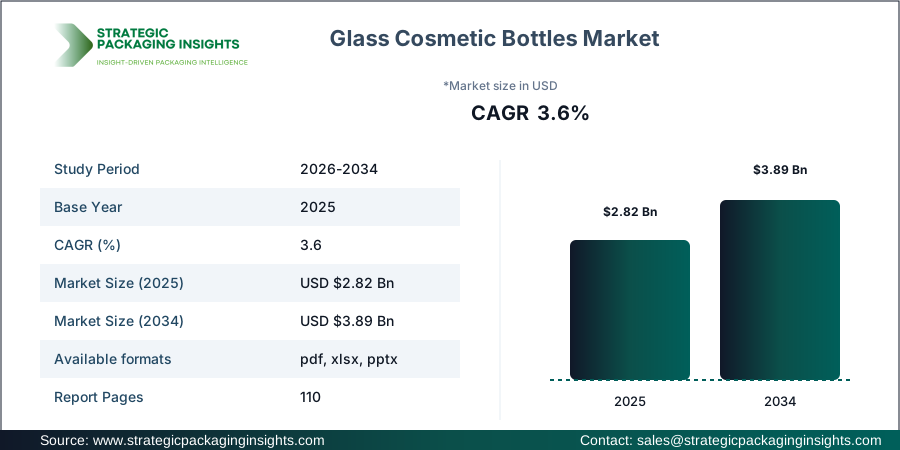
The Glass Cosmetic Bottles market was valued at $2.82 billion in 2025 and is projected to reach $3.89 billion by 2034, growing at a CAGR of 3.6% during the forecast period 2026-2034. This market is driven by the increasing demand for sustainable and eco-friendly packaging solutions in the beauty and personal care industry. Glass, being a recyclable material, is gaining traction among manufacturers and consumers alike, who are becoming more environmentally conscious. The rise in disposable income and changing consumer preferences towards premium and luxury cosmetic products are also contributing to the growth of this market. Additionally, the aesthetic appeal and superior quality of glass bottles make them a preferred choice for high-end cosmetic brands, further fueling market expansion.
However, the market faces certain challenges that could hinder its growth potential. The high cost of glass compared to plastic alternatives is a significant restraint, as it affects the overall pricing strategy of cosmetic products. Moreover, the fragility of glass poses logistical challenges, increasing the risk of breakage during transportation and handling. Despite these challenges, the market holds substantial growth potential due to the increasing trend of personalization and customization in cosmetic packaging. Brands are focusing on unique and innovative designs to attract consumers, which is expected to drive demand for glass cosmetic bottles in the coming years.
Report Scope
| Attributes | Details |
| Report Title | Glass Cosmetic Bottles Market Size, Future Growth and Forecast 2034 |
| Product Type | Perfume Bottles, Skincare Bottles, Serum Bottles, Lotion Bottles |
| Glass Type | Clear Glass, Colored Glass, Frosted Glass |
| Capacity | Below 30 ml, 30–100 ml, Above 100 ml |
| End Use | Premium Cosmetics, Fragrances, Skincare Brands |
| Region | Asia Pacific, North America, Latin America, Europe, Middle East & Africa |
| Base Year | 2025 |
| Historic Period | 2018-2024 |
| Forecast Period | 2026-2034 |
| Number of Pages | 110 |
| Customization Available | Yes* |
Opportunities & Threats
The Glass Cosmetic Bottles market presents numerous opportunities for growth, primarily driven by the rising consumer awareness regarding environmental sustainability. As consumers become more eco-conscious, there is a growing demand for recyclable and biodegradable packaging solutions. Glass, being 100% recyclable, fits perfectly into this trend, offering manufacturers a chance to capitalize on the green movement. Additionally, the increasing popularity of premium and luxury cosmetic products is creating a demand for high-quality packaging solutions that enhance the product's aesthetic appeal. This trend is particularly prominent in emerging markets, where rising disposable incomes are leading to increased spending on luxury goods.
Another significant opportunity lies in the growing trend of personalization and customization in the cosmetic industry. Consumers are increasingly seeking products that reflect their personal style and preferences, leading to a demand for unique and innovative packaging designs. Glass cosmetic bottles offer a versatile platform for customization, allowing brands to differentiate themselves in a competitive market. Furthermore, advancements in glass manufacturing technologies are enabling the production of lightweight and durable glass bottles, reducing the risk of breakage and enhancing their appeal to both manufacturers and consumers.
Despite these opportunities, the market faces certain threats that could impact its growth trajectory. The high cost of glass compared to alternative packaging materials such as plastic is a significant challenge, as it affects the overall pricing strategy of cosmetic products. Additionally, the fragility of glass poses logistical challenges, increasing the risk of breakage during transportation and handling. This can lead to increased costs and potential losses for manufacturers. Moreover, the presence of stringent regulations regarding packaging materials in certain regions could pose a barrier to market entry for new players.
Drivers & Challenges
The Glass Cosmetic Bottles market is primarily driven by the increasing demand for sustainable and eco-friendly packaging solutions. As consumers become more environmentally conscious, there is a growing preference for recyclable materials, with glass being a top choice due to its 100% recyclability. This trend is further supported by government regulations and initiatives promoting sustainable packaging practices. Additionally, the rise in disposable income and changing consumer preferences towards premium and luxury cosmetic products are contributing to the growth of this market. The aesthetic appeal and superior quality of glass bottles make them a preferred choice for high-end cosmetic brands, further fueling market expansion.
Another key driver of the market is the growing trend of personalization and customization in the cosmetic industry. Consumers are increasingly seeking products that reflect their personal style and preferences, leading to a demand for unique and innovative packaging designs. Glass cosmetic bottles offer a versatile platform for customization, allowing brands to differentiate themselves in a competitive market. Furthermore, advancements in glass manufacturing technologies are enabling the production of lightweight and durable glass bottles, reducing the risk of breakage and enhancing their appeal to both manufacturers and consumers.
However, the market faces certain challenges that could hinder its growth potential. The high cost of glass compared to plastic alternatives is a significant restraint, as it affects the overall pricing strategy of cosmetic products. Moreover, the fragility of glass poses logistical challenges, increasing the risk of breakage during transportation and handling. This can lead to increased costs and potential losses for manufacturers. Additionally, the presence of stringent regulations regarding packaging materials in certain regions could pose a barrier to market entry for new players. Despite these challenges, the market holds substantial growth potential due to the increasing trend of personalization and customization in cosmetic packaging.
Market Share Analysis
The Glass Cosmetic Bottles market is characterized by a highly competitive landscape, with several key players vying for market share. Companies such as Verescence, Pochet Group, Gerresheimer, Stoelzle Glass Group, SGD Pharma, Piramal Glass, Bormioli Luigi, Heinz-Glas, Zignago Vetro, and Vitro Packaging are some of the prominent players in this market. These companies are focusing on strategic initiatives such as mergers and acquisitions, partnerships, and collaborations to strengthen their market position and expand their product offerings. Additionally, they are investing in research and development to innovate and introduce new products that cater to the evolving needs of consumers.
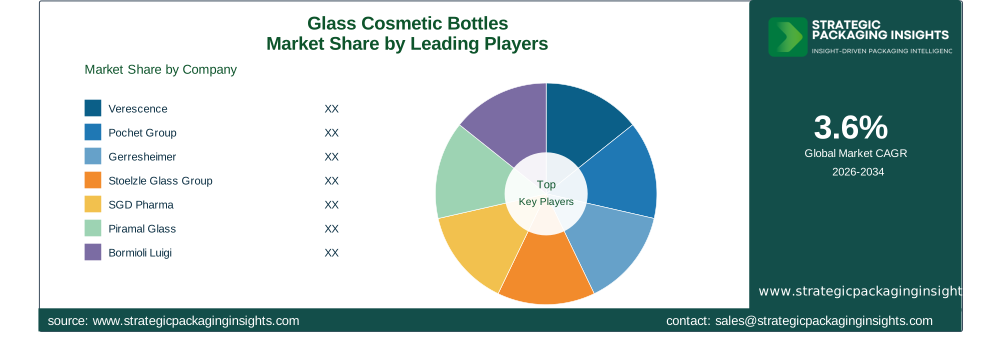
Verescence is a leading player in the Glass Cosmetic Bottles market, known for its innovative and sustainable packaging solutions. The company has a strong presence in Europe and North America and is expanding its footprint in emerging markets. Pochet Group, another major player, is renowned for its high-quality glass packaging solutions and has a significant market share in the luxury cosmetics segment. Gerresheimer, with its extensive product portfolio and global presence, is a key player in the market, catering to a diverse range of end-use industries.
Stoelzle Glass Group is a prominent player in the Glass Cosmetic Bottles market, known for its expertise in producing high-quality glass packaging solutions. The company has a strong focus on sustainability and innovation, which has helped it maintain a competitive edge in the market. SGD Pharma, with its extensive experience in glass manufacturing, is a key player in the market, offering a wide range of packaging solutions for the pharmaceutical and cosmetic industries. Piramal Glass, a leading manufacturer of glass packaging solutions, has a significant market share in the Asia Pacific region and is expanding its presence in other regions.
Bormioli Luigi, Heinz-Glas, Zignago Vetro, and Vitro Packaging are other notable players in the Glass Cosmetic Bottles market. These companies are focusing on expanding their product offerings and enhancing their production capabilities to cater to the growing demand for glass packaging solutions. They are also investing in research and development to introduce innovative products that meet the evolving needs of consumers. The competitive landscape of the market is expected to remain dynamic, with companies focusing on strategic initiatives to strengthen their market position and gain a competitive edge.
Key Highlights
- The Glass Cosmetic Bottles market is projected to grow at a CAGR of 3.6% from 2026 to 2034.
- Increasing demand for sustainable and eco-friendly packaging solutions is driving market growth.
- Rising consumer preference for premium and luxury cosmetic products is boosting demand for glass bottles.
- Advancements in glass manufacturing technologies are enabling the production of lightweight and durable bottles.
- Personalization and customization trends are creating opportunities for innovative packaging designs.
- High cost and fragility of glass compared to plastic alternatives pose challenges to market growth.
- Key players are focusing on strategic initiatives such as mergers and acquisitions to strengthen their market position.
Top Countries Insights
In the Glass Cosmetic Bottles market, the United States holds a significant share, driven by the high demand for premium and luxury cosmetic products. The market size in the U.S. is substantial, with a CAGR of 4%. The country's strong focus on sustainability and eco-friendly packaging solutions is a key growth driver. Additionally, the presence of major cosmetic brands and a well-established distribution network further support market growth.
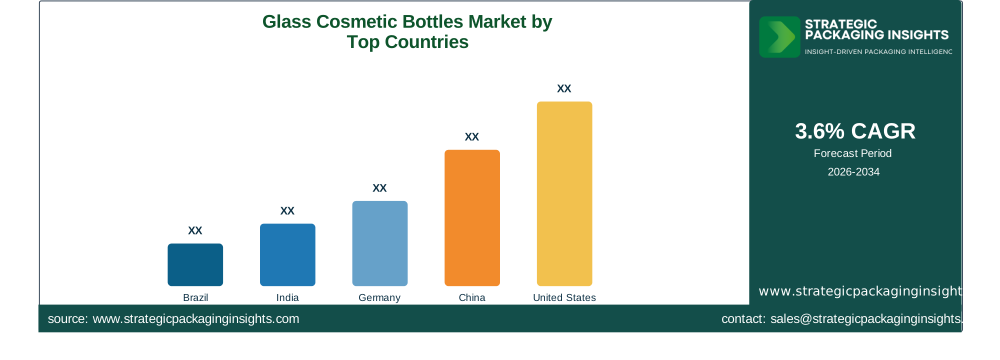
China is another major player in the Glass Cosmetic Bottles market, with a rapidly growing market size and a CAGR of 5%. The country's booming cosmetics industry, coupled with rising disposable incomes and changing consumer preferences, is driving demand for high-quality packaging solutions. Government initiatives promoting sustainable packaging practices are also contributing to market growth.
In Europe, Germany is a leading market for glass cosmetic bottles, with a CAGR of 3%. The country's strong focus on sustainability and innovation in packaging solutions is driving market growth. Additionally, the presence of major glass manufacturers and a well-established cosmetics industry further support market expansion.
India is emerging as a key market for glass cosmetic bottles, with a CAGR of 6%. The country's growing middle-class population and increasing consumer awareness regarding sustainable packaging solutions are driving demand. Additionally, the rise in e-commerce and online retailing is further boosting market growth.
Brazil is another important market for glass cosmetic bottles, with a CAGR of 4%. The country's growing cosmetics industry and increasing consumer preference for premium products are driving demand for high-quality packaging solutions. Additionally, government initiatives promoting sustainable packaging practices are supporting market growth.
Glass Cosmetic Bottles Market Segments Insights

Product Type Analysis
The Glass Cosmetic Bottles market is segmented by product type into perfume bottles, skincare bottles, serum bottles, and lotion bottles. Perfume bottles hold a significant share of the market, driven by the high demand for premium and luxury fragrances. The aesthetic appeal and superior quality of glass make it a preferred choice for perfume packaging, enhancing the overall consumer experience. Skincare bottles are also witnessing substantial growth, fueled by the increasing demand for high-quality skincare products. The rise in consumer awareness regarding skincare and personal grooming is driving demand for innovative and attractive packaging solutions.
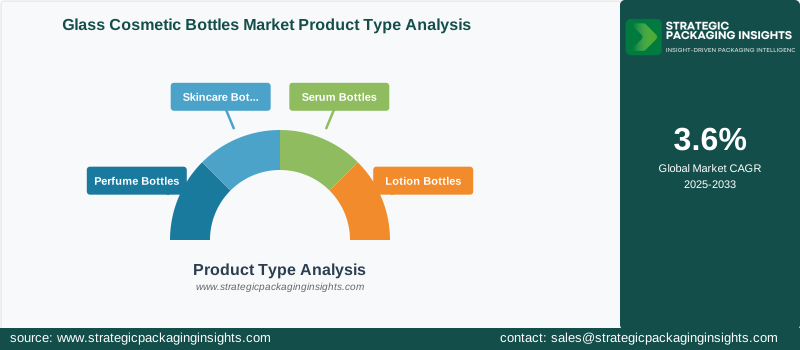
Serum bottles are gaining traction in the market, driven by the growing popularity of serums and other concentrated skincare products. The need for precise and controlled dispensing of these products is leading to increased demand for glass packaging solutions. Lotion bottles, although a smaller segment, are witnessing steady growth due to the rising demand for body care and moisturizing products. The versatility and durability of glass make it an ideal choice for lotion packaging, offering both functionality and aesthetic appeal.
Glass Type Analysis
The market is segmented by glass type into clear glass, colored glass, and frosted glass. Clear glass holds the largest share of the market, driven by its versatility and aesthetic appeal. It allows consumers to see the product inside, enhancing the overall consumer experience. Colored glass is also witnessing significant growth, driven by the increasing demand for unique and innovative packaging designs. The use of colored glass allows brands to differentiate themselves in a competitive market, offering a wide range of customization options.
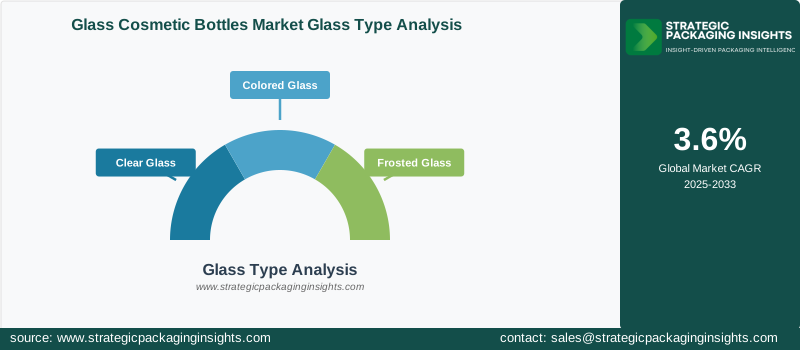
Frosted glass is gaining popularity in the market, driven by its premium and luxurious appearance. It is often used for high-end cosmetic products, offering a sophisticated and elegant packaging solution. The growing trend of personalization and customization in the cosmetic industry is further driving demand for frosted glass packaging solutions. Additionally, advancements in glass manufacturing technologies are enabling the production of high-quality frosted glass bottles, enhancing their appeal to both manufacturers and consumers.
Capacity Analysis
The market is segmented by capacity into below 30 ml, 30-100 ml, and above 100 ml. The 30-100 ml segment holds the largest share of the market, driven by the high demand for standard-sized cosmetic products. This segment is particularly popular in the skincare and fragrance industries, where products are often sold in this size range. The below 30 ml segment is also witnessing significant growth, driven by the increasing demand for travel-sized and sample products. The rise in consumer preference for convenience and portability is driving demand for smaller packaging solutions.
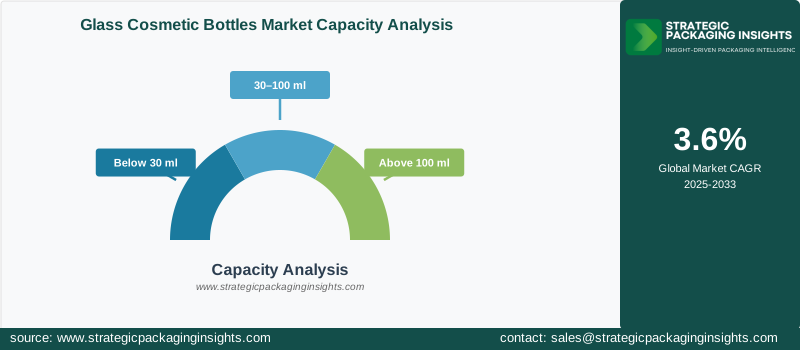
The above 100 ml segment, although a smaller portion of the market, is witnessing steady growth due to the increasing demand for larger-sized products. This segment is particularly popular in the body care and moisturizing product categories, where consumers often prefer larger packaging sizes. The versatility and durability of glass make it an ideal choice for larger packaging solutions, offering both functionality and aesthetic appeal.
End Use Analysis
The market is segmented by end use into premium cosmetics, fragrances, and skincare brands. Premium cosmetics hold a significant share of the market, driven by the high demand for luxury and high-end products. The aesthetic appeal and superior quality of glass make it a preferred choice for premium cosmetic packaging, enhancing the overall consumer experience. Fragrances are also witnessing substantial growth, fueled by the increasing demand for high-quality and luxurious perfume products. The rise in consumer awareness regarding personal grooming and self-care is driving demand for innovative and attractive packaging solutions.
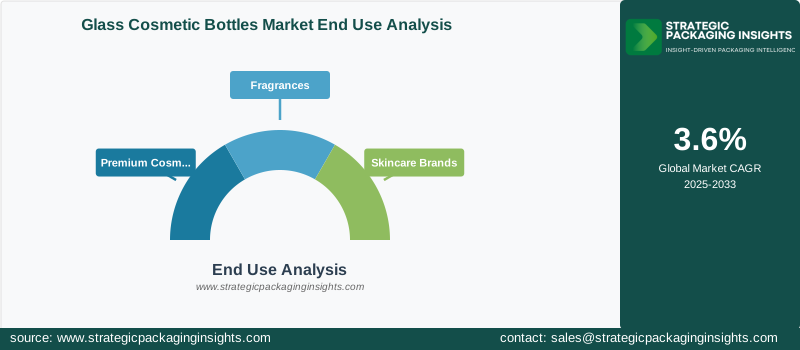
Skincare brands are gaining traction in the market, driven by the growing popularity of skincare products and the increasing focus on personal grooming. The need for high-quality and aesthetically pleasing packaging solutions is leading to increased demand for glass cosmetic bottles. Additionally, the rise in consumer preference for sustainable and eco-friendly packaging solutions is further driving demand for glass packaging in the skincare industry. The versatility and durability of glass make it an ideal choice for skincare packaging, offering both functionality and aesthetic appeal.
Glass Cosmetic Bottles Market Segments
The Glass Cosmetic Bottles market has been segmented on the basis ofProduct Type
- Perfume Bottles
- Skincare Bottles
- Serum Bottles
- Lotion Bottles
Glass Type
- Clear Glass
- Colored Glass
- Frosted Glass
Capacity
- Below 30 ml
- 30–100 ml
- Above 100 ml
End Use
- Premium Cosmetics
- Fragrances
- Skincare Brands
Region
- Asia Pacific
- North America
- Latin America
- Europe
- Middle East & Africa




