


Garbage Bag Market Outlook
The garbage bag market was valued at $12.49 billion in 2025 and is projected to reach $20.22 billion by 2034, growing at a CAGR of 5.5% during the forecast period 2026-2034. This growth is driven by increasing urbanization and the rising awareness of hygiene and cleanliness, which have significantly boosted the demand for garbage bags across various sectors. The market is also witnessing a shift towards eco-friendly and biodegradable options, as consumers and businesses alike become more environmentally conscious. The demand for garbage bags is further fueled by the expansion of the retail and e-commerce sectors, which require efficient waste management solutions.
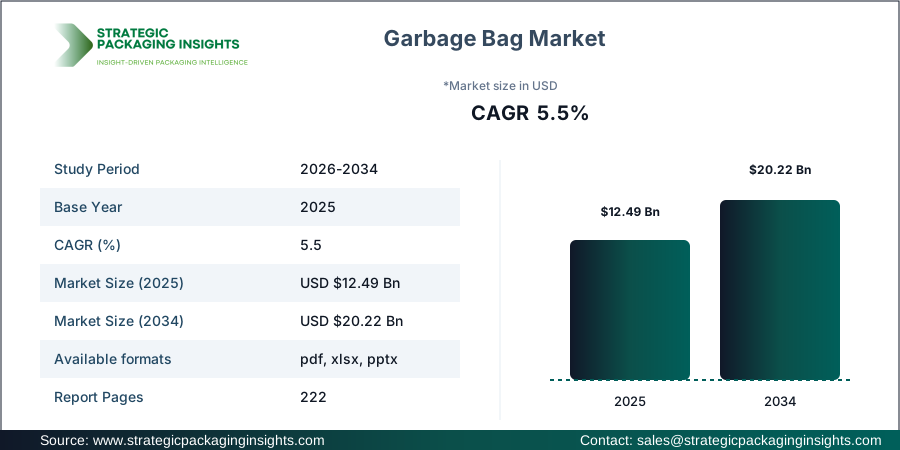
Despite the promising growth prospects, the garbage bag market faces certain challenges. Regulatory restrictions on plastic usage and the increasing cost of raw materials are some of the key restraints that could hinder market growth. However, the market holds significant potential for innovation, particularly in the development of biodegradable and recycled plastic bags, which are gaining traction due to their reduced environmental impact. Companies are investing in research and development to create more sustainable products, which could open new avenues for growth in the coming years.
Report Scope
| Attributes | Details |
| Report Title | Garbage Bag Market Size, Future Growth and Forecast 2034 |
| Product Type | Drawstring Bags, Flat-Seal Bags, Star-Seal Bags |
| Material Type | HDPE, LDPE, Biodegradable Plastic, Recycled Plastic |
| Application | Household, Commercial, Industrial, Municipal |
| Sales Channel | Retail, Institutional, Online |
| Region | Asia Pacific, North America, Latin America, Europe, Middle East & Africa |
| Base Year | 2025 |
| Historic Period | 2018-2024 |
| Forecast Period | 2026-2034 |
| Number of Pages | 222 |
| Customization Available | Yes* |
Opportunities & Threats
The garbage bag market presents numerous opportunities, particularly in the realm of sustainable and eco-friendly products. As environmental concerns continue to rise, there is a growing demand for biodegradable and compostable garbage bags. This trend is driven by both consumer preferences and regulatory pressures, as governments worldwide implement stricter regulations on plastic waste. Companies that can innovate and offer sustainable solutions are likely to capture a significant share of the market. Additionally, the increasing urban population and the expansion of the retail and e-commerce sectors are expected to drive demand for garbage bags, providing further growth opportunities.
Another opportunity lies in the development of smart garbage bags equipped with sensors and IoT technology. These advanced products can help in efficient waste management by providing real-time data on waste levels, thereby optimizing collection schedules and reducing operational costs. The integration of technology in waste management solutions is expected to gain traction, offering lucrative opportunities for market players. Furthermore, the rise of online sales channels provides an additional avenue for growth, as consumers increasingly prefer the convenience of purchasing products online.
However, the market is not without its threats. The increasing cost of raw materials, particularly plastics, poses a significant challenge for manufacturers. Fluctuations in raw material prices can impact profit margins and lead to increased product costs, which may deter consumers. Additionally, the growing regulatory restrictions on plastic usage, aimed at reducing environmental impact, could limit the market for traditional plastic garbage bags. Companies need to adapt to these changes by investing in sustainable alternatives to remain competitive in the market.
Drivers & Challenges
One of the primary drivers of the garbage bag market is the increasing awareness of hygiene and cleanliness, particularly in urban areas. As cities grow and populations increase, the need for efficient waste management solutions becomes more critical. Garbage bags offer a convenient and hygienic way to manage waste, making them an essential product for households, commercial establishments, and municipal services. The rise of the retail and e-commerce sectors also contributes to market growth, as these industries require effective waste management solutions to handle the increased volume of packaging waste.
Another significant driver is the shift towards sustainable and eco-friendly products. Consumers are becoming more environmentally conscious, leading to a growing demand for biodegradable and recycled plastic garbage bags. This trend is supported by government regulations aimed at reducing plastic waste and promoting sustainability. Companies that can offer innovative and sustainable solutions are likely to gain a competitive edge in the market. Additionally, advancements in technology, such as the development of smart garbage bags, are expected to drive market growth by offering more efficient waste management solutions.
Despite these drivers, the garbage bag market faces several challenges. The increasing cost of raw materials, particularly plastics, poses a significant challenge for manufacturers. Fluctuations in raw material prices can impact profit margins and lead to increased product costs, which may deter consumers. Additionally, the growing regulatory restrictions on plastic usage, aimed at reducing environmental impact, could limit the market for traditional plastic garbage bags. Companies need to adapt to these changes by investing in sustainable alternatives to remain competitive in the market.
Market Share Analysis
The competitive landscape of the garbage bag market is characterized by the presence of several key players, each striving to capture a significant share of the market. Companies such as Berry Global, Novolex, and Inteplast Group are among the leading players, known for their extensive product portfolios and strong distribution networks. These companies have established themselves as market leaders by offering a wide range of garbage bags catering to various applications and customer needs. Their focus on innovation and sustainability has further strengthened their market position.
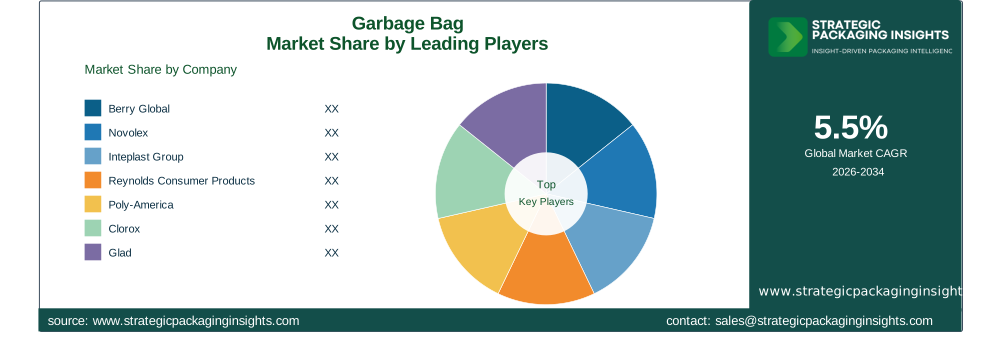
Berry Global, a prominent player in the market, holds a significant share due to its diverse product offerings and commitment to sustainability. The company has invested in the development of eco-friendly products, including biodegradable and recycled plastic garbage bags, to meet the growing demand for sustainable solutions. Novolex, another key player, has also focused on sustainability by expanding its range of compostable and recyclable products. The company's strong distribution network and strategic acquisitions have helped it maintain a competitive edge in the market.
Inteplast Group, known for its innovative product offerings, has captured a substantial share of the market by focusing on customer-centric solutions. The company's emphasis on quality and innovation has enabled it to cater to a wide range of applications, from household to industrial use. Reynolds Consumer Products, Poly-America, and Clorox are other notable players in the market, each with a strong presence and a commitment to sustainability. These companies have leveraged their brand reputation and extensive distribution networks to maintain their market positions.
Glad, Cosmoplast, International Plastics, and Four Star Plastics are also key players in the garbage bag market, each contributing to the competitive landscape with their unique product offerings and strategic initiatives. These companies have focused on expanding their product portfolios and enhancing their distribution capabilities to capture a larger share of the market. Their efforts to develop sustainable and innovative solutions have further strengthened their market positions, enabling them to compete effectively in the dynamic garbage bag market.
Key Highlights
- The garbage bag market is projected to grow from $12.49 billion in 2025 to $20.22 billion by 2034, at a CAGR of 5.5%.
- Increasing urbanization and awareness of hygiene are key drivers of market growth.
- There is a growing demand for biodegradable and eco-friendly garbage bags.
- Technological advancements, such as smart garbage bags, offer new growth opportunities.
- Regulatory restrictions on plastic usage pose a challenge to market growth.
- Key players include Berry Global, Novolex, and Inteplast Group, among others.
- The rise of online sales channels provides additional growth avenues.
- Fluctuations in raw material prices can impact profit margins.
- Companies are investing in sustainable alternatives to remain competitive.
Top Countries Insights
In the garbage bag market, the United States stands out as a leading country, with a market size of approximately $4.5 billion and a CAGR of 4%. The growth in this region is driven by the high demand for waste management solutions in urban areas and the increasing adoption of eco-friendly products. Government regulations promoting sustainability and the presence of key market players further bolster the market in the United States.
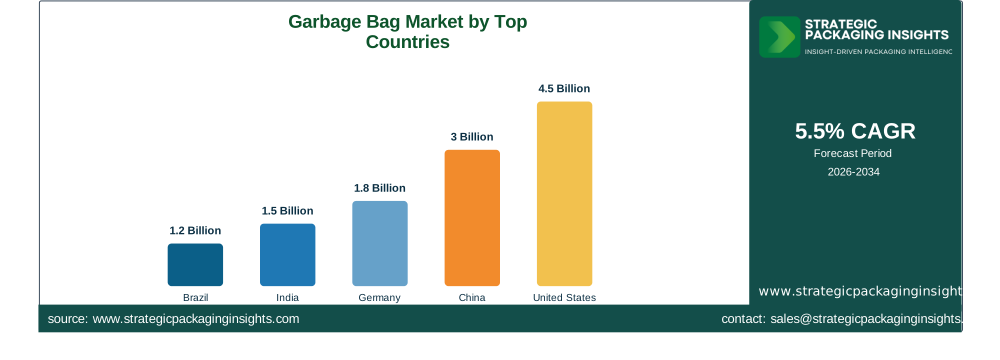
China is another significant player in the garbage bag market, with a market size of around $3 billion and a CAGR of 6%. The rapid urbanization and industrialization in China have led to increased waste generation, driving the demand for garbage bags. The government's focus on environmental protection and waste management initiatives also supports market growth. Additionally, the rise of e-commerce in China has contributed to the increased demand for packaging and waste management solutions.
Germany, with a market size of approximately $1.8 billion and a CAGR of 5%, is a key market in Europe. The country's strong emphasis on sustainability and waste management practices drives the demand for biodegradable and recycled plastic garbage bags. The presence of stringent regulations on plastic usage and the growing consumer awareness of environmental issues further support market growth in Germany.
India, with a market size of about $1.5 billion and a CAGR of 7%, is experiencing significant growth in the garbage bag market. The increasing urban population and the expansion of the retail sector are key drivers of market growth. The government's initiatives to improve waste management infrastructure and promote sustainable practices also contribute to the market's expansion in India.
Brazil, with a market size of approximately $1.2 billion and a CAGR of 5%, is a notable market in Latin America. The growing urbanization and the need for efficient waste management solutions drive the demand for garbage bags in Brazil. The government's focus on environmental protection and the increasing consumer awareness of sustainability issues further support market growth in the region.
Garbage Bag Market Segments Insights

Product Type Analysis
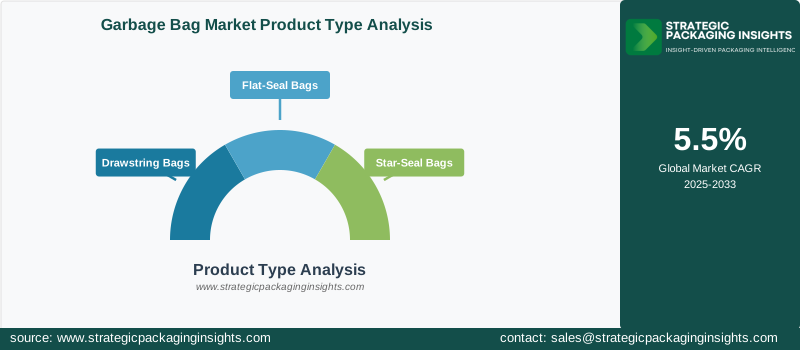
The garbage bag market is segmented by product type into drawstring bags, flat-seal bags, and star-seal bags. Drawstring bags are popular due to their convenience and ease of use, making them a preferred choice for household and commercial applications. The demand for drawstring bags is driven by their ability to securely contain waste and prevent leakage, which is particularly important in urban areas with high waste generation. Flat-seal bags, on the other hand, are favored for their cost-effectiveness and versatility, making them suitable for a wide range of applications, from household to industrial use. Star-seal bags are known for their strength and durability, making them ideal for heavy-duty applications and municipal waste management.
The competition in the product type segment is intense, with companies focusing on innovation and product differentiation to capture market share. Manufacturers are investing in research and development to create more durable and sustainable products, such as biodegradable and recycled plastic bags. The growing consumer preference for eco-friendly products is driving the demand for biodegradable options, prompting companies to expand their product portfolios to include sustainable alternatives. Additionally, the rise of online sales channels provides an opportunity for manufacturers to reach a wider audience and increase their market presence.
Material Type Analysis
The material type segment of the garbage bag market includes HDPE, LDPE, biodegradable plastic, and recycled plastic. HDPE bags are known for their strength and durability, making them suitable for heavy-duty applications and industrial use. LDPE bags, on the other hand, are favored for their flexibility and cost-effectiveness, making them a popular choice for household and commercial applications. The demand for biodegradable plastic bags is on the rise, driven by increasing environmental concerns and regulatory pressures to reduce plastic waste. Recycled plastic bags are also gaining traction as consumers and businesses seek sustainable alternatives to traditional plastic products.
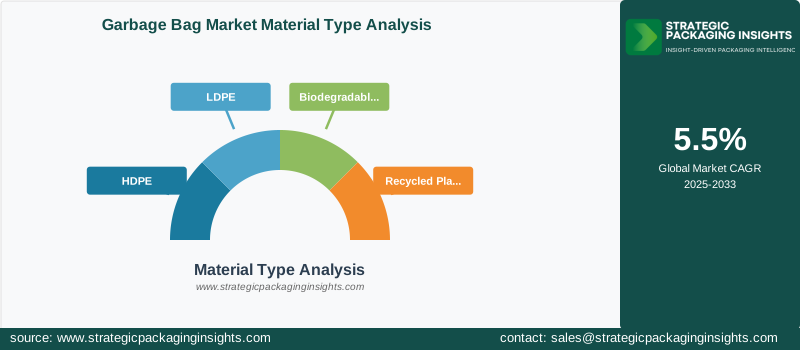
The competition in the material type segment is driven by the growing demand for sustainable and eco-friendly products. Companies are investing in the development of biodegradable and recycled plastic bags to meet consumer preferences and comply with regulatory requirements. The increasing cost of raw materials, particularly plastics, poses a challenge for manufacturers, prompting them to explore alternative materials and innovative production techniques. The rise of e-commerce and online sales channels provides an opportunity for manufacturers to reach a wider audience and increase their market presence.
Application Analysis
The garbage bag market is segmented by application into household, commercial, industrial, and municipal. Household applications account for a significant share of the market, driven by the increasing awareness of hygiene and cleanliness in urban areas. The demand for garbage bags in commercial applications is also on the rise, as businesses seek efficient waste management solutions to handle the increased volume of packaging waste. Industrial applications require durable and heavy-duty garbage bags to manage waste generated from manufacturing processes, while municipal applications focus on efficient waste collection and disposal in urban areas.
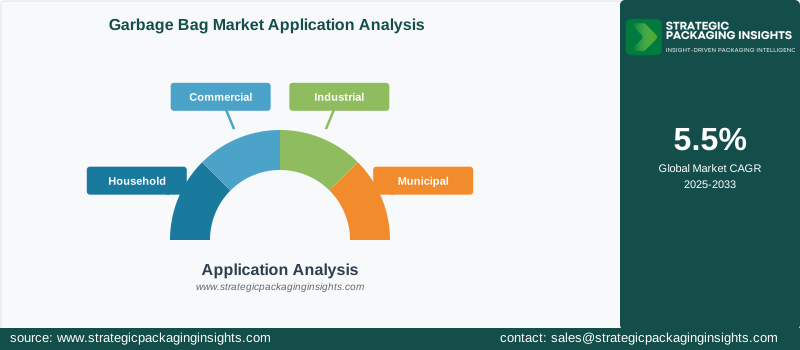
The competition in the application segment is driven by the need for innovative and efficient waste management solutions. Companies are focusing on product differentiation and innovation to capture market share, with an emphasis on sustainability and eco-friendly products. The growing consumer preference for biodegradable and recycled plastic bags is driving the demand for sustainable alternatives, prompting companies to expand their product portfolios to include eco-friendly options. Additionally, the rise of online sales channels provides an opportunity for manufacturers to reach a wider audience and increase their market presence.
Sales Channel Analysis
The sales channel segment of the garbage bag market includes retail, institutional, and online channels. Retail channels account for a significant share of the market, driven by the increasing demand for garbage bags in household and commercial applications. Institutional channels, such as schools, hospitals, and government agencies, also contribute to market growth, as these organizations require efficient waste management solutions to handle large volumes of waste. The rise of online sales channels provides an additional avenue for growth, as consumers increasingly prefer the convenience of purchasing products online.
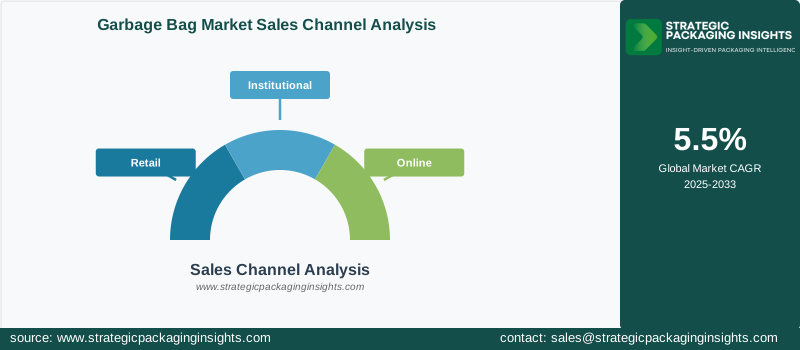
The competition in the sales channel segment is driven by the need for efficient distribution and marketing strategies. Companies are focusing on expanding their distribution networks and enhancing their online presence to capture market share. The growing consumer preference for online shopping is driving the demand for e-commerce platforms, prompting companies to invest in digital marketing and online sales channels. Additionally, the rise of sustainable and eco-friendly products provides an opportunity for manufacturers to differentiate themselves in the market and capture a larger share of the growing demand for sustainable alternatives.
Garbage Bag Market Segments
The Garbage Bag market has been segmented on the basis ofProduct Type
- Drawstring Bags
- Flat-Seal Bags
- Star-Seal Bags
Material Type
- HDPE
- LDPE
- Biodegradable Plastic
- Recycled Plastic
Application
- Household
- Commercial
- Industrial
- Municipal
Sales Channel
- Retail
- Institutional
- Online
Region
- Asia Pacific
- North America
- Latin America
- Europe
- Middle East & Africa




