


Food Tub packaging Market Outlook
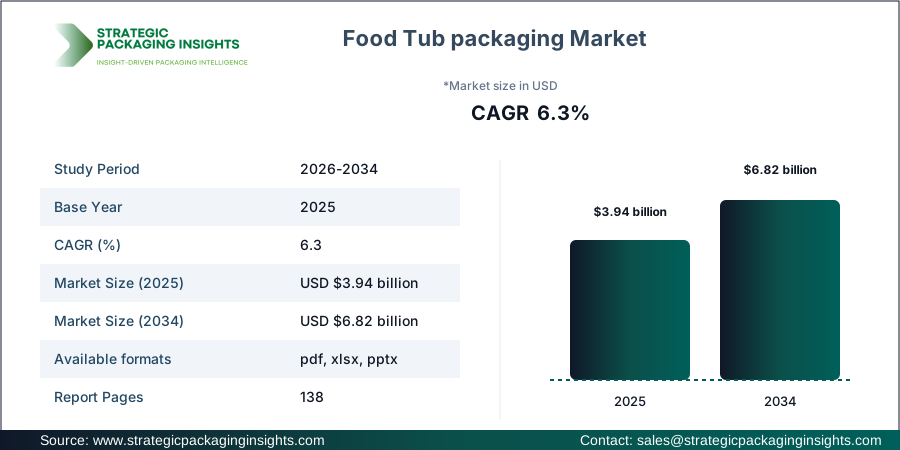
The Food Tub packaging market was valued at $3.94 billion in 2025 and is projected to reach $6.82 billion by 2034, growing at a CAGR of 6.3% during the forecast period 2026-2034. This market is experiencing robust growth driven by the increasing demand for convenient and sustainable packaging solutions in the food industry. The rising consumer preference for ready-to-eat meals and on-the-go snacks is propelling the demand for food tub packaging. Additionally, the growing awareness about environmental sustainability is encouraging manufacturers to adopt eco-friendly materials, further boosting market growth. The market is also benefiting from technological advancements in packaging materials and designs, which enhance product shelf life and consumer appeal.
However, the market faces certain restraints, including stringent regulatory requirements related to food safety and packaging waste management. These regulations can increase production costs and pose challenges for manufacturers in terms of compliance. Despite these challenges, the market holds significant growth potential due to the increasing adoption of innovative packaging solutions and the expansion of the foodservice industry. The growing trend of online food delivery services is also expected to create new opportunities for market players. As consumers continue to seek convenience and sustainability, the food tub packaging market is poised for substantial growth in the coming years.
Report Scope
| Attributes | Details |
| Report Title | Food Tub packaging Market Size, Future Growth and Forecast 2034 |
| Material | PP, PET, Paperboard, Fiber |
| Application | Dairy, Spreads, Snacks |
| End Use | Food, Retail, Foodservice |
| Closure | Snap-On, Tamper-Evident, Peel-Off |
| Region | Asia Pacific, North America, Latin America, Europe, Middle East & Africa |
| Base Year | 2025 |
| Historic Period | 2018-2024 |
| Forecast Period | 2026-2034 |
| Number of Pages | 138 |
| Customization Available | Yes* |
Opportunities & Threats
The food tub packaging market presents numerous opportunities for growth, primarily driven by the increasing demand for sustainable packaging solutions. As consumers become more environmentally conscious, there is a growing preference for packaging materials that are recyclable and biodegradable. This trend is encouraging manufacturers to innovate and develop eco-friendly packaging options, which not only meet consumer expectations but also comply with stringent environmental regulations. Additionally, the rise of e-commerce and online food delivery services is creating new avenues for market expansion. The convenience and efficiency offered by food tub packaging make it an ideal choice for these services, further driving market growth.
Another significant opportunity lies in the technological advancements in packaging materials and designs. Innovations such as tamper-evident and resealable closures are enhancing the functionality and appeal of food tub packaging. These features not only improve product safety and freshness but also cater to the growing demand for convenience among consumers. Moreover, the increasing focus on product differentiation and branding is encouraging manufacturers to invest in innovative packaging designs that enhance the visual appeal of their products. This trend is expected to drive the adoption of food tub packaging across various segments of the food industry.
Despite the promising opportunities, the food tub packaging market faces certain threats that could hinder its growth. One of the primary challenges is the fluctuating prices of raw materials, which can impact production costs and profit margins for manufacturers. Additionally, the market is subject to stringent regulatory requirements related to food safety and packaging waste management. Compliance with these regulations can be costly and time-consuming, posing challenges for manufacturers, especially small and medium-sized enterprises. Furthermore, the increasing competition from alternative packaging solutions, such as flexible packaging and rigid containers, could pose a threat to the growth of the food tub packaging market.
Drivers & Challenges
The food tub packaging market is driven by several key factors, including the growing demand for convenience and ready-to-eat food products. As consumers lead increasingly busy lifestyles, there is a rising preference for packaging solutions that offer ease of use and portability. Food tub packaging, with its user-friendly designs and resealable features, caters to this demand, making it a popular choice among consumers. Additionally, the increasing focus on sustainability and environmental responsibility is driving the adoption of eco-friendly packaging materials. Manufacturers are investing in the development of recyclable and biodegradable packaging options to meet consumer expectations and comply with environmental regulations.
Another significant driver of the food tub packaging market is the expansion of the foodservice industry. The growing trend of dining out and the rise of online food delivery services are creating new opportunities for market growth. Food tub packaging offers the convenience and functionality required for these services, making it an ideal choice for foodservice providers. Moreover, the increasing focus on product differentiation and branding is encouraging manufacturers to invest in innovative packaging designs that enhance the visual appeal of their products. This trend is expected to drive the adoption of food tub packaging across various segments of the food industry.
Despite the positive drivers, the food tub packaging market faces several challenges that could impact its growth. One of the primary challenges is the fluctuating prices of raw materials, which can affect production costs and profit margins for manufacturers. Additionally, the market is subject to stringent regulatory requirements related to food safety and packaging waste management. Compliance with these regulations can be costly and time-consuming, posing challenges for manufacturers, especially small and medium-sized enterprises. Furthermore, the increasing competition from alternative packaging solutions, such as flexible packaging and rigid containers, could pose a threat to the growth of the food tub packaging market.
Market Share Analysis
The competitive landscape of the food tub packaging market is characterized by the presence of several key players who are actively engaged in product innovation and strategic partnerships to strengthen their market position. Berry Global, a leading player in the market, holds a significant share due to its extensive product portfolio and strong distribution network. The company is known for its innovative packaging solutions that cater to the evolving needs of consumers and businesses. Huhtamaki, another major player, is recognized for its focus on sustainability and eco-friendly packaging solutions. The company's commitment to environmental responsibility has helped it gain a competitive edge in the market.
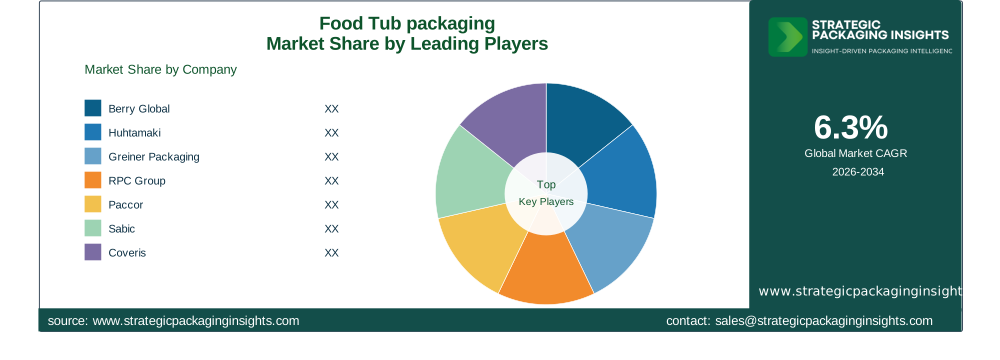
Greiner Packaging is also a prominent player in the food tub packaging market, known for its innovative designs and high-quality products. The company's focus on product differentiation and customer-centric solutions has contributed to its strong market presence. RPC Group, now part of Berry Global, is renowned for its extensive range of packaging solutions and its emphasis on sustainability. The company's strategic acquisitions and partnerships have further strengthened its position in the market. Paccor, a leading provider of rigid plastic packaging solutions, is known for its focus on innovation and customer satisfaction. The company's commitment to quality and sustainability has helped it maintain a strong foothold in the market.
Sabic, a global leader in diversified chemicals, is also a key player in the food tub packaging market. The company's focus on innovation and sustainability has enabled it to offer a wide range of high-performance packaging solutions. Coveris, a leading European packaging company, is known for its focus on sustainability and innovation. The company's commitment to reducing environmental impact and enhancing product functionality has helped it gain a competitive edge in the market. Amcor, a global leader in packaging solutions, is recognized for its innovative and sustainable packaging solutions. The company's focus on customer satisfaction and product differentiation has contributed to its strong market presence.
IPL, a leading provider of sustainable packaging solutions, is known for its focus on innovation and customer-centric solutions. The company's commitment to sustainability and quality has helped it maintain a strong position in the market. Silgan, a leading supplier of rigid packaging solutions, is recognized for its focus on innovation and customer satisfaction. The company's extensive product portfolio and strong distribution network have contributed to its competitive advantage in the market. Overall, the food tub packaging market is characterized by intense competition, with key players focusing on innovation, sustainability, and strategic partnerships to strengthen their market position.
Key Highlights
- The food tub packaging market is projected to grow at a CAGR of 6.3% from 2026 to 2034.
- Increasing demand for sustainable and eco-friendly packaging solutions is driving market growth.
- Technological advancements in packaging materials and designs are enhancing product functionality and appeal.
- The rise of e-commerce and online food delivery services is creating new opportunities for market expansion.
- Stringent regulatory requirements related to food safety and packaging waste management pose challenges for manufacturers.
- Fluctuating raw material prices can impact production costs and profit margins for manufacturers.
- Key players in the market include Berry Global, Huhtamaki, Greiner Packaging, RPC Group, and Paccor.
- The market is characterized by intense competition, with a focus on innovation and sustainability.
- Product differentiation and branding are key strategies for gaining a competitive edge in the market.
Top Countries Insights
In the food tub packaging market, the United States stands out as a key player, with a market size of approximately $1.2 billion and a CAGR of 5%. The country's robust foodservice industry and the growing trend of online food delivery services are major growth drivers. Additionally, the increasing consumer preference for sustainable packaging solutions is encouraging manufacturers to adopt eco-friendly materials, further boosting market growth. However, the market faces challenges related to stringent regulatory requirements and fluctuating raw material prices.
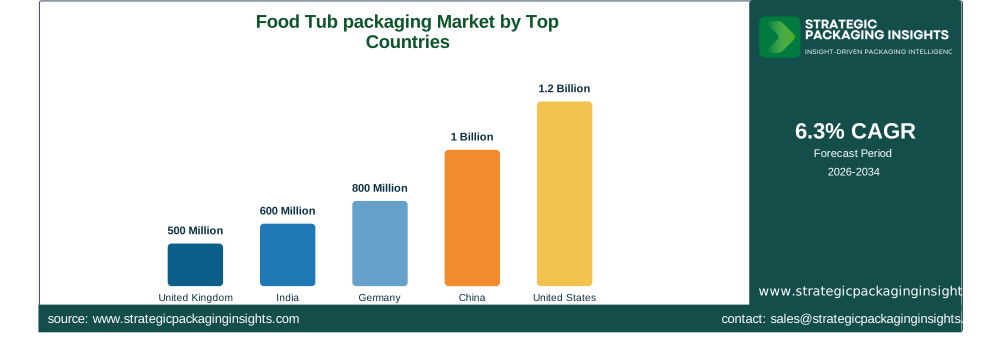
China is another significant market for food tub packaging, with a market size of around $1 billion and a CAGR of 7%. The country's rapidly growing food industry and the increasing demand for convenience foods are driving market growth. Additionally, the government's focus on environmental sustainability is encouraging manufacturers to adopt eco-friendly packaging solutions. However, the market faces challenges related to regulatory compliance and competition from alternative packaging solutions.
Germany, with a market size of approximately $800 million and a CAGR of 4%, is a key player in the European food tub packaging market. The country's strong focus on sustainability and environmental responsibility is driving the adoption of eco-friendly packaging solutions. Additionally, the growing trend of online food delivery services is creating new opportunities for market growth. However, the market faces challenges related to stringent regulatory requirements and competition from alternative packaging solutions.
India, with a market size of around $600 million and a CAGR of 8%, is an emerging market for food tub packaging. The country's rapidly growing food industry and the increasing demand for convenience foods are driving market growth. Additionally, the government's focus on environmental sustainability is encouraging manufacturers to adopt eco-friendly packaging solutions. However, the market faces challenges related to regulatory compliance and competition from alternative packaging solutions.
The United Kingdom, with a market size of approximately $500 million and a CAGR of 3%, is a key player in the European food tub packaging market. The country's strong focus on sustainability and environmental responsibility is driving the adoption of eco-friendly packaging solutions. Additionally, the growing trend of online food delivery services is creating new opportunities for market growth. However, the market faces challenges related to stringent regulatory requirements and competition from alternative packaging solutions.
Food Tub packaging Market Segments Insights

Material Analysis
The material segment of the food tub packaging market is dominated by polypropylene (PP) and polyethylene terephthalate (PET), which are favored for their durability and recyclability. PP is particularly popular due to its lightweight nature and resistance to moisture, making it ideal for food packaging applications. PET, on the other hand, is valued for its clarity and strength, providing excellent product visibility and protection. The growing demand for sustainable packaging solutions is driving the adoption of paperboard and fiber materials, which are biodegradable and environmentally friendly. Manufacturers are increasingly investing in the development of innovative materials that offer enhanced functionality and sustainability, catering to the evolving needs of consumers and businesses.
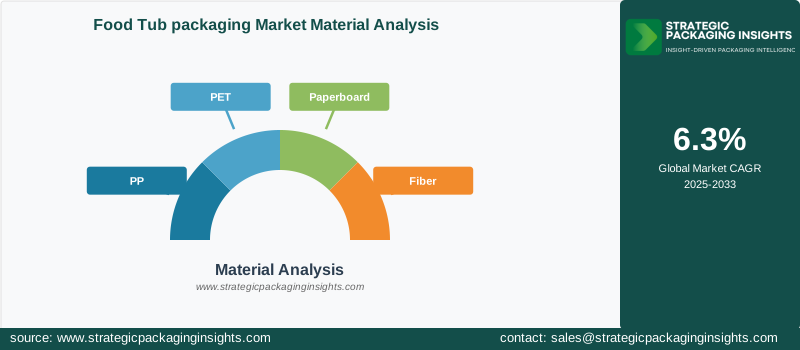
The increasing focus on sustainability and environmental responsibility is encouraging manufacturers to adopt eco-friendly materials, such as paperboard and fiber, which are biodegradable and recyclable. These materials not only meet consumer expectations but also comply with stringent environmental regulations. Additionally, the growing trend of product differentiation and branding is driving the adoption of innovative packaging designs that enhance the visual appeal of products. Manufacturers are investing in the development of materials that offer enhanced functionality and sustainability, catering to the evolving needs of consumers and businesses. The material segment is expected to witness significant growth in the coming years, driven by the increasing demand for sustainable and innovative packaging solutions.
Application Analysis
The application segment of the food tub packaging market is primarily driven by the dairy, spreads, and snacks industries. The dairy industry, in particular, is a major consumer of food tub packaging, as it requires packaging solutions that offer excellent product protection and shelf life. The growing demand for convenience foods and ready-to-eat meals is driving the adoption of food tub packaging in the spreads and snacks industries. These industries require packaging solutions that offer ease of use and portability, making food tub packaging an ideal choice. Additionally, the increasing focus on product differentiation and branding is encouraging manufacturers to invest in innovative packaging designs that enhance the visual appeal of their products.
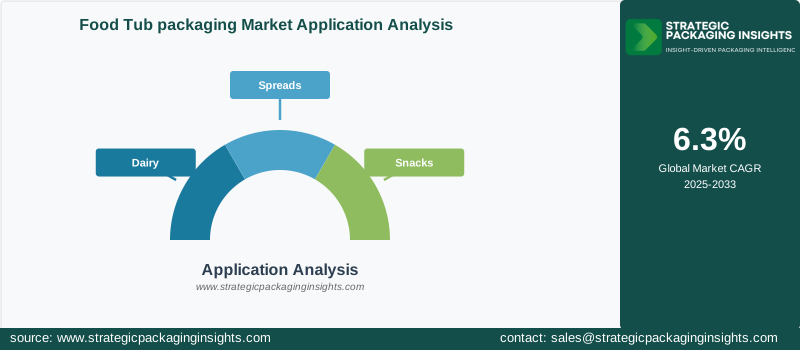
The growing trend of online food delivery services is also creating new opportunities for the application segment of the food tub packaging market. The convenience and efficiency offered by food tub packaging make it an ideal choice for these services, further driving market growth. Additionally, the increasing consumer preference for sustainable packaging solutions is encouraging manufacturers to adopt eco-friendly materials, further boosting market growth. The application segment is expected to witness significant growth in the coming years, driven by the increasing demand for convenience foods and the expansion of the foodservice industry.
End Use Analysis
The end-use segment of the food tub packaging market is dominated by the food, retail, and foodservice industries. The food industry, in particular, is a major consumer of food tub packaging, as it requires packaging solutions that offer excellent product protection and shelf life. The growing demand for convenience foods and ready-to-eat meals is driving the adoption of food tub packaging in the retail and foodservice industries. These industries require packaging solutions that offer ease of use and portability, making food tub packaging an ideal choice. Additionally, the increasing focus on product differentiation and branding is encouraging manufacturers to invest in innovative packaging designs that enhance the visual appeal of their products.
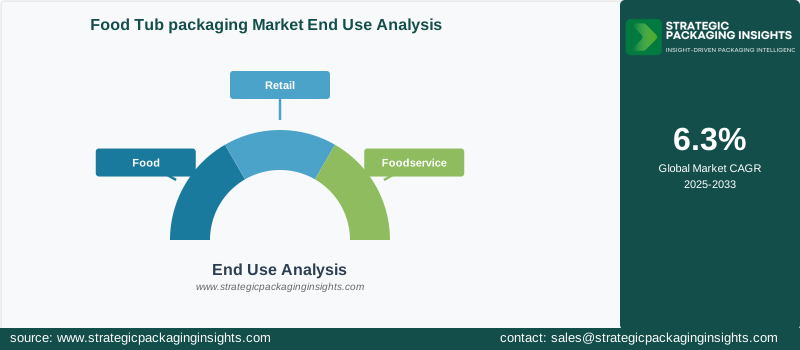
The growing trend of online food delivery services is also creating new opportunities for the end-use segment of the food tub packaging market. The convenience and efficiency offered by food tub packaging make it an ideal choice for these services, further driving market growth. Additionally, the increasing consumer preference for sustainable packaging solutions is encouraging manufacturers to adopt eco-friendly materials, further boosting market growth. The end-use segment is expected to witness significant growth in the coming years, driven by the increasing demand for convenience foods and the expansion of the foodservice industry.
Closure Analysis
The closure segment of the food tub packaging market is characterized by the increasing demand for innovative and functional closure solutions. Snap-on closures are particularly popular due to their ease of use and secure sealing capabilities, making them ideal for food packaging applications. Tamper-evident closures are also gaining traction, as they offer enhanced product safety and consumer confidence. These closures provide a visible indication of tampering, ensuring product integrity and safety. Peel-off closures, on the other hand, are valued for their convenience and ease of use, making them a popular choice for on-the-go snacks and ready-to-eat meals.
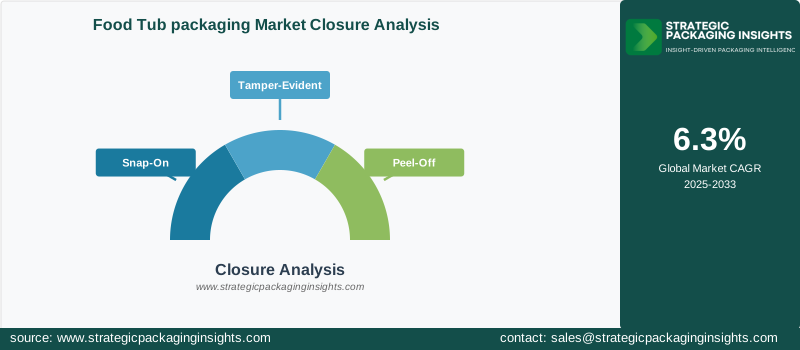
The growing focus on product differentiation and branding is driving the adoption of innovative closure designs that enhance the visual appeal and functionality of food tub packaging. Manufacturers are investing in the development of closures that offer enhanced functionality and consumer appeal, catering to the evolving needs of consumers and businesses. The closure segment is expected to witness significant growth in the coming years, driven by the increasing demand for innovative and functional packaging solutions. Additionally, the growing trend of online food delivery services is creating new opportunities for the closure segment, as these services require packaging solutions that offer ease of use and secure sealing capabilities.
Food Tub packaging Market Segments
The Food Tub packaging market has been segmented on the basis ofMaterial
- PP
- PET
- Paperboard
- Fiber
Application
- Dairy
- Spreads
- Snacks
End Use
- Food
- Retail
- Foodservice
Closure
- Snap-On
- Tamper-Evident
- Peel-Off
Region
- Asia Pacific
- North America
- Latin America
- Europe
- Middle East & Africa




