


Food Storage Container Market Outlook
The Food Storage Container market was valued at $17.54 billion in 2025 and is projected to reach $26.78 billion by 2034, growing at a CAGR of 4.8% during the forecast period 2026-2034. This market is experiencing significant growth due to the increasing demand for convenient and sustainable food storage solutions. The rise in consumer awareness regarding food safety and the need for efficient storage solutions to reduce food wastage are key factors driving the market. Additionally, the growing trend of meal prepping and the increasing number of working professionals are contributing to the demand for food storage containers. The market is also benefiting from innovations in materials and designs that enhance the functionality and aesthetic appeal of these containers.
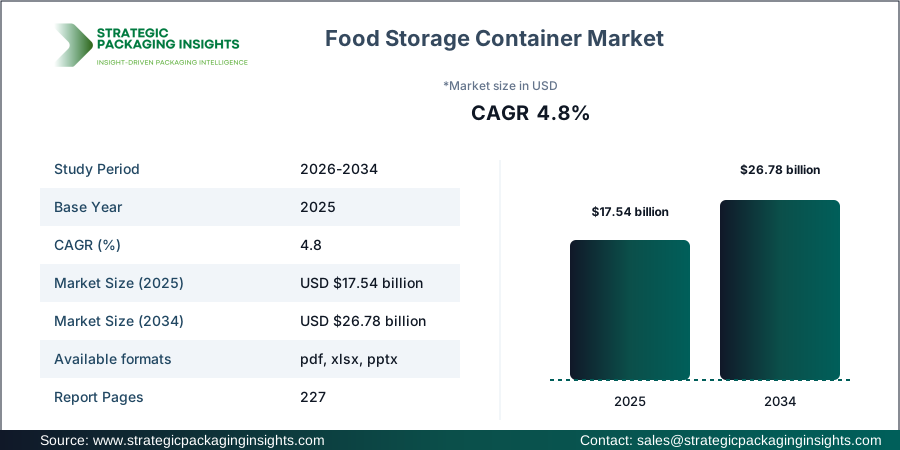
However, the market faces challenges such as stringent regulations regarding the use of plastics and the environmental impact of non-biodegradable materials. Despite these challenges, the market holds significant growth potential due to the increasing adoption of eco-friendly and reusable containers. The shift towards sustainable living and the rising popularity of zero-waste lifestyles are expected to create new opportunities for market players. Furthermore, the expansion of e-commerce platforms and the growing preference for online shopping are likely to boost the distribution of food storage containers, providing a wider reach to consumers across different regions.
Report Scope
| Attributes | Details |
| Report Title | Food Storage Container Market Size, Future Growth and Forecast 2034 |
| Material Type | Plastic, Glass, Stainless Steel, Silicone |
| Product Type | Boxes, Jars, Canisters, Reusable Bags |
| Application | Household Storage, Meal Prep, Commercial Foodservice, Refrigeration |
| Distribution Channel | Supermarkets, Online, Specialty Stores, Wholesale |
| Region | Asia Pacific, North America, Latin America, Europe, Middle East & Africa |
| Base Year | 2025 |
| Historic Period | 2018-2024 |
| Forecast Period | 2026-2034 |
| Number of Pages | 227 |
| Customization Available | Yes* |
Opportunities & Threats
The Food Storage Container market presents numerous opportunities, particularly with the increasing consumer preference for sustainable and eco-friendly products. As environmental concerns continue to rise, there is a growing demand for containers made from biodegradable and recyclable materials. This shift towards sustainability is encouraging manufacturers to innovate and develop products that meet these consumer expectations. Additionally, the rise of smart kitchen technologies is opening new avenues for the integration of food storage solutions with digital platforms, enhancing convenience and efficiency for users. The growing trend of urbanization and the increasing number of nuclear families are also driving the demand for compact and space-saving storage solutions, further expanding market opportunities.
Another significant opportunity lies in the expansion of online retail channels. With the increasing penetration of the internet and the growing popularity of e-commerce, consumers are now more inclined to purchase food storage containers online. This trend is providing manufacturers with a broader platform to reach a diverse customer base and offer a wide range of products. Moreover, the increasing focus on food safety and hygiene is driving the demand for containers with advanced sealing technologies and antimicrobial properties, presenting opportunities for innovation and product differentiation in the market.
Despite the promising opportunities, the Food Storage Container market faces certain threats, primarily related to environmental regulations and the volatility of raw material prices. The increasing scrutiny on plastic usage and the implementation of stringent regulations to curb plastic pollution pose challenges for manufacturers relying heavily on plastic materials. Additionally, fluctuations in the prices of raw materials such as glass and stainless steel can impact production costs and profit margins. The market also faces competition from alternative storage solutions, such as vacuum sealers and food preservation systems, which may limit the growth potential of traditional food storage containers.
Drivers & Challenges
The Food Storage Container market is driven by several key factors, including the increasing consumer awareness of food safety and the need to minimize food wastage. As consumers become more conscious of the importance of preserving food quality and extending shelf life, the demand for effective storage solutions is on the rise. The growing trend of meal prepping and the busy lifestyles of working professionals are also contributing to the increased demand for convenient and reliable food storage options. Additionally, the rise in disposable incomes and changing consumer preferences towards aesthetically pleasing and functional kitchenware are driving the market growth.
Technological advancements and innovations in materials are further propelling the market. Manufacturers are focusing on developing containers with enhanced features such as airtight seals, temperature resistance, and microwave-safe properties to cater to the evolving consumer needs. The increasing adoption of smart kitchen technologies and the integration of food storage solutions with digital platforms are also driving market growth. Furthermore, the expansion of the foodservice industry and the growing demand for takeaway and delivery services are boosting the demand for commercial food storage containers.
However, the market faces challenges such as the environmental impact of plastic waste and the stringent regulations imposed on plastic usage. The increasing awareness of the harmful effects of plastic pollution is prompting consumers to seek alternative materials, posing a challenge for manufacturers heavily reliant on plastic. Additionally, the volatility of raw material prices, particularly for glass and stainless steel, can impact production costs and profit margins. The market also faces competition from alternative storage solutions, such as vacuum sealers and food preservation systems, which may limit the growth potential of traditional food storage containers.
Market Share Analysis
The Food Storage Container market is characterized by a competitive landscape with several key players dominating the market. Companies such as Newell Brands, Tupperware, and Rubbermaid hold significant market shares due to their strong brand presence and extensive product offerings. These companies have established themselves as leaders in the market by consistently innovating and introducing new products that cater to the evolving consumer needs. Their focus on quality, durability, and design has helped them maintain a competitive edge in the market.
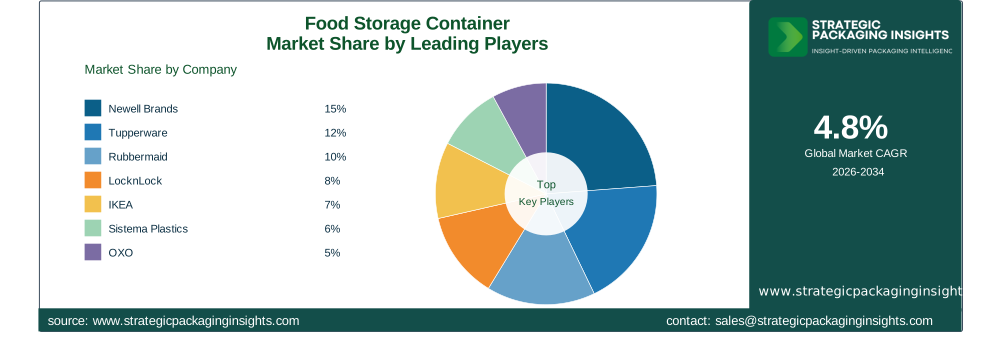
LocknLock and IKEA are also prominent players in the market, known for their wide range of food storage solutions that combine functionality with aesthetic appeal. These companies have leveraged their strong distribution networks and brand reputation to capture a significant share of the market. Sistema Plastics and OXO are other notable players, recognized for their innovative designs and user-friendly products. Their emphasis on sustainability and eco-friendly materials has resonated well with environmentally conscious consumers, further strengthening their market position.
Anchor Hocking and Cambro are key players in the glass and commercial food storage segments, respectively. Anchor Hocking is renowned for its high-quality glass containers that offer durability and versatility, while Cambro is a leading provider of commercial food storage solutions, catering to the needs of the foodservice industry. Berry Global, a major player in the plastic segment, is known for its extensive product portfolio and focus on sustainability. The company's commitment to reducing plastic waste and promoting recycling initiatives has positioned it as a responsible and forward-thinking player in the market.
Key Highlights
- The Food Storage Container market is projected to grow at a CAGR of 4.8% from 2026 to 2034.
- Increasing consumer awareness of food safety and the need to reduce food wastage are driving market growth.
- Technological advancements and innovations in materials are enhancing the functionality and appeal of food storage containers.
- The rise of e-commerce and online retail channels is expanding the distribution of food storage containers.
- Environmental regulations and the volatility of raw material prices pose challenges for market players.
- Key players in the market include Newell Brands, Tupperware, Rubbermaid, LocknLock, and IKEA.
- The market is witnessing a shift towards sustainable and eco-friendly food storage solutions.
- Smart kitchen technologies are opening new avenues for the integration of food storage solutions with digital platforms.
- The expansion of the foodservice industry is boosting the demand for commercial food storage containers.
Top Countries Insights
In the Food Storage Container market, the United States holds a significant share, driven by the high demand for convenient and efficient food storage solutions. The market in the U.S. is characterized by a strong presence of key players and a high level of consumer awareness regarding food safety and sustainability. The growing trend of meal prepping and the increasing number of working professionals are further driving the demand for food storage containers. The market is expected to grow at a CAGR of 5%, with innovations in materials and designs enhancing product appeal.
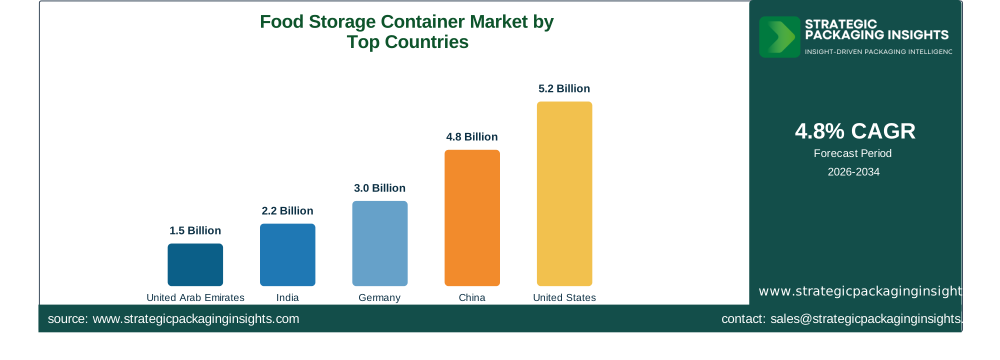
China is another major market for food storage containers, with a growing middle class and increasing disposable incomes driving demand. The market in China is characterized by a strong preference for eco-friendly and sustainable products, with consumers increasingly opting for containers made from biodegradable and recyclable materials. The rise of e-commerce and online retail channels is also contributing to market growth, providing manufacturers with a broader platform to reach consumers. The market is expected to grow at a CAGR of 6%, with the increasing focus on food safety and hygiene driving demand.
In Europe, Germany is a key market for food storage containers, driven by the high level of consumer awareness regarding environmental sustainability and food safety. The market in Germany is characterized by a strong preference for high-quality and durable products, with consumers willing to pay a premium for containers that offer superior functionality and design. The market is expected to grow at a CAGR of 4%, with innovations in materials and designs enhancing product appeal.
India is an emerging market for food storage containers, with a growing middle class and increasing disposable incomes driving demand. The market in India is characterized by a strong preference for affordable and durable products, with consumers increasingly opting for containers made from plastic and stainless steel. The rise of e-commerce and online retail channels is also contributing to market growth, providing manufacturers with a broader platform to reach consumers. The market is expected to grow at a CAGR of 7%, with the increasing focus on food safety and hygiene driving demand.
In the Middle East & Africa, the United Arab Emirates is a key market for food storage containers, driven by the high demand for convenient and efficient food storage solutions. The market in the UAE is characterized by a strong presence of key players and a high level of consumer awareness regarding food safety and sustainability. The growing trend of meal prepping and the increasing number of working professionals are further driving the demand for food storage containers. The market is expected to grow at a CAGR of 5%, with innovations in materials and designs enhancing product appeal.
Food Storage Container Market Segments Insights

Material Type Analysis
The Food Storage Container market is segmented by material type into plastic, glass, stainless steel, and silicone. Plastic containers dominate the market due to their affordability, lightweight nature, and versatility. They are widely used for household storage and meal prep applications, offering convenience and ease of use. However, the increasing environmental concerns and regulations regarding plastic usage are driving the demand for alternative materials. Glass containers are gaining popularity due to their durability, non-reactive nature, and ability to preserve food quality. They are preferred for refrigeration and commercial foodservice applications, where food safety and hygiene are paramount.
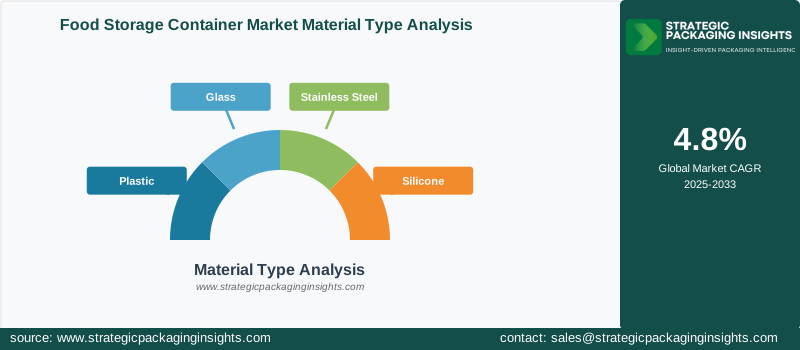
Stainless steel containers are also witnessing increased demand, particularly in the commercial foodservice sector, due to their durability, resistance to corrosion, and ability to withstand high temperatures. They are ideal for storing hot foods and are often used in professional kitchens and catering services. Silicone containers are emerging as a popular choice for their flexibility, non-stick properties, and ability to withstand extreme temperatures. They are particularly favored for baking and microwave applications, offering versatility and convenience to consumers. The shift towards sustainable and eco-friendly materials is expected to drive further innovation and growth in this segment.
Product Type Analysis
The Food Storage Container market is segmented by product type into boxes, jars, canisters, and reusable bags. Boxes are the most commonly used product type, offering versatility and convenience for a wide range of storage needs. They are available in various sizes and designs, catering to different consumer preferences and applications. Jars are popular for storing dry goods and pantry items, providing an airtight seal to preserve freshness and prevent contamination. They are often used in household storage and meal prep applications, offering a practical and aesthetically pleasing solution for organizing kitchen spaces.
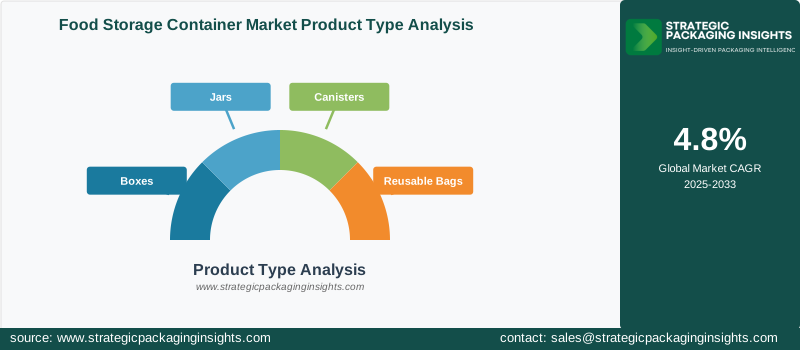
Canisters are favored for their durability and ability to store bulk quantities of food items. They are commonly used in commercial foodservice applications, where large volumes of food need to be stored and accessed easily. Reusable bags are gaining popularity due to their eco-friendly nature and convenience for on-the-go storage. They are ideal for packing lunches and snacks, offering a sustainable alternative to single-use plastic bags. The increasing focus on sustainability and the growing demand for reusable and recyclable products are driving innovation and growth in this segment, with manufacturers introducing new designs and materials to meet consumer needs.
Application Analysis
The Food Storage Container market is segmented by application into household storage, meal prep, commercial foodservice, and refrigeration. Household storage is the largest application segment, driven by the increasing demand for convenient and efficient storage solutions in homes. Consumers are increasingly opting for containers that offer versatility, durability, and aesthetic appeal, catering to their diverse storage needs. Meal prep is another significant application segment, driven by the growing trend of preparing meals in advance to save time and ensure healthy eating habits. The demand for containers that offer portion control and easy storage is driving growth in this segment.
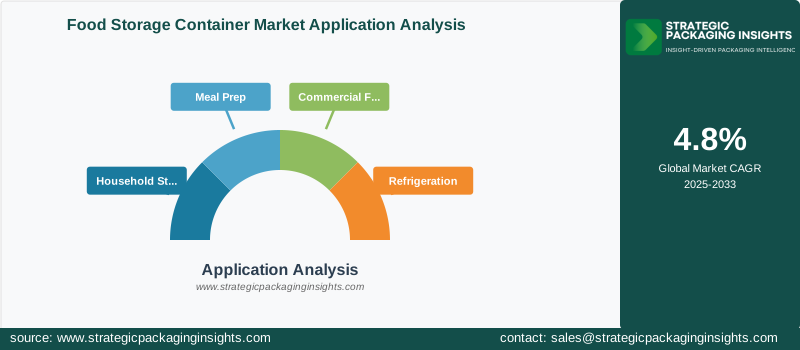
Commercial foodservice is a key application segment, with the increasing demand for takeaway and delivery services driving the need for reliable and durable storage solutions. Containers that offer airtight seals, temperature resistance, and ease of handling are preferred in this segment, catering to the needs of professional kitchens and catering services. Refrigeration is another important application segment, with consumers seeking containers that preserve food quality and extend shelf life. The demand for containers that offer airtight seals and temperature resistance is driving growth in this segment, with manufacturers focusing on innovation and product differentiation to meet consumer needs.
Distribution Channel Analysis
The Food Storage Container market is segmented by distribution channel into supermarkets, online, specialty stores, and wholesale. Supermarkets are the largest distribution channel, offering consumers a wide range of products and brands to choose from. They provide convenience and accessibility, allowing consumers to compare products and make informed purchasing decisions. Online retail is a rapidly growing distribution channel, driven by the increasing penetration of the internet and the growing popularity of e-commerce. Consumers are increasingly opting to purchase food storage containers online, attracted by the convenience, variety, and competitive pricing offered by online platforms.
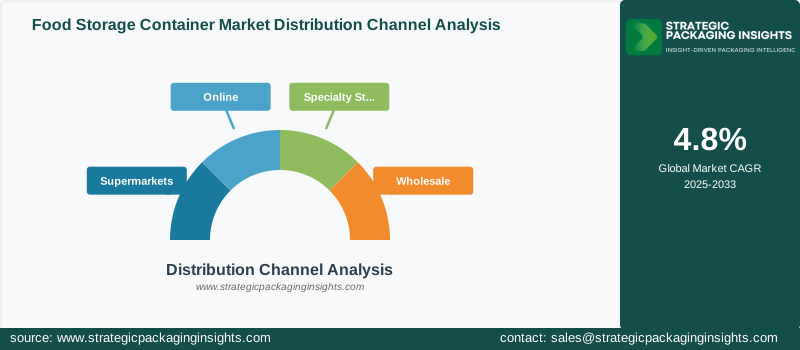
Specialty stores are favored by consumers seeking high-quality and unique products, offering a curated selection of food storage solutions that cater to specific needs and preferences. They provide a personalized shopping experience, with knowledgeable staff offering expert advice and recommendations. Wholesale is a key distribution channel for commercial foodservice applications, providing bulk quantities of containers at competitive prices. The increasing demand for takeaway and delivery services is driving growth in this segment, with manufacturers focusing on expanding their distribution networks to reach a wider customer base.
Food Storage Container Market Segments
The Food Storage Container market has been segmented on the basis ofMaterial Type
- Plastic
- Glass
- Stainless Steel
- Silicone
Product Type
- Boxes
- Jars
- Canisters
- Reusable Bags
Application
- Household Storage
- Meal Prep
- Commercial Foodservice
- Refrigeration
Distribution Channel
- Supermarkets
- Online
- Specialty Stores
- Wholesale
Region
- Asia Pacific
- North America
- Latin America
- Europe
- Middle East & Africa




