


Jars Market Outlook
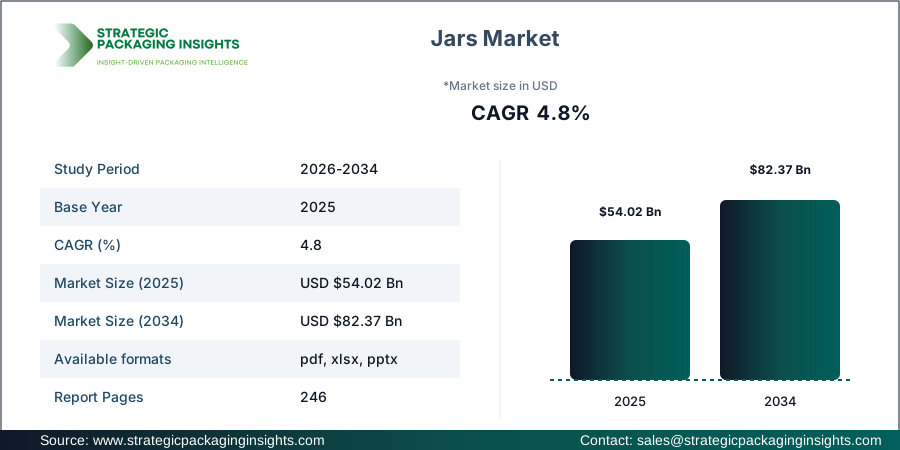
The Jars market size was valued at USD 54.02 billion in 2025 and is anticipated to reach USD 82.37 billion by 2034, growing at a CAGR of 4.8% during the forecast period according to Strategic Packaging Insights. The market is witnessing significant growth due to the increasing demand for sustainable and versatile packaging solutions across various industries. Companies like Berry Global and Gerresheimer are at the forefront, leveraging innovative materials and designs to cater to evolving consumer preferences. The rise in e-commerce and the need for durable packaging solutions are further propelling the market's expansion.
One of the most impactful drivers of the Jars market is the growing consumer awareness and preference for eco-friendly packaging solutions. According to recent reports, consumers are increasingly opting for products that offer sustainable packaging, which is pushing manufacturers to innovate and adopt greener practices. This trend is supported by government regulations aimed at reducing plastic waste and promoting recycling. Companies like O-I Glass and Ardagh Group are investing heavily in research and development to create jars that not only meet consumer demands but also comply with stringent environmental standards.
Report Scope
| Attributes | Details |
| Report Title | Jars Market Size, Future Growth and Forecast 2034 |
| Material Type | Glass, Plastic, Metal, Ceramic |
| Product Type | Food Jars, Cosmetic Jars, Pharma Jars, Storage Jars |
| Capacity | Below 250 ml, 250–1000 ml, Above 1000 ml |
| End Use | Food & Beverage, Personal Care, Healthcare, Retail |
| Region | Asia Pacific, North America, Latin America, Europe, Middle East & Africa |
| Base Year | 2025 |
| Historic Period | 2018-2024 |
| Forecast Period | 2026-2034 |
| Number of Pages | 246 |
| Customization Available | Yes* |
Sustainability & Circular Economy Analysis
Sustainability initiatives are reshaping the Jars market, with a strong emphasis on recyclable materials and eco-friendly innovations. Companies are increasingly adopting lightweight packaging solutions to reduce material usage and carbon footprint. For instance, the use of glass and metal, which are highly recyclable, is gaining traction. This shift is driven by consumer demand for sustainable products and regulatory pressures to minimize environmental impact. As a result, manufacturers are investing in advanced technologies to enhance the recyclability and reusability of jars, aligning with circular economy principles.
The integration of circular economy practices is influencing packaging design and manufacturing processes. Companies are focusing on waste reduction strategies and extended producer responsibility (EPR) to ensure compliance with environmental regulations. This approach not only enhances brand reputation but also offers long-term market competitiveness. By prioritizing eco-friendly material innovation, companies like Amcor and Silgan Holdings are setting new standards in the industry, encouraging others to follow suit.
Consumer preferences for sustainable packaging are driving investment decisions and supply chain strategies. Packaging manufacturers are collaborating with suppliers and retailers to develop solutions that meet sustainability goals. This collaboration is crucial for achieving regulatory compliance and maintaining a competitive edge in the market. As a result, the Jars market is witnessing a shift towards more sustainable practices, with companies like Alpha Packaging and Pretium Packaging leading the way in adopting ESG initiatives and reducing their carbon footprint.
Packaging Value Chain & Supply Chain Analysis
The packaging value chain for jars involves a complex ecosystem of raw material sourcing, manufacturing, and distribution. Raw materials such as glass, plastic, and metal are sourced from global suppliers, with packaging converters and manufacturers playing a crucial role in transforming these materials into finished products. Companies like TricorBraun and Berlin Packaging are key players in this space, leveraging their expertise in packaging machinery and logistics to ensure efficient production and distribution.
Supply chain efficiency is critical for maintaining competitiveness in the Jars market. The availability of raw materials and transportation capabilities significantly influence production timelines and costs. Strategic partnerships with logistics providers and distributors are essential for optimizing inventory management and ensuring timely delivery to retailers and end-users. Companies are increasingly focusing on localization and global sourcing strategies to enhance supply chain resilience and mitigate risks associated with geopolitical uncertainties.
Recycling networks and procurement strategies are integral to the packaging value chain, particularly in the context of sustainability. Manufacturers are collaborating with recycling facilities to ensure the proper disposal and reuse of packaging materials. This collaboration not only supports environmental goals but also enhances brand image and consumer trust. By adopting innovative procurement strategies, companies can secure a steady supply of raw materials while minimizing environmental impact, thereby strengthening their position in the market.
Opportunities & Threats
The Jars market presents numerous opportunities for growth, driven by the increasing demand for sustainable packaging solutions. The rise in consumer awareness regarding environmental issues is encouraging manufacturers to develop eco-friendly jars that cater to this demand. Companies that invest in research and development to create innovative, sustainable packaging solutions are likely to gain a competitive edge. Additionally, the expansion of e-commerce and the growing popularity of online shopping are creating new opportunities for the jars market, as durable and attractive packaging becomes essential for product differentiation.
Another significant opportunity lies in the customization of jars to meet specific consumer needs. As personalization becomes a key trend in the packaging industry, companies that offer customizable jar solutions are well-positioned to capture a larger market share. This trend is particularly evident in the cosmetic and personal care sectors, where unique packaging designs can enhance brand appeal and consumer engagement. By leveraging advanced manufacturing technologies, companies can offer a wide range of customizable options, catering to diverse consumer preferences and boosting market growth.
Despite the opportunities, the Jars market faces several threats, including regulatory challenges and fluctuating raw material prices. Stringent environmental regulations and policies aimed at reducing plastic waste can pose significant challenges for manufacturers, particularly those reliant on plastic materials. Additionally, the volatility of raw material prices can impact production costs and profit margins, making it essential for companies to adopt effective risk management strategies. By diversifying their material sourcing and investing in sustainable alternatives, companies can mitigate these threats and maintain their market position.
Drivers & Challenges
The primary driver of the Jars market is the increasing demand for sustainable and versatile packaging solutions. As consumers become more environmentally conscious, there is a growing preference for packaging that is not only functional but also eco-friendly. This trend is encouraging manufacturers to innovate and develop jars made from recyclable materials such as glass and metal. Companies like Berry Global and Gerresheimer are leading the way by investing in research and development to create sustainable packaging solutions that meet consumer demands and regulatory requirements.
Another significant driver is the expansion of the food and beverage industry, which is a major end-user of jars. The growing demand for packaged food products and beverages is fueling the need for durable and attractive packaging solutions. Jars offer a versatile packaging option that can preserve product quality and enhance shelf appeal. As a result, manufacturers are focusing on developing jars that cater to the specific needs of the food and beverage industry, driving market growth and creating new opportunities for innovation.
However, the Jars market also faces several challenges, including the high cost of raw materials and the complexity of recycling processes. The volatility of raw material prices can impact production costs and profit margins, making it essential for companies to adopt effective cost management strategies. Additionally, the recycling of certain materials, such as plastic, can be complex and costly, posing challenges for manufacturers looking to adopt sustainable practices. By investing in advanced recycling technologies and exploring alternative materials, companies can overcome these challenges and maintain their competitive edge in the market.
Market Share Analysis
The competitive landscape of the Jars market is characterized by the presence of several key players, each striving to capture a significant share of the market. Companies like Berry Global, Gerresheimer, and O-I Glass are leading the market with their innovative packaging solutions and strong focus on sustainability. These companies have established themselves as leaders by investing in research and development to create eco-friendly jars that meet consumer demands and regulatory requirements.
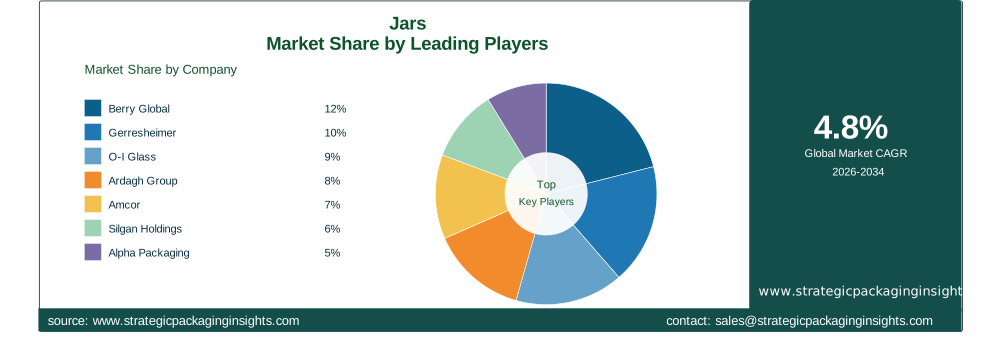
Berry Global is a prominent player in the Jars market, known for its extensive range of packaging solutions and commitment to sustainability. The company has a strong global presence, with operations in multiple countries and a diverse portfolio of products catering to various industries. Gerresheimer, another key player, is renowned for its expertise in glass and plastic packaging, offering innovative solutions for the pharmaceutical and healthcare sectors. The company's focus on quality and sustainability has earned it a strong reputation in the market.
O-I Glass is a leading manufacturer of glass packaging solutions, with a strong emphasis on sustainability and innovation. The company has a global presence, with operations in over 20 countries and a diverse range of products catering to the food and beverage industry. Ardagh Group is another major player, known for its expertise in metal and glass packaging. The company's commitment to sustainability and innovation has enabled it to capture a significant share of the market.
Amcor and Silgan Holdings are also key players in the Jars market, offering a wide range of packaging solutions for various industries. Amcor is known for its innovative approach to packaging design and sustainability, while Silgan Holdings is renowned for its expertise in metal and plastic packaging. Both companies have a strong global presence and are committed to meeting the evolving needs of consumers and regulatory requirements.
Key Highlights
- Market Size: The Jars market was valued at USD 54.02 billion in 2025 and is projected to reach USD 82.37 billion by 2034.
- Growth Rate: The market is expected to grow at a CAGR of 4.8% during the forecast period.
- Leading Companies: Key players include Berry Global, Gerresheimer, O-I Glass, and Ardagh Group.
- Material Trends: Increasing demand for glass and metal jars due to their recyclability.
- End-Use Sectors: Food & Beverage and Personal Care are major end-use sectors driving demand.
- Regional Insights: Asia Pacific is expected to witness the highest growth rate.
- Innovation Focus: Companies are investing in sustainable and customizable packaging solutions.
Jars Market Segments Insights

Material Type Analysis
The Jars market is segmented by material type into glass, plastic, metal, and ceramic. Glass jars are gaining popularity due to their recyclability and ability to preserve product quality. Companies like O-I Glass and Ardagh Group are leading the way in glass jar production, focusing on sustainability and innovation. Plastic jars, while facing regulatory challenges, remain popular due to their lightweight and cost-effective nature. Manufacturers are investing in biodegradable plastics to address environmental concerns. Metal jars are favored for their durability and recyclability, with companies like Silgan Holdings offering a wide range of metal packaging solutions. Ceramic jars, though niche, are gaining traction in the premium segment, offering aesthetic appeal and product differentiation.

Trends in material innovation are driving competition in the Jars market. Companies are exploring new materials and technologies to enhance the sustainability and functionality of jars. The demand for eco-friendly materials is encouraging manufacturers to invest in research and development, leading to the introduction of innovative packaging solutions. As consumer preferences shift towards sustainable products, companies that offer environmentally friendly jars are likely to gain a competitive edge. The focus on material innovation is also influencing customer demand, with consumers increasingly opting for products that align with their sustainability values.
Product Type Analysis
The Jars market is segmented by product type into food jars, cosmetic jars, pharma jars, and storage jars. Food jars are the largest segment, driven by the growing demand for packaged food products and beverages. Companies like Berry Global and Amcor are leading the market with their innovative food jar solutions, focusing on sustainability and functionality. Cosmetic jars are gaining popularity due to the increasing demand for premium and personalized packaging solutions. Manufacturers are investing in advanced technologies to offer customizable options that enhance brand appeal and consumer engagement.
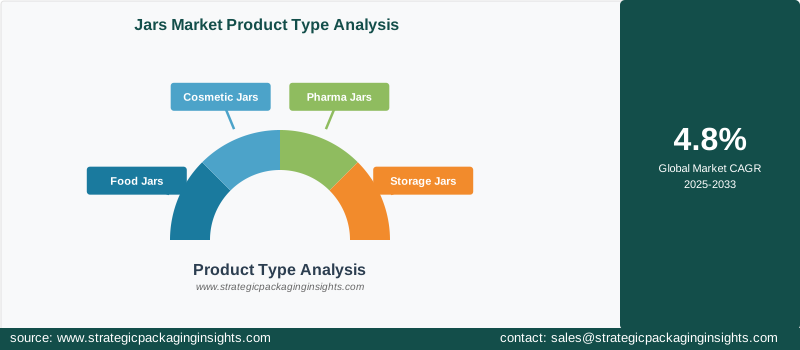
Pharma jars are witnessing significant growth, driven by the expanding pharmaceutical industry and the need for secure and reliable packaging solutions. Companies like Gerresheimer are at the forefront, offering innovative pharma jar solutions that meet stringent regulatory requirements. Storage jars, though a smaller segment, are gaining traction due to their versatility and ability to preserve product quality. The demand for storage jars is particularly evident in the retail sector, where consumers seek durable and attractive packaging solutions for everyday use.
Capacity Analysis
The Jars market is segmented by capacity into below 250 ml, 250-1000 ml, and above 1000 ml. Jars with a capacity of 250-1000 ml are the most popular, catering to a wide range of applications in the food and beverage, personal care, and healthcare sectors. Companies like TricorBraun and Berlin Packaging are leading the market with their diverse range of jar solutions, focusing on functionality and sustainability. Jars with a capacity below 250 ml are gaining popularity in the cosmetic and personal care sectors, where small, portable packaging solutions are in demand.

Jars with a capacity above 1000 ml are favored in the food and beverage industry, where bulk packaging solutions are required. The demand for large-capacity jars is driven by the growing trend of bulk buying and the need for durable packaging solutions that preserve product quality. Manufacturers are focusing on developing jars that cater to the specific needs of different industries, offering a wide range of capacity options to meet diverse consumer preferences. The focus on capacity innovation is influencing competition in the market, with companies striving to offer versatile and functional packaging solutions.
End Use Analysis
The Jars market is segmented by end use into food & beverage, personal care, healthcare, and retail. The food & beverage sector is the largest end-use segment, driven by the growing demand for packaged food products and beverages. Companies like Berry Global and Amcor are leading the market with their innovative food and beverage jar solutions, focusing on sustainability and functionality. The personal care sector is witnessing significant growth, driven by the increasing demand for premium and personalized packaging solutions. Manufacturers are investing in advanced technologies to offer customizable options that enhance brand appeal and consumer engagement.
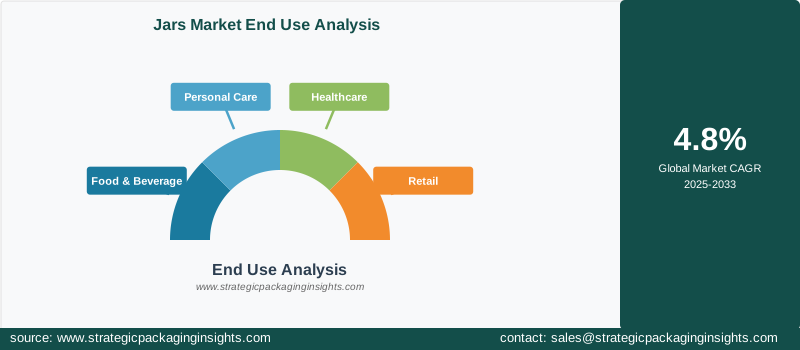
The healthcare sector is also a major end-user of jars, with companies like Gerresheimer offering innovative packaging solutions that meet stringent regulatory requirements. The demand for secure and reliable packaging solutions is driving growth in this segment, with manufacturers focusing on developing jars that cater to the specific needs of the healthcare industry. The retail sector, though a smaller segment, is gaining traction due to the growing trend of online shopping and the need for durable and attractive packaging solutions. The focus on end-use innovation is influencing competition in the market, with companies striving to offer versatile and functional packaging solutions that meet diverse consumer preferences.
Jars Market Segments
The Jars market has been segmented on the basis ofMaterial Type
- Glass
- Plastic
- Metal
- Ceramic
Product Type
- Food Jars
- Cosmetic Jars
- Pharma Jars
- Storage Jars
Capacity
- Below 250 ml
- 250–1000 ml
- Above 1000 ml
End Use
- Food & Beverage
- Personal Care
- Healthcare
- Retail
Region
- Asia Pacific
- North America
- Latin America
- Europe
- Middle East & Africa




