


Food Cling Film Market Outlook
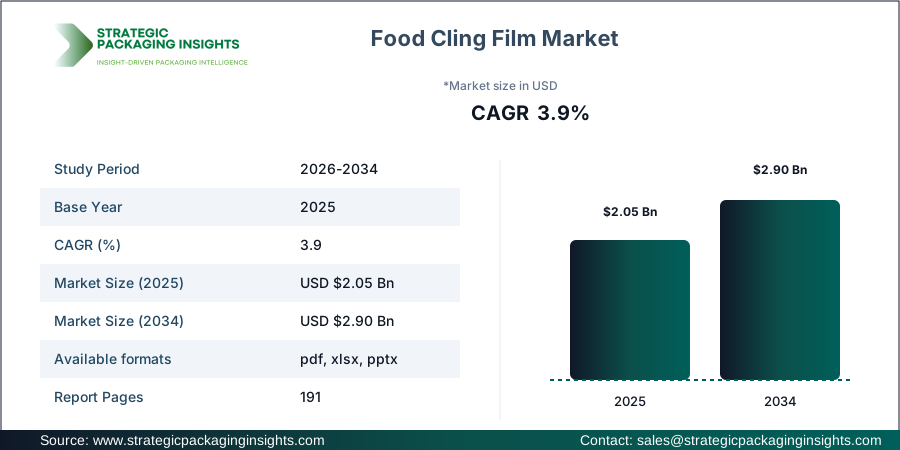
The Food Cling Film market was valued at $2.05 billion in 2025 and is projected to reach $2.90 billion by 2034, growing at a CAGR of 3.9% during the forecast period 2026-2034. This market is driven by the increasing demand for convenient and efficient food packaging solutions. The rise in consumer awareness regarding food safety and hygiene has significantly contributed to the growth of the food cling film market. Additionally, the growing trend of ready-to-eat meals and the expansion of the retail sector are further propelling the demand for food cling films. The market is also benefiting from technological advancements in packaging materials, which enhance the shelf life of food products, thereby reducing food wastage.
However, the market faces certain challenges, such as stringent environmental regulations regarding the use of plastic materials. The increasing focus on sustainability and the shift towards eco-friendly packaging solutions are expected to restrain the growth of traditional plastic-based cling films. Despite these challenges, the market holds significant growth potential due to the rising demand for biodegradable and compostable cling films. The development of innovative materials, such as biopolymers, is expected to create new opportunities for market players. Furthermore, the growing e-commerce sector and the increasing penetration of online grocery shopping are anticipated to drive the demand for food cling films in the coming years.
Report Scope
| Attributes | Details |
| Report Title | Food Cling Film Market Size, Future Growth and Forecast 2034 |
| By Material | PVC, PE, Biopolymers |
| By Application | Food Preservation, Retail, Consumer Products |
| By End Use | Home, Commercial, Retail |
| Region | Asia Pacific, North America, Latin America, Europe, Middle East & Africa |
| Base Year | 2025 |
| Historic Period | 2018-2024 |
| Forecast Period | 2026-2034 |
| Number of Pages | 191 |
| Customization Available | Yes* |
Opportunities & Threats
The Food Cling Film market presents numerous opportunities for growth, primarily driven by the increasing demand for sustainable packaging solutions. As consumers become more environmentally conscious, there is a growing preference for biodegradable and compostable cling films. This shift in consumer preference is encouraging manufacturers to invest in research and development to create innovative, eco-friendly products. Additionally, the expansion of the retail sector, particularly in emerging economies, is expected to boost the demand for food cling films. The rise in disposable income and changing lifestyles are leading to an increased consumption of packaged food products, further driving market growth.
Another significant opportunity lies in the technological advancements in packaging materials. The development of high-performance cling films that offer enhanced barrier properties and extended shelf life is gaining traction. These innovations are not only improving the quality of food preservation but also reducing food wastage, which is a critical concern globally. Moreover, the growing trend of online grocery shopping is creating new avenues for market expansion. As more consumers opt for home delivery services, the demand for efficient and reliable packaging solutions, such as food cling films, is expected to rise.
Despite the promising opportunities, the Food Cling Film market faces certain threats that could hinder its growth. One of the primary challenges is the stringent regulatory environment concerning the use of plastic materials. Governments worldwide are implementing policies to reduce plastic waste, which could impact the production and usage of traditional plastic-based cling films. Additionally, the volatility in raw material prices poses a significant threat to market players. Fluctuations in the cost of petroleum-based materials, which are commonly used in the production of cling films, can affect profit margins and overall market dynamics.
Drivers & Challenges
The Food Cling Film market is primarily driven by the increasing demand for convenient and efficient food packaging solutions. The rise in consumer awareness regarding food safety and hygiene has significantly contributed to the growth of the market. As consumers become more health-conscious, there is a growing preference for packaging materials that ensure the freshness and quality of food products. Additionally, the expansion of the retail sector, particularly in emerging economies, is driving the demand for food cling films. The rise in disposable income and changing lifestyles are leading to an increased consumption of packaged food products, further propelling market growth.
Another key driver is the technological advancements in packaging materials. The development of high-performance cling films that offer enhanced barrier properties and extended shelf life is gaining traction. These innovations are not only improving the quality of food preservation but also reducing food wastage, which is a critical concern globally. Moreover, the growing trend of online grocery shopping is creating new avenues for market expansion. As more consumers opt for home delivery services, the demand for efficient and reliable packaging solutions, such as food cling films, is expected to rise.
However, the market faces several challenges that could hinder its growth. One of the primary challenges is the stringent regulatory environment concerning the use of plastic materials. Governments worldwide are implementing policies to reduce plastic waste, which could impact the production and usage of traditional plastic-based cling films. Additionally, the volatility in raw material prices poses a significant threat to market players. Fluctuations in the cost of petroleum-based materials, which are commonly used in the production of cling films, can affect profit margins and overall market dynamics. Furthermore, the increasing competition from alternative packaging solutions, such as reusable containers and wraps, is also a challenge for the market.
Market Share Analysis
The Food Cling Film market is characterized by a competitive landscape with several key players vying for market share. Companies such as Saran, Glad, Reynolds, SC Johnson, Berry Global, AEP Industries, The Clorox Company, Novamont, Amcor, and Sealed Air are some of the prominent players in the market. These companies are focusing on product innovation, strategic partnerships, and mergers and acquisitions to strengthen their market position. The competitive rivalry in the market is intense, with players striving to offer high-quality, sustainable, and cost-effective solutions to meet the evolving consumer demands.
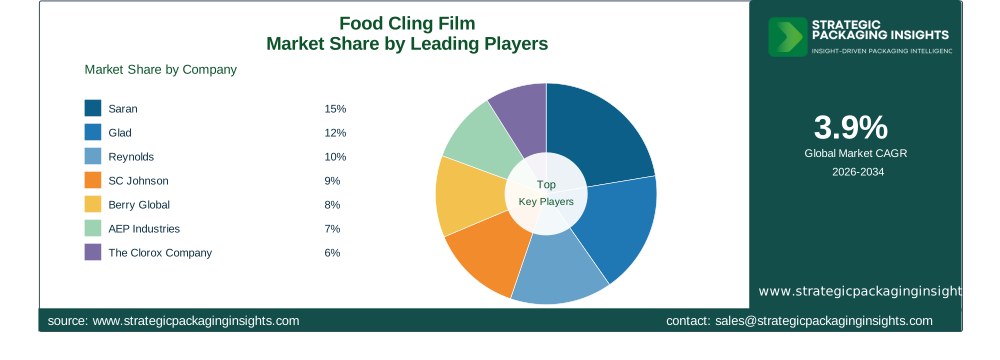
Saran, a leading player in the market, is known for its high-quality cling films that offer superior food preservation properties. The company is focusing on expanding its product portfolio to include eco-friendly options, catering to the growing demand for sustainable packaging solutions. Glad, another major player, is leveraging its strong brand presence and extensive distribution network to maintain its market position. The company is also investing in research and development to introduce innovative products that meet consumer needs.
Reynolds and SC Johnson are also significant players in the market, known for their wide range of packaging solutions. These companies are focusing on enhancing their product offerings by incorporating advanced technologies and sustainable materials. Berry Global and AEP Industries are emphasizing strategic partnerships and collaborations to expand their market reach and strengthen their competitive edge. The Clorox Company, Novamont, Amcor, and Sealed Air are also key players, contributing to the market's growth through their innovative product offerings and strategic initiatives.
Key Highlights
- The Food Cling Film market is projected to grow at a CAGR of 3.9% from 2026 to 2034.
- Increasing demand for sustainable packaging solutions is driving market growth.
- Technological advancements in packaging materials are enhancing product quality and shelf life.
- The expansion of the retail sector is boosting the demand for food cling films.
- Stringent environmental regulations pose a challenge to traditional plastic-based cling films.
- Biodegradable and compostable cling films are gaining popularity among consumers.
- The rise in online grocery shopping is creating new opportunities for market expansion.
- Fluctuations in raw material prices are a significant challenge for market players.
- Key players are focusing on product innovation and strategic partnerships to strengthen their market position.
Top Countries Insights
In the Food Cling Film market, the United States holds a significant share, driven by the high demand for convenient and efficient food packaging solutions. The market in the U.S. is expected to grow at a CAGR of 4%, supported by the expansion of the retail sector and the increasing trend of online grocery shopping. The presence of major market players and the focus on product innovation are also contributing to the market's growth.
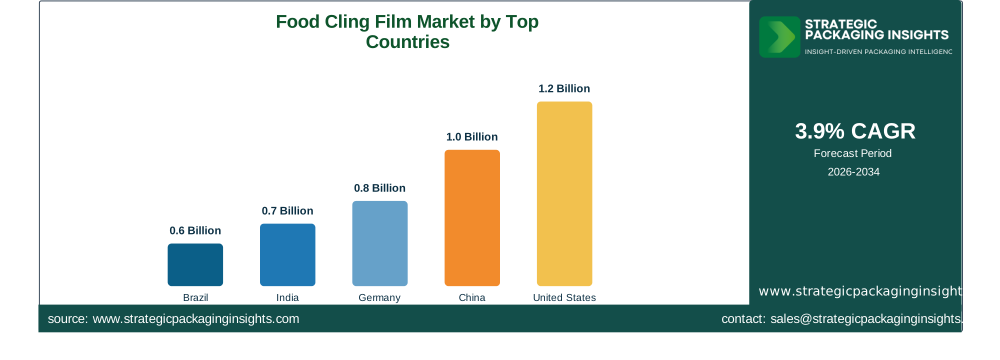
China is another key market for food cling films, with a projected CAGR of 5%. The rapid urbanization and changing consumer lifestyles are driving the demand for packaged food products, thereby boosting the market. The government's initiatives to promote sustainable packaging solutions are also expected to support market growth in the country.
In Europe, Germany is a leading market for food cling films, with a CAGR of 3%. The increasing focus on sustainability and the shift towards eco-friendly packaging solutions are driving the market. The presence of stringent environmental regulations is encouraging manufacturers to develop innovative, biodegradable products.
India is witnessing significant growth in the food cling film market, with a CAGR of 6%. The rising disposable income and changing consumer preferences are leading to an increased consumption of packaged food products. The expansion of the retail sector and the growing trend of online grocery shopping are also contributing to the market's growth.
Brazil is another important market, with a CAGR of 4%. The increasing demand for convenient food packaging solutions and the expansion of the retail sector are driving the market. The focus on sustainable packaging solutions is also expected to support market growth in the country.
Food Cling Film Market Segments Insights

By Material Analysis
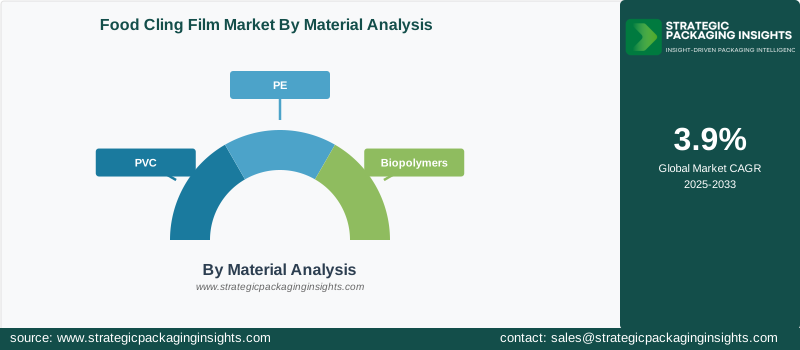
The Food Cling Film market is segmented by material into PVC, PE, and Biopolymers. PVC cling films are widely used due to their excellent clarity and flexibility, making them ideal for food preservation. However, the environmental concerns associated with PVC are driving the demand for alternative materials. PE cling films are gaining popularity due to their recyclability and lower environmental impact. The development of biopolymers is creating new opportunities for market players, as these materials offer a sustainable alternative to traditional plastics. The increasing focus on sustainability and the shift towards eco-friendly packaging solutions are expected to drive the demand for biopolymer-based cling films.
The competition in the material segment is intense, with manufacturers focusing on product innovation and the development of sustainable materials. The demand for high-performance cling films that offer enhanced barrier properties and extended shelf life is driving the market. The increasing consumer awareness regarding the environmental impact of packaging materials is encouraging manufacturers to invest in research and development to create innovative, eco-friendly products. The shift towards sustainable packaging solutions is expected to create new growth opportunities for market players in the coming years.
By Application Analysis
The Food Cling Film market is segmented by application into Food Preservation, Retail, and Consumer Products. Food preservation is the largest application segment, driven by the increasing demand for convenient and efficient packaging solutions. The rise in consumer awareness regarding food safety and hygiene is contributing to the growth of this segment. The retail segment is also witnessing significant growth, supported by the expansion of the retail sector and the increasing trend of online grocery shopping. The demand for reliable and efficient packaging solutions in the retail sector is driving the market.
The consumer products segment is expected to grow at a steady pace, driven by the increasing demand for packaged food products. The rise in disposable income and changing consumer lifestyles are leading to an increased consumption of packaged food products, further propelling market growth. The competition in the application segment is intense, with manufacturers focusing on product innovation and the development of high-performance cling films that offer enhanced barrier properties and extended shelf life. The increasing focus on sustainability and the shift towards eco-friendly packaging solutions are expected to drive the demand for innovative products in the coming years.
By End Use Analysis
The Food Cling Film market is segmented by end use into Home, Commercial, and Retail. The home segment is the largest end-use segment, driven by the increasing demand for convenient and efficient food packaging solutions. The rise in consumer awareness regarding food safety and hygiene is contributing to the growth of this segment. The commercial segment is also witnessing significant growth, supported by the expansion of the food service industry and the increasing trend of online food delivery services. The demand for reliable and efficient packaging solutions in the commercial sector is driving the market.
The retail segment is expected to grow at a steady pace, driven by the increasing demand for packaged food products. The rise in disposable income and changing consumer lifestyles are leading to an increased consumption of packaged food products, further propelling market growth. The competition in the end-use segment is intense, with manufacturers focusing on product innovation and the development of high-performance cling films that offer enhanced barrier properties and extended shelf life. The increasing focus on sustainability and the shift towards eco-friendly packaging solutions are expected to drive the demand for innovative products in the coming years.
Food Cling Film Market Segments
The Food Cling Film market has been segmented on the basis ofBy Material
- PVC
- PE
- Biopolymers
By Application
- Food Preservation
- Retail
- Consumer Products
By End Use
- Home
- Commercial
- Retail
Region
- Asia Pacific
- North America
- Latin America
- Europe
- Middle East & Africa




