


Foam-Free Snack Inserts Market Outlook
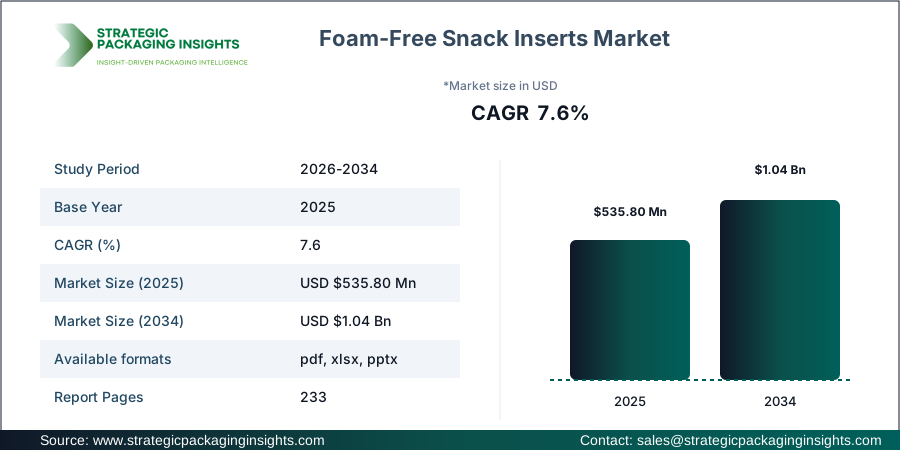
The Foam-Free Snack Inserts market was valued at $535.80 million in 2025 and is projected to reach $1.04 billion by 2034, growing at a CAGR of 7.6% during the forecast period 2026-2034. This market is witnessing significant growth due to the increasing demand for sustainable and eco-friendly packaging solutions. As consumers become more environmentally conscious, the shift from traditional foam-based inserts to foam-free alternatives is gaining momentum. The market is driven by the rising awareness of the environmental impact of foam packaging and the stringent regulations imposed by governments worldwide to reduce plastic waste. The demand for foam-free snack inserts is further fueled by the growing snack industry, which requires innovative packaging solutions to enhance product appeal and shelf life.
Report Scope
| Attributes | Details |
| Report Title | Foam-Free Snack Inserts Market Size, Future Growth and Forecast 2034 |
| Material Type | Molded Fiber, Paperboard, Recycled Plastic, Corrugated Inserts |
| Application | Snacks, Confectionery, Bakery, Premium Food |
| Format | Trays, Separators, Cushioning Inserts |
| End Use | Food Brands, Retailers, E-commerce |
| Region | Asia Pacific, North America, Latin America, Europe, Middle East & Africa |
| Base Year | 2025 |
| Historic Period | 2018-2024 |
| Forecast Period | 2026-2034 |
| Number of Pages | 233 |
| Customization Available | Yes* |
Opportunities & Threats
The Foam-Free Snack Inserts market presents numerous opportunities for growth, primarily driven by the increasing consumer preference for sustainable packaging solutions. As environmental concerns continue to rise, consumers are actively seeking products that align with their eco-friendly values. This shift in consumer behavior is encouraging manufacturers to innovate and develop foam-free snack inserts that not only meet sustainability standards but also offer enhanced functionality and aesthetics. Additionally, the growing trend of premiumization in the food industry is creating opportunities for foam-free snack inserts, as premium food brands seek packaging solutions that reflect their high-quality offerings. The expansion of e-commerce and online food delivery services is also contributing to the demand for foam-free snack inserts, as these platforms require packaging that ensures product safety during transit.
However, the market also faces certain threats that could hinder its growth. One of the primary challenges is the high cost associated with the production of foam-free snack inserts compared to traditional foam-based packaging. The use of sustainable materials and advanced manufacturing processes can increase production costs, which may be passed on to consumers in the form of higher product prices. Additionally, the lack of awareness and understanding of foam-free packaging solutions among consumers and businesses can pose a threat to market growth. Educating stakeholders about the benefits and advantages of foam-free snack inserts is crucial to overcoming this challenge and driving market adoption.
Drivers & Challenges
The Foam-Free Snack Inserts market is primarily driven by the increasing demand for sustainable packaging solutions. As consumers become more environmentally conscious, there is a growing preference for packaging materials that are biodegradable, recyclable, and compostable. This shift in consumer behavior is encouraging manufacturers to develop innovative foam-free snack inserts that meet these sustainability criteria. Additionally, government regulations aimed at reducing plastic waste and promoting sustainable packaging practices are further driving the demand for foam-free snack inserts. The growing snack industry, coupled with the rising trend of premiumization, is also contributing to market growth, as food brands seek packaging solutions that enhance product appeal and differentiate their offerings in a competitive market.
Despite the positive growth drivers, the Foam-Free Snack Inserts market faces several challenges that could impact its expansion. One of the key challenges is the high cost of production associated with foam-free packaging solutions. The use of sustainable materials and advanced manufacturing processes can increase production costs, which may be passed on to consumers in the form of higher product prices. Additionally, the lack of awareness and understanding of foam-free packaging solutions among consumers and businesses can pose a challenge to market growth. Educating stakeholders about the benefits and advantages of foam-free snack inserts is crucial to overcoming this challenge and driving market adoption. Furthermore, the availability of alternative packaging solutions, such as biodegradable foam and other eco-friendly materials, can also pose a challenge to the growth of the foam-free snack inserts market.
Market Share Analysis
The Foam-Free Snack Inserts market is characterized by a competitive landscape with several key players vying for market share. Companies such as Huhtamaki, Pactiv Evergreen, Sonoco, Graphic Packaging International, Smurfit Kappa, DS Smith, WestRock, Genpak, Sabert, and CKF Inc. are some of the prominent players in this market. These companies are focusing on product innovation, strategic partnerships, and mergers and acquisitions to strengthen their market position and expand their product offerings. The competitive landscape is further intensified by the presence of regional players who are leveraging their local expertise and distribution networks to gain a competitive edge.
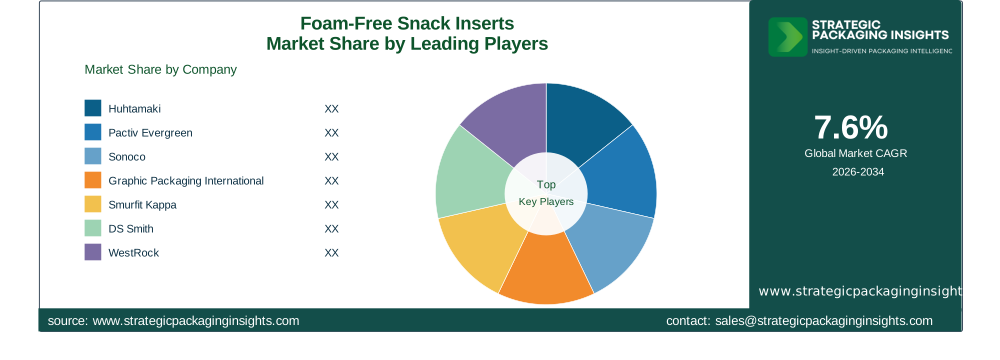
Huhtamaki, a leading player in the foam-free snack inserts market, is known for its innovative packaging solutions that prioritize sustainability and functionality. The company has a strong presence in the global market and is continuously investing in research and development to enhance its product portfolio. Pactiv Evergreen, another key player, is focused on providing sustainable packaging solutions that meet the evolving needs of consumers and businesses. The company is committed to reducing its environmental footprint and has implemented various initiatives to achieve its sustainability goals.
Sonoco, a global packaging solutions provider, is actively involved in the development of foam-free snack inserts that offer superior protection and performance. The company is leveraging its extensive experience and expertise in the packaging industry to deliver innovative solutions that meet the demands of the market. Graphic Packaging International is also a major player in the foam-free snack inserts market, offering a wide range of packaging solutions that cater to the needs of various industries. The company is focused on sustainability and is committed to reducing its environmental impact through the use of eco-friendly materials and processes.
Smurfit Kappa, DS Smith, and WestRock are other notable players in the foam-free snack inserts market, each with a strong focus on sustainability and innovation. These companies are investing in research and development to create packaging solutions that not only meet the needs of consumers but also contribute to a more sustainable future. Genpak, Sabert, and CKF Inc. are also key players in the market, offering a diverse range of foam-free snack inserts that cater to the needs of various industries. These companies are committed to providing high-quality, sustainable packaging solutions that enhance product appeal and ensure product safety.
Key Highlights
- The Foam-Free Snack Inserts market is projected to grow at a CAGR of 7.6% from 2026 to 2034.
- Increasing consumer preference for sustainable packaging solutions is driving market growth.
- Government regulations aimed at reducing plastic waste are boosting demand for foam-free snack inserts.
- The growing snack industry and trend of premiumization are contributing to market expansion.
- High production costs and lack of awareness are key challenges facing the market.
- Key players in the market include Huhtamaki, Pactiv Evergreen, Sonoco, and Graphic Packaging International.
- Product innovation and strategic partnerships are key strategies adopted by market players.
- The expansion of e-commerce and online food delivery services is driving demand for foam-free snack inserts.
- Alternative packaging solutions, such as biodegradable foam, pose a challenge to market growth.
- Regional players are leveraging local expertise to gain a competitive edge in the market.
Top Countries Insights
In the Foam-Free Snack Inserts market, the United States is a leading player, with a market size of approximately $250 million and a CAGR of 6%. The country's strong focus on sustainability and environmental regulations is driving the demand for foam-free snack inserts. The growing snack industry and the trend of premiumization are also contributing to market growth. However, the high cost of production and the availability of alternative packaging solutions pose challenges to market expansion.
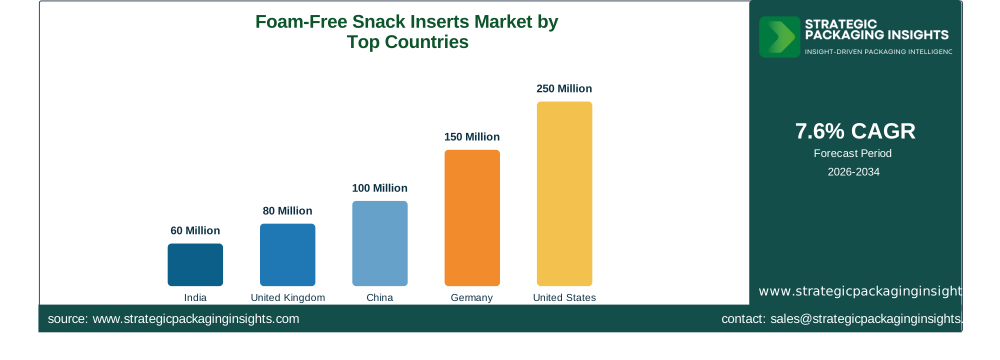
Germany is another key market for foam-free snack inserts, with a market size of around $150 million and a CAGR of 7%. The country's stringent environmental regulations and strong consumer preference for sustainable packaging solutions are driving market growth. The presence of key players in the region and the growing trend of premiumization in the food industry are also contributing to market expansion. However, the high cost of production and the lack of awareness among consumers pose challenges to market growth.
China is a rapidly growing market for foam-free snack inserts, with a market size of approximately $100 million and a CAGR of 9%. The country's large population and growing middle class are driving demand for sustainable packaging solutions. The expansion of e-commerce and online food delivery services is also contributing to market growth. However, the lack of awareness and understanding of foam-free packaging solutions among consumers and businesses poses a challenge to market growth.
In the United Kingdom, the foam-free snack inserts market is valued at around $80 million, with a CAGR of 5%. The country's strong focus on sustainability and environmental regulations is driving demand for foam-free snack inserts. The growing snack industry and the trend of premiumization are also contributing to market growth. However, the high cost of production and the availability of alternative packaging solutions pose challenges to market expansion.
India is an emerging market for foam-free snack inserts, with a market size of approximately $60 million and a CAGR of 8%. The country's large population and growing middle class are driving demand for sustainable packaging solutions. The expansion of e-commerce and online food delivery services is also contributing to market growth. However, the lack of awareness and understanding of foam-free packaging solutions among consumers and businesses poses a challenge to market growth.
Foam-Free Snack Inserts Market Segments Insights

Material Type Analysis
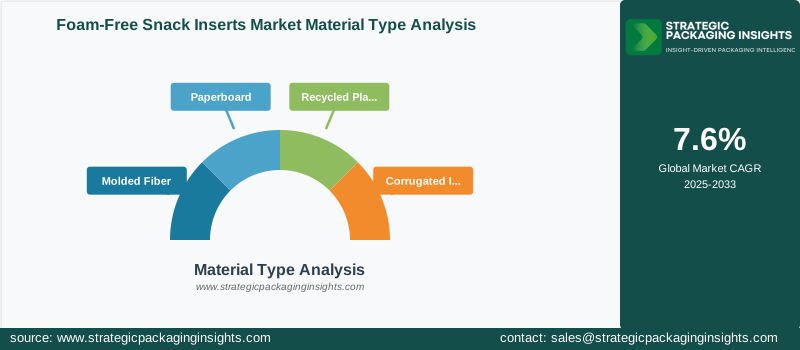
The Foam-Free Snack Inserts market is segmented by material type into molded fiber, paperboard, recycled plastic, and corrugated inserts. Molded fiber is gaining traction due to its biodegradable nature and ability to provide excellent cushioning and protection for snacks. This material type is favored by environmentally conscious consumers and brands looking to reduce their carbon footprint. Paperboard, known for its versatility and recyclability, is also a popular choice among manufacturers. It offers a balance between cost-effectiveness and sustainability, making it an attractive option for many food brands. Recycled plastic, while less popular due to environmental concerns, is still used by some manufacturers seeking to utilize existing plastic resources. Corrugated inserts, known for their strength and durability, are preferred for heavier snack products that require additional protection during transit.
The demand for foam-free snack inserts made from sustainable materials is driven by the increasing consumer preference for eco-friendly packaging solutions. As consumers become more aware of the environmental impact of traditional foam packaging, they are actively seeking alternatives that align with their values. This shift in consumer behavior is encouraging manufacturers to innovate and develop foam-free snack inserts that not only meet sustainability standards but also offer enhanced functionality and aesthetics. Additionally, government regulations aimed at reducing plastic waste and promoting sustainable packaging practices are further driving the demand for foam-free snack inserts made from sustainable materials.
Application Analysis
The Foam-Free Snack Inserts market is segmented by application into snacks, confectionery, bakery, and premium food. The snacks segment is the largest application segment, driven by the growing demand for convenient and on-the-go snack options. Foam-free snack inserts provide the necessary protection and presentation for snack products, enhancing their appeal to consumers. The confectionery segment is also experiencing significant growth, as manufacturers seek packaging solutions that preserve the quality and freshness of their products. Foam-free snack inserts offer the necessary protection and presentation for confectionery products, making them an attractive option for manufacturers.
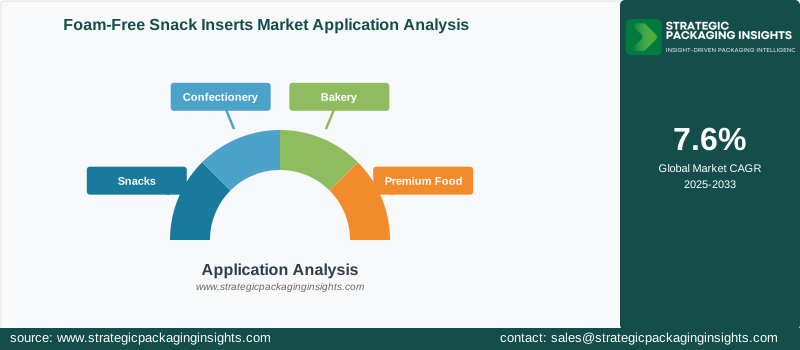
The bakery segment is another key application area for foam-free snack inserts, as these products require packaging solutions that maintain their freshness and quality. Foam-free snack inserts provide the necessary protection and presentation for bakery products, enhancing their appeal to consumers. The premium food segment is also experiencing growth, as manufacturers seek packaging solutions that reflect the high-quality nature of their products. Foam-free snack inserts offer the necessary protection and presentation for premium food products, making them an attractive option for manufacturers. The demand for foam-free snack inserts in these application areas is driven by the increasing consumer preference for sustainable packaging solutions and the growing trend of premiumization in the food industry.
Format Analysis
The Foam-Free Snack Inserts market is segmented by format into trays, separators, and cushioning inserts. Trays are the most commonly used format, providing a stable base for snack products and enhancing their presentation. They are favored by manufacturers for their versatility and ability to accommodate a wide range of snack products. Separators, used to divide and organize snack products within a package, are also popular among manufacturers. They provide the necessary protection and presentation for snack products, enhancing their appeal to consumers. Cushioning inserts, designed to protect snack products during transit, are favored by manufacturers for their ability to provide superior protection and presentation.
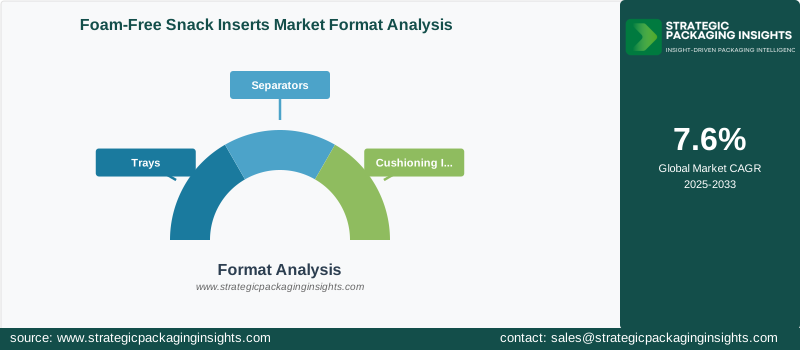
The demand for foam-free snack inserts in these formats is driven by the increasing consumer preference for sustainable packaging solutions and the growing trend of premiumization in the food industry. As consumers become more aware of the environmental impact of traditional foam packaging, they are actively seeking alternatives that align with their values. This shift in consumer behavior is encouraging manufacturers to innovate and develop foam-free snack inserts that not only meet sustainability standards but also offer enhanced functionality and aesthetics. Additionally, government regulations aimed at reducing plastic waste and promoting sustainable packaging practices are further driving the demand for foam-free snack inserts in these formats.
End Use Analysis
The Foam-Free Snack Inserts market is segmented by end use into food brands, retailers, and e-commerce. Food brands are the largest end-use segment, driven by the growing demand for sustainable packaging solutions that enhance product appeal and differentiate their offerings in a competitive market. Foam-free snack inserts provide the necessary protection and presentation for food products, making them an attractive option for food brands. Retailers are also a key end-use segment, as they seek packaging solutions that enhance product appeal and ensure product safety during transit. Foam-free snack inserts offer the necessary protection and presentation for retail products, making them an attractive option for retailers.
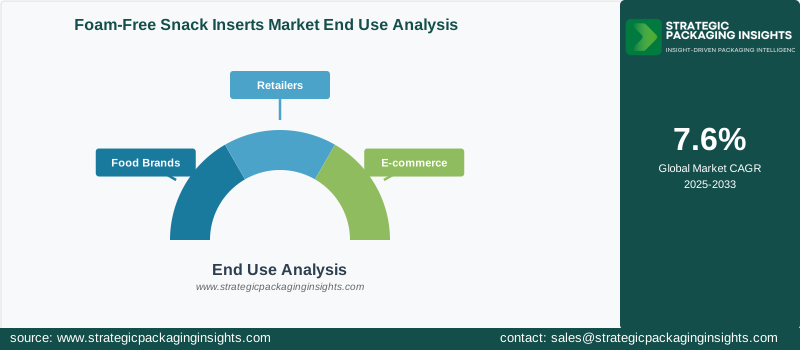
The e-commerce segment is experiencing significant growth, driven by the expansion of online food delivery services and the growing demand for convenient and on-the-go snack options. Foam-free snack inserts provide the necessary protection and presentation for e-commerce products, ensuring product safety during transit. The demand for foam-free snack inserts in these end-use segments is driven by the increasing consumer preference for sustainable packaging solutions and the growing trend of premiumization in the food industry. As consumers become more aware of the environmental impact of traditional foam packaging, they are actively seeking alternatives that align with their values. This shift in consumer behavior is encouraging manufacturers to innovate and develop foam-free snack inserts that not only meet sustainability standards but also offer enhanced functionality and aesthetics.
Foam-Free Snack Inserts Market Segments
The Foam-Free Snack Inserts market has been segmented on the basis ofMaterial Type
- Molded Fiber
- Paperboard
- Recycled Plastic
- Corrugated Inserts
Application
- Snacks
- Confectionery
- Bakery
- Premium Food
Format
- Trays
- Separators
- Cushioning Inserts
End Use
- Food Brands
- Retailers
- E-commerce
Region
- Asia Pacific
- North America
- Latin America
- Europe
- Middle East & Africa




