


Foam Boards Market Outlook
The Foam Boards market size was valued at USD 72.81 billion in 2025 and is anticipated to reach USD 110.51 billion by 2034, growing at a CAGR of 4.7% during the forecast period according to Strategic Packaging Insights. Foam boards, known for their lightweight and versatile properties, are increasingly being adopted across various industries such as construction, retail, and advertising. Companies like 3A Composites and Owens Corning are leading the charge in innovation, focusing on enhancing the durability and functionality of foam boards to meet diverse consumer needs. The market's growth is driven by the rising demand for energy-efficient insulation solutions and the increasing use of foam boards in signage and display applications.
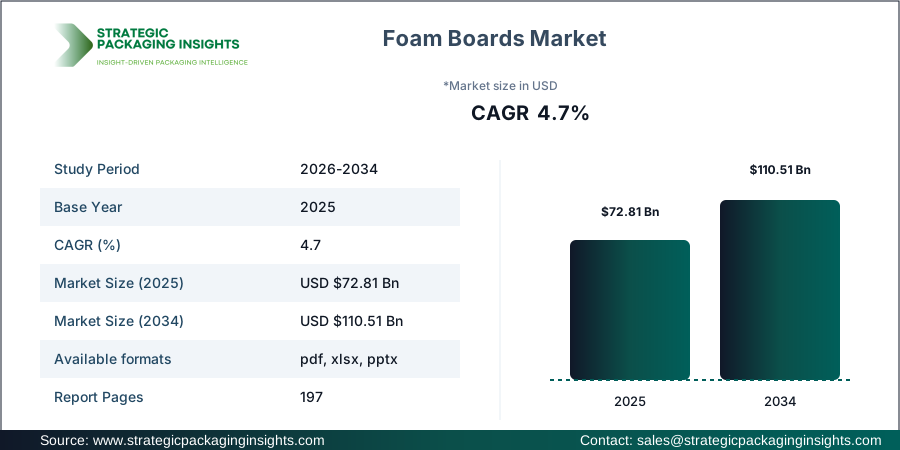
One of the most impactful drivers of the foam boards market is the growing emphasis on sustainable construction practices. Governments worldwide are implementing stringent regulations to promote energy efficiency in buildings, which is boosting the demand for insulation materials like foam boards. According to the U.S. Department of Energy, buildings account for about 40% of total energy consumption, highlighting the need for effective insulation solutions. Companies such as BASF and Kingspan are investing heavily in research and development to create eco-friendly foam boards that comply with these regulations, thereby enhancing their market presence and competitiveness.
Report Scope
| Attributes | Details |
| Report Title | Foam Boards Market Size, Future Growth and Forecast 2034 |
| Material Type | Polystyrene, Polyurethane, PVC, Paper-Faced Foam |
| Product Type | Rigid Foam Boards, Display Foam Boards, Insulation Boards |
| Application | Signage, Packaging, Insulation, Display |
| End Use | Construction, Retail, Packaging, Advertising |
| Region | Asia Pacific, North America, Latin America, Europe, Middle East & Africa |
| Base Year | 2025 |
| Historic Period | 2018-2024 |
| Forecast Period | 2026-2034 |
| Number of Pages | 197 |
| Customization Available | Yes* |
Sustainability & Circular Economy Analysis
Sustainability initiatives are significantly influencing the foam boards market, with a strong focus on recyclable materials and eco-friendly innovations. Companies are increasingly adopting circular economy practices, aiming to reduce waste and enhance the lifecycle of foam boards. For instance, the use of recyclable polystyrene and PVC in foam board production is gaining traction, as it aligns with consumer preferences for sustainable products. This shift is not only reducing the carbon footprint of foam board manufacturing but also driving investment in new technologies and materials that support environmental goals.
The trend towards lightweight packaging is also impacting foam board design and manufacturing. Lightweight foam boards are preferred for their reduced material usage and lower transportation costs, which contribute to overall sustainability. This has led to increased research into developing foam boards that maintain structural integrity while being lighter and more environmentally friendly. Companies are also exploring reusable packaging solutions, which are becoming a key differentiator in the market, as they cater to the growing demand for sustainable packaging options.
Extended Producer Responsibility (EPR) regulations are further shaping the foam boards market by holding manufacturers accountable for the end-of-life management of their products. This has prompted companies to innovate in waste reduction strategies and invest in recycling networks. As a result, foam board manufacturers are focusing on designing products that are easier to recycle and have a lower environmental impact. These sustainability trends are influencing investment decisions, supply chain strategies, and regulatory compliance, ultimately enhancing the long-term competitiveness of the foam boards market.
Packaging Value Chain & Supply Chain Analysis
The foam boards market is characterized by a complex value chain that involves raw material sourcing, manufacturing, and distribution. Raw materials such as polystyrene, polyurethane, and PVC are sourced from chemical manufacturers, which are then processed by foam board converters. These converters play a crucial role in transforming raw materials into finished products, ensuring quality and consistency. Strategic partnerships between raw material suppliers and converters are essential for maintaining a steady supply chain and meeting the growing demand for foam boards.
Manufacturers of foam boards rely heavily on advanced packaging machinery to enhance production capabilities and efficiency. The integration of automation and digital technologies in manufacturing processes is improving output quality and reducing production costs. Logistics and distribution channels are also critical components of the foam boards supply chain, as they ensure timely delivery to retailers and end-users. Efficient transportation and inventory management strategies are vital for minimizing delays and optimizing supply chain performance.
Recycling networks are becoming increasingly important in the foam boards market, as sustainability concerns drive the need for responsible waste management. Companies are investing in recycling infrastructure to support the circular economy and comply with environmental regulations. Localization of supply chains is another emerging trend, as it enhances supply chain resilience and reduces dependency on global sourcing. By focusing on local procurement strategies, foam board manufacturers can mitigate risks associated with geopolitical tensions and trade disruptions, thereby strengthening their market position.
Opportunities & Threats
The foam boards market presents numerous opportunities for growth, particularly in the construction and advertising sectors. The increasing demand for energy-efficient buildings is driving the adoption of foam boards as insulation materials, offering significant growth potential for manufacturers. Additionally, the rise of digital advertising and the need for eye-catching displays are boosting the demand for foam boards in the signage and display segments. Companies that can innovate and offer customized solutions are well-positioned to capitalize on these opportunities and expand their market share.
Emerging markets in Asia Pacific and Latin America offer lucrative opportunities for foam board manufacturers, as rapid urbanization and industrialization drive the demand for construction materials. The growing middle-class population in these regions is also contributing to increased consumer spending on retail and advertising, further fueling the demand for foam boards. Companies that can establish a strong presence in these markets and adapt to local consumer preferences are likely to experience significant growth in the coming years.
However, the foam boards market also faces several threats, including fluctuating raw material prices and stringent environmental regulations. The volatility in the prices of polystyrene, polyurethane, and PVC can impact production costs and profit margins for manufacturers. Additionally, compliance with environmental regulations requires significant investment in sustainable practices and technologies, which can be challenging for smaller companies. To mitigate these threats, manufacturers need to focus on cost-effective sourcing strategies and invest in research and development to create eco-friendly products.
Drivers & Challenges
The foam boards market is driven by several key factors, including the growing demand for energy-efficient insulation solutions and the increasing use of foam boards in signage and display applications. The construction industry's focus on sustainable building practices is a major driver, as foam boards offer excellent thermal insulation properties that contribute to energy savings. Additionally, the advertising industry's need for lightweight and durable display materials is boosting the demand for foam boards, as they provide a versatile and cost-effective solution for creating eye-catching displays.
Technological advancements in foam board manufacturing are also driving market growth, as companies invest in research and development to enhance product quality and performance. Innovations in material science are leading to the development of foam boards with improved durability, fire resistance, and environmental sustainability. These advancements are enabling manufacturers to offer a wider range of products that cater to diverse consumer needs, thereby expanding their market reach and competitiveness.
Despite these drivers, the foam boards market faces several challenges, including environmental concerns and competition from alternative materials. The production of foam boards involves the use of chemicals that can have a negative impact on the environment, leading to increased scrutiny from regulatory bodies. Additionally, the availability of alternative materials such as wood and metal for construction and signage applications poses a challenge to foam board manufacturers. To overcome these challenges, companies need to focus on developing eco-friendly products and differentiating themselves through innovation and quality.
Market Share Analysis
The foam boards market is highly competitive, with several key players dominating the landscape. Companies such as 3A Composites, Owens Corning, and BASF hold significant market shares, driven by their strong product portfolios and extensive distribution networks. These companies are continuously investing in research and development to enhance their product offerings and maintain their competitive edge. The market is characterized by intense competition, with players focusing on innovation, quality, and sustainability to differentiate themselves and capture a larger share of the market.
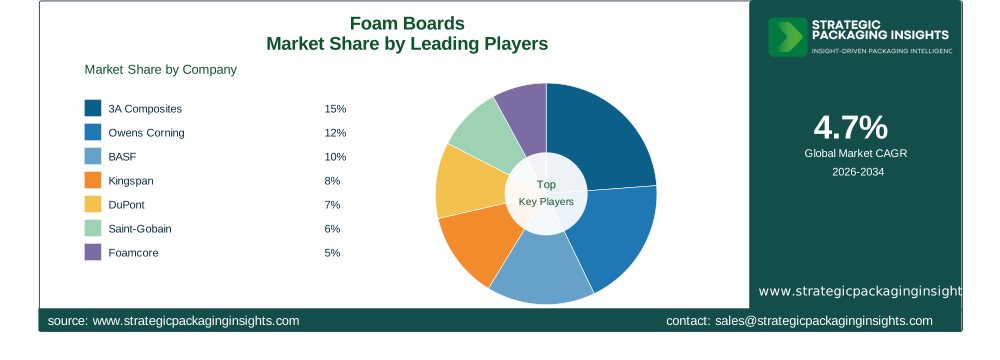
3A Composites is a leading player in the foam boards market, known for its high-quality products and innovative solutions. The company has a strong presence in the signage and display segments, offering a wide range of foam boards that cater to diverse consumer needs. Owens Corning is another major player, specializing in insulation solutions for the construction industry. The company's focus on sustainability and energy efficiency has helped it establish a strong foothold in the market.
BASF is a key player in the foam boards market, leveraging its expertise in material science to develop advanced foam board solutions. The company's commitment to sustainability and innovation has enabled it to maintain a competitive edge in the market. Kingspan is another prominent player, known for its high-performance insulation products and focus on energy efficiency. The company's extensive distribution network and strong brand reputation have contributed to its success in the foam boards market.
Other notable players in the market include DuPont, Saint-Gobain, Foamcore, Gilman Brothers, Palram, and Armacell. These companies are focusing on expanding their product portfolios and enhancing their distribution capabilities to capture a larger share of the market. The competitive landscape of the foam boards market is characterized by continuous innovation and strategic partnerships, as companies strive to meet the evolving needs of consumers and maintain their market positions.
Key Highlights
- Market Size: USD 72.81 billion in 2025, projected to reach USD 110.51 billion by 2034.
- Growth Rate: CAGR of 4.7% during the forecast period.
- Leading Companies: 3A Composites, Owens Corning, BASF, Kingspan, DuPont.
- Growing Segments: Insulation and signage applications.
- Key Regions: Asia Pacific and North America.
- Material Innovation: Focus on eco-friendly and recyclable materials.
- Regulatory Impact: Stringent environmental regulations driving sustainability initiatives.
Foam Boards Market Segments Insights
Material Type Analysis
The foam boards market is segmented by material type, including polystyrene, polyurethane, PVC, and paper-faced foam. Polystyrene foam boards are widely used due to their lightweight and cost-effective properties, making them ideal for signage and display applications. Polyurethane foam boards offer excellent insulation properties, driving their demand in the construction industry. PVC foam boards are known for their durability and versatility, making them suitable for a wide range of applications. Paper-faced foam boards are gaining popularity due to their eco-friendly nature, aligning with the growing demand for sustainable products.
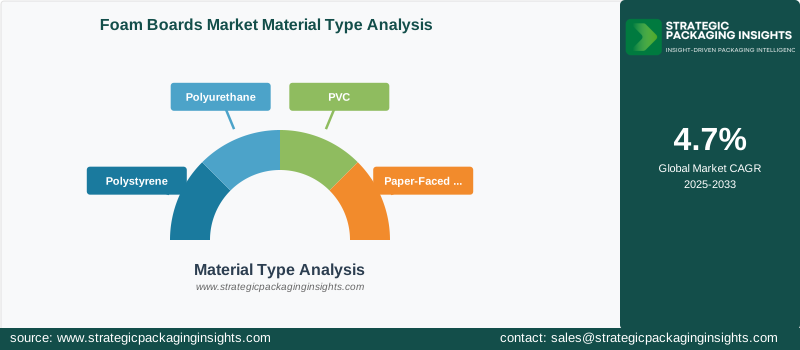
Companies are focusing on material innovation to enhance the performance and sustainability of foam boards. The development of recyclable and biodegradable materials is a key trend in the market, as manufacturers aim to reduce their environmental impact and comply with stringent regulations. The increasing use of eco-friendly materials is driving investment in research and development, as companies strive to offer products that meet consumer preferences for sustainability. This trend is expected to continue, as environmental concerns and regulatory pressures shape the future of the foam boards market.
Product Type Analysis
The foam boards market is also segmented by product type, including rigid foam boards, display foam boards, and insulation boards. Rigid foam boards are widely used in construction and packaging applications due to their strength and durability. Display foam boards are popular in the advertising industry, offering a lightweight and versatile solution for creating eye-catching displays. Insulation boards are in high demand in the construction sector, as they provide excellent thermal insulation properties that contribute to energy efficiency.
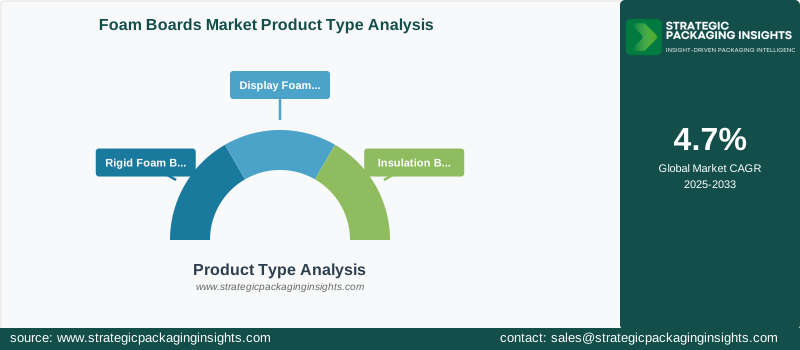
Manufacturers are focusing on product innovation to meet the diverse needs of consumers and enhance their market competitiveness. The development of high-performance foam boards with improved fire resistance and durability is a key trend in the market. Companies are also exploring new applications for foam boards, such as in the automotive and aerospace industries, to expand their market reach. The increasing demand for customized solutions is driving investment in advanced manufacturing technologies, as companies strive to offer products that cater to specific consumer requirements.
Application Analysis
The foam boards market is segmented by application, including signage, packaging, insulation, and display. Signage applications are a major driver of market growth, as foam boards offer a cost-effective and versatile solution for creating high-quality displays. The packaging industry is also a significant contributor to market demand, as foam boards provide excellent protection and cushioning for a wide range of products. Insulation applications are driving demand for foam boards in the construction sector, as they offer superior thermal insulation properties that contribute to energy efficiency.
Companies are focusing on expanding their application portfolios to capture a larger share of the market. The development of innovative foam board solutions for new applications, such as in the automotive and electronics industries, is a key trend in the market. The increasing demand for sustainable packaging solutions is also driving investment in eco-friendly foam boards, as companies strive to meet consumer preferences for environmentally responsible products. This trend is expected to continue, as sustainability concerns and regulatory pressures shape the future of the foam boards market.
End Use Analysis
The foam boards market is segmented by end use, including construction, retail, packaging, and advertising. The construction industry is a major driver of market demand, as foam boards offer excellent insulation properties that contribute to energy efficiency. The retail sector is also a significant contributor to market growth, as foam boards are widely used in signage and display applications. The packaging industry is driving demand for foam boards, as they provide excellent protection and cushioning for a wide range of products.
Companies are focusing on expanding their end-use portfolios to capture a larger share of the market. The development of innovative foam board solutions for new end-use applications, such as in the automotive and electronics industries, is a key trend in the market. The increasing demand for sustainable packaging solutions is also driving investment in eco-friendly foam boards, as companies strive to meet consumer preferences for environmentally responsible products. This trend is expected to continue, as sustainability concerns and regulatory pressures shape the future of the foam boards market.
Foam Boards Market Segments
The Foam Boards market has been segmented on the basis ofMaterial Type
- Polystyrene
- Polyurethane
- PVC
- Paper-Faced Foam
Product Type
- Rigid Foam Boards
- Display Foam Boards
- Insulation Boards
Application
- Signage
- Packaging
- Insulation
- Display
End Use
- Construction
- Retail
- Packaging
- Advertising
Region
- Asia Pacific
- North America
- Latin America
- Europe
- Middle East & Africa




