


Fish Can Market Outlook
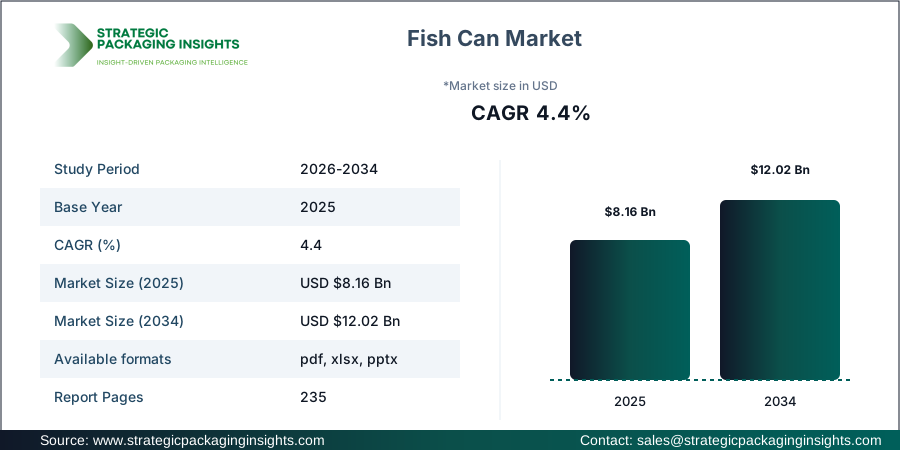
The Fish Can market size was valued at USD 8.16 billion in 2025 and is anticipated to reach USD 12.02 billion by 2034, growing at a CAGR of 4.4% during the forecast period according to Strategic Packaging Insights. The market is driven by the increasing demand for convenient and long-lasting food packaging solutions, with brands like Crown Holdings and Trivium Packaging leading the charge. The growing popularity of seafood, particularly in regions like Asia Pacific and North America, has significantly contributed to the market's expansion. Consumers' preference for ready-to-eat meals and the rising trend of urbanization are further propelling the demand for fish cans, making them a staple in modern households.
One of the most impactful drivers of the Fish Can market is the increasing awareness and demand for sustainable packaging solutions. Governments and environmental organizations are advocating for reduced plastic usage, which has led to a shift towards metal cans, known for their recyclability and durability. This shift is supported by initiatives from companies like Silgan Holdings and Ardagh Metal Packaging, which are investing in eco-friendly production processes. The regulatory push for sustainable packaging, coupled with consumer preference for environmentally responsible products, is expected to drive significant growth in the fish can market over the coming years.
Report Scope
| Attributes | Details |
| Report Title | Fish Can Market Size, Future Growth and Forecast 2034 |
| By Material Type | Tinplate Steel, Aluminum, Electrolytic Chromium-Coated Steel |
| By Can Type | Two-Piece Cans, Three-Piece Cans, Easy-Open Cans |
| By Application | Tuna, Sardines, Salmon, Shellfish |
| By End Use | Seafood Processors, Retail Brands, Foodservice, Exporters |
| Region | Asia Pacific, North America, Latin America, Europe, Middle East & Africa |
| Base Year | 2025 |
| Historic Period | 2018-2024 |
| Forecast Period | 2026-2034 |
| Number of Pages | 235 |
| Customization Available | Yes* |
Sustainability & Circular Economy Analysis
Sustainability initiatives are reshaping the Fish Can market, with a strong emphasis on recyclable materials and eco-friendly innovations. Companies like Canpack and Toyo Seikan are pioneering the use of lightweight aluminum and tinplate steel, which not only reduce the carbon footprint but also enhance the recyclability of fish cans. These materials are integral to circular economy practices, allowing for repeated recycling without loss of quality, thus minimizing waste and conserving resources. The adoption of such materials is driven by both regulatory mandates and consumer demand for sustainable packaging solutions.
Extended Producer Responsibility (EPR) is becoming a critical component of the fish can market, compelling manufacturers to take accountability for the entire lifecycle of their products. This has led to increased investments in waste reduction strategies and the development of reusable packaging solutions. Companies are also focusing on reducing their carbon footprint through energy-efficient manufacturing processes and logistics optimization. These efforts are not only enhancing the environmental credentials of fish can manufacturers but also providing them with a competitive edge in a market increasingly dominated by sustainability-conscious consumers.
Consumer preferences are increasingly leaning towards brands that demonstrate a commitment to sustainability, influencing packaging design and investment decisions. Retailers and brand owners are prioritizing eco-friendly packaging to align with consumer values and regulatory compliance. This shift is prompting significant changes in supply chain strategies, with a focus on sourcing sustainable materials and optimizing logistics to reduce environmental impact. As a result, sustainability trends are becoming a key determinant of long-term market competitiveness, driving innovation and investment in the fish can industry.
Packaging Value Chain & Supply Chain Analysis
The packaging value chain for fish cans is a complex ecosystem involving raw material sourcing, manufacturing, and distribution. Raw materials like tinplate steel and aluminum are sourced from global suppliers, with companies like CPMC Holdings and Envases Group playing pivotal roles in converting these materials into high-quality cans. The efficiency of this supply chain is crucial, as it directly impacts production capabilities and market competitiveness. Strategic partnerships with raw material suppliers ensure a steady supply, while advancements in packaging machinery enhance production efficiency and reduce costs.
Logistics and distribution channels are vital components of the fish can supply chain, ensuring that products reach retailers and consumers efficiently. Companies are investing in advanced inventory management systems and transportation networks to enhance supply chain resilience and meet the growing demand for fish cans. Localization strategies are also being employed to mitigate risks associated with global sourcing, ensuring that production and distribution are aligned with regional market needs. This approach not only enhances supply chain efficiency but also reduces transportation costs and environmental impact.
Recycling networks are an integral part of the fish can value chain, supporting the industry's sustainability goals. Manufacturers are collaborating with recycling facilities to ensure that used cans are collected and processed efficiently, contributing to a circular economy. This collaboration is supported by procurement strategies that prioritize sustainable materials and recycling-friendly designs. As a result, the fish can market is becoming increasingly competitive, with companies leveraging supply chain innovations to enhance their market position and meet the evolving demands of consumers and regulators.
Opportunities & Threats
The Fish Can market presents numerous opportunities for growth, driven by the increasing demand for sustainable and convenient packaging solutions. The rising popularity of seafood, particularly in emerging markets, offers significant potential for expansion. Companies can capitalize on this trend by developing innovative packaging solutions that enhance product shelf life and appeal to health-conscious consumers. Additionally, advancements in packaging technology, such as easy-open cans and resealable lids, provide opportunities for differentiation and value addition, attracting a broader consumer base.
Another opportunity lies in the growing trend of online grocery shopping, which has been accelerated by the COVID-19 pandemic. This shift in consumer behavior presents a unique opportunity for fish can manufacturers to expand their reach through e-commerce platforms. By optimizing packaging for online distribution, companies can tap into new markets and increase their market share. Furthermore, partnerships with retailers and foodservice providers can enhance brand visibility and drive sales, particularly in regions with high seafood consumption.
Despite these opportunities, the Fish Can market faces several threats, including fluctuating raw material prices and stringent regulatory requirements. The volatility of metal prices can impact production costs and profit margins, posing a challenge for manufacturers. Additionally, compliance with environmental regulations and food safety standards requires significant investment in research and development, which can strain resources. Companies must navigate these challenges by adopting cost-effective production methods and leveraging technological advancements to maintain competitiveness in the market.
Drivers & Challenges
One of the primary drivers of the Fish Can market is the increasing demand for convenient and long-lasting food packaging solutions. As urbanization continues to rise, consumers are seeking ready-to-eat meals that fit their fast-paced lifestyles. Fish cans offer a practical solution, providing a long shelf life and easy storage, making them a popular choice among busy consumers. Additionally, the growing awareness of the health benefits of seafood is driving demand for fish cans, as they offer a convenient way to incorporate nutritious seafood into daily diets.
Another significant driver is the shift towards sustainable packaging solutions, driven by consumer preferences and regulatory mandates. The use of recyclable materials like aluminum and tinplate steel is gaining traction, as consumers become more environmentally conscious. Companies are investing in eco-friendly production processes and innovative packaging designs to meet these demands, enhancing their market position and brand reputation. This trend is expected to continue, driving growth in the fish can market as sustainability becomes a key consideration for consumers and businesses alike.
However, the Fish Can market also faces several challenges, including the need to comply with stringent food safety and environmental regulations. Manufacturers must invest in research and development to ensure that their products meet these standards, which can be costly and time-consuming. Additionally, the volatility of raw material prices poses a challenge, as fluctuations can impact production costs and profit margins. Companies must navigate these challenges by adopting cost-effective production methods and leveraging technological advancements to maintain competitiveness in the market.
Market Share Analysis
The Fish Can market is characterized by a competitive landscape, with several key players dominating the industry. Companies like Crown Holdings, Trivium Packaging, and Silgan Holdings hold significant market shares, driven by their extensive product portfolios and strong distribution networks. These companies have established themselves as leaders in the market, leveraging their expertise in packaging technology and sustainability initiatives to maintain their competitive edge. Their focus on innovation and customer-centric solutions has enabled them to capture a substantial share of the market.

Ardagh Metal Packaging and Canpack are also prominent players in the Fish Can market, known for their commitment to sustainability and quality. These companies have invested in advanced manufacturing processes and eco-friendly materials, aligning with consumer preferences for sustainable packaging solutions. Their strategic partnerships with retailers and foodservice providers have further strengthened their market position, enabling them to expand their reach and increase their market share.
Toyo Seikan and CPMC Holdings are key players in the Asian market, leveraging their regional expertise and strong distribution networks to capture a significant share of the market. These companies have focused on developing innovative packaging solutions that cater to the unique needs of Asian consumers, driving growth in the region. Their emphasis on sustainability and quality has resonated with consumers, enhancing their brand reputation and market presence.
Envases Group, Daiwa Can, and Massilly are also notable players in the Fish Can market, known for their diverse product offerings and commitment to sustainability. These companies have invested in research and development to enhance their product portfolios and meet the evolving demands of consumers. Their focus on innovation and customer satisfaction has enabled them to maintain a competitive edge in the market, driving growth and profitability.
Key Highlights
- Market Size: The Fish Can market was valued at USD 8.16 billion in 2025 and is projected to reach USD 12.02 billion by 2034.
- Growth Rate: The market is expected to grow at a CAGR of 4.4% during the forecast period.
- Leading Companies: Key players include Crown Holdings, Trivium Packaging, and Silgan Holdings.
- Material Trends: Increasing use of recyclable materials like aluminum and tinplate steel.
- Regional Growth: Asia Pacific is expected to witness significant growth due to rising seafood consumption.
- Consumer Preferences: Growing demand for sustainable and convenient packaging solutions.
- Technological Advancements: Innovations in packaging design, such as easy-open cans and resealable lids.
Fish Can Market Segments Insights

By Material Type Analysis
The Fish Can market is segmented by material type, with tinplate steel, aluminum, and electrolytic chromium-coated steel being the primary materials used in production. Tinplate steel is favored for its durability and cost-effectiveness, making it a popular choice among manufacturers. Aluminum, known for its lightweight and recyclable properties, is gaining traction as a sustainable alternative. Companies like Crown Holdings and Trivium Packaging are investing in advanced manufacturing processes to enhance the quality and sustainability of these materials, aligning with consumer preferences for eco-friendly packaging solutions.

Electrolytic chromium-coated steel is also used in fish can production, offering a balance between cost and performance. This material is known for its corrosion resistance and strength, making it suitable for packaging seafood products. The demand for these materials is driven by the need for durable and sustainable packaging solutions, as consumers become more environmentally conscious. Manufacturers are focusing on optimizing material usage and reducing waste, contributing to the overall sustainability of the fish can market.
By Can Type Analysis
The Fish Can market is also segmented by can type, with two-piece cans, three-piece cans, and easy-open cans being the primary categories. Two-piece cans are widely used due to their cost-effectiveness and ease of production, making them a popular choice among manufacturers. Three-piece cans, known for their durability and versatility, are used for a variety of seafood products, offering a reliable packaging solution. Companies like Silgan Holdings and Ardagh Metal Packaging are investing in advanced manufacturing technologies to enhance the quality and performance of these cans.

Easy-open cans are gaining popularity due to their convenience and consumer-friendly design. These cans feature innovative opening mechanisms that enhance user experience, making them a preferred choice for ready-to-eat meals. The demand for easy-open cans is driven by the growing trend of convenience and on-the-go consumption, as consumers seek packaging solutions that fit their fast-paced lifestyles. Manufacturers are focusing on developing innovative designs and features to meet these demands, driving growth in the fish can market.
By Application Analysis
The Fish Can market is segmented by application, with tuna, sardines, salmon, and shellfish being the primary categories. Tuna is the most popular application, driven by its widespread consumption and nutritional benefits. Sardines and salmon are also in high demand, known for their health benefits and versatility in culinary applications. Companies like Canpack and Toyo Seikan are focusing on developing packaging solutions that enhance the shelf life and quality of these products, catering to the growing demand for seafood.

Shellfish is another significant application, with increasing consumer interest in exotic and premium seafood products. The demand for shellfish is driven by the growing trend of gourmet and specialty foods, as consumers seek unique and high-quality culinary experiences. Manufacturers are investing in research and development to enhance the packaging and preservation of shellfish, ensuring that these products meet consumer expectations for quality and freshness.
By End Use Analysis
The Fish Can market is segmented by end use, with seafood processors, retail brands, foodservice, and exporters being the primary categories. Seafood processors are the largest end users, relying on fish cans for efficient and reliable packaging solutions. Retail brands are also significant consumers, using fish cans to offer convenient and ready-to-eat seafood products to consumers. Companies like CPMC Holdings and Envases Group are partnering with retailers to develop innovative packaging solutions that enhance brand visibility and consumer appeal.

Foodservice providers are increasingly using fish cans to offer convenient and high-quality seafood options to their customers. The demand for fish cans in the foodservice sector is driven by the growing trend of convenience and on-the-go consumption, as consumers seek quick and easy meal solutions. Exporters are also significant end users, relying on fish cans to preserve the quality and freshness of seafood products during transportation. Manufacturers are focusing on developing packaging solutions that meet the unique needs of these end users, driving growth in the fish can market.
Fish Can Market Segments
The Fish Can market has been segmented on the basis ofBy Material Type
- Tinplate Steel
- Aluminum
- Electrolytic Chromium-Coated Steel
By Can Type
- Two-Piece Cans
- Three-Piece Cans
- Easy-Open Cans
By Application
- Tuna
- Sardines
- Salmon
- Shellfish
By End Use
- Seafood Processors
- Retail Brands
- Foodservice
- Exporters
Region
- Asia Pacific
- North America
- Latin America
- Europe
- Middle East & Africa




