


Edible Shrink Tunnel Systems Market Outlook
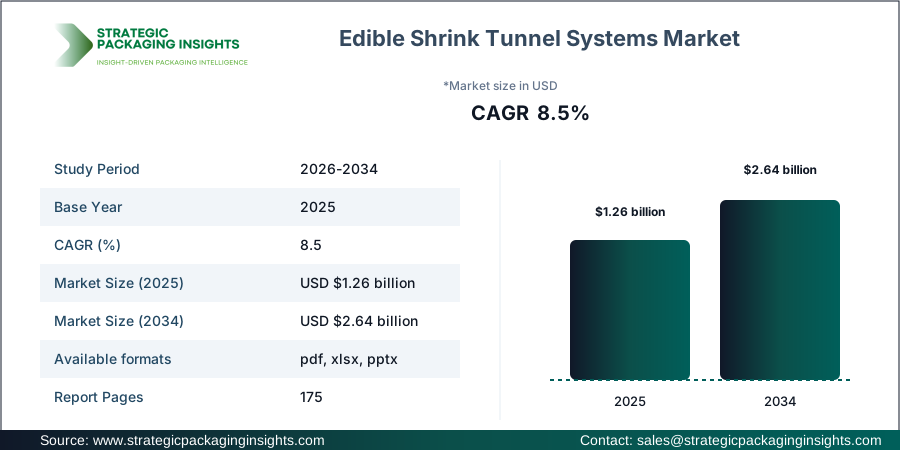
The Edible Shrink Tunnel Systems market was valued at $1.26 billion in 2025 and is projected to reach $2.64 billion by 2034, growing at a CAGR of 8.5% during the forecast period 2026-2034. This market is witnessing significant growth due to the increasing demand for efficient packaging solutions in the food industry. The rise in consumer preference for packaged food products, driven by urbanization and changing lifestyles, is a major factor propelling the market. Additionally, advancements in packaging technologies and the growing emphasis on reducing food waste are further boosting the adoption of edible shrink tunnel systems. These systems offer enhanced packaging efficiency and product protection, which are crucial for maintaining food quality and extending shelf life.
Despite the promising growth prospects, the market faces certain challenges that could hinder its expansion. Regulatory constraints related to food safety and packaging standards pose a significant barrier to market growth. Moreover, the high initial investment required for setting up advanced shrink tunnel systems can be a deterrent for small and medium-sized enterprises. However, the increasing focus on sustainable packaging solutions and the development of cost-effective technologies present lucrative opportunities for market players. As the industry continues to evolve, companies are investing in research and development to innovate and offer more efficient and eco-friendly packaging solutions.
Report Scope
| Attributes | Details |
| Report Title | Edible Shrink Tunnel Systems Market Size, Future Growth and Forecast 2034 |
| By Machine Type | Compact Shrink Tunnels, Continuous Tunnels, Automated Tunnel Systems |
| By Application | Edible Films, Food Wraps, Fresh Produce Packs |
| By Technology | Hot-Air Tunnels, Steam Tunnels, Infrared Tunnels |
| By End Use | Food Processors, Packaging R&D, Specialty Converters |
| Region | Asia Pacific, North America, Latin America, Europe, Middle East & Africa |
| Base Year | 2025 |
| Historic Period | 2018-2024 |
| Forecast Period | 2026-2034 |
| Number of Pages | 175 |
| Customization Available | Yes* |
Opportunities & Threats
The Edible Shrink Tunnel Systems market presents numerous opportunities for growth, primarily driven by the increasing demand for sustainable and efficient packaging solutions. As consumers become more environmentally conscious, there is a growing preference for packaging that minimizes waste and reduces the carbon footprint. This trend is encouraging manufacturers to develop innovative shrink tunnel systems that are not only efficient but also eco-friendly. Additionally, the rise in e-commerce and online food delivery services is creating a surge in demand for packaged food products, further boosting the market for edible shrink tunnel systems. Companies that can offer advanced, sustainable packaging solutions are likely to gain a competitive edge in this evolving market.
Another significant opportunity lies in the technological advancements in shrink tunnel systems. The integration of automation and smart technologies is enhancing the efficiency and precision of these systems, making them more appealing to food processors and packaging companies. The development of compact and energy-efficient shrink tunnels is also gaining traction, as they offer cost savings and operational efficiency. As the industry continues to innovate, companies that invest in research and development to offer cutting-edge solutions are expected to thrive in the competitive landscape.
However, the market is not without its threats. One of the primary challenges is the stringent regulatory environment governing food packaging. Compliance with food safety standards and regulations can be complex and costly, posing a significant barrier for market entry. Additionally, the high initial investment required for advanced shrink tunnel systems can be a deterrent for smaller companies. The market is also susceptible to fluctuations in raw material prices, which can impact the overall cost of production and affect profitability. Companies need to navigate these challenges carefully to capitalize on the growth opportunities in the edible shrink tunnel systems market.
Drivers & Challenges
The Edible Shrink Tunnel Systems market is primarily driven by the increasing demand for packaged food products. As urbanization continues to rise, consumers are seeking convenient and ready-to-eat food options, leading to a surge in demand for efficient packaging solutions. Shrink tunnel systems offer enhanced packaging efficiency and product protection, making them an ideal choice for food processors and packaging companies. Additionally, the growing emphasis on reducing food waste and extending shelf life is further driving the adoption of these systems. The ability of shrink tunnels to provide airtight and tamper-evident packaging is a significant advantage, ensuring food safety and quality.
Technological advancements are another key driver of market growth. The integration of automation and smart technologies is enhancing the efficiency and precision of shrink tunnel systems, making them more appealing to food processors and packaging companies. The development of compact and energy-efficient shrink tunnels is also gaining traction, as they offer cost savings and operational efficiency. As the industry continues to innovate, companies that invest in research and development to offer cutting-edge solutions are expected to thrive in the competitive landscape.
Despite the promising growth prospects, the market faces certain challenges that could hinder its expansion. Regulatory constraints related to food safety and packaging standards pose a significant barrier to market growth. Compliance with these regulations can be complex and costly, posing a significant barrier for market entry. Additionally, the high initial investment required for setting up advanced shrink tunnel systems can be a deterrent for small and medium-sized enterprises. The market is also susceptible to fluctuations in raw material prices, which can impact the overall cost of production and affect profitability. Companies need to navigate these challenges carefully to capitalize on the growth opportunities in the edible shrink tunnel systems market.
Market Share Analysis
The Edible Shrink Tunnel Systems market is characterized by a competitive landscape with several key players vying for market share. Leading companies such as Krones, Sidel, Syntegon, ProMach, IMA Group, Coesia, Texwrap, Smipack, Eastey, and PAC Machinery dominate the market, offering a wide range of shrink tunnel systems to cater to diverse customer needs. These companies are focusing on innovation and technological advancements to enhance their product offerings and gain a competitive edge. The market is also witnessing strategic collaborations and partnerships among key players to expand their geographical presence and strengthen their market position.
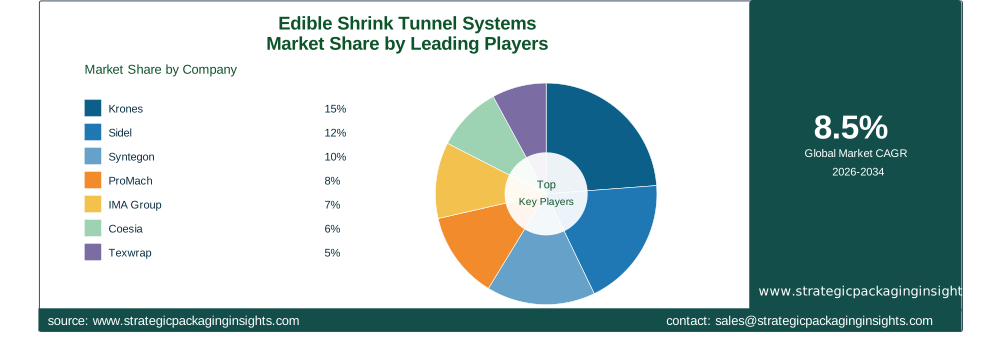
Krones, a leading player in the market, is known for its advanced packaging solutions and innovative shrink tunnel systems. The company has a strong global presence and is continuously investing in research and development to offer cutting-edge solutions. Sidel, another major player, is renowned for its expertise in packaging technology and offers a comprehensive range of shrink tunnel systems. The company is focusing on sustainability and energy efficiency to meet the evolving needs of its customers.
Syntegon, formerly known as Bosch Packaging Technology, is a prominent player in the edible shrink tunnel systems market. The company offers a wide range of packaging solutions, including advanced shrink tunnel systems, to cater to the diverse needs of the food industry. ProMach, a leading provider of packaging machinery, is also a key player in the market, offering innovative shrink tunnel systems that enhance packaging efficiency and product protection. The company is focusing on expanding its product portfolio and strengthening its market presence through strategic acquisitions and partnerships.
IMA Group, Coesia, Texwrap, Smipack, Eastey, and PAC Machinery are other notable players in the market, each offering unique solutions to meet the specific needs of their customers. These companies are focusing on innovation and technological advancements to enhance their product offerings and gain a competitive edge. The market is also witnessing strategic collaborations and partnerships among key players to expand their geographical presence and strengthen their market position.
Key Highlights
- The Edible Shrink Tunnel Systems market is projected to grow at a CAGR of 8.5% from 2026 to 2034.
- Increasing demand for packaged food products is a major driver of market growth.
- Technological advancements in shrink tunnel systems are enhancing efficiency and precision.
- Regulatory constraints related to food safety pose a significant barrier to market growth.
- High initial investment required for advanced shrink tunnel systems can be a deterrent for smaller companies.
- Leading companies such as Krones, Sidel, and Syntegon dominate the market.
- Strategic collaborations and partnerships are key strategies for market expansion.
- Focus on sustainability and energy efficiency is driving innovation in the market.
- Development of compact and energy-efficient shrink tunnels is gaining traction.
- Market players are investing in research and development to offer cutting-edge solutions.
Top Countries Insights
In the Edible Shrink Tunnel Systems market, the United States holds a significant share, driven by the high demand for packaged food products and advanced packaging technologies. The market in the U.S. is expected to grow at a CAGR of 7%, supported by the presence of leading companies and a strong focus on innovation. The regulatory environment in the U.S. is also favorable, with stringent food safety standards driving the adoption of efficient packaging solutions.
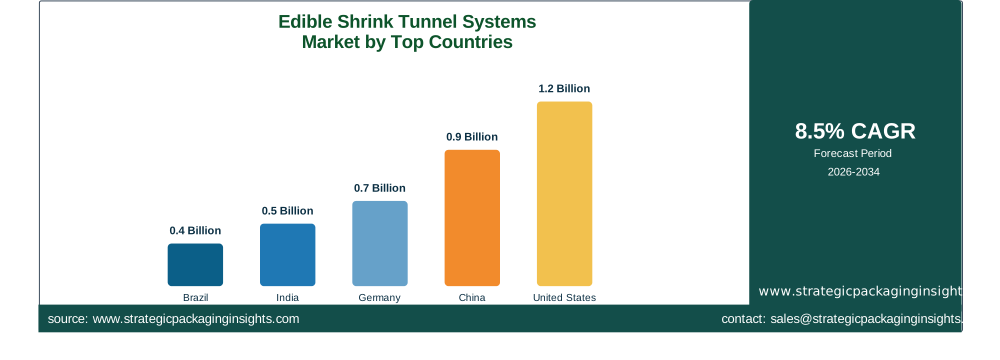
China is another key market for edible shrink tunnel systems, with a projected CAGR of 10%. The rapid urbanization and increasing disposable income in China are driving the demand for packaged food products, boosting the market for shrink tunnel systems. The government's focus on food safety and quality standards is also encouraging the adoption of advanced packaging technologies.
Germany is a prominent market in Europe, with a CAGR of 6%. The country's strong manufacturing base and emphasis on technological innovation are key drivers of market growth. The demand for sustainable and efficient packaging solutions is also rising, supported by stringent environmental regulations and consumer preferences for eco-friendly products.
India is witnessing significant growth in the edible shrink tunnel systems market, with a CAGR of 12%. The increasing population and rising disposable income are driving the demand for packaged food products, creating opportunities for market players. The government's initiatives to promote food safety and quality standards are also supporting market growth.
Brazil is a key market in Latin America, with a CAGR of 8%. The growing middle class and increasing consumer preference for packaged food products are driving the demand for shrink tunnel systems. The market is also supported by the presence of leading packaging companies and a focus on innovation and sustainability.
Edible Shrink Tunnel Systems Market Segments Insights

Machine Type Analysis
The Edible Shrink Tunnel Systems market is segmented by machine type into compact shrink tunnels, continuous tunnels, and automated tunnel systems. Compact shrink tunnels are gaining popularity due to their space-saving design and cost-effectiveness, making them ideal for small and medium-sized enterprises. These systems offer efficient packaging solutions for a variety of food products, enhancing product protection and shelf life. Continuous tunnels, on the other hand, are preferred by large-scale food processors due to their high throughput and operational efficiency. These systems are designed to handle large volumes of products, making them suitable for high-demand environments. Automated tunnel systems are at the forefront of technological innovation, offering advanced features such as automation and smart controls. These systems are ideal for companies looking to enhance their packaging efficiency and reduce labor costs.
Application Analysis
The application segment of the Edible Shrink Tunnel Systems market includes edible films, food wraps, and fresh produce packs. Edible films are gaining traction due to their ability to provide an additional layer of protection for food products, enhancing their shelf life and quality. These films are particularly popular in the packaging of perishable items such as fruits and vegetables. Food wraps are another key application, offering a convenient and efficient packaging solution for a wide range of food products. The demand for food wraps is driven by the increasing consumer preference for ready-to-eat and on-the-go food options. Fresh produce packs are also witnessing significant growth, supported by the rising demand for fresh and healthy food products. These packs offer enhanced protection and preservation, ensuring the freshness and quality of produce.
Technology Analysis
The technology segment of the Edible Shrink Tunnel Systems market includes hot-air tunnels, steam tunnels, and infrared tunnels. Hot-air tunnels are widely used due to their versatility and efficiency in handling a variety of food products. These systems offer precise temperature control, ensuring consistent and uniform shrinkage. Steam tunnels are preferred for their ability to provide gentle and even heat distribution, making them ideal for delicate food products. These systems are particularly popular in the packaging of fresh produce and other perishable items. Infrared tunnels are gaining traction due to their energy efficiency and rapid heating capabilities. These systems offer quick and efficient shrinkage, reducing energy consumption and operational costs.
End Use Analysis
The end-use segment of the Edible Shrink Tunnel Systems market includes food processors, packaging R&D, and specialty converters. Food processors are the largest end-users of shrink tunnel systems, driven by the increasing demand for packaged food products and the need for efficient packaging solutions. These companies rely on shrink tunnel systems to enhance packaging efficiency and product protection, ensuring food safety and quality. Packaging R&D is another key end-use segment, focusing on the development of innovative and sustainable packaging solutions. These companies are investing in research and development to offer cutting-edge solutions that meet the evolving needs of the food industry. Specialty converters are also significant end-users, offering customized packaging solutions for a variety of food products. These companies are focusing on innovation and technological advancements to enhance their product offerings and gain a competitive edge.
Edible Shrink Tunnel Systems Market Segments
The Edible Shrink Tunnel Systems market has been segmented on the basis ofBy Machine Type
- Compact Shrink Tunnels
- Continuous Tunnels
- Automated Tunnel Systems
By Application
- Edible Films
- Food Wraps
- Fresh Produce Packs
By Technology
- Hot-Air Tunnels
- Steam Tunnels
- Infrared Tunnels
By End Use
- Food Processors
- Packaging R&D
- Specialty Converters
Region
- Asia Pacific
- North America
- Latin America
- Europe
- Middle East & Africa




