


Eco-friendly Tea Packaging Market Outlook
The Eco-friendly Tea Packaging market was valued at $1.31 billion in 2025 and is projected to reach $2.53 billion by 2034, growing at a CAGR of 7.6% during the forecast period 2026-2034. This growth is driven by increasing consumer awareness about environmental sustainability and the rising demand for eco-friendly packaging solutions. The market is witnessing a shift from traditional packaging materials to more sustainable options, such as compostable tea bags and recyclable cartons, which are gaining popularity among environmentally conscious consumers. The demand for eco-friendly tea packaging is further fueled by stringent government regulations aimed at reducing plastic waste and promoting sustainable practices across the packaging industry.
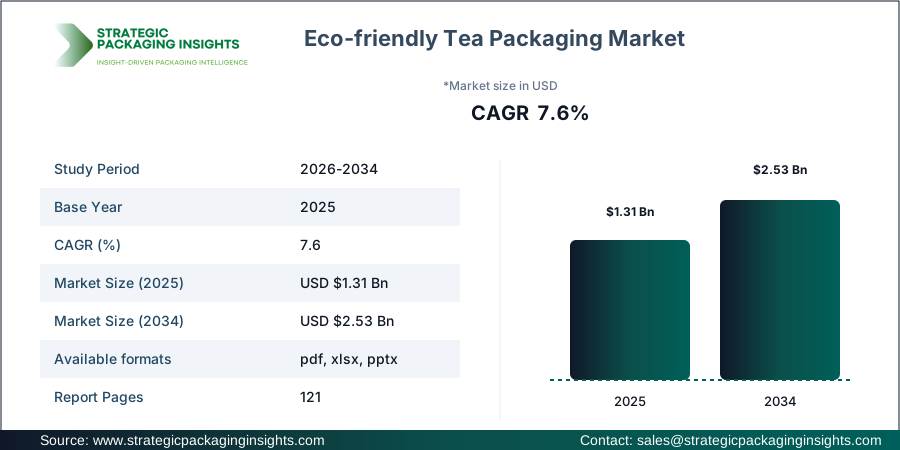
Despite the promising growth prospects, the Eco-friendly Tea Packaging market faces several challenges. The high cost of eco-friendly materials compared to conventional packaging solutions is a significant restraint, limiting the adoption of sustainable packaging among small and medium-sized enterprises. Additionally, the lack of standardized regulations across different regions poses a challenge for manufacturers aiming to expand their eco-friendly packaging solutions globally. However, the market holds immense growth potential, driven by technological advancements in packaging materials and the increasing adoption of sustainable practices by major tea brands and retailers. As consumer preferences continue to evolve towards eco-friendly products, the market is expected to witness significant growth opportunities in the coming years.
Report Scope
| Attributes | Details |
| Report Title | Eco-friendly Tea Packaging Market Size, Future Growth and Forecast 2034 |
| By Packaging Type | Compostable Tea Bags, Paper Envelopes, Recyclable Cartons, Bio-based Pouches |
| By Material Type | Filter Paper, PLA, Kraft Paper, Cellulose Film |
| By Application | Black Tea, Green Tea, Herbal Tea |
| By End Use | Tea Brands, Retailers, Foodservice |
| Region | Asia Pacific, North America, Latin America, Europe, Middle East & Africa |
| Base Year | 2025 |
| Historic Period | 2018-2024 |
| Forecast Period | 2026-2034 |
| Number of Pages | 121 |
| Customization Available | Yes* |
Opportunities & Threats
The Eco-friendly Tea Packaging market presents numerous opportunities for growth, primarily driven by the increasing consumer demand for sustainable and environmentally friendly products. As consumers become more aware of the environmental impact of packaging waste, there is a growing preference for tea products packaged in eco-friendly materials. This shift in consumer behavior is encouraging tea brands and retailers to adopt sustainable packaging solutions, creating significant opportunities for market players to innovate and expand their product offerings. Additionally, the rise of e-commerce and online retail platforms is further boosting the demand for eco-friendly packaging, as consumers increasingly seek convenient and sustainable options for their tea purchases.
Another opportunity lies in the development of advanced packaging materials that offer enhanced functionality and sustainability. Innovations in biodegradable and compostable materials, such as PLA and cellulose film, are gaining traction in the market, providing manufacturers with the opportunity to differentiate their products and cater to the growing demand for eco-friendly packaging solutions. Furthermore, collaborations and partnerships between packaging manufacturers and tea brands can drive the development of customized and innovative packaging solutions, enhancing brand value and consumer loyalty.
However, the market also faces certain threats that could hinder its growth. The high cost of eco-friendly packaging materials compared to traditional options remains a significant challenge for manufacturers, particularly for small and medium-sized enterprises. Additionally, the lack of standardized regulations and certifications for eco-friendly packaging across different regions can create barriers to market entry and expansion. Manufacturers must navigate these regulatory complexities to ensure compliance and gain consumer trust. Moreover, the availability of low-cost counterfeit products in the market poses a threat to the growth of genuine eco-friendly packaging solutions, impacting the overall market dynamics.
Drivers & Challenges
The Eco-friendly Tea Packaging market is driven by several key factors, including the increasing consumer awareness about environmental sustainability and the growing demand for eco-friendly packaging solutions. As consumers become more conscious of the environmental impact of packaging waste, there is a rising preference for tea products packaged in sustainable materials. This shift in consumer behavior is encouraging tea brands and retailers to adopt eco-friendly packaging solutions, driving market growth. Additionally, stringent government regulations aimed at reducing plastic waste and promoting sustainable practices across the packaging industry are further propelling the demand for eco-friendly tea packaging.
Technological advancements in packaging materials are also playing a crucial role in driving the market. Innovations in biodegradable and compostable materials, such as PLA and cellulose film, are gaining traction, providing manufacturers with the opportunity to develop sustainable packaging solutions that meet consumer demands. Furthermore, the increasing adoption of sustainable practices by major tea brands and retailers is creating a favorable environment for the growth of the eco-friendly tea packaging market. As companies strive to enhance their brand image and meet consumer expectations, the demand for eco-friendly packaging solutions is expected to witness significant growth.
Despite the promising growth prospects, the Eco-friendly Tea Packaging market faces several challenges. The high cost of eco-friendly materials compared to conventional packaging solutions is a significant restraint, limiting the adoption of sustainable packaging among small and medium-sized enterprises. Additionally, the lack of standardized regulations across different regions poses a challenge for manufacturers aiming to expand their eco-friendly packaging solutions globally. Manufacturers must navigate these regulatory complexities to ensure compliance and gain consumer trust. Moreover, the availability of low-cost counterfeit products in the market poses a threat to the growth of genuine eco-friendly packaging solutions, impacting the overall market dynamics.
Market Share Analysis
The competitive landscape of the Eco-friendly Tea Packaging market is characterized by the presence of several key players, each striving to enhance their market share through innovative product offerings and strategic partnerships. Companies such as Ahlstrom, Glatfelter, Mondi, Huhtamaki, and Amcor are leading the market with their extensive range of eco-friendly packaging solutions. These companies are focusing on developing sustainable packaging materials that cater to the evolving consumer preferences and regulatory requirements. The market is also witnessing increased collaboration between packaging manufacturers and tea brands, driving the development of customized and innovative packaging solutions.
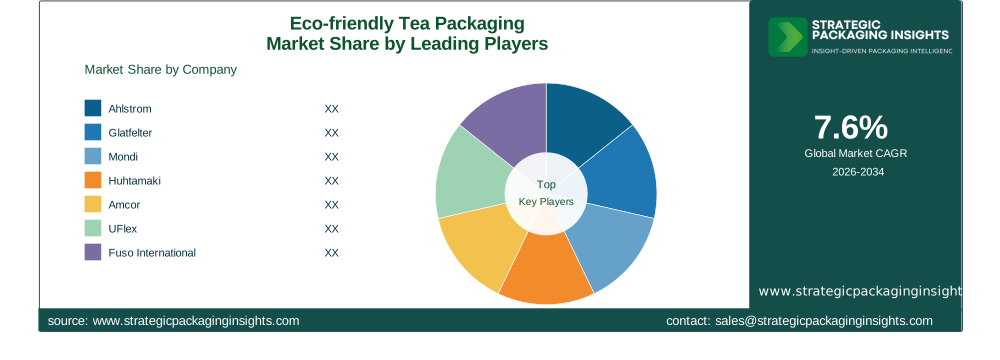
Ahlstrom, a leading player in the market, is known for its innovative and sustainable packaging solutions, offering a wide range of eco-friendly materials such as compostable tea bags and recyclable cartons. Glatfelter, another key player, is focusing on expanding its product portfolio by investing in research and development to create advanced packaging materials that meet the growing demand for sustainable solutions. Mondi, a global leader in packaging and paper, is leveraging its expertise to develop innovative and environmentally friendly packaging solutions, catering to the needs of tea brands and retailers worldwide.
Huhtamaki, a prominent player in the market, is committed to sustainability and innovation, offering a range of eco-friendly packaging solutions that align with consumer preferences and regulatory standards. Amcor, a leading packaging company, is focusing on developing sustainable packaging solutions that reduce environmental impact and enhance product functionality. UFlex, Fuso International, IMA Group, Teepack, and Riensch & Held are also key players in the market, contributing to the growth of the eco-friendly tea packaging industry through their innovative product offerings and strategic partnerships.
Key Highlights
- The Eco-friendly Tea Packaging market is projected to grow at a CAGR of 7.6% from 2026 to 2034.
- Increasing consumer awareness about environmental sustainability is driving the demand for eco-friendly packaging solutions.
- Stringent government regulations aimed at reducing plastic waste are propelling the market growth.
- Technological advancements in packaging materials are providing opportunities for innovation and differentiation.
- The high cost of eco-friendly materials remains a significant challenge for market players.
- Lack of standardized regulations across regions poses a barrier to market expansion.
- Collaborations between packaging manufacturers and tea brands are driving the development of customized solutions.
- The rise of e-commerce is boosting the demand for convenient and sustainable packaging options.
- Major players in the market include Ahlstrom, Glatfelter, Mondi, Huhtamaki, and Amcor.
- The market is witnessing increased adoption of sustainable practices by tea brands and retailers.
Top Countries Insights
In the Eco-friendly Tea Packaging market, the United States stands out as a key player, with a market size of approximately $350 million and a CAGR of 6%. The country's growth is driven by a strong consumer base that prioritizes sustainability and eco-friendly products. Government initiatives promoting sustainable packaging practices further bolster the market. However, challenges such as high production costs and regulatory complexities persist.
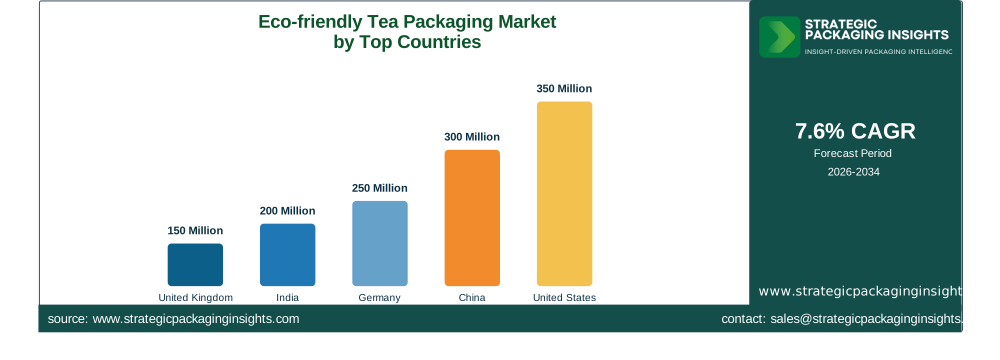
China, with a market size of around $300 million and a CAGR of 8%, is another significant player in the market. The country's rapid industrialization and increasing consumer awareness about environmental issues are driving the demand for eco-friendly packaging solutions. The government's focus on reducing plastic waste and promoting sustainable practices is also contributing to market growth. However, the lack of standardized regulations poses a challenge for manufacturers.
Germany, with a market size of approximately $250 million and a CAGR of 7%, is a leading market in Europe. The country's strong emphasis on sustainability and environmental protection is driving the demand for eco-friendly tea packaging. Government regulations promoting sustainable packaging practices and consumer preferences for eco-friendly products are key growth drivers. However, the high cost of eco-friendly materials remains a challenge.
India, with a market size of around $200 million and a CAGR of 9%, is witnessing significant growth in the eco-friendly tea packaging market. The country's growing middle class and increasing consumer awareness about environmental issues are driving the demand for sustainable packaging solutions. Government initiatives promoting eco-friendly practices and the rise of e-commerce are further boosting market growth. However, regulatory complexities and high production costs pose challenges.
The United Kingdom, with a market size of approximately $150 million and a CAGR of 5%, is another important market in Europe. The country's strong focus on sustainability and consumer demand for eco-friendly products are driving market growth. Government regulations promoting sustainable packaging practices and the increasing adoption of eco-friendly solutions by tea brands and retailers are key growth drivers. However, the high cost of eco-friendly materials remains a challenge.
Eco-friendly Tea Packaging Market Segments Insights

Packaging Type Analysis
The Eco-friendly Tea Packaging market is segmented by packaging type into compostable tea bags, paper envelopes, recyclable cartons, and bio-based pouches. Compostable tea bags are gaining popularity due to their ability to decompose naturally, reducing environmental impact. These bags are made from biodegradable materials such as PLA and cellulose film, which are increasingly preferred by environmentally conscious consumers. Paper envelopes, on the other hand, offer a traditional yet sustainable packaging solution, appealing to consumers who value simplicity and recyclability. Recyclable cartons are also witnessing increased demand, driven by their durability and ability to protect tea products during transportation. Bio-based pouches, made from renewable resources, are emerging as a popular choice among tea brands looking to enhance their sustainability credentials.
The demand for eco-friendly packaging types is driven by the growing consumer awareness about environmental sustainability and the increasing preference for products packaged in sustainable materials. Tea brands and retailers are adopting these packaging solutions to align with consumer preferences and regulatory requirements. The rise of e-commerce and online retail platforms is further boosting the demand for convenient and sustainable packaging options. However, the high cost of eco-friendly materials compared to traditional packaging solutions remains a challenge for manufacturers, particularly for small and medium-sized enterprises. Despite these challenges, the market is expected to witness significant growth, driven by technological advancements in packaging materials and the increasing adoption of sustainable practices by major tea brands and retailers.
Material Type Analysis
The Eco-friendly Tea Packaging market is segmented by material type into filter paper, PLA, kraft paper, and cellulose film. Filter paper is widely used in tea packaging due to its ability to provide excellent filtration and maintain the quality of tea products. PLA, a biodegradable and compostable material, is gaining traction in the market, offering a sustainable alternative to traditional plastic packaging. Kraft paper, known for its strength and durability, is a popular choice for tea packaging, providing a natural and eco-friendly appearance. Cellulose film, made from renewable resources, is emerging as a preferred material for eco-friendly tea packaging, offering excellent barrier properties and biodegradability.
The demand for eco-friendly materials is driven by the increasing consumer awareness about environmental sustainability and the growing preference for products packaged in sustainable materials. Tea brands and retailers are adopting these materials to enhance their sustainability credentials and meet consumer expectations. Technological advancements in packaging materials are providing opportunities for innovation and differentiation, allowing manufacturers to develop sustainable packaging solutions that meet the evolving needs of consumers. However, the high cost of eco-friendly materials compared to conventional options remains a challenge for manufacturers, limiting their adoption among small and medium-sized enterprises. Despite these challenges, the market is expected to witness significant growth, driven by the increasing adoption of sustainable practices by major tea brands and retailers.
Application Analysis
The Eco-friendly Tea Packaging market is segmented by application into black tea, green tea, and herbal tea. Black tea, being one of the most consumed types of tea globally, holds a significant share in the market. The demand for eco-friendly packaging solutions for black tea is driven by the increasing consumer awareness about environmental sustainability and the growing preference for products packaged in sustainable materials. Green tea, known for its health benefits, is witnessing increased demand, further boosting the need for eco-friendly packaging solutions. Herbal tea, with its diverse range of flavors and health benefits, is also contributing to the growth of the eco-friendly tea packaging market.
The demand for eco-friendly packaging solutions across different tea applications is driven by the growing consumer awareness about environmental sustainability and the increasing preference for products packaged in sustainable materials. Tea brands and retailers are adopting these packaging solutions to align with consumer preferences and regulatory requirements. The rise of e-commerce and online retail platforms is further boosting the demand for convenient and sustainable packaging options. However, the high cost of eco-friendly materials compared to traditional packaging solutions remains a challenge for manufacturers, particularly for small and medium-sized enterprises. Despite these challenges, the market is expected to witness significant growth, driven by technological advancements in packaging materials and the increasing adoption of sustainable practices by major tea brands and retailers.
End Use Analysis
The Eco-friendly Tea Packaging market is segmented by end use into tea brands, retailers, and foodservice. Tea brands are increasingly adopting eco-friendly packaging solutions to enhance their sustainability credentials and meet consumer expectations. The demand for sustainable packaging solutions among tea brands is driven by the growing consumer awareness about environmental sustainability and the increasing preference for products packaged in sustainable materials. Retailers, on the other hand, are focusing on offering eco-friendly packaging options to cater to the evolving consumer preferences and regulatory requirements. The rise of e-commerce and online retail platforms is further boosting the demand for convenient and sustainable packaging options.
The foodservice sector is also witnessing increased demand for eco-friendly tea packaging solutions, driven by the growing consumer awareness about environmental sustainability and the increasing preference for products packaged in sustainable materials. The demand for eco-friendly packaging solutions in the foodservice sector is further fueled by stringent government regulations aimed at reducing plastic waste and promoting sustainable practices. However, the high cost of eco-friendly materials compared to traditional packaging solutions remains a challenge for manufacturers, particularly for small and medium-sized enterprises. Despite these challenges, the market is expected to witness significant growth, driven by technological advancements in packaging materials and the increasing adoption of sustainable practices by major tea brands and retailers.
Eco-friendly Tea Packaging Market Segments
The Eco-friendly Tea Packaging market has been segmented on the basis ofBy Packaging Type
- Compostable Tea Bags
- Paper Envelopes
- Recyclable Cartons
- Bio-based Pouches
By Material Type
- Filter Paper
- PLA
- Kraft Paper
- Cellulose Film
By Application
- Black Tea
- Green Tea
- Herbal Tea
By End Use
- Tea Brands
- Retailers
- Foodservice
Region
- Asia Pacific
- North America
- Latin America
- Europe
- Middle East & Africa




