


Disposable Plates Market Outlook
The Disposable Plates market size was valued at USD 5.5 billion in 2025 and is anticipated to reach USD 8.5 billion by 2034, growing at a CAGR of 5.00% during the forecast period according to Strategic Packaging Insights. The market is witnessing robust growth driven by increasing demand for convenient and eco-friendly dining solutions. Brands like Huhtamaki and Georgia-Pacific are leading the charge with innovative product offerings that cater to both consumer convenience and environmental sustainability. The shift towards biodegradable and compostable materials is a significant trend, with consumers increasingly opting for products that minimize environmental impact.
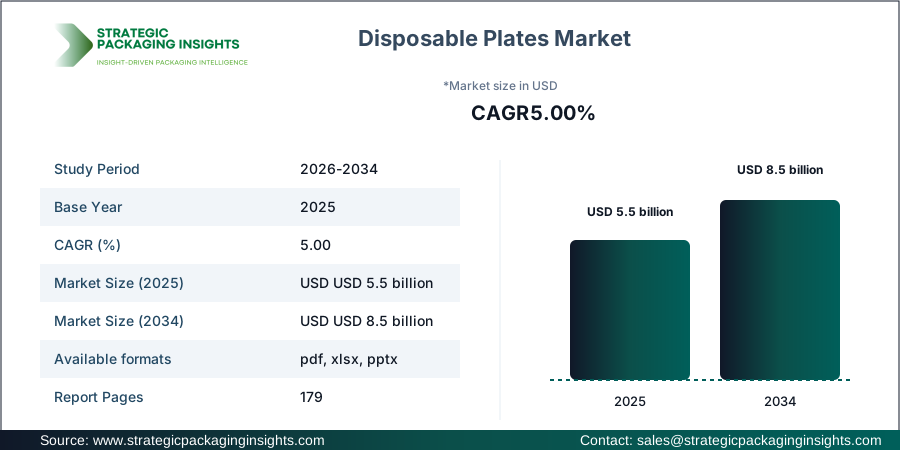
One of the most impactful drivers of the Disposable Plates market is the growing awareness and regulatory push towards sustainable packaging solutions. Governments worldwide are implementing stringent regulations to curb plastic waste, which is propelling the demand for eco-friendly disposable plates. For instance, the European Union's directive to reduce single-use plastics has significantly influenced market dynamics, encouraging manufacturers to innovate and invest in sustainable materials. This regulatory environment, coupled with consumer preference for green products, is expected to drive substantial growth in the market over the coming years.
Report Scope
| Attributes | Details |
| Report Title | Disposable Plates Market Size, Future Growth and Forecast 2034 |
| By Material | Paper / Paperboard, Molded Fiber / Bagasse, Palm Leaf (Areca), Bamboo, Plastic (PP, PS - where permitted), Foam (declining, banned in many regions) |
| By Shape | Round, Square / Rectangular, Compartment / Sectional, Bowls & Deep Plates |
| By Size | Below 7 inch, 7-9 inch, Above 9 inch |
| By End Use | Foodservice & QSR, Catering & Events, Household, Institutional (Schools, Hospitals), Airlines & Rail |
| By Distribution Channel | B2B / HoReCa, Supermarkets & Hypermarkets, Online Retail, Convenience Stores |
| By Region | North America (U.S., Canada, Mexico), Europe (Germany, UK, France, Italy, Spain, Rest of Europe), Asia Pacific (China, India, Japan, South Korea, Australia, Rest of Asia Pacific), Latin America (Brazil, Argentina, Rest of Latin America), Middle East & Africa (GCC Countries, South Africa, Rest of MEA) |
| Base Year | 2025 |
| Historic Period | 2018-2024 |
| Forecast Period | 2026-2034 |
| Number of Pages | 179 |
| Customization Available | Yes* |
Sustainability & Circular Economy Analysis
Sustainability initiatives are reshaping the Disposable Plates market, with a strong emphasis on recyclable materials and eco-friendly innovations. Companies are increasingly adopting biodegradable materials like molded fiber and bagasse, which decompose naturally, reducing landfill waste. This shift is not only driven by consumer demand but also by regulatory pressures to minimize environmental impact. The integration of reusable packaging and lightweight designs is becoming a standard practice, enhancing the market's alignment with circular economy principles.
Eco-friendly material innovation is at the forefront of the market's evolution, with brands investing in research and development to create products that meet both functional and environmental criteria. Waste reduction strategies are being implemented across the supply chain, from raw material sourcing to end-user disposal. Extended Producer Responsibility (EPR) is gaining traction, compelling manufacturers to take accountability for the entire lifecycle of their products, thus fostering a more sustainable market ecosystem.
These sustainability trends are influencing packaging design and manufacturing processes, prompting companies to rethink their investment decisions and supply chain strategies. Regulatory compliance is becoming a critical factor in maintaining market competitiveness, as brands strive to meet evolving standards and consumer expectations. As a result, the Disposable Plates market is poised for long-term growth, driven by a commitment to reducing carbon footprints and enhancing environmental stewardship.
Packaging Value Chain & Supply Chain Analysis
The packaging value chain for disposable plates involves a complex ecosystem of raw material suppliers, converters, manufacturers, and logistics providers. Raw material sourcing is a critical component, with a growing emphasis on sustainable and renewable resources such as bamboo and palm leaf. Packaging converters play a pivotal role in transforming these materials into finished products, while manufacturers focus on optimizing production capabilities to meet rising demand.
Supply chain efficiency is paramount in the Disposable Plates market, with logistics and distribution channels being key determinants of market performance. Strategic partnerships between manufacturers and logistics providers are essential to ensure timely delivery and inventory management. The rise of e-commerce and online retail channels has further complicated the supply chain, necessitating robust procurement strategies and localized sourcing to enhance supply chain resilience.
Global sourcing and localization are becoming increasingly important as companies strive to balance cost-effectiveness with sustainability goals. The availability of raw materials and transportation infrastructure significantly influences market dynamics, with companies investing in advanced packaging machinery to streamline production processes. As the market continues to evolve, supply chain strategies will play a crucial role in determining business competitiveness and overall market success.
Opportunities & Threats
The Disposable Plates market presents numerous opportunities for growth, particularly in the realm of sustainable and eco-friendly products. As consumer awareness of environmental issues increases, there is a significant demand for biodegradable and compostable plates. This trend is opening up new avenues for innovation, with companies investing in research and development to create products that meet both functional and environmental criteria. The rise of online retail channels also presents an opportunity for market expansion, allowing companies to reach a broader audience and tap into new customer segments.
Another opportunity lies in the growing demand for customized and premium disposable plates. As consumers seek unique dining experiences, there is a rising interest in plates that offer aesthetic appeal and functionality. This trend is particularly evident in the foodservice and catering sectors, where presentation plays a crucial role in customer satisfaction. Companies that can offer innovative designs and high-quality products are well-positioned to capitalize on this growing market segment.
However, the market also faces several threats, primarily from regulatory challenges and environmental concerns. The increasing scrutiny on single-use plastics and the push for sustainable alternatives are forcing companies to adapt quickly or risk losing market share. Additionally, fluctuations in raw material prices and supply chain disruptions pose significant risks to market stability. Companies must navigate these challenges carefully, balancing cost-effectiveness with sustainability goals to maintain competitiveness.
Drivers & Challenges
One of the primary drivers of the Disposable Plates market is the increasing demand for convenient and hygienic dining solutions. The rise of fast-food chains and quick-service restaurants has fueled the need for disposable plates that offer both convenience and functionality. Additionally, the growing trend of outdoor dining and events has further boosted demand, as disposable plates provide a practical solution for large gatherings and picnics.
Another significant driver is the shift towards sustainable and eco-friendly products. As consumers become more environmentally conscious, there is a growing preference for plates made from biodegradable materials such as bagasse and molded fiber. This trend is supported by regulatory initiatives aimed at reducing plastic waste, encouraging manufacturers to innovate and invest in sustainable alternatives. Companies that can align their product offerings with these consumer preferences are likely to experience substantial growth in the coming years.
Despite these drivers, the market faces several challenges, including regulatory compliance and supply chain disruptions. The stringent regulations surrounding single-use plastics and the push for sustainable alternatives require companies to adapt quickly and invest in new technologies. Additionally, fluctuations in raw material prices and transportation costs can impact profitability, necessitating robust supply chain strategies to mitigate risks. Companies must navigate these challenges carefully to maintain competitiveness and capitalize on growth opportunities.
Market Share Analysis
The Disposable Plates market is characterized by a competitive landscape with several key players vying for market share. Companies like Huhtamaki, Georgia-Pacific, and Dart Container are leading the market with their extensive product portfolios and strong distribution networks. These companies have established themselves as industry leaders by focusing on innovation, sustainability, and customer satisfaction.
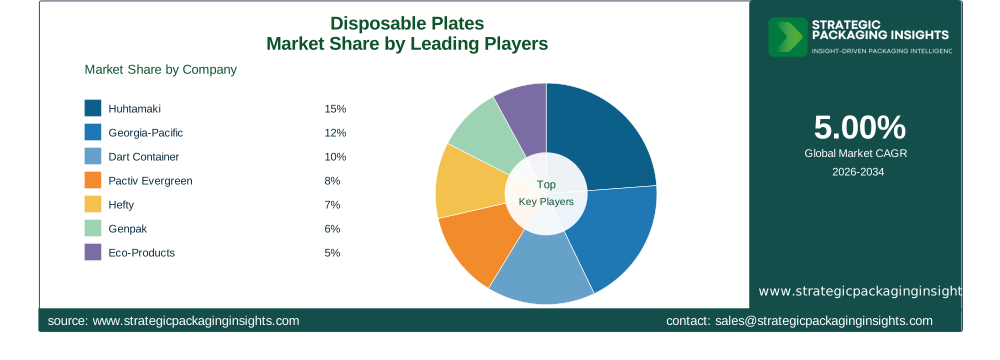
Huhtamaki, known for its Chinet brand, has a significant market share due to its commitment to sustainability and eco-friendly products. The company has invested heavily in research and development to create biodegradable and compostable plates that meet consumer demand for green products. Similarly, Georgia-Pacific, with its Dixie brand, has a strong presence in the market, offering a wide range of disposable plates that cater to various consumer needs.
Dart Container and Pactiv Evergreen are also prominent players in the market, known for their high-quality products and extensive distribution networks. These companies have leveraged their manufacturing capabilities and strategic partnerships to maintain a competitive edge in the market. Hefty, a brand under Reynolds, has also made significant strides in the market by focusing on product innovation and sustainability.
Other notable companies in the market include Genpak, Eco-Products, Vegware, Duni Group, Papstar, and Hosti International. These companies have carved out a niche in the market by offering unique and innovative products that cater to specific consumer preferences. Their focus on sustainability and eco-friendly materials has resonated with consumers, driving growth and market share.
Key Highlights
- Market Size: USD 5.5 billion in 2025, projected to reach USD 8.5 billion by 2034.
- Growth Rate: Anticipated CAGR of 5.00% during the forecast period.
- Leading Brands: Huhtamaki, Georgia-Pacific, Dart Container, Pactiv Evergreen.
- Material Trends: Shift towards biodegradable materials like bagasse and molded fiber.
- Regulatory Impact: Stringent regulations driving demand for eco-friendly products.
- Consumer Preferences: Increasing demand for sustainable and customized plates.
- Regional Growth: Significant growth expected in Asia Pacific and North America.
Disposable Plates Market Segments Insights

By Material Analysis
The Disposable Plates market is witnessing a significant shift towards sustainable materials, with paper and paperboard leading the charge. These materials are favored for their biodegradability and ease of recycling, aligning with consumer preferences for eco-friendly products. Molded fiber and bagasse are also gaining traction, offering a sustainable alternative to traditional plastic plates. These materials decompose naturally, reducing environmental impact and meeting regulatory requirements for sustainable packaging solutions.
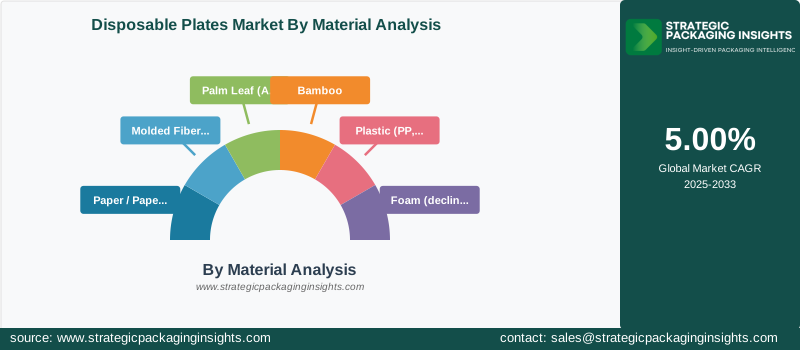
Palm leaf and bamboo plates are emerging as popular choices, particularly in the premium segment. These materials offer a unique aesthetic appeal and are highly durable, making them ideal for catering and events. The use of plastic, particularly PP and PS, is declining due to regulatory restrictions and consumer backlash against single-use plastics. Foam plates are facing a similar fate, with many regions banning their use due to environmental concerns.
By Shape Analysis
Round plates dominate the Disposable Plates market, favored for their versatility and ease of use. These plates are widely used in foodservice and household applications, offering a practical solution for a variety of dining needs. Square and rectangular plates are gaining popularity, particularly in the catering and events sector, where presentation is key. These plates offer a modern and stylish alternative to traditional round plates, appealing to consumers seeking unique dining experiences.
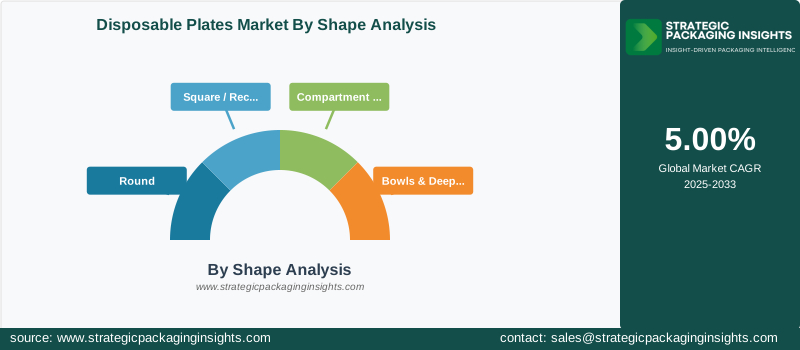
Compartment and sectional plates are also in demand, particularly in institutional settings such as schools and hospitals. These plates offer convenience and portion control, making them ideal for serving balanced meals. Bowls and deep plates are gaining traction in the market, driven by the growing popularity of soups and salads. These plates offer a practical solution for serving liquid-based dishes, catering to the evolving preferences of health-conscious consumers.
By Size Analysis
The Disposable Plates market is segmented by size, with plates below 7 inches being the most popular. These plates are widely used in foodservice and household applications, offering a convenient solution for serving snacks and appetizers. Plates in the 7-9 inch range are also in demand, particularly in the catering and events sector, where they are used for serving main courses and desserts.
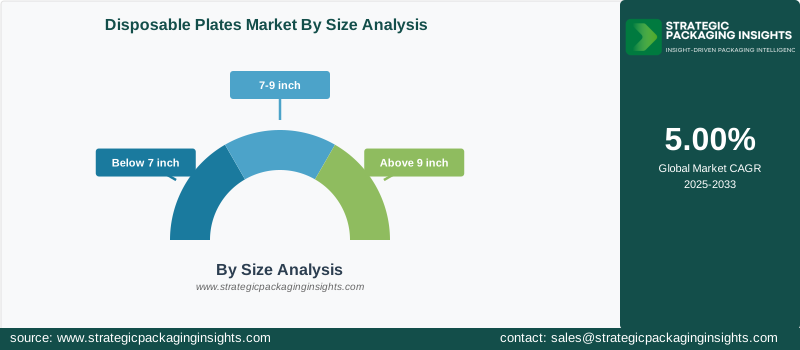
Plates above 9 inches are gaining popularity, particularly in the premium segment. These plates offer a larger surface area, making them ideal for serving elaborate meals and platters. The demand for larger plates is driven by the growing trend of family-style dining and shared meals, where multiple dishes are served on a single plate. This trend is particularly evident in the foodservice sector, where presentation and portion size play a crucial role in customer satisfaction.
By End Use Analysis
The Disposable Plates market is segmented by end use, with the foodservice and quick-service restaurant (QSR) sector being the largest consumer. These establishments rely heavily on disposable plates for their convenience and cost-effectiveness, catering to the fast-paced nature of the industry. The catering and events sector is also a significant consumer, with disposable plates offering a practical solution for large gatherings and outdoor events.
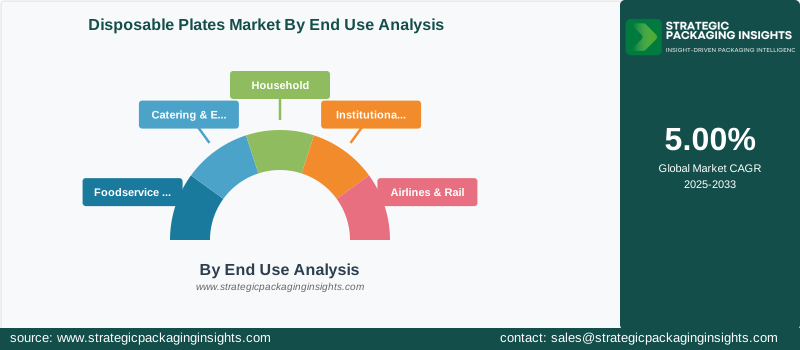
Household use of disposable plates is on the rise, driven by the growing trend of convenience and time-saving solutions. Institutional settings such as schools and hospitals are also significant consumers, with disposable plates offering a hygienic and cost-effective solution for serving meals. The airlines and rail sector is another key consumer, with disposable plates being used for in-flight and onboard dining services.
By Distribution Channel Analysis
The Disposable Plates market is segmented by distribution channel, with B2B and HoReCa (Hotel, Restaurant, and Catering) being the largest channels. These channels account for a significant portion of the market, driven by the high demand for disposable plates in the foodservice and catering sectors. Supermarkets and hypermarkets are also key distribution channels, offering a wide range of disposable plates to consumers.
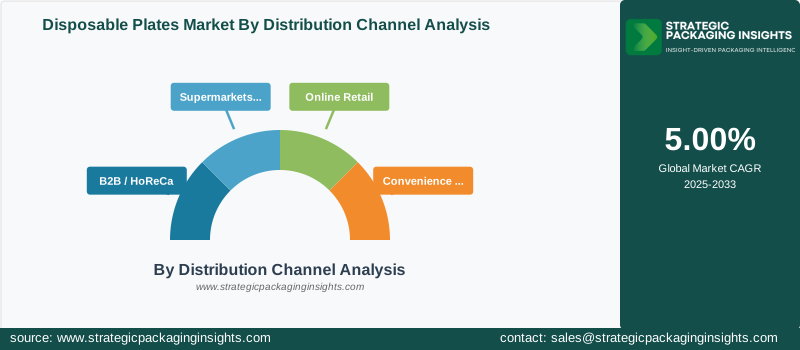
Online retail is gaining traction in the market, driven by the growing trend of e-commerce and online shopping. This channel offers convenience and accessibility, allowing consumers to purchase disposable plates from the comfort of their homes. Convenience stores are also a significant distribution channel, catering to the on-the-go needs of consumers seeking quick and easy dining solutions.
Disposable Plates Market Segments
The Disposable Plates market has been segmented on the basis ofBy Material
- Paper / Paperboard
- Molded Fiber / Bagasse
- Palm Leaf (Areca)
- Bamboo
- Plastic (PP, PS - where permitted)
- Foam (declining, banned in many regions)
By Shape
- Round
- Square / Rectangular
- Compartment / Sectional
- Bowls & Deep Plates
By Size
- Below 7 inch
- 7-9 inch
- Above 9 inch
By End Use
- Foodservice & QSR
- Catering & Events
- Household
- Institutional (Schools, Hospitals)
- Airlines & Rail
By Distribution Channel
- B2B / HoReCa
- Supermarkets & Hypermarkets
- Online Retail
- Convenience Stores
By Region
- North America (U.S., Canada, Mexico)
- Europe (Germany, UK, France, Italy, Spain, Rest of Europe)
- Asia Pacific (China, India, Japan, South Korea, Australia, Rest of Asia Pacific)
- Latin America (Brazil, Argentina, Rest of Latin America)
- Middle East & Africa (GCC Countries, South Africa, Rest of MEA)




