


Disposable Lids Market Outlook
The Disposable Lids market size was valued at USD 4.5 billion in 2025 and is anticipated to reach USD 6.8 billion by 2034, growing at a CAGR of 4.70% during the forecast period according to Strategic Packaging Insights. The market is driven by the increasing demand for convenience in food and beverage consumption, particularly in urban areas where on-the-go lifestyles are prevalent. Companies like Huhtamaki and Dart Container are leading the charge by innovating in lid designs that cater to both functionality and sustainability, which are key consumer demands. The rise in quick-service restaurants (QSRs) and coffee chains globally is also a significant contributor to the market's growth, as these establishments require high volumes of disposable lids for their beverage offerings.
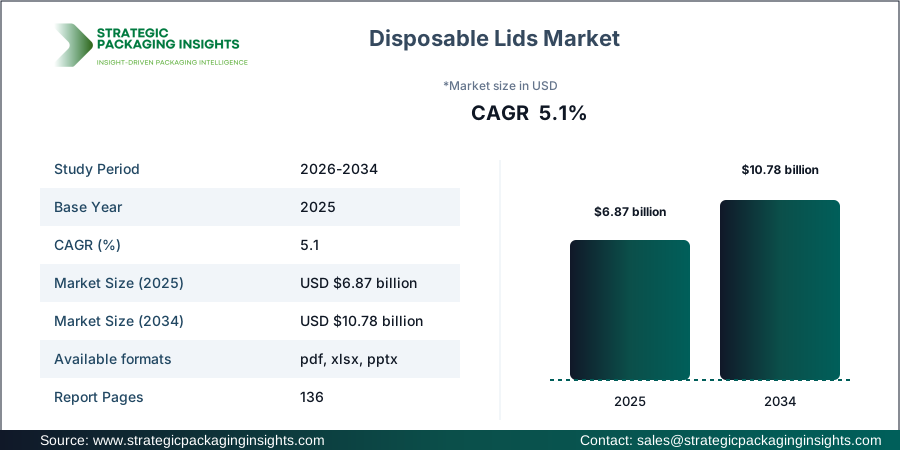
One of the most impactful drivers of the Disposable Lids market is the growing emphasis on sustainability and eco-friendly packaging solutions. Governments and environmental organizations are increasingly advocating for reduced plastic usage, which has led to a surge in demand for biodegradable and compostable lids. This shift is supported by consumer preferences for sustainable products, as evidenced by a growing number of consumers willing to pay a premium for eco-friendly packaging. Companies like Berry Global and Pactiv Evergreen are investing in research and development to create innovative materials that meet these sustainability criteria, thereby enhancing their market position and appeal to environmentally conscious consumers.
Report Scope
| Attributes | Details |
| Report Title | Disposable Lids Market Size, Future Growth and Forecast 2034 |
| By Material | Polystyrene (PS), Polypropylene (PP), PET / rPET, Molded Fiber / Paper, PLA / CPLA Compostable |
| By Type | Sip-Through Hot Cup Lids, Dome Lids, Flat Lids (Cold Cup), Strawless Sipper Lids, Container / Deli Lids |
| By Application | Hot Beverages, Cold Beverages, Food Containers, Ice Cream & Desserts |
| By End Use | QSR & Coffee Chains, Foodservice Distributors, Convenience & Retail, Institutional |
| By Region | North America (U.S., Canada, Mexico), Europe (Germany, UK, France, Italy, Spain, Rest of Europe), Asia Pacific (China, India, Japan, South Korea, Australia, Rest of Asia Pacific), Latin America (Brazil, Argentina, Rest of Latin America), Middle East & Africa (GCC Countries, South Africa, Rest of MEA) |
| Base Year | 2025 |
| Historic Period | 2018-2024 |
| Forecast Period | 2026-2034 |
| Number of Pages | 171 |
| Customization Available | Yes* |
Sustainability & Circular Economy Analysis
Sustainability initiatives are reshaping the Disposable Lids market, with a strong focus on recyclable materials and eco-friendly innovations. Companies are increasingly adopting lightweight packaging solutions to reduce material usage and carbon footprints. The integration of recyclable materials such as PET/rPET and compostable options like PLA/CPLA is becoming more prevalent, driven by consumer demand for sustainable products. These trends are influencing packaging design and manufacturing processes, encouraging companies to invest in new technologies and materials that align with circular economy principles.
Extended Producer Responsibility (EPR) regulations are pushing manufacturers to take accountability for the entire lifecycle of their products, including disposal and recycling. This has led to the development of waste reduction strategies and ESG initiatives that prioritize environmental impact. As a result, companies are re-evaluating their supply chain strategies to ensure compliance with these regulations, which is crucial for maintaining market competitiveness. The emphasis on sustainability is also affecting investment decisions, as investors increasingly favor companies with strong environmental credentials.
Consumer preferences for sustainable packaging are driving significant changes in the market, with a growing number of consumers opting for products that minimize environmental impact. This shift is prompting companies to innovate in packaging design, focusing on reducing waste and enhancing recyclability. The adoption of eco-friendly materials is not only a response to regulatory pressures but also a strategic move to capture market share in a competitive landscape. As sustainability becomes a key differentiator, companies that successfully integrate these practices into their operations are likely to see long-term benefits in terms of brand loyalty and market growth.
Packaging Value Chain & Supply Chain Analysis
The packaging value chain for disposable lids involves multiple stages, from raw material sourcing to the final product reaching consumers. Raw materials such as polystyrene, polypropylene, and biodegradable alternatives are sourced globally, with manufacturers like Huhtamaki and Dart Container playing pivotal roles in converting these materials into finished products. Packaging converters and manufacturers are crucial in this chain, as they transform raw materials into lids that meet specific design and functionality requirements. The efficiency of this process is vital for maintaining competitive pricing and ensuring timely delivery to end-users.
Logistics and distribution channels are integral to the supply chain, ensuring that disposable lids reach retailers, QSRs, and other end-users efficiently. Companies are increasingly focusing on supply chain resilience, adopting strategies such as localization and strategic partnerships to mitigate risks associated with global sourcing. Inventory management and procurement strategies are also evolving, with a focus on optimizing stock levels to meet fluctuating demand while minimizing waste. These efforts are essential for maintaining market performance and competitiveness in a dynamic industry landscape.
Recycling networks are becoming an important component of the packaging value chain, driven by the need to enhance sustainability and comply with regulatory requirements. Companies are investing in recycling infrastructure and collaborating with partners to ensure that used lids are collected and processed effectively. This not only reduces environmental impact but also supports the circular economy by enabling the reuse of materials. As consumer awareness of sustainability issues grows, companies that demonstrate a commitment to responsible sourcing and recycling are likely to gain a competitive edge in the market.
Opportunities & Threats
The Disposable Lids market presents numerous opportunities, particularly in the realm of sustainable packaging solutions. As consumer awareness of environmental issues grows, there is a significant demand for lids made from biodegradable and compostable materials. Companies that can innovate in this space stand to gain a competitive advantage, as they cater to the increasing preference for eco-friendly products. Additionally, the expansion of the foodservice industry, particularly in emerging markets, offers substantial growth potential. As more consumers dine out or order takeout, the demand for disposable lids is expected to rise, providing opportunities for market expansion.
Technological advancements in material science also present opportunities for companies to develop new products that meet both functional and environmental criteria. Innovations in lightweight and durable materials can lead to cost savings and improved product performance, appealing to both consumers and businesses. Furthermore, strategic partnerships and collaborations can enhance market reach and drive innovation, allowing companies to leverage each other's strengths and resources. As the market evolves, companies that can adapt to changing consumer preferences and regulatory requirements are likely to thrive.
However, the market also faces threats, particularly from regulatory pressures aimed at reducing plastic waste. Governments worldwide are implementing stricter regulations on single-use plastics, which could impact the demand for traditional plastic lids. Companies must navigate these challenges by investing in sustainable alternatives and ensuring compliance with evolving regulations. Additionally, fluctuations in raw material prices and supply chain disruptions pose risks to market stability. Companies need to develop robust risk management strategies to mitigate these threats and maintain their competitive position in the market.
Drivers & Challenges
The Disposable Lids market is driven by several key factors, including the growing demand for convenience and on-the-go consumption. As urbanization continues to rise, consumers are increasingly seeking quick and easy food and beverage options, driving demand for disposable lids. The expansion of the foodservice industry, particularly in fast-growing economies, is also a significant driver, as more establishments require disposable lids for their offerings. Companies like Huhtamaki and Dart Container are capitalizing on these trends by developing innovative lid designs that enhance user experience and meet consumer needs.
Sustainability is another major driver, with consumers and businesses alike prioritizing eco-friendly packaging solutions. The shift towards biodegradable and compostable materials is gaining momentum, driven by both consumer preferences and regulatory pressures. Companies that can offer sustainable alternatives are likely to see increased demand and market share. Additionally, advancements in material science and manufacturing technologies are enabling companies to produce high-quality lids that meet both functional and environmental criteria, further driving market growth.
Despite these drivers, the market faces several challenges, including regulatory pressures and supply chain disruptions. Governments worldwide are implementing stricter regulations on single-use plastics, which could impact the demand for traditional plastic lids. Companies must navigate these challenges by investing in sustainable alternatives and ensuring compliance with evolving regulations. Additionally, fluctuations in raw material prices and supply chain disruptions pose risks to market stability. Companies need to develop robust risk management strategies to mitigate these challenges and maintain their competitive position in the market.
Market Share Analysis
The Disposable Lids market is characterized by a competitive landscape with several key players vying for market share. Companies like Huhtamaki, Dart Container, and Berry Global are leading the market, leveraging their extensive product portfolios and strong distribution networks to maintain their positions. These companies are investing heavily in research and development to innovate in lid designs and materials, catering to the growing demand for sustainable and functional packaging solutions. The competitive landscape is further intensified by the presence of regional players who are focusing on niche markets and offering customized solutions to meet specific consumer needs.
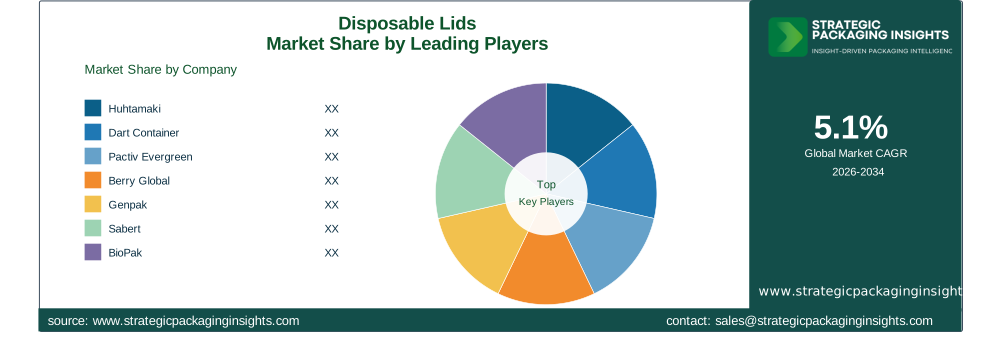
Huhtamaki is a prominent player in the market, known for its commitment to sustainability and innovation. The company offers a wide range of disposable lids made from various materials, including biodegradable options. Dart Container is another major player, with a strong focus on product quality and customer satisfaction. The company has a robust distribution network that enables it to reach a wide range of customers, from small businesses to large foodservice chains. Berry Global is also a key player, known for its extensive product portfolio and focus on sustainability. The company is investing in new technologies and materials to enhance its product offerings and meet the evolving needs of consumers.
Pactiv Evergreen is a significant player in the market, offering a diverse range of disposable lids for various applications. The company is committed to sustainability and is actively working to reduce its environmental impact through innovative product designs and materials. Graphic Packaging is another key player, known for its focus on customer-centric solutions and sustainable packaging options. The company is investing in research and development to create innovative products that meet the needs of its customers while minimizing environmental impact.
Other notable players in the market include D&W Fine Pack, Genpak, Sabert, Anchor Packaging, and Inline Plastics. These companies are focusing on expanding their product portfolios and enhancing their distribution networks to capture a larger share of the market. They are also investing in sustainability initiatives and collaborating with partners to develop innovative solutions that meet the needs of environmentally conscious consumers. As the market continues to evolve, companies that can adapt to changing consumer preferences and regulatory requirements are likely to maintain their competitive positions and achieve long-term growth.
Key Highlights
- Market Size: The Disposable Lids market was valued at USD 4.5 billion in 2025 and is projected to reach USD 6.8 billion by 2034.
- Growth Rate: The market is expected to grow at a CAGR of 4.70% during the forecast period.
- Sustainability Focus: Increasing demand for biodegradable and compostable lids is driving market growth.
- Key Players: Major companies include Huhtamaki, Dart Container, and Berry Global.
- Regional Insights: Asia Pacific is expected to witness significant growth due to rising urbanization and demand for convenience.
- Material Innovation: Companies are investing in new materials like PLA/CPLA to meet sustainability goals.
- Application Segments: Hot and cold beverages are the leading application segments driving demand.
Disposable Lids Market Segments Insights

By Material Analysis
The Disposable Lids market is segmented by material, with options including Polystyrene (PS), Polypropylene (PP), PET/rPET, Molded Fiber/Paper, and PLA/CPLA Compostable. Polystyrene and polypropylene are traditional materials used for their durability and cost-effectiveness. However, the market is witnessing a shift towards more sustainable options like PET/rPET and PLA/CPLA, driven by consumer demand for eco-friendly products. Companies are investing in research and development to create innovative materials that meet both functional and environmental criteria, enhancing their market position and appeal to environmentally conscious consumers.
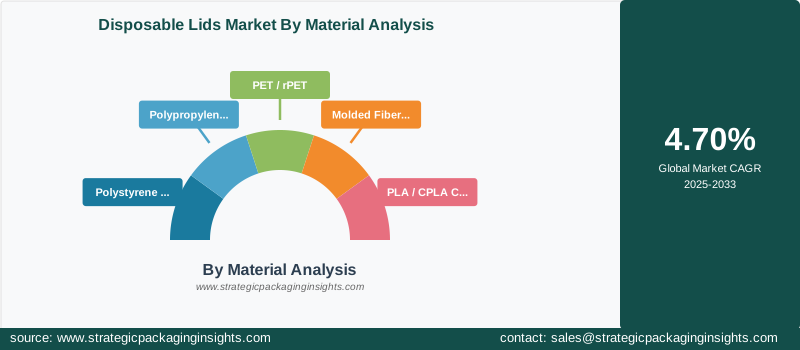
Molded fiber and paper lids are gaining traction as they offer a biodegradable alternative to plastic lids. These materials are particularly popular in regions with strict regulations on single-use plastics. The adoption of PLA/CPLA compostable lids is also on the rise, as they provide a sustainable solution that aligns with circular economy principles. As sustainability becomes a key differentiator in the market, companies that can offer a diverse range of materials are likely to capture a larger share of the market. The focus on material innovation is driving competition and encouraging companies to develop new products that meet evolving consumer preferences.
By Type Analysis
The market is also segmented by type, including Sip-Through Hot Cup Lids, Dome Lids, Flat Lids (Cold Cup), Strawless Sipper Lids, and Container/Deli Lids. Sip-through hot cup lids are widely used in coffee chains and quick-service restaurants, offering convenience and ease of use for consumers. Dome lids are popular for their ability to accommodate whipped cream and other toppings, making them ideal for specialty beverages. Flat lids are commonly used for cold beverages, providing a secure seal that prevents spills and leaks.
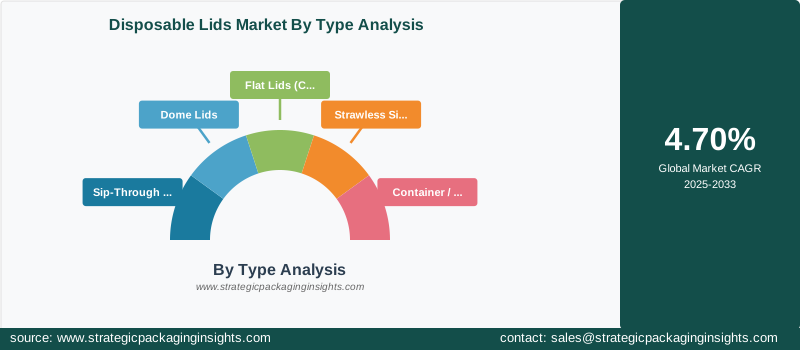
Strawless sipper lids are gaining popularity as they offer a sustainable alternative to traditional lids with straws. These lids are designed to reduce plastic waste and align with consumer preferences for eco-friendly products. Container and deli lids are used for food packaging, offering a secure seal that maintains product freshness. The diversity of lid types reflects the varied needs of consumers and businesses, driving innovation and competition in the market. Companies that can offer a wide range of lid types are likely to capture a larger share of the market, as they cater to the diverse needs of their customers.
By Application Analysis
The Disposable Lids market is segmented by application, including Hot Beverages, Cold Beverages, Food Containers, and Ice Cream & Desserts. Hot beverages are a major application segment, driven by the popularity of coffee and tea consumption. The demand for disposable lids in this segment is fueled by the growth of coffee chains and quick-service restaurants, which require high volumes of lids for their beverage offerings. Cold beverages are another significant segment, with demand driven by the popularity of iced drinks and smoothies.
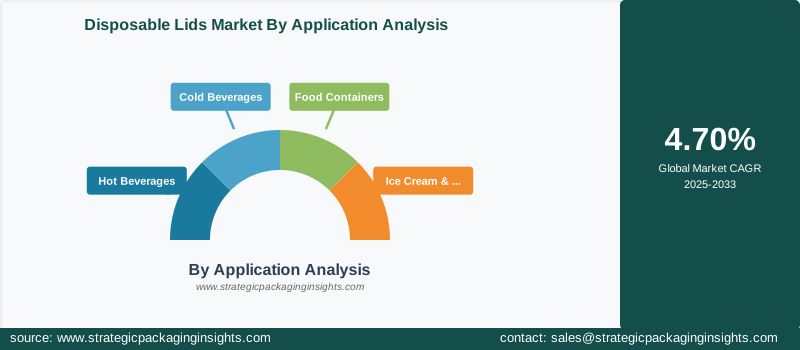
Food containers and ice cream & desserts are also important application segments, as they require lids to maintain product freshness and prevent spills. The growth of the foodservice industry, particularly in emerging markets, is driving demand for disposable lids in these segments. Companies are focusing on developing innovative lid designs that enhance user experience and meet the specific needs of each application segment. As consumer preferences continue to evolve, companies that can offer a diverse range of lids for different applications are likely to capture a larger share of the market.
By End Use Analysis
The market is segmented by end use, including QSR & Coffee Chains, Foodservice Distributors, Convenience & Retail, and Institutional. Quick-service restaurants and coffee chains are major end-users of disposable lids, driven by the need for convenience and on-the-go consumption. The growth of these establishments, particularly in urban areas, is fueling demand for disposable lids. Foodservice distributors are also significant end-users, as they supply lids to a wide range of businesses, from small cafes to large restaurant chains.
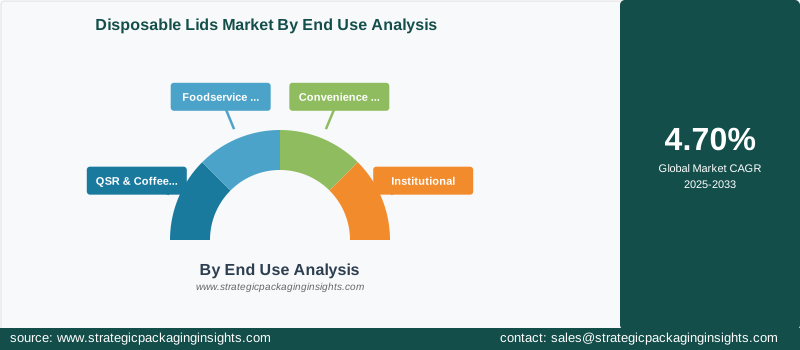
Convenience and retail outlets are important end-users, as they offer a variety of beverages and food products that require disposable lids. The institutional segment, which includes schools, hospitals, and corporate cafeterias, is also a key end-user, as these establishments require lids for their food and beverage offerings. Companies that can cater to the diverse needs of these end-users are likely to capture a larger share of the market. The focus on end-use segmentation is driving innovation and competition, as companies strive to develop products that meet the specific needs of each segment.
Disposable Lids Market Segments
The Disposable Lids market has been segmented on the basis ofBy Material
- Polystyrene (PS)
- Polypropylene (PP)
- PET / rPET
- Molded Fiber / Paper
- PLA / CPLA Compostable
By Type
- Sip-Through Hot Cup Lids
- Dome Lids
- Flat Lids (Cold Cup)
- Strawless Sipper Lids
- Container / Deli Lids
By Application
- Hot Beverages
- Cold Beverages
- Food Containers
- Ice Cream & Desserts
By End Use
- QSR & Coffee Chains
- Foodservice Distributors
- Convenience & Retail
- Institutional
By Region
- North America (U.S., Canada, Mexico)
- Europe (Germany, UK, France, Italy, Spain, Rest of Europe)
- Asia Pacific (China, India, Japan, South Korea, Australia, Rest of Asia Pacific)
- Latin America (Brazil, Argentina, Rest of Latin America)
- Middle East & Africa (GCC Countries, South Africa, Rest of MEA)




