


Cotton Bags Market Outlook
The Cotton Bags market size was valued at USD 1.9 billion in 2025 and is anticipated to reach USD 3.3 billion by 2034, growing at a CAGR of 6.30% during the forecast period according to Strategic Packaging Insights. The market is witnessing a significant surge in demand driven by the increasing consumer preference for sustainable and eco-friendly packaging solutions. Brands like Cottonbagco and EnviroTote are at the forefront, leveraging innovative designs and materials to cater to the evolving consumer needs. The shift towards organic and recycled cotton materials is particularly noteworthy, as it aligns with the global trend of reducing environmental impact and promoting sustainability.
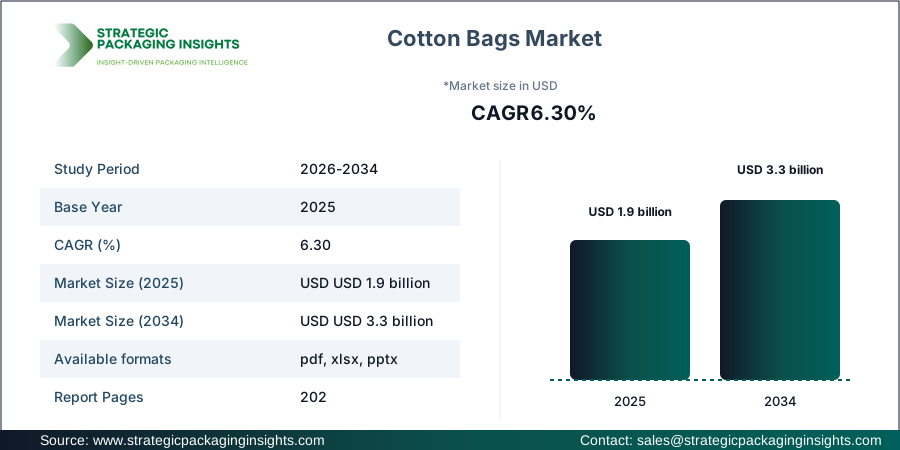
One of the most impactful drivers of the Cotton Bags market is the growing regulatory support for sustainable packaging solutions. Governments worldwide are implementing stringent regulations to curb plastic usage, thereby boosting the demand for cotton bags. For instance, several countries have imposed bans or taxes on single-use plastic bags, encouraging retailers and consumers to switch to reusable alternatives like cotton bags. This regulatory push, coupled with increasing consumer awareness about environmental issues, is expected to propel the market growth further. Brands such as Bag Makers and Turtlecase are capitalizing on this trend by expanding their product lines to include a variety of eco-friendly cotton bag options.
Report Scope
| Attributes | Details |
| Report Title | Cotton Bags Market Size, Future Growth and Forecast 2034 |
| By Material | Conventional Cotton, Organic Cotton, Recycled Cotton, Cotton Canvas, Cotton-Jute Blends |
| By Product Type | Tote Bags, Drawstring Bags, Grocery / Shopping Bags, Promotional Bags, Produce Bags, Wine Bags |
| By Weight | Lightweight (below 140 GSM), Medium (140-280 GSM), Heavy Canvas (above 280 GSM) |
| By End Use | Retail & Grocery, Corporate Promotion & Events, Fashion & Lifestyle Brands, Household |
| By Distribution Channel | B2B / Bulk, Retail Stores, Online |
| By Region | North America (U.S., Canada, Mexico), Europe (Germany, UK, France, Italy, Spain, Rest of Europe), Asia Pacific (China, India, Japan, South Korea, Australia, Rest of Asia Pacific), Latin America (Brazil, Argentina, Rest of Latin America), Middle East & Africa (GCC Countries, South Africa, Rest of MEA) |
| Base Year | 2025 |
| Historic Period | 2018-2024 |
| Forecast Period | 2026-2034 |
| Number of Pages | 202 |
| Customization Available | Yes* |
Sustainability & Circular Economy Analysis
Sustainability initiatives and circular economy practices are significantly shaping the Cotton Bags market. The emphasis on using recyclable materials and promoting reusable packaging is driving innovation in the industry. Companies are increasingly investing in eco-friendly material innovations, such as organic and recycled cotton, to meet consumer demand for sustainable products. This shift is not only reducing the carbon footprint of packaging but also aligning with extended producer responsibility (EPR) regulations, which hold manufacturers accountable for the entire lifecycle of their products.
The influence of sustainability trends extends to packaging design and manufacturing processes. Lightweight packaging solutions are gaining traction as they reduce material usage and transportation costs, thereby enhancing supply chain efficiency. Moreover, consumer preferences for sustainable products are prompting companies to adopt waste reduction strategies and ESG initiatives. These efforts are crucial for maintaining long-term market competitiveness and ensuring regulatory compliance, as governments worldwide continue to tighten packaging regulations.
Investment decisions in the Cotton Bags market are increasingly being guided by sustainability considerations. Companies are prioritizing investments in technologies and processes that support eco-friendly production and supply chain strategies. This focus on sustainability is not only enhancing brand reputation but also attracting environmentally conscious consumers. As a result, the market is witnessing a growing trend of collaborations and partnerships aimed at advancing sustainable packaging solutions, further driving the industry's growth.
Packaging Value Chain & Supply Chain Analysis
The packaging value chain for cotton bags involves a complex ecosystem of raw material sourcing, manufacturing, and distribution. Raw material availability, particularly organic and recycled cotton, plays a crucial role in determining production capabilities and supply chain efficiency. Packaging converters and manufacturers are focusing on optimizing procurement strategies to ensure a steady supply of high-quality materials. This involves establishing strategic partnerships with suppliers and investing in inventory management systems to mitigate supply chain disruptions.
Logistics and distribution channels are integral components of the cotton bags supply chain. Efficient transportation and distribution networks are essential for ensuring timely delivery of products to retailers and consumers. Companies are increasingly adopting localization strategies to enhance supply chain resilience and reduce transportation costs. This involves setting up manufacturing facilities closer to key markets and leveraging global sourcing networks to access a diverse range of materials and technologies.
Brand owners and retailers play a pivotal role in the packaging value chain by driving demand for cotton bags. Their focus on sustainability and eco-friendly packaging solutions is influencing the entire supply chain, from raw material sourcing to end-product delivery. Recycling networks are also becoming increasingly important as companies strive to close the loop on packaging waste. By integrating recycling initiatives into their supply chain strategies, companies are not only reducing their environmental impact but also enhancing their market competitiveness.
Opportunities & Threats
The Cotton Bags market presents numerous opportunities for growth, driven by the increasing demand for sustainable packaging solutions. The shift towards eco-friendly materials, such as organic and recycled cotton, is creating new avenues for product innovation and differentiation. Companies that invest in developing unique and sustainable cotton bag designs are likely to gain a competitive edge in the market. Additionally, the growing trend of corporate social responsibility (CSR) is encouraging businesses to adopt sustainable packaging practices, further boosting the demand for cotton bags.
Another significant opportunity lies in the expansion of distribution channels, particularly online platforms. The rise of e-commerce is providing companies with a broader reach and access to a global customer base. By leveraging digital marketing strategies and enhancing their online presence, companies can tap into new markets and increase their sales. Furthermore, collaborations and partnerships with retailers and fashion brands can help companies expand their product offerings and strengthen their market position.
Despite the promising growth prospects, the Cotton Bags market faces several threats that could hinder its expansion. One of the primary challenges is the volatility in raw material prices, particularly cotton. Fluctuations in cotton prices can impact production costs and profit margins, making it essential for companies to adopt effective procurement and inventory management strategies. Additionally, the market is highly competitive, with numerous players vying for market share. Companies must continuously innovate and differentiate their products to stay ahead of the competition and maintain their market position.
Drivers & Challenges
The Cotton Bags market is primarily driven by the increasing consumer awareness and demand for sustainable packaging solutions. As environmental concerns continue to rise, consumers are actively seeking eco-friendly alternatives to traditional plastic bags. This shift in consumer preferences is encouraging companies to invest in sustainable materials and innovative designs, thereby driving market growth. Additionally, government regulations aimed at reducing plastic waste are further propelling the demand for cotton bags, as businesses seek to comply with these mandates.
Technological advancements in manufacturing processes are also contributing to the growth of the Cotton Bags market. Innovations in textile technology are enabling companies to produce high-quality cotton bags with enhanced durability and aesthetic appeal. These advancements are not only improving product quality but also reducing production costs, making cotton bags more accessible to a wider range of consumers. Furthermore, the growing trend of customization and personalization is driving demand for unique and tailored cotton bag designs, providing companies with new growth opportunities.
However, the market faces several challenges that could impede its growth. One of the primary challenges is the high cost of sustainable materials, such as organic and recycled cotton. These materials are often more expensive than conventional cotton, which can impact profit margins and limit market penetration. Additionally, the lack of standardization in sustainability certifications can create confusion among consumers and hinder market growth. Companies must navigate these challenges by adopting cost-effective production strategies and ensuring transparency in their sustainability claims.
Market Share Analysis
The competitive landscape of the Cotton Bags market is characterized by the presence of several key players, each striving to capture a significant share of the market. Companies like Cottonbagco, EnviroTote, and Bag Makers are leading the market with their innovative product offerings and strong brand presence. These companies are focusing on expanding their product lines to include a variety of eco-friendly cotton bag options, catering to the diverse needs of consumers. Their emphasis on sustainability and quality is helping them maintain a competitive edge in the market.
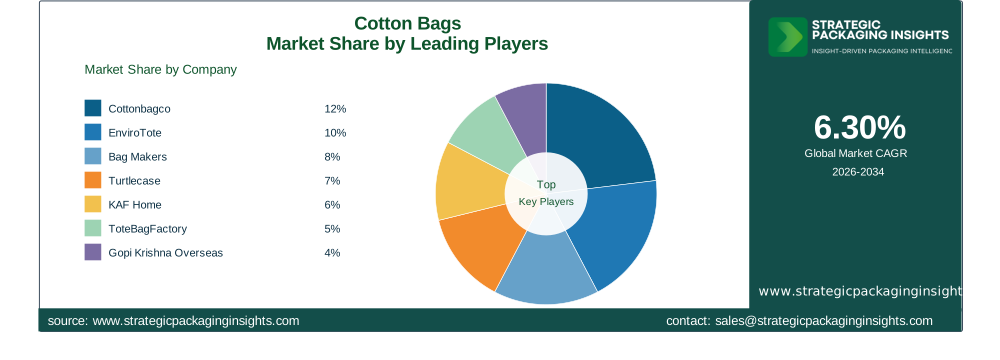
EnviroTote, for instance, is renowned for its commitment to sustainability and eco-friendly practices. The company offers a wide range of cotton bags made from organic and recycled materials, appealing to environmentally conscious consumers. Similarly, Bag Makers is leveraging its extensive distribution network to reach a broader customer base and enhance its market presence. The company's focus on innovation and quality has earned it a strong reputation in the industry.
Other notable players in the market include Turtlecase, KAF Home, and ToteBagFactory. These companies are investing in research and development to create unique and sustainable cotton bag designs that stand out in the market. Their focus on customization and personalization is helping them attract a diverse range of customers, from fashion brands to corporate clients. By offering tailored solutions, these companies are able to meet the specific needs of their clients and strengthen their market position.
Gopi Krishna Overseas, Ecobags India, and Norquest Brands are also making significant strides in the Cotton Bags market. These companies are focusing on expanding their global presence by establishing strategic partnerships and collaborations with international retailers and distributors. Their emphasis on quality and sustainability is helping them build a loyal customer base and enhance their brand reputation. As the market continues to evolve, these companies are well-positioned to capitalize on emerging opportunities and drive future growth.
Key Highlights
- Market Size: USD 1.9 billion in 2025, projected to reach USD 3.3 billion by 2034.
- Growth Rate: Forecasted CAGR of 6.30% during the forecast period.
- Leading Companies: Cottonbagco, EnviroTote, Bag Makers, Turtlecase, KAF Home.
- Material Trends: Increasing demand for organic and recycled cotton materials.
- Product Innovation: Focus on eco-friendly and customizable cotton bag designs.
- Regulatory Support: Government regulations promoting sustainable packaging solutions.
- Distribution Channels: Expansion of online platforms and e-commerce.
Cotton Bags Market Segments Insights
By Material Analysis
The material segment of the Cotton Bags market is witnessing significant growth, driven by the increasing demand for sustainable and eco-friendly materials. Conventional cotton remains a popular choice due to its affordability and availability. However, the market is seeing a shift towards organic and recycled cotton, as consumers become more environmentally conscious. Organic cotton is gaining traction for its reduced environmental impact and absence of harmful chemicals, making it a preferred choice for eco-friendly brands. Recycled cotton, on the other hand, is appealing to consumers seeking sustainable alternatives that minimize waste and promote circular economy practices.
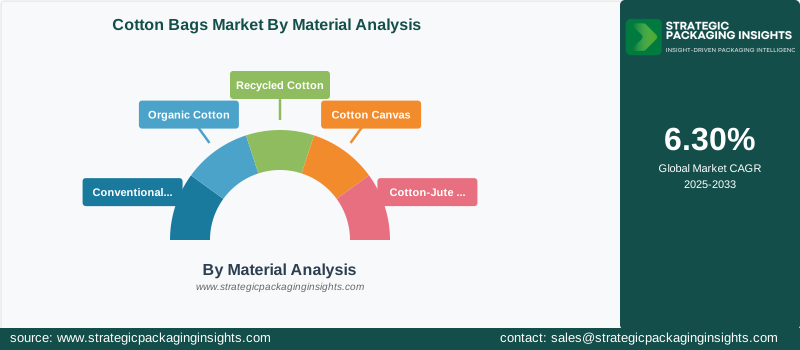
Cotton canvas and cotton-jute blends are also gaining popularity in the market. Cotton canvas is valued for its durability and versatility, making it suitable for a wide range of applications, from tote bags to promotional items. Cotton-jute blends offer a unique combination of strength and sustainability, appealing to consumers looking for eco-friendly options with a rustic aesthetic. As the demand for sustainable materials continues to rise, companies are investing in research and development to create innovative blends and enhance the performance of cotton bags.
By Product Type Analysis
The product type segment of the Cotton Bags market is characterized by a diverse range of offerings, catering to various consumer needs and preferences. Tote bags are among the most popular products, known for their versatility and practicality. They are widely used for shopping, travel, and everyday activities, making them a staple in the cotton bags market. Drawstring bags are also gaining popularity, particularly among younger consumers and sports enthusiasts, due to their lightweight and convenient design.
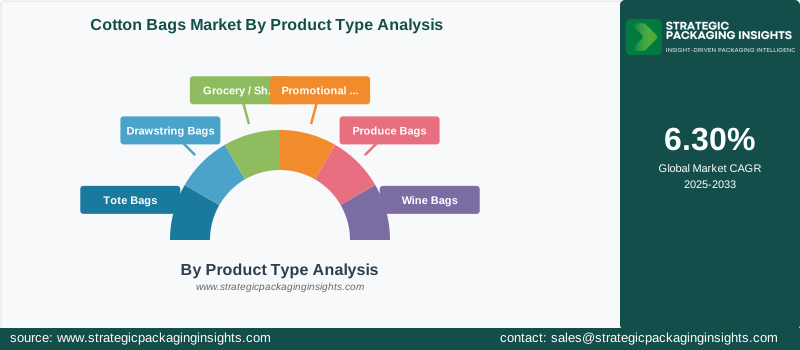
Grocery and shopping bags are experiencing strong demand, driven by the increasing focus on reducing plastic waste and promoting reusable alternatives. Promotional bags are another key segment, as businesses seek eco-friendly options for corporate events and marketing campaigns. Produce bags and wine bags are niche segments that are gaining traction, as consumers look for sustainable packaging solutions for specific purposes. Companies are leveraging these trends to expand their product lines and capture a larger share of the market.
By Weight Analysis
The weight segment of the Cotton Bags market is segmented into lightweight, medium, and heavy canvas options, each catering to different consumer needs and applications. Lightweight cotton bags, typically below 140 GSM, are favored for their portability and cost-effectiveness. They are ideal for promotional events and giveaways, where affordability and ease of distribution are key considerations. Medium-weight cotton bags, ranging from 140 to 280 GSM, offer a balance of durability and versatility, making them suitable for everyday use and retail applications.
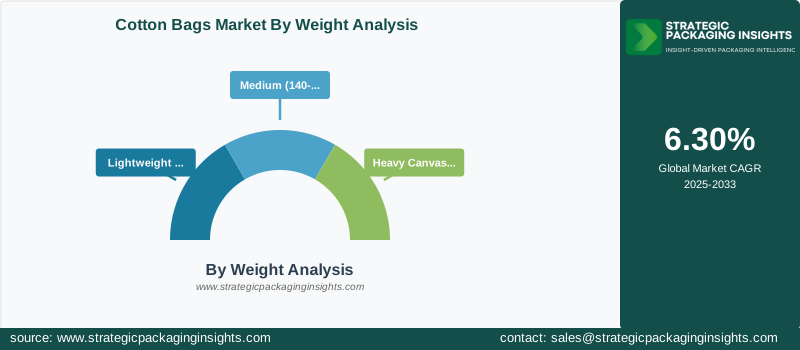
Heavy canvas cotton bags, above 280 GSM, are valued for their strength and durability, making them ideal for heavy-duty applications and long-term use. These bags are often used for shopping and travel, where durability and load-bearing capacity are essential. As consumer preferences continue to evolve, companies are focusing on offering a diverse range of weight options to cater to different market segments and enhance their product offerings.
By End Use Analysis
The end-use segment of the Cotton Bags market is driven by the diverse applications of cotton bags across various industries. The retail and grocery sector is a major contributor to market growth, as retailers increasingly adopt sustainable packaging solutions to meet consumer demand and comply with regulatory requirements. Corporate promotion and events are another key segment, as businesses seek eco-friendly options for branding and marketing purposes.
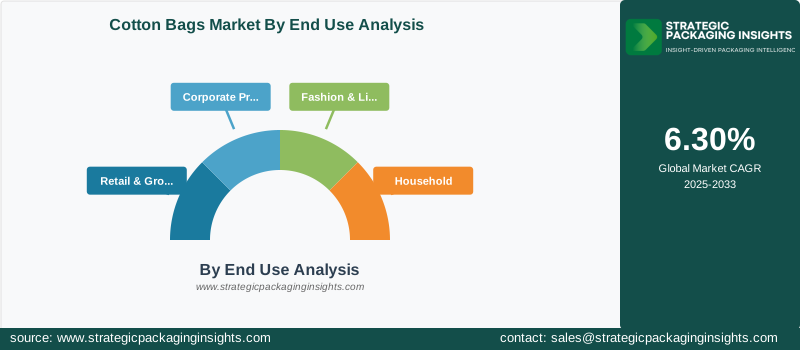
Fashion and lifestyle brands are also driving demand for cotton bags, as they look for sustainable alternatives to traditional packaging materials. The household segment is gaining traction, as consumers seek reusable and eco-friendly options for everyday use. Companies are leveraging these trends to expand their product offerings and capture a larger share of the market. By focusing on specific end-use applications, companies can tailor their products to meet the unique needs of different industries and enhance their market competitiveness.
By Distribution Channel Analysis
The distribution channel segment of the Cotton Bags market is characterized by a mix of B2B, retail, and online channels, each offering unique opportunities for market growth. B2B and bulk sales are a significant contributor to market revenue, as businesses and organizations seek eco-friendly packaging solutions for corporate events and promotional activities. Retail stores are another key distribution channel, as consumers increasingly seek sustainable alternatives to plastic bags for everyday use.
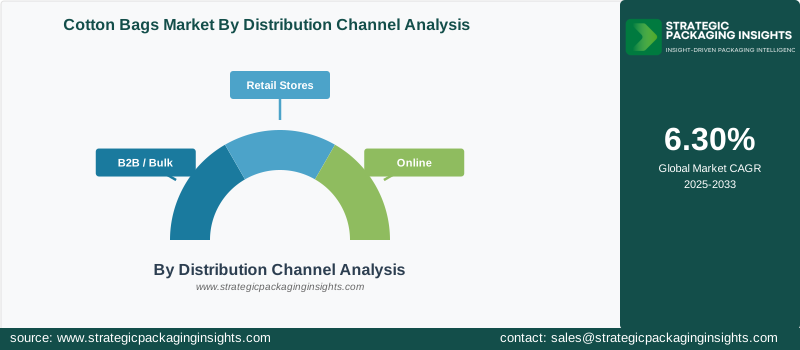
Online platforms are experiencing rapid growth, driven by the rise of e-commerce and digital marketing strategies. Companies are leveraging online channels to reach a broader customer base and enhance their market presence. By expanding their distribution networks and enhancing their online presence, companies can tap into new markets and increase their sales. The focus on digital marketing and e-commerce is expected to drive further growth in the distribution channel segment, as companies seek to capitalize on the growing demand for sustainable packaging solutions.
Cotton Bags Market Segments
The Cotton Bags market has been segmented on the basis ofBy Material
- Conventional Cotton
- Organic Cotton
- Recycled Cotton
- Cotton Canvas
- Cotton-Jute Blends
By Product Type
- Tote Bags
- Drawstring Bags
- Grocery / Shopping Bags
- Promotional Bags
- Produce Bags
- Wine Bags
By Weight
- Lightweight (below 140 GSM)
- Medium (140-280 GSM)
- Heavy Canvas (above 280 GSM)
By End Use
- Retail & Grocery
- Corporate Promotion & Events
- Fashion & Lifestyle Brands
- Household
By Distribution Channel
- B2B / Bulk
- Retail Stores
- Online
By Region
- North America (U.S., Canada, Mexico)
- Europe (Germany, UK, France, Italy, Spain, Rest of Europe)
- Asia Pacific (China, India, Japan, South Korea, Australia, Rest of Asia Pacific)
- Latin America (Brazil, Argentina, Rest of Latin America)
- Middle East & Africa (GCC Countries, South Africa, Rest of MEA)




