


Cosmetic Product Packaging Market Outlook
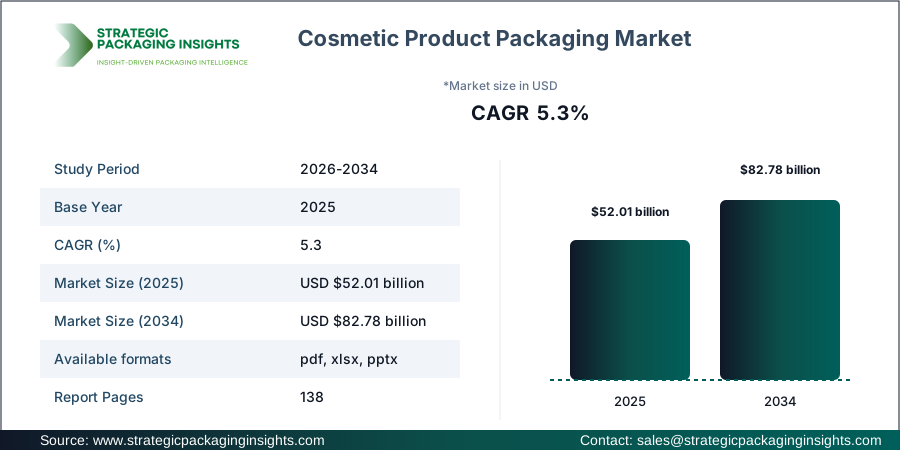
The Cosmetic Product Packaging market was valued at $52.01 billion in 2025 and is projected to reach $82.78 billion by 2034, growing at a CAGR of 5.3% during the forecast period 2026-2034. This market is witnessing robust growth driven by the increasing demand for innovative and sustainable packaging solutions. The rise in consumer awareness regarding the environmental impact of packaging materials is pushing manufacturers to adopt eco-friendly alternatives. Additionally, the growing beauty and personal care industry, fueled by rising disposable incomes and changing lifestyles, is significantly contributing to the market's expansion. The demand for premium packaging, which enhances the aesthetic appeal and functionality of cosmetic products, is also on the rise, further propelling market growth.
However, the market faces challenges such as stringent regulations regarding packaging waste and recycling. Regulatory bodies across the globe are imposing strict guidelines to reduce plastic waste, which is compelling manufacturers to innovate and invest in sustainable packaging solutions. Despite these challenges, the market holds immense growth potential due to the increasing popularity of e-commerce platforms, which require durable and attractive packaging to enhance customer experience. The shift towards digital platforms is creating new opportunities for packaging companies to develop innovative solutions that cater to the unique needs of online retail.
Report Scope
| Attributes | Details |
| Report Title | Cosmetic Product Packaging Market Size, Future Growth and Forecast 2034 |
| By Packaging Type | Bottles, Jars, Tubes, Compacts, Pumps |
| By Material Type | Plastic, Glass, Metal, Paperboard |
| By Application | Skincare, Haircare, Makeup, Fragrances |
| By End Use | Beauty Brands, Contract Fillers, Retailers |
| Region | Asia Pacific, North America, Latin America, Europe, Middle East & Africa |
| Base Year | 2025 |
| Historic Period | 2018-2024 |
| Forecast Period | 2026-2034 |
| Number of Pages | 138 |
| Customization Available | Yes* |
Opportunities & Threats
The Cosmetic Product Packaging market presents numerous opportunities, particularly in the realm of sustainable packaging solutions. As consumers become more environmentally conscious, there is a growing demand for packaging materials that are biodegradable, recyclable, and made from renewable resources. This shift in consumer preference is encouraging manufacturers to explore innovative materials and technologies that reduce environmental impact. Additionally, the rise of personalized and customizable packaging solutions offers significant growth potential. Brands are increasingly focusing on creating unique packaging designs that resonate with their target audience, providing a competitive edge in the crowded beauty market.
Another opportunity lies in the expansion of the e-commerce sector. With the increasing popularity of online shopping, there is a heightened demand for packaging that not only protects products during transit but also enhances the unboxing experience. This trend is driving the development of packaging solutions that are both functional and visually appealing, catering to the needs of digital consumers. Furthermore, the growing middle-class population in emerging economies is boosting the demand for cosmetic products, thereby increasing the need for innovative packaging solutions that cater to diverse consumer preferences.
On the flip side, the market faces threats from regulatory challenges and the high cost of sustainable packaging materials. Stringent regulations regarding packaging waste and recycling are compelling manufacturers to invest in research and development to comply with environmental standards. Additionally, the high cost of eco-friendly materials can be a deterrent for small and medium-sized enterprises, limiting their ability to compete with larger players. The volatility in raw material prices also poses a threat to market stability, impacting the profitability of packaging manufacturers.
Drivers & Challenges
The Cosmetic Product Packaging market is primarily driven by the growing demand for beauty and personal care products. As consumers become more conscious of their appearance and personal grooming, the demand for cosmetic products is on the rise, subsequently driving the need for innovative packaging solutions. The increasing focus on product differentiation and brand identity is encouraging manufacturers to invest in unique and aesthetically pleasing packaging designs. Additionally, the rise of social media and influencer marketing is playing a crucial role in shaping consumer preferences, further boosting the demand for visually appealing packaging.
Technological advancements in packaging materials and processes are also driving market growth. The development of smart packaging solutions, such as those with QR codes and augmented reality features, is enhancing consumer engagement and providing brands with valuable insights into consumer behavior. Moreover, the increasing adoption of sustainable packaging materials, such as biodegradable plastics and recycled paperboard, is gaining traction among environmentally conscious consumers, further propelling market growth.
Despite these drivers, the market faces several challenges, including the high cost of sustainable packaging materials and the complexity of regulatory compliance. The transition to eco-friendly materials requires significant investment in research and development, which can be a barrier for small and medium-sized enterprises. Additionally, the need to comply with varying regulations across different regions adds complexity to the packaging process, impacting the overall efficiency and profitability of manufacturers. The volatility in raw material prices also poses a challenge, affecting the cost structure and pricing strategies of packaging companies.
Market Share Analysis
The Cosmetic Product Packaging market is characterized by intense competition, with several key players vying for market share. AptarGroup, a leading provider of dispensing systems and packaging solutions, holds a significant share in the market due to its extensive product portfolio and strong focus on innovation. The company is known for its sustainable packaging solutions, which cater to the growing demand for eco-friendly products. Albéa, another major player, is renowned for its expertise in manufacturing beauty packaging, offering a wide range of products including tubes, pumps, and compacts. The company's commitment to sustainability and innovation has helped it maintain a strong position in the market.
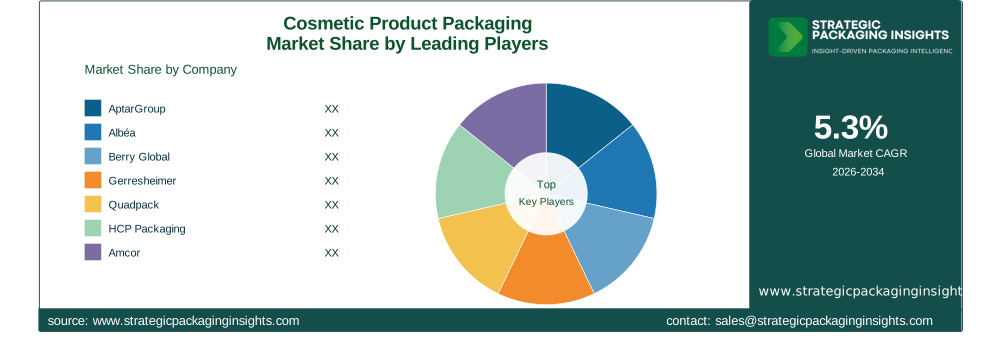
Berry Global, a prominent player in the packaging industry, is known for its comprehensive range of plastic packaging solutions. The company's focus on sustainability and innovation has enabled it to capture a significant share of the cosmetic product packaging market. Gerresheimer, a leading manufacturer of glass and plastic packaging, is recognized for its high-quality products and strong customer relationships. The company's focus on innovation and sustainability has helped it maintain a competitive edge in the market.
Quadpack, a global manufacturer of packaging solutions, is known for its innovative and sustainable packaging designs. The company's focus on customization and personalization has helped it cater to the diverse needs of beauty brands, enhancing its market presence. HCP Packaging, a leading provider of cosmetic packaging solutions, is renowned for its expertise in manufacturing high-quality compacts, jars, and bottles. The company's commitment to sustainability and innovation has enabled it to capture a significant share of the market.
Amcor, a global leader in packaging solutions, is known for its extensive product portfolio and strong focus on sustainability. The company's innovative packaging solutions cater to the growing demand for eco-friendly products, helping it maintain a strong position in the market. Silgan Dispensing, a leading provider of dispensing solutions, is recognized for its high-quality products and strong customer relationships. The company's focus on innovation and sustainability has helped it maintain a competitive edge in the market.
Key Highlights
- The Cosmetic Product Packaging market is projected to grow from $52.01 billion in 2025 to $82.78 billion by 2034, at a CAGR of 5.3%.
- Increasing demand for sustainable and eco-friendly packaging solutions is driving market growth.
- The rise of e-commerce platforms is creating new opportunities for innovative packaging solutions.
- Technological advancements in packaging materials and processes are enhancing consumer engagement.
- Stringent regulations regarding packaging waste and recycling pose challenges to market growth.
- Personalized and customizable packaging solutions offer significant growth potential.
- The volatility in raw material prices impacts the profitability of packaging manufacturers.
- Key players in the market include AptarGroup, Albéa, Berry Global, and Gerresheimer.
- The growing middle-class population in emerging economies is boosting demand for cosmetic products.
- Social media and influencer marketing are shaping consumer preferences, driving demand for visually appealing packaging.
Top Countries Insights
In the Cosmetic Product Packaging market, the United States stands out with a market size of approximately $15 billion and a CAGR of 4%. The country's growth is driven by the high demand for premium and innovative packaging solutions, fueled by a robust beauty and personal care industry. The presence of major cosmetic brands and a strong focus on sustainability are further propelling market growth. However, regulatory challenges related to packaging waste and recycling remain a concern for manufacturers.
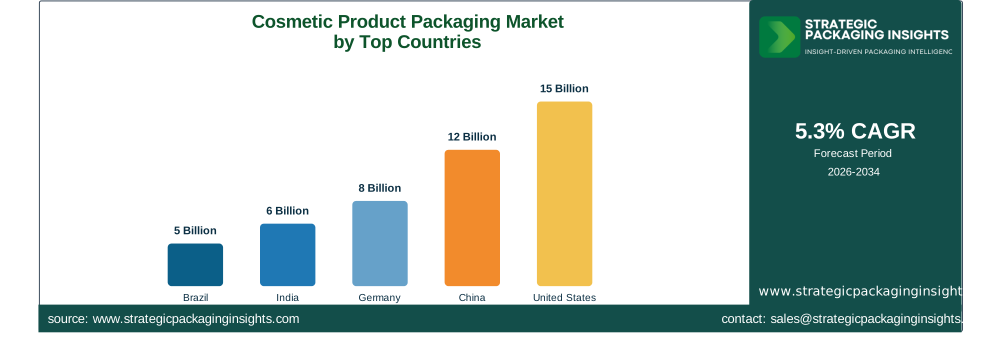
China, with a market size of around $12 billion and a CAGR of 6%, is experiencing rapid growth in the cosmetic product packaging market. The country's expanding middle-class population and increasing disposable incomes are driving demand for beauty products, subsequently boosting the need for innovative packaging solutions. The government's focus on environmental sustainability is encouraging manufacturers to adopt eco-friendly materials, further supporting market growth.
Germany, with a market size of approximately $8 billion and a CAGR of 5%, is a key player in the European cosmetic product packaging market. The country's strong focus on sustainability and innovation is driving demand for eco-friendly packaging solutions. The presence of leading cosmetic brands and a well-established packaging industry are further contributing to market growth. However, stringent regulations regarding packaging waste and recycling pose challenges to manufacturers.
India, with a market size of around $6 billion and a CAGR of 7%, is witnessing significant growth in the cosmetic product packaging market. The country's growing middle-class population and increasing awareness of personal grooming are driving demand for beauty products, subsequently boosting the need for innovative packaging solutions. The rise of e-commerce platforms is creating new opportunities for packaging manufacturers, although regulatory challenges related to packaging waste remain a concern.
Brazil, with a market size of approximately $5 billion and a CAGR of 5%, is a key player in the Latin American cosmetic product packaging market. The country's expanding beauty and personal care industry is driving demand for innovative packaging solutions. The government's focus on sustainability and environmental protection is encouraging manufacturers to adopt eco-friendly materials, further supporting market growth. However, economic instability and regulatory challenges pose threats to market stability.
Cosmetic Product Packaging Market Segments Insights

Packaging Type Analysis
The packaging type segment in the Cosmetic Product Packaging market is diverse, encompassing bottles, jars, tubes, compacts, and pumps. Bottles and jars are widely used for liquid and cream-based products, offering convenience and ease of use. The demand for innovative bottle designs that enhance product appeal is on the rise, driven by the need for differentiation in a competitive market. Tubes, known for their flexibility and portability, are gaining popularity for skincare and haircare products. The rise of travel-sized products is further boosting the demand for tubes, as consumers seek convenient packaging solutions for on-the-go use.
Compacts and pumps are also witnessing significant demand, particularly in the makeup and fragrance segments. Compacts, known for their sleek and portable design, are favored for powder-based products, offering convenience and ease of application. Pumps, on the other hand, are preferred for liquid products, providing precise dispensing and minimizing product wastage. The increasing focus on product functionality and user experience is driving the demand for innovative packaging solutions that cater to diverse consumer needs.
Material Type Analysis
The material type segment in the Cosmetic Product Packaging market includes plastic, glass, metal, and paperboard. Plastic remains the dominant material due to its versatility, durability, and cost-effectiveness. However, the growing environmental concerns and regulatory pressures are driving the shift towards sustainable alternatives. Glass, known for its premium appeal and recyclability, is gaining traction among luxury brands seeking to enhance product aesthetics and sustainability. The demand for glass packaging is particularly high in the fragrance segment, where product presentation plays a crucial role in consumer purchasing decisions.
Metal and paperboard are also witnessing increased demand, driven by the need for eco-friendly packaging solutions. Metal, known for its durability and recyclability, is favored for products requiring robust protection, such as deodorants and aerosols. Paperboard, on the other hand, is gaining popularity for its biodegradability and versatility, offering a sustainable alternative to plastic. The increasing focus on sustainability and innovation is driving the demand for diverse material options that cater to the evolving needs of consumers and regulatory requirements.
Application Analysis
The application segment in the Cosmetic Product Packaging market includes skincare, haircare, makeup, and fragrances. Skincare remains the largest segment, driven by the increasing demand for anti-aging and sun protection products. The need for innovative packaging solutions that preserve product efficacy and enhance user experience is driving the demand for advanced packaging technologies. Haircare, known for its diverse product offerings, is witnessing significant demand for packaging solutions that cater to different product formulations and consumer preferences.
Makeup and fragrances are also key segments, driven by the growing focus on personal grooming and self-expression. The demand for visually appealing and functional packaging solutions is on the rise, as consumers seek products that enhance their beauty routines. The increasing popularity of personalized and customizable packaging solutions is further driving the demand for innovative packaging designs that cater to diverse consumer needs and preferences.
End Use Analysis
The end-use segment in the Cosmetic Product Packaging market includes beauty brands, contract fillers, and retailers. Beauty brands remain the dominant end-user, driven by the need for innovative packaging solutions that enhance brand identity and product appeal. The increasing focus on sustainability and customization is encouraging brands to invest in unique packaging designs that resonate with their target audience. Contract fillers, known for their expertise in manufacturing and filling cosmetic products, are also key end-users, seeking packaging solutions that enhance product functionality and user experience.
Retailers, particularly those in the e-commerce sector, are witnessing increased demand for packaging solutions that enhance the unboxing experience and protect products during transit. The rise of online shopping is driving the need for durable and visually appealing packaging solutions that cater to the unique needs of digital consumers. The increasing focus on sustainability and innovation is driving the demand for diverse packaging solutions that cater to the evolving needs of end-users and consumers.
Cosmetic Product Packaging Market Segments
The Cosmetic Product Packaging market has been segmented on the basis ofBy Packaging Type
- Bottles
- Jars
- Tubes
- Compacts
- Pumps
By Material Type
- Plastic
- Glass
- Metal
- Paperboard
By Application
- Skincare
- Haircare
- Makeup
- Fragrances
By End Use
- Beauty Brands
- Contract Fillers
- Retailers
Region
- Asia Pacific
- North America
- Latin America
- Europe
- Middle East & Africa




