


Chemical Recycling Technologies for Medical-Grade Plastics Market Outlook
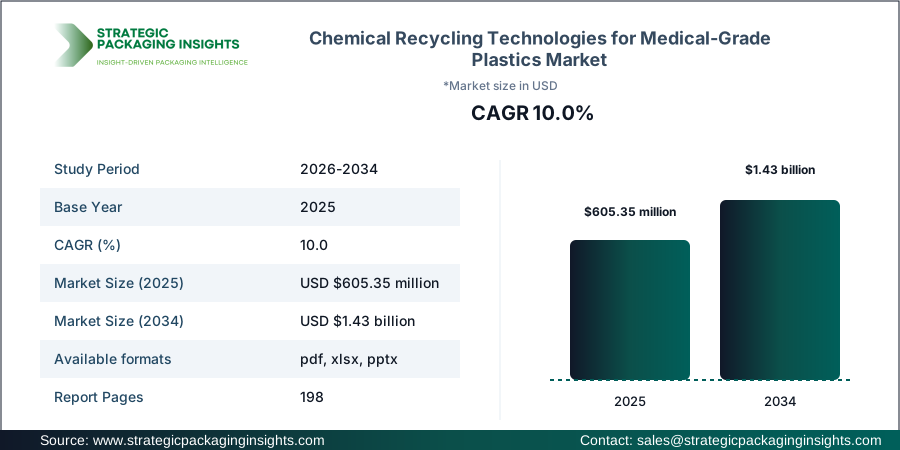
The Chemical Recycling Technologies for Medical-Grade Plastics market was valued at $605.35 million in 2025 and is projected to reach $1.43 billion by 2034, growing at a CAGR of 10.0% during the forecast period 2026-2034. This market is witnessing significant growth due to the increasing demand for sustainable and eco-friendly solutions in the medical sector. The rising awareness about the environmental impact of plastic waste and stringent regulations on plastic disposal are driving the adoption of chemical recycling technologies. These technologies offer a promising solution by converting medical-grade plastics into reusable materials, thus reducing the dependency on virgin plastics and minimizing environmental pollution.
Despite the promising growth prospects, the market faces several challenges. The high cost of chemical recycling technologies and the complexity of recycling medical-grade plastics pose significant barriers to market growth. Additionally, the lack of standardized regulations and the need for advanced infrastructure for recycling processes are restraining the market expansion. However, the increasing investments in research and development activities and the growing collaborations between key players and healthcare institutions are expected to create lucrative opportunities for market growth. The market is also witnessing a shift towards the development of innovative recycling technologies that can efficiently process complex medical-grade plastics, further driving the market expansion.
Report Scope
| Attributes | Details |
| Report Title | Chemical Recycling Technologies for Medical-Grade Plastics Market Size, Future Growth and Forecast 2034 |
| Technology | Solvolysis, Pyrolysis, Depolymerization, Purification |
| Plastic Type | Medical-Grade PP, PE, PET, PVC Alternatives |
| Application | Sterile Packaging, Devices, Trays, Containers |
| End Use | Healthcare, Medical Packaging, Recyclers, Resin Producers |
| Region | Asia Pacific, North America, Latin America, Europe, Middle East & Africa |
| Base Year | 2025 |
| Historic Period | 2018-2024 |
| Forecast Period | 2026-2034 |
| Number of Pages | 198 |
| Customization Available | Yes* |
Opportunities & Threats
The Chemical Recycling Technologies for Medical-Grade Plastics market presents numerous opportunities for growth, primarily driven by the increasing demand for sustainable solutions in the healthcare sector. The rising awareness about the environmental impact of plastic waste and the need for eco-friendly alternatives are encouraging the adoption of chemical recycling technologies. These technologies offer a viable solution by converting medical-grade plastics into reusable materials, thus reducing the dependency on virgin plastics and minimizing environmental pollution. Moreover, the growing investments in research and development activities and the increasing collaborations between key players and healthcare institutions are expected to create lucrative opportunities for market growth.
Another significant opportunity lies in the development of innovative recycling technologies that can efficiently process complex medical-grade plastics. The market is witnessing a shift towards the adoption of advanced recycling methods such as solvolysis, pyrolysis, and depolymerization, which offer higher efficiency and better quality of recycled materials. These technologies are gaining traction due to their ability to handle a wide range of plastic types and their potential to produce high-quality recycled products. Furthermore, the increasing focus on circular economy initiatives and the growing support from government bodies for sustainable practices are expected to drive the market growth in the coming years.
However, the market also faces several threats that could hinder its growth. The high cost of chemical recycling technologies and the complexity of recycling medical-grade plastics pose significant challenges to market expansion. Additionally, the lack of standardized regulations and the need for advanced infrastructure for recycling processes are restraining the market growth. The market is also facing competition from traditional recycling methods, which are often more cost-effective and easier to implement. Moreover, the limited availability of raw materials and the fluctuating prices of recycled products are further challenging the market growth.
Drivers & Challenges
The Chemical Recycling Technologies for Medical-Grade Plastics market is primarily driven by the increasing demand for sustainable and eco-friendly solutions in the healthcare sector. The rising awareness about the environmental impact of plastic waste and the stringent regulations on plastic disposal are encouraging the adoption of chemical recycling technologies. These technologies offer a promising solution by converting medical-grade plastics into reusable materials, thus reducing the dependency on virgin plastics and minimizing environmental pollution. Moreover, the growing investments in research and development activities and the increasing collaborations between key players and healthcare institutions are expected to drive the market growth.
Another significant driver is the development of innovative recycling technologies that can efficiently process complex medical-grade plastics. The market is witnessing a shift towards the adoption of advanced recycling methods such as solvolysis, pyrolysis, and depolymerization, which offer higher efficiency and better quality of recycled materials. These technologies are gaining traction due to their ability to handle a wide range of plastic types and their potential to produce high-quality recycled products. Furthermore, the increasing focus on circular economy initiatives and the growing support from government bodies for sustainable practices are expected to drive the market growth in the coming years.
Despite the promising growth prospects, the market faces several challenges. The high cost of chemical recycling technologies and the complexity of recycling medical-grade plastics pose significant barriers to market growth. Additionally, the lack of standardized regulations and the need for advanced infrastructure for recycling processes are restraining the market expansion. The market is also facing competition from traditional recycling methods, which are often more cost-effective and easier to implement. Moreover, the limited availability of raw materials and the fluctuating prices of recycled products are further challenging the market growth.
Market Share Analysis
The competitive landscape of the Chemical Recycling Technologies for Medical-Grade Plastics market is characterized by the presence of several key players who are actively engaged in research and development activities to enhance their product offerings and expand their market presence. The market is witnessing increasing collaborations and partnerships between key players and healthcare institutions to develop innovative recycling technologies and improve the efficiency of recycling processes. The growing focus on sustainability and the rising demand for eco-friendly solutions are driving the competition among market players, leading to the development of advanced recycling technologies and the introduction of new products in the market.
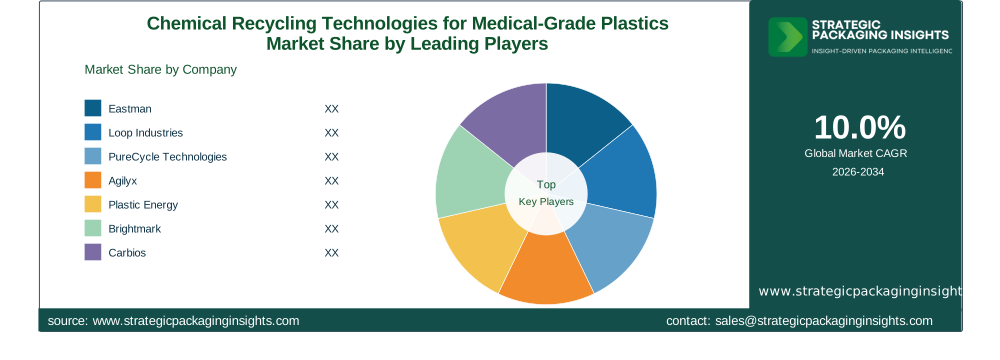
Eastman is one of the leading companies in the market, known for its innovative recycling technologies and strong focus on sustainability. The company has been actively involved in research and development activities to enhance its product offerings and expand its market presence. Loop Industries is another key player in the market, known for its advanced depolymerization technology that offers high efficiency and better quality of recycled materials. The company has been focusing on expanding its production capacity and strengthening its partnerships with key stakeholders in the healthcare sector.
PureCycle Technologies is a prominent player in the market, known for its innovative recycling technologies and strong focus on sustainability. The company has been actively involved in research and development activities to enhance its product offerings and expand its market presence. Agilyx is another key player in the market, known for its advanced pyrolysis technology that offers high efficiency and better quality of recycled materials. The company has been focusing on expanding its production capacity and strengthening its partnerships with key stakeholders in the healthcare sector.
Plastic Energy, Brightmark, Carbios, SABIC, LyondellBasell, and BASF are other major players in the market, known for their strong focus on sustainability and innovative recycling technologies. These companies have been actively involved in research and development activities to enhance their product offerings and expand their market presence. The growing focus on sustainability and the rising demand for eco-friendly solutions are driving the competition among market players, leading to the development of advanced recycling technologies and the introduction of new products in the market.
Key Highlights
- The market is projected to grow at a CAGR of 10.0% from 2026 to 2034.
- Increasing demand for sustainable solutions in the healthcare sector is driving market growth.
- Advanced recycling technologies such as solvolysis, pyrolysis, and depolymerization are gaining traction.
- Key players are focusing on research and development activities to enhance their product offerings.
- Growing collaborations between key players and healthcare institutions are creating lucrative opportunities.
- The market is witnessing a shift towards the development of innovative recycling technologies.
- Stringent regulations on plastic disposal are encouraging the adoption of chemical recycling technologies.
Top Countries Insights
In the Chemical Recycling Technologies for Medical-Grade Plastics market, the United States is a leading country, with a market size of approximately $300 million and a CAGR of 12%. The country's growth is driven by stringent regulations on plastic waste management and the increasing demand for sustainable solutions in the healthcare sector. The presence of key players and the growing investments in research and development activities are further contributing to the market growth.
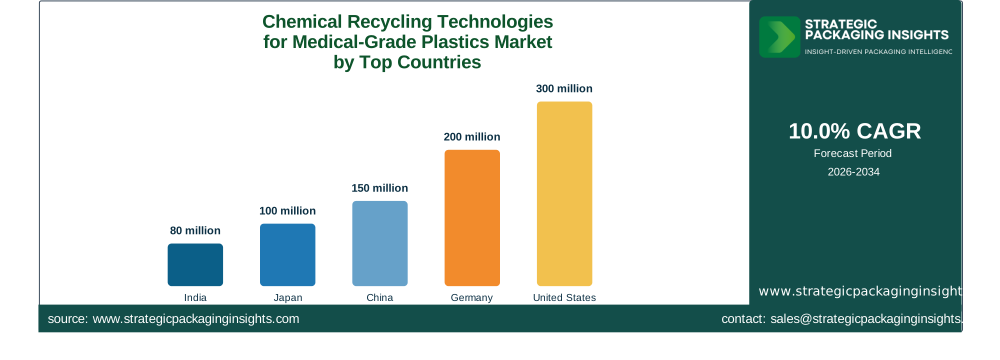
Germany is another significant market, with a market size of around $200 million and a CAGR of 10%. The country's growth is driven by the strong focus on sustainability and the increasing adoption of advanced recycling technologies. The government's support for circular economy initiatives and the growing collaborations between key players and healthcare institutions are further driving the market growth.
China is a rapidly growing market, with a market size of approximately $150 million and a CAGR of 15%. The country's growth is driven by the increasing demand for eco-friendly solutions and the rising awareness about the environmental impact of plastic waste. The government's support for sustainable practices and the growing investments in research and development activities are further contributing to the market growth.
Japan is another key market, with a market size of around $100 million and a CAGR of 9%. The country's growth is driven by the increasing demand for sustainable solutions in the healthcare sector and the growing focus on circular economy initiatives. The presence of key players and the increasing collaborations between key stakeholders are further driving the market growth.
India is an emerging market, with a market size of approximately $80 million and a CAGR of 13%. The country's growth is driven by the rising awareness about the environmental impact of plastic waste and the increasing demand for eco-friendly solutions. The government's support for sustainable practices and the growing investments in research and development activities are further contributing to the market growth.
Chemical Recycling Technologies for Medical-Grade Plastics Market Segments Insights

Technology Analysis
The technology segment of the Chemical Recycling Technologies for Medical-Grade Plastics market is witnessing significant growth, driven by the increasing adoption of advanced recycling methods such as solvolysis, pyrolysis, and depolymerization. These technologies offer higher efficiency and better quality of recycled materials, making them highly attractive to key players in the market. Solvolysis, in particular, is gaining traction due to its ability to handle a wide range of plastic types and its potential to produce high-quality recycled products. Pyrolysis is also becoming popular for its capability to convert complex medical-grade plastics into reusable materials, thus reducing the dependency on virgin plastics.
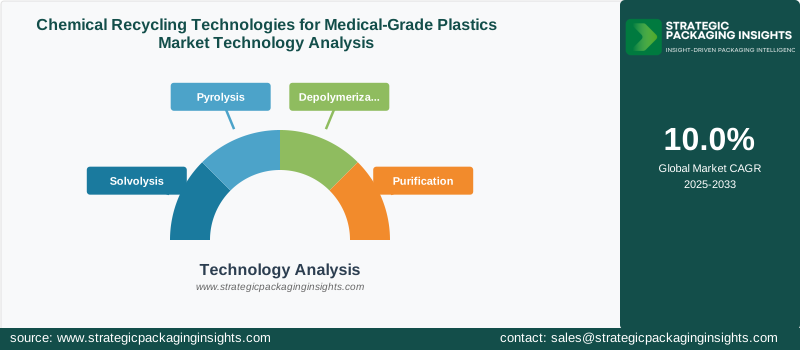
Depolymerization is another promising technology in this segment, offering a sustainable solution for recycling medical-grade plastics. This technology is gaining attention due to its ability to break down polymers into their monomer components, which can then be reused to produce new plastics. The growing focus on sustainability and the increasing demand for eco-friendly solutions are driving the adoption of these advanced recycling technologies. Furthermore, the rising investments in research and development activities and the growing collaborations between key players and healthcare institutions are expected to drive the growth of this segment in the coming years.
Plastic Type Analysis
The plastic type segment of the Chemical Recycling Technologies for Medical-Grade Plastics market is characterized by the increasing demand for sustainable solutions in the healthcare sector. Medical-grade PP, PE, PET, and PVC alternatives are the primary plastic types being recycled using chemical recycling technologies. Medical-grade PP and PE are gaining popularity due to their wide range of applications in the healthcare sector and their potential to be recycled into high-quality products. PET is also becoming a preferred choice for recycling due to its excellent properties and the growing demand for eco-friendly solutions.
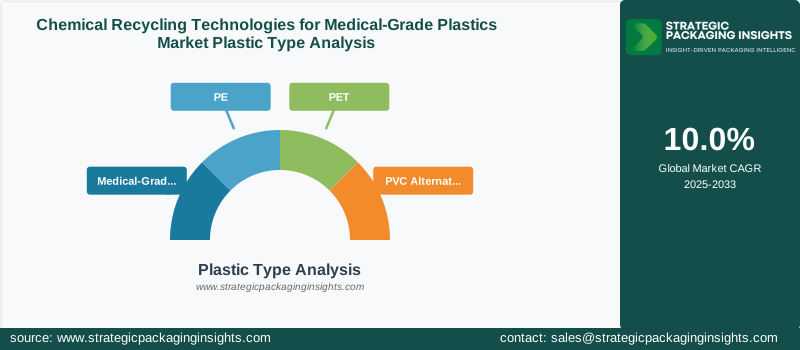
PVC alternatives are gaining traction in this segment, driven by the increasing awareness about the environmental impact of traditional PVC and the need for sustainable alternatives. The growing focus on sustainability and the rising demand for eco-friendly solutions are driving the adoption of these plastic types in the market. Furthermore, the increasing investments in research and development activities and the growing collaborations between key players and healthcare institutions are expected to drive the growth of this segment in the coming years.
Application Analysis
The application segment of the Chemical Recycling Technologies for Medical-Grade Plastics market is witnessing significant growth, driven by the increasing demand for sustainable solutions in the healthcare sector. Sterile packaging, devices, trays, and containers are the primary applications of chemical recycling technologies in this market. Sterile packaging is gaining popularity due to its critical role in maintaining the sterility of medical products and its potential to be recycled into high-quality products. Devices and trays are also becoming preferred choices for recycling due to their wide range of applications in the healthcare sector and the growing demand for eco-friendly solutions.
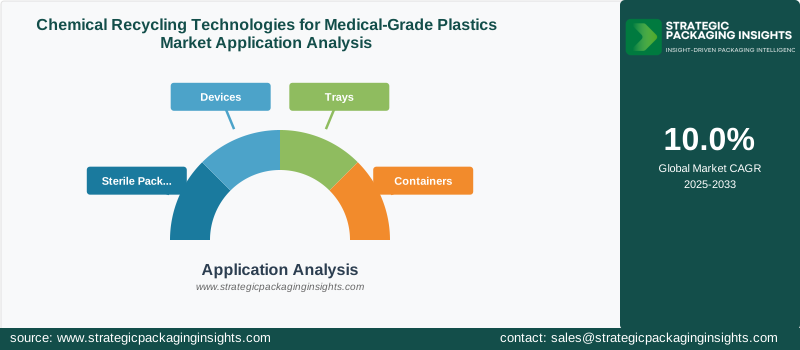
Containers are gaining traction in this segment, driven by the increasing awareness about the environmental impact of traditional plastic containers and the need for sustainable alternatives. The growing focus on sustainability and the rising demand for eco-friendly solutions are driving the adoption of these applications in the market. Furthermore, the increasing investments in research and development activities and the growing collaborations between key players and healthcare institutions are expected to drive the growth of this segment in the coming years.
End Use Analysis
The end-use segment of the Chemical Recycling Technologies for Medical-Grade Plastics market is characterized by the increasing demand for sustainable solutions in the healthcare sector. Healthcare, medical packaging, recyclers, and resin producers are the primary end-users of chemical recycling technologies in this market. Healthcare is gaining popularity due to its critical role in maintaining the sterility of medical products and its potential to be recycled into high-quality products. Medical packaging is also becoming a preferred choice for recycling due to its wide range of applications in the healthcare sector and the growing demand for eco-friendly solutions.
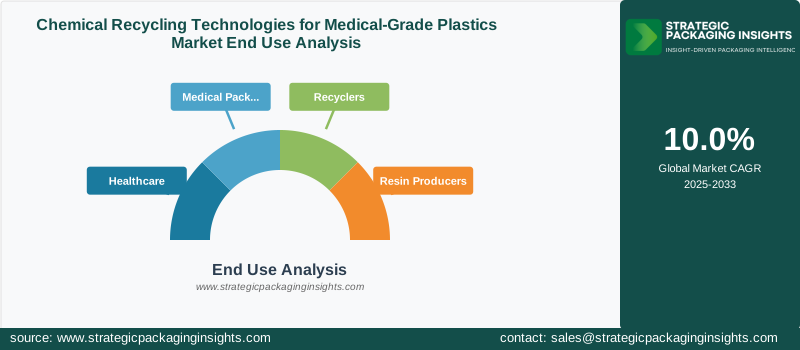
Recyclers and resin producers are gaining traction in this segment, driven by the increasing awareness about the environmental impact of traditional plastic products and the need for sustainable alternatives. The growing focus on sustainability and the rising demand for eco-friendly solutions are driving the adoption of these end-users in the market. Furthermore, the increasing investments in research and development activities and the growing collaborations between key players and healthcare institutions are expected to drive the growth of this segment in the coming years.
Chemical Recycling Technologies for Medical-Grade Plastics Market Segments
The Chemical Recycling Technologies for Medical-Grade Plastics market has been segmented on the basis ofTechnology
- Solvolysis
- Pyrolysis
- Depolymerization
- Purification
Plastic Type
- Medical-Grade PP
- PE
- PET
- PVC Alternatives
Application
- Sterile Packaging
- Devices
- Trays
- Containers
End Use
- Healthcare
- Medical Packaging
- Recyclers
- Resin Producers
Region
- Asia Pacific
- North America
- Latin America
- Europe
- Middle East & Africa




