


Cap and Closure Market Outlook
The cap and closure market was valued at $65 billion in 2024 and is projected to reach $95 billion by 2033, growing at a CAGR of 4.2% during the forecast period 2025-2033. This market is driven by the increasing demand for convenient packaging solutions across various industries, including food and beverage, pharmaceuticals, and personal care. The rising consumer preference for easy-to-use and resealable packaging options is further propelling the market growth. Additionally, the growing trend of sustainable packaging and the use of eco-friendly materials in cap and closure production are expected to create significant opportunities for market players. The market is also witnessing technological advancements, such as the development of smart caps and closures that enhance product safety and extend shelf life.
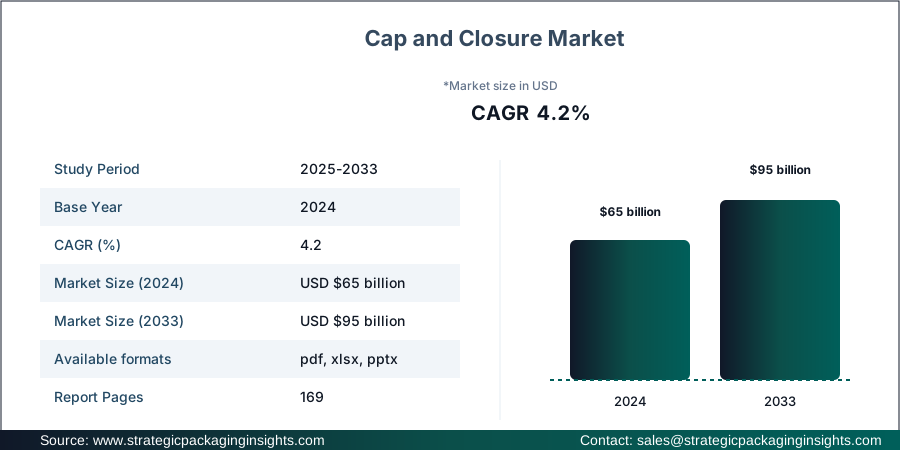
Report Scope
| Attributes | Details |
| Report Title | Cap and Closure Market Size, Future Growth and Forecast 2033 |
| Material | Plastic, Metal, Others |
| Type | Screw Caps, Dispensing Caps, Others |
| End-User | Food and Beverage, Pharmaceuticals, Cosmetics and Personal Care, Others |
| Region | Asia Pacific, North America, Latin America, Europe, Middle East & Africa |
| Base Year | 2024 |
| Historic Period | 2017-2023 |
| Forecast Period | 2025-2033 |
| Number of Pages | 169 |
| Customization Available | Yes* |
Opportunities & Threats
The cap and closure market presents numerous opportunities, particularly in the realm of sustainable packaging. As consumers become more environmentally conscious, there is a growing demand for eco-friendly packaging solutions. This trend is encouraging manufacturers to innovate and develop caps and closures made from biodegradable and recyclable materials. Companies that can effectively integrate sustainability into their product offerings are likely to gain a competitive edge. Furthermore, the increasing adoption of smart packaging technologies, such as NFC-enabled caps, offers opportunities for brands to enhance consumer engagement and product differentiation. These technologies allow for interactive experiences and provide valuable data insights, which can be leveraged for targeted marketing strategies.
Another significant opportunity lies in the expanding e-commerce sector. With the rise of online shopping, there is a heightened need for secure and tamper-evident packaging solutions. Caps and closures play a crucial role in ensuring product integrity during transit, making them indispensable in the e-commerce supply chain. Companies that can offer innovative solutions to address the challenges of e-commerce packaging are poised to capitalize on this growing market segment. Additionally, the increasing demand for convenience and on-the-go packaging solutions is driving the development of user-friendly caps and closures, such as flip-top and dispensing closures, which cater to the busy lifestyles of modern consumers.
Despite the promising opportunities, the cap and closure market faces certain threats that could hinder its growth. One of the primary challenges is the volatility in raw material prices, particularly for plastic resins and metals. Fluctuations in the cost of these materials can impact the profitability of manufacturers and lead to increased product prices. Moreover, stringent regulations regarding the use of plastics and the push for reducing plastic waste pose a threat to traditional plastic caps and closures. Companies need to navigate these regulatory challenges by investing in research and development to create sustainable alternatives. Additionally, the intense competition in the market, with numerous players vying for market share, can lead to price wars and margin pressures.
Drivers & Challenges
The cap and closure market is primarily driven by the growing demand for packaged food and beverages. As urbanization and disposable incomes rise, consumers are increasingly opting for packaged products that offer convenience and longer shelf life. This trend is particularly evident in emerging economies, where the middle-class population is expanding rapidly. Caps and closures are essential components of packaging that ensure product freshness and prevent contamination, making them indispensable in the food and beverage industry. Additionally, the pharmaceutical sector is a significant driver of the market, as the need for secure and tamper-evident packaging solutions is paramount to ensure patient safety and compliance with regulatory standards.
Technological advancements are also playing a crucial role in driving the cap and closure market. Innovations such as child-resistant closures, tamper-evident seals, and dispensing systems are enhancing the functionality and safety of packaging solutions. These advancements are particularly important in the pharmaceutical and personal care industries, where product safety and user convenience are top priorities. Furthermore, the development of lightweight and cost-effective materials is enabling manufacturers to reduce production costs and improve the sustainability of their products. The integration of smart technologies, such as QR codes and RFID tags, into caps and closures is also gaining traction, providing brands with opportunities to enhance consumer engagement and track product authenticity.
However, the cap and closure market faces several challenges that could impede its growth. One of the primary challenges is the increasing regulatory scrutiny on plastic usage and waste management. Governments worldwide are implementing stringent regulations to curb plastic pollution, which is compelling manufacturers to explore alternative materials and sustainable practices. This transition can be costly and time-consuming, posing a challenge for companies with limited resources. Additionally, the market is highly competitive, with numerous players offering similar products. This intense competition can lead to price wars and margin pressures, making it challenging for companies to maintain profitability. Moreover, the ongoing supply chain disruptions and logistical challenges, exacerbated by the COVID-19 pandemic, continue to impact the availability and cost of raw materials, further complicating the market landscape.
Cap and Closure Strategic Outlook
| Trend | Market Driver | Technological/Material Shift | Business Impact |
|---|---|---|---|
| Sustainability | Eco-friendly Packaging Demand | Biodegradable Materials | Competitive Advantage |
| Smart Tech | Consumer Engagement | NFC-enabled Caps | Enhanced Brand Loyalty |
| Consumer Behavior | Convenience Packaging | Dispensing Closures | Increased Market Share |
| Logistics | E-commerce Growth | Tamper-evident Solutions | Supply Chain Efficiency |
In 2026, the cap and closure market is expected to continue its growth trajectory, driven by the increasing demand for sustainable and smart packaging solutions. The primary disruptor in this niche is the regulatory push towards reducing plastic waste, which is compelling manufacturers to innovate and adopt eco-friendly materials. Brands that can successfully pivot towards sustainable practices and integrate smart technologies into their product offerings are likely to maintain and even expand their market share by 2033. The strategic foresight for companies in this market is to focus on developing innovative, sustainable, and consumer-centric solutions that align with the evolving regulatory landscape and consumer preferences.
Market Share Analysis
The cap and closure market is characterized by a highly competitive landscape, with numerous players vying for market share. The market is dominated by a mix of global giants and regional players, each striving to differentiate themselves through innovation, quality, and customer service. The competitive dynamics are influenced by factors such as product portfolio, pricing strategies, distribution networks, and brand reputation. Companies that can effectively leverage these factors are likely to gain a competitive edge in the market. The market is also witnessing a trend of strategic collaborations and partnerships, as companies seek to expand their product offerings and geographical reach.
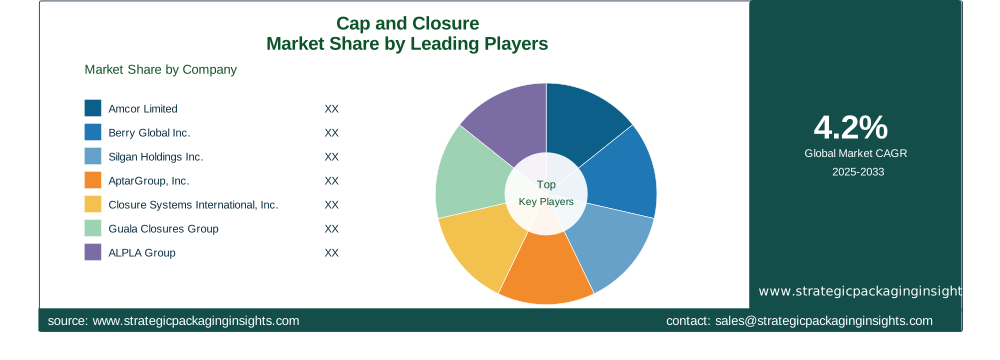
Among the major players in the cap and closure market, Amcor Limited holds a significant share, owing to its extensive product portfolio and strong global presence. The company is known for its innovative packaging solutions and commitment to sustainability, which have helped it maintain a competitive position in the market. Another key player, Berry Global Inc., is recognized for its diverse range of caps and closures, catering to various industries such as food and beverage, healthcare, and personal care. The company's focus on research and development and its strategic acquisitions have bolstered its market position.
Silgan Holdings Inc. is another prominent player in the cap and closure market, with a strong emphasis on customer-centric solutions and operational excellence. The company's extensive manufacturing capabilities and robust distribution network have enabled it to serve a wide range of customers across the globe. AptarGroup, Inc. is also a key player, known for its innovative dispensing solutions and commitment to sustainability. The company's focus on developing eco-friendly products and its strategic partnerships with leading brands have contributed to its success in the market.
Other notable players in the market include Closure Systems International, Inc., which is recognized for its high-performance closure solutions and advanced manufacturing technologies. The company's focus on quality and customer satisfaction has helped it build a strong reputation in the industry. Similarly, Guala Closures Group is known for its innovative and sustainable closure solutions, catering to the needs of various industries. The company's global presence and strong customer relationships have been key to its success in the market.
Key Highlights
- The cap and closure market is projected to grow from $65 billion in 2024 to $95 billion by 2033, at a CAGR of 4.2%.
- Increasing demand for sustainable and eco-friendly packaging solutions is driving market growth.
- Technological advancements, such as smart caps and closures, are enhancing product safety and consumer engagement.
- The food and beverage industry is a major driver of the cap and closure market.
- Regulatory pressures on plastic usage are compelling manufacturers to explore alternative materials.
- The e-commerce sector is creating opportunities for tamper-evident and secure packaging solutions.
- Intense competition in the market is leading to price wars and margin pressures.
- Strategic collaborations and partnerships are helping companies expand their product offerings and geographical reach.
- Consumer preference for convenience and on-the-go packaging solutions is driving innovation in cap and closure designs.
- Supply chain disruptions and raw material price volatility pose challenges to market growth.
Top Countries Insights
In the cap and closure market, the United States holds a significant share, with a market size of approximately $15 billion and a CAGR of 3%. The country's growth is driven by the strong demand for packaged food and beverages, coupled with the increasing adoption of sustainable packaging solutions. The regulatory environment in the U.S. is also favorable, with initiatives aimed at reducing plastic waste and promoting recycling.
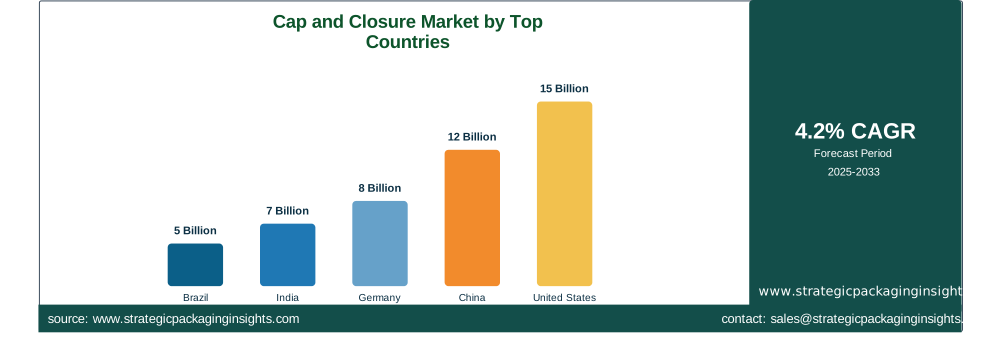
China is another key market, with a market size of around $12 billion and a CAGR of 5%. The country's rapid urbanization and growing middle-class population are driving the demand for packaged products, particularly in the food and beverage sector. Additionally, the Chinese government's focus on environmental sustainability is encouraging the adoption of eco-friendly packaging solutions.
Germany, with a market size of $8 billion and a CAGR of 4%, is a leading market in Europe. The country's strong manufacturing base and emphasis on quality and innovation are key growth drivers. The German market is also characterized by a high demand for sustainable packaging solutions, driven by stringent environmental regulations and consumer awareness.
India, with a market size of $7 billion and a CAGR of 6%, is an emerging market with significant growth potential. The country's expanding middle-class population and increasing disposable incomes are driving the demand for packaged products. The Indian government's initiatives to promote sustainable packaging and reduce plastic waste are also contributing to market growth.
Brazil, with a market size of $5 billion and a CAGR of 4%, is a key market in Latin America. The country's growing food and beverage industry and increasing consumer preference for convenience packaging are driving the demand for caps and closures. Additionally, the Brazilian government's focus on environmental sustainability is encouraging the adoption of eco-friendly packaging solutions.
Cap and Closure Market Segments Insights

Material Analysis
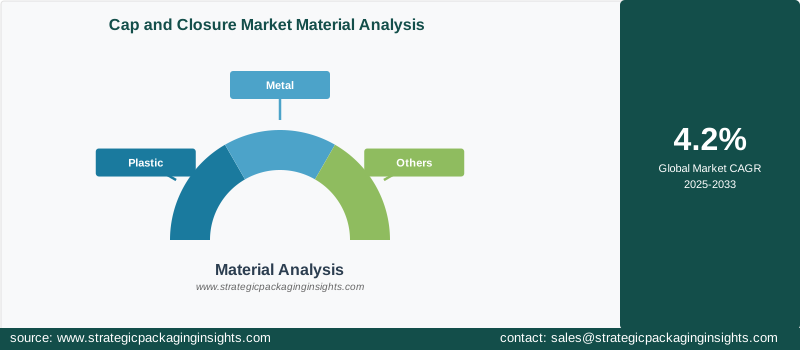
The material segment of the cap and closure market is dominated by plastic, which accounts for the largest share due to its versatility, cost-effectiveness, and ease of manufacturing. Plastic caps and closures are widely used across various industries, including food and beverage, pharmaceuticals, and personal care, owing to their lightweight and durable properties. However, the increasing regulatory pressures on plastic usage and the growing consumer demand for sustainable packaging solutions are driving the shift towards alternative materials. Metal caps and closures, for instance, are gaining traction due to their recyclability and premium appeal. The use of biodegradable and compostable materials is also on the rise, as manufacturers seek to align with sustainability goals and reduce their environmental footprint.
In terms of trends, the material segment is witnessing a growing emphasis on innovation and material optimization. Manufacturers are investing in research and development to create advanced materials that offer enhanced performance, safety, and sustainability. The development of lightweight materials that reduce transportation costs and carbon emissions is a key focus area. Additionally, the integration of smart technologies into materials, such as RFID-enabled caps, is gaining popularity, providing brands with opportunities to enhance consumer engagement and product differentiation. The competition in the material segment is intense, with numerous players offering a wide range of products to cater to diverse customer needs.
Type Analysis
The type segment of the cap and closure market is categorized into screw caps, dispensing caps, and others. Screw caps are the most widely used type, owing to their ease of use, cost-effectiveness, and ability to provide a secure seal. They are extensively used in the food and beverage industry, particularly for bottled products such as water, juices, and carbonated drinks. Dispensing caps, on the other hand, are gaining popularity due to their convenience and user-friendly design. These caps are commonly used in personal care and household products, where controlled dispensing is essential. The demand for innovative dispensing solutions, such as flip-top and push-pull caps, is on the rise, driven by consumer preference for convenience and ease of use.
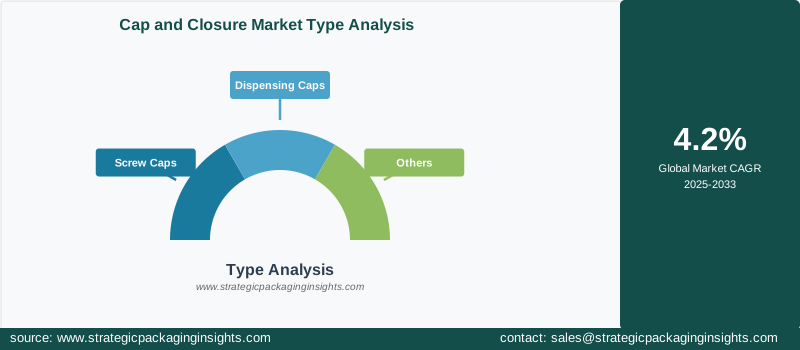
The type segment is also witnessing a trend towards customization and personalization. Brands are increasingly seeking unique cap designs and colors to differentiate their products and enhance brand recognition. The development of tamper-evident and child-resistant caps is another key trend, particularly in the pharmaceutical and food industries, where product safety is paramount. The competition in the type segment is fierce, with numerous players offering a wide range of products to cater to diverse customer needs. Companies that can offer innovative and customized solutions are likely to gain a competitive edge in the market.
End-User Analysis
The end-user segment of the cap and closure market is dominated by the food and beverage industry, which accounts for the largest share due to the high demand for packaged products. Caps and closures play a crucial role in ensuring product freshness, safety, and convenience, making them indispensable in this industry. The pharmaceutical sector is another significant end-user, driven by the need for secure and tamper-evident packaging solutions to ensure patient safety and compliance with regulatory standards. The personal care and cosmetics industry is also a key end-user, with a growing demand for innovative and aesthetically appealing caps and closures that enhance product appeal and user experience.
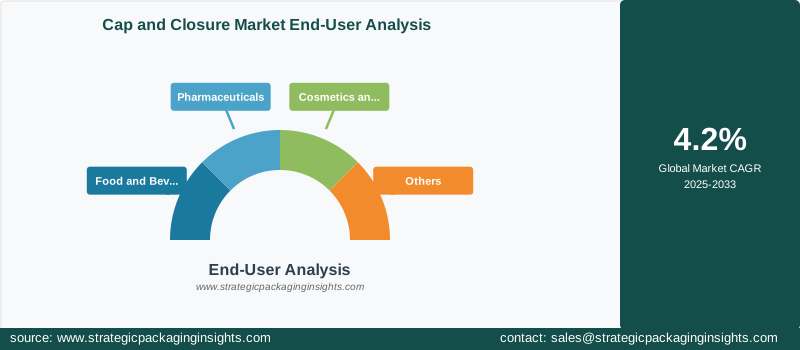
The end-user segment is witnessing a trend towards sustainability and eco-friendly packaging solutions. Brands are increasingly seeking caps and closures made from biodegradable and recyclable materials to align with their sustainability goals and meet consumer expectations. The demand for smart packaging solutions, such as NFC-enabled caps, is also on the rise, providing brands with opportunities to enhance consumer engagement and product differentiation. The competition in the end-user segment is intense, with numerous players offering a wide range of products to cater to diverse customer needs. Companies that can offer innovative and sustainable solutions are likely to gain a competitive edge in the market.
Region Analysis
The cap and closure market is geographically segmented into North America, Europe, Asia Pacific, Latin America, and the Middle East & Africa. North America holds a significant share of the market, driven by the strong demand for packaged food and beverages and the increasing adoption of sustainable packaging solutions. The region is characterized by a high level of innovation and technological advancements, with companies investing in research and development to create advanced packaging solutions. Europe is another key market, with a strong emphasis on sustainability and environmental regulations driving the demand for eco-friendly caps and closures.
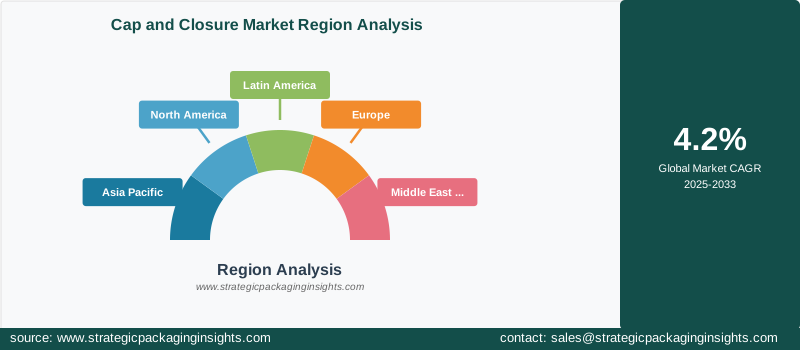
Asia Pacific is the fastest-growing region, driven by rapid urbanization, increasing disposable incomes, and the expanding middle-class population. The region is witnessing a surge in demand for packaged products, particularly in the food and beverage sector, which is driving the growth of the cap and closure market. Latin America and the Middle East & Africa are also experiencing growth, driven by the increasing demand for convenience packaging solutions and the growing food and beverage industry. The competition in the regional markets is intense, with numerous players offering a wide range of products to cater to diverse customer needs. Companies that can effectively leverage regional trends and consumer preferences are likely to gain a competitive edge in the market.
Cap and Closure Market Segments
The Cap and Closure market has been segmented on the basis ofMaterial
- Plastic
- Metal
- Others
Type
- Screw Caps
- Dispensing Caps
- Others
End-User
- Food and Beverage
- Pharmaceuticals
- Cosmetics and Personal Care
- Others
Region
- Asia Pacific
- North America
- Latin America
- Europe
- Middle East & Africa




