


Can Packaging Market Outlook
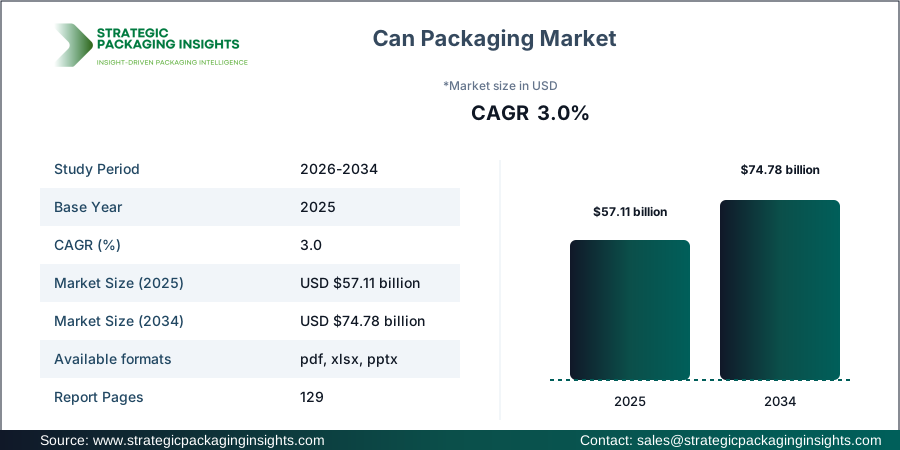
The can packaging market was valued at $57.11 billion in 2025 and is projected to reach $74.78 billion by 2034, growing at a CAGR of 3.0% during the forecast period 2026-2034. This market is driven by the increasing demand for sustainable and recyclable packaging solutions, as consumers and industries alike are becoming more environmentally conscious. The versatility and durability of cans make them a preferred choice for packaging a wide range of products, from beverages to pharmaceuticals. The market is also benefiting from technological advancements in can manufacturing, which have improved the efficiency and cost-effectiveness of production processes. Additionally, the growing popularity of ready-to-eat and on-the-go food products is further propelling the demand for can packaging.
However, the market faces certain challenges, such as the fluctuating prices of raw materials like aluminum and steel, which can impact the overall cost of production. Regulatory restrictions on the use of certain materials and the environmental impact of mining and processing metals also pose significant hurdles. Despite these challenges, the can packaging market holds substantial growth potential, particularly in emerging economies where urbanization and changing consumer lifestyles are driving demand for packaged goods. The market is also witnessing a shift towards more innovative and aesthetically appealing packaging designs, which are helping brands differentiate their products in a competitive marketplace.
Report Scope
| Attributes | Details |
| Report Title | Can Packaging Market Size, Future Growth and Forecast 2034 |
| Material | Aluminum, Tinplate, Steel |
| End Use | Food & Beverage, Cosmetics, Pharmaceuticals |
| Region | Asia Pacific, North America, Latin America, Europe, Middle East & Africa |
| Base Year | 2025 |
| Historic Period | 2018-2024 |
| Forecast Period | 2026-2034 |
| Number of Pages | 129 |
| Customization Available | Yes* |
Opportunities & Threats
The can packaging market presents numerous opportunities, particularly in the realm of sustainability. As consumers become increasingly aware of environmental issues, there is a growing demand for eco-friendly packaging solutions. This trend is driving innovation in the development of recyclable and biodegradable materials, which can significantly reduce the environmental footprint of packaging. Companies that invest in sustainable packaging technologies are likely to gain a competitive edge, as they can cater to the preferences of environmentally conscious consumers. Additionally, the rise of e-commerce and online retailing is creating new opportunities for can packaging, as these platforms require durable and protective packaging solutions to ensure the safe delivery of products.
Another opportunity lies in the expanding food and beverage industry, which is a major end-user of can packaging. The increasing consumption of canned beverages, such as soft drinks, energy drinks, and alcoholic beverages, is driving demand for can packaging. Moreover, the growing popularity of canned foods, including ready-to-eat meals and preserved fruits and vegetables, is further boosting the market. Companies that can offer innovative packaging solutions that enhance the shelf life and appeal of these products are likely to capture a significant share of the market. Furthermore, advancements in printing and labeling technologies are enabling manufacturers to create visually appealing packaging that can attract consumers and enhance brand recognition.
Despite these opportunities, the can packaging market faces certain threats that could hinder its growth. One of the primary threats is the increasing competition from alternative packaging materials, such as plastics and glass, which offer certain advantages in terms of cost and versatility. Additionally, the stringent regulations imposed by governments on the use of certain materials and the environmental impact of packaging waste pose significant challenges. Companies need to navigate these regulatory landscapes carefully to avoid potential penalties and reputational damage. Furthermore, the volatility in raw material prices, particularly aluminum and steel, can impact the profitability of can packaging manufacturers, making it essential for them to adopt effective cost management strategies.
Drivers & Challenges
The can packaging market is primarily driven by the increasing demand for sustainable and recyclable packaging solutions. As consumers become more environmentally conscious, there is a growing preference for packaging materials that can be easily recycled and have a minimal environmental impact. Cans, being made of metals like aluminum and steel, are highly recyclable and can be reused multiple times without losing their quality. This makes them an attractive option for both consumers and manufacturers looking to reduce their carbon footprint. Additionally, the durability and protective properties of cans make them ideal for packaging a wide range of products, from beverages to pharmaceuticals, further driving their demand.
Another significant driver of the can packaging market is the growing popularity of ready-to-eat and on-the-go food products. With the increasing pace of modern life, consumers are seeking convenient and portable food options that can be consumed on the go. Cans provide an excellent solution for packaging such products, as they are lightweight, easy to transport, and offer a long shelf life. The rise of e-commerce and online retailing is also contributing to the growth of the can packaging market, as these platforms require durable and protective packaging solutions to ensure the safe delivery of products. Furthermore, advancements in can manufacturing technologies have improved the efficiency and cost-effectiveness of production processes, making cans a more attractive option for manufacturers.
Despite these drivers, the can packaging market faces several challenges that could hinder its growth. One of the primary challenges is the fluctuating prices of raw materials, such as aluminum and steel, which can impact the overall cost of production. The volatility in raw material prices can make it difficult for manufacturers to maintain consistent pricing and profitability. Additionally, the market is facing increasing competition from alternative packaging materials, such as plastics and glass, which offer certain advantages in terms of cost and versatility. Companies need to continuously innovate and differentiate their products to stay competitive in the market. Furthermore, regulatory restrictions on the use of certain materials and the environmental impact of mining and processing metals pose significant hurdles for the can packaging industry.
Market Share Analysis
The can packaging market is characterized by a highly competitive landscape, with several key players vying for market share. Companies such as Ball Corporation, Crown Holdings, and Ardagh Group are among the leading players in the market, known for their extensive product portfolios and strong distribution networks. These companies have established themselves as leaders in the industry by consistently investing in research and development to innovate and improve their product offerings. They also benefit from economies of scale, which allow them to maintain competitive pricing and capture a significant share of the market.

Ball Corporation, for instance, is a major player in the can packaging market, known for its innovative packaging solutions and commitment to sustainability. The company has a strong presence in the beverage can segment and has been expanding its product offerings to cater to the growing demand for sustainable packaging. Crown Holdings is another key player, with a diverse product portfolio that includes beverage cans, food cans, and aerosol cans. The company has a strong focus on innovation and has been investing in advanced manufacturing technologies to enhance its production capabilities.
Ardagh Group is also a prominent player in the can packaging market, known for its high-quality packaging solutions and strong customer relationships. The company has a global presence and offers a wide range of packaging solutions for various industries, including food and beverage, pharmaceuticals, and personal care. Can-Pack, Rexam, and Orora are other notable players in the market, each with their unique strengths and competitive advantages. Can-Pack, for example, is known for its focus on sustainability and has been investing in eco-friendly packaging solutions to meet the growing demand for environmentally conscious products.
Toyo Seikan, Hindustan Tin Works, Envases, and Nampak are also key players in the can packaging market, each contributing to the competitive landscape with their unique product offerings and market strategies. These companies have been focusing on expanding their product portfolios and enhancing their production capabilities to cater to the growing demand for can packaging. They are also investing in research and development to innovate and improve their product offerings, ensuring they remain competitive in the market. Overall, the can packaging market is characterized by intense competition, with companies continuously striving to differentiate their products and capture a larger share of the market.
Key Highlights
- The can packaging market is projected to grow from $57.11 billion in 2025 to $74.78 billion by 2034, at a CAGR of 3.0%.
- Increasing demand for sustainable and recyclable packaging solutions is driving market growth.
- Technological advancements in can manufacturing are improving production efficiency and cost-effectiveness.
- The food and beverage industry is a major end-user of can packaging, driving demand for innovative packaging solutions.
- Fluctuating raw material prices, such as aluminum and steel, pose challenges to market growth.
- Key players in the market include Ball Corporation, Crown Holdings, and Ardagh Group.
- Emerging economies present significant growth opportunities for the can packaging market.
- Regulatory restrictions on the use of certain materials pose challenges to market growth.
- Advancements in printing and labeling technologies are enhancing the appeal of can packaging.
Top Countries Insights
In the can packaging market, the United States stands out as a leading country, with a market size of approximately $12 billion and a CAGR of 3%. The country's strong demand for canned beverages and food products, driven by a busy lifestyle and a preference for convenience, is a significant growth driver. Additionally, the U.S. has a well-established recycling infrastructure, which supports the demand for sustainable packaging solutions. However, the market faces challenges from stringent environmental regulations and competition from alternative packaging materials.
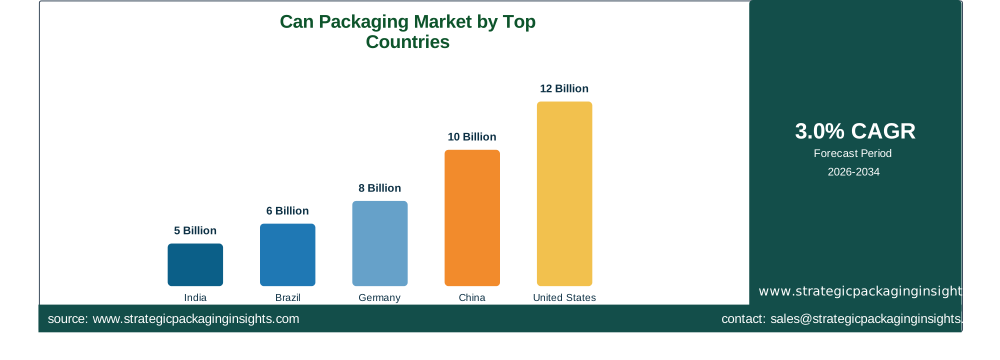
China is another key player in the can packaging market, with a market size of around $10 billion and a CAGR of 5%. The country's rapid urbanization and growing middle class are driving demand for packaged goods, including canned beverages and foods. China's focus on sustainability and environmental protection is also encouraging the adoption of recyclable packaging solutions. However, the market faces challenges from fluctuating raw material prices and the need for technological advancements to improve production efficiency.
Germany, with a market size of approximately $8 billion and a CAGR of 2%, is a significant player in the European can packaging market. The country's strong focus on sustainability and recycling is driving demand for eco-friendly packaging solutions. Germany's well-established food and beverage industry is also a major contributor to market growth. However, the market faces challenges from stringent regulations on packaging materials and the need for continuous innovation to meet consumer preferences.
Brazil, with a market size of around $6 billion and a CAGR of 4%, is a key player in the Latin American can packaging market. The country's growing food and beverage industry, driven by increasing consumer demand for convenience and ready-to-eat products, is a significant growth driver. Brazil's focus on sustainability and environmental protection is also encouraging the adoption of recyclable packaging solutions. However, the market faces challenges from economic fluctuations and the need for technological advancements to improve production efficiency.
India, with a market size of approximately $5 billion and a CAGR of 6%, is an emerging player in the can packaging market. The country's rapid urbanization and growing middle class are driving demand for packaged goods, including canned beverages and foods. India's focus on sustainability and environmental protection is also encouraging the adoption of recyclable packaging solutions. However, the market faces challenges from fluctuating raw material prices and the need for technological advancements to improve production efficiency.
Can Packaging Market Segments Insights

Material Analysis
The can packaging market is segmented by material into aluminum, tinplate, and steel. Aluminum is the most widely used material in can packaging due to its lightweight, corrosion-resistant, and recyclable properties. The demand for aluminum cans is driven by the beverage industry, where they are used extensively for packaging soft drinks, energy drinks, and alcoholic beverages. The growing focus on sustainability and the increasing demand for eco-friendly packaging solutions are further boosting the demand for aluminum cans. However, the fluctuating prices of aluminum pose a challenge to market growth, making it essential for manufacturers to adopt effective cost management strategies.

Tinplate is another significant material used in can packaging, known for its excellent barrier properties and ability to preserve the quality and freshness of packaged products. Tinplate cans are widely used in the food industry for packaging canned foods, such as fruits, vegetables, and ready-to-eat meals. The demand for tinplate cans is driven by the increasing consumption of canned foods, particularly in emerging economies where urbanization and changing consumer lifestyles are driving demand for packaged goods. However, the market faces challenges from the availability of alternative packaging materials, such as plastics and glass, which offer certain advantages in terms of cost and versatility.
Steel is also used in can packaging, particularly for packaging products that require a high level of protection, such as chemicals and industrial products. Steel cans are known for their strength and durability, making them ideal for packaging products that require a high level of protection. The demand for steel cans is driven by the growing industrial sector, where they are used for packaging a wide range of products, from chemicals to lubricants. However, the market faces challenges from the high cost of steel and the need for continuous innovation to improve the efficiency and cost-effectiveness of production processes.
End Use Analysis
The can packaging market is segmented by end use into food and beverage, cosmetics, and pharmaceuticals. The food and beverage industry is the largest end-user of can packaging, driven by the increasing consumption of canned beverages and foods. The demand for can packaging in the food and beverage industry is driven by the growing popularity of ready-to-eat and on-the-go food products, as well as the increasing demand for sustainable and recyclable packaging solutions. Companies that can offer innovative packaging solutions that enhance the shelf life and appeal of these products are likely to capture a significant share of the market.
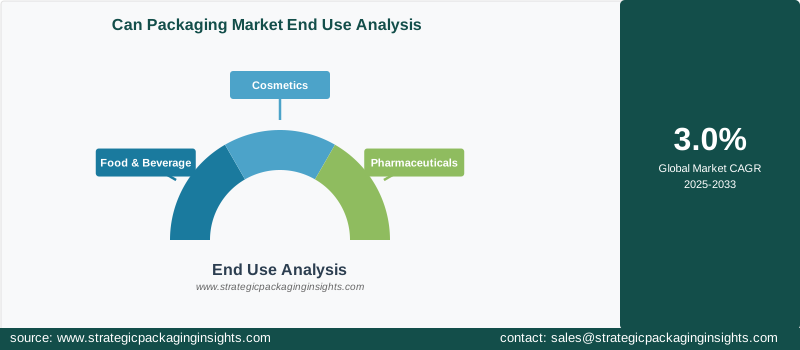
The cosmetics industry is another significant end-user of can packaging, where cans are used for packaging a wide range of products, from aerosols to creams and lotions. The demand for can packaging in the cosmetics industry is driven by the growing focus on sustainability and the increasing demand for eco-friendly packaging solutions. Companies that can offer innovative and aesthetically appealing packaging solutions that enhance the appeal of cosmetic products are likely to capture a significant share of the market. However, the market faces challenges from the availability of alternative packaging materials, such as plastics and glass, which offer certain advantages in terms of cost and versatility.
The pharmaceuticals industry is also a significant end-user of can packaging, where cans are used for packaging a wide range of products, from medicines to medical devices. The demand for can packaging in the pharmaceuticals industry is driven by the growing focus on sustainability and the increasing demand for eco-friendly packaging solutions. Companies that can offer innovative packaging solutions that enhance the safety and efficacy of pharmaceutical products are likely to capture a significant share of the market. However, the market faces challenges from the stringent regulations imposed by governments on the use of certain materials and the need for continuous innovation to meet the evolving needs of the industry.
Can Packaging Market Segments
The Can Packaging market has been segmented on the basis ofMaterial
- Aluminum
- Tinplate
- Steel
End Use
- Food & Beverage
- Cosmetics
- Pharmaceuticals
Region
- Asia Pacific
- North America
- Latin America
- Europe
- Middle East & Africa




