


Blackout Fabric Laminates Market Outlook
The Blackout Fabric Laminates market size was valued at USD 600 million in 2025 and is anticipated to reach USD 931 million by 2034, growing at a CAGR of 5.00% during the forecast period according to Strategic Packaging Insights. This market is witnessing significant growth due to the increasing demand for energy-efficient and aesthetically pleasing window coverings. Companies like Herculite and Mermet are leading the charge by offering innovative solutions that cater to both residential and commercial sectors. The rising trend of smart homes and the need for privacy and light control in urban settings are further propelling the market forward.
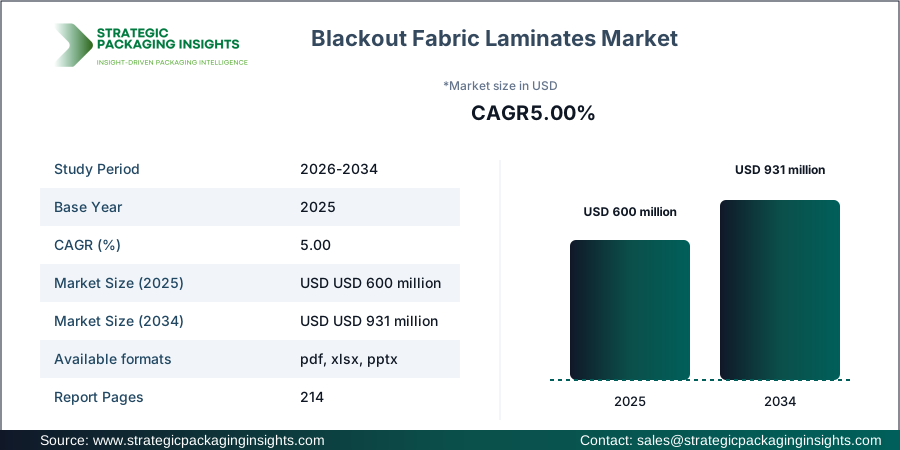
One of the most impactful drivers of the Blackout Fabric Laminates market is the growing emphasis on energy conservation and sustainability. Governments worldwide are implementing stringent regulations to reduce energy consumption, which is boosting the demand for blackout fabrics that help in thermal insulation. According to recent reports, the adoption of energy-efficient building materials is expected to rise significantly, thereby driving the market for blackout fabric laminates. Companies like Glen Raven and Phifer are investing in research and development to create products that not only meet regulatory standards but also offer enhanced durability and performance.
Report Scope
| Attributes | Details |
| Report Title | Blackout Fabric Laminates Market Size, Future Growth and Forecast 2034 |
| By Construction | 3-Pass Foam-Coated, Laminated Multi-Layer (Fabric+Film+Fabric), Coated Dimout |
| By Base Fabric | Polyester, Cotton Blends, FR (Flame Retardant) Fabrics |
| By End Use | Hotel & Hospitality Curtains, Residential Window Coverings, Healthcare Cubicles, Cinemas & Studios, Roller Blinds & Shades |
| By Region | North America (U.S., Canada, Mexico), Europe (Germany, UK, France, Italy, Spain, Rest of Europe), Asia Pacific (China, India, Japan, South Korea, Australia, Rest of Asia Pacific), Latin America (Brazil, Argentina, Rest of Latin America), Middle East & Africa (GCC Countries, South Africa, Rest of MEA) |
| Base Year | 2025 |
| Historic Period | 2018-2024 |
| Forecast Period | 2026-2034 |
| Number of Pages | 214 |
| Customization Available | Yes* |
Sustainability & Circular Economy Analysis
Sustainability initiatives are increasingly shaping the Blackout Fabric Laminates market, as manufacturers and consumers alike prioritize eco-friendly solutions. The integration of recyclable materials and the development of reusable packaging are becoming standard practices. Companies are innovating with lightweight packaging and eco-friendly materials to reduce waste and carbon footprints. For instance, the use of polyester derived from recycled plastics is gaining traction, aligning with consumer preferences for sustainable products. These trends are influencing packaging design and manufacturing processes, encouraging investments in green technologies and sustainable supply chain strategies.
Extended Producer Responsibility (EPR) and packaging regulations are also playing a crucial role in the market dynamics. Manufacturers are now more accountable for the lifecycle of their products, prompting them to adopt waste reduction strategies and improve recycling networks. ESG initiatives are becoming a key focus, with companies striving to meet environmental, social, and governance criteria. This shift towards sustainability is not only enhancing brand reputation but also ensuring long-term market competitiveness. As a result, companies like Serge Ferrari and Rokona are leading the way in sustainable innovation, setting new benchmarks for the industry.
The emphasis on sustainability is also driving regulatory compliance and influencing investment decisions. Companies are increasingly required to adhere to stringent environmental standards, which is prompting them to invest in sustainable manufacturing practices. This trend is fostering a competitive market environment where only those who can adapt to these changes will thrive. The focus on reducing carbon footprints and enhancing supply chain resilience is becoming a strategic priority for industry players, ensuring their products meet the evolving demands of environmentally conscious consumers.
Packaging Value Chain & Supply Chain Analysis
The packaging value chain for Blackout Fabric Laminates is complex, involving multiple stakeholders from raw material sourcing to end-user delivery. Raw material availability, particularly for polyester and cotton blends, plays a critical role in determining production capabilities and cost structures. Packaging converters and manufacturers are pivotal in transforming these materials into high-quality blackout fabrics. Companies like Copaco and Vertilux are optimizing their procurement strategies to ensure a steady supply of raw materials, thereby enhancing supply chain efficiency and resilience.
Logistics and distribution channels are equally important in the packaging value chain. Efficient transportation and inventory management are crucial for maintaining competitive pricing and timely delivery. Strategic partnerships with logistics providers and distributors are helping companies streamline their operations and reduce lead times. Localization and global sourcing strategies are being employed to mitigate risks associated with geopolitical tensions and supply chain disruptions. This approach not only enhances market performance but also ensures business competitiveness in a rapidly evolving market landscape.
Recycling networks and waste management are becoming integral components of the supply chain, driven by the increasing focus on sustainability. Companies are investing in recycling technologies and collaborating with waste management firms to close the loop in the packaging lifecycle. This not only reduces environmental impact but also aligns with consumer expectations for sustainable products. As a result, brand owners and retailers are prioritizing eco-friendly packaging solutions, further driving demand for blackout fabric laminates. The integration of these elements into the supply chain is crucial for achieving long-term success and maintaining a competitive edge in the market.
Opportunities & Threats
The Blackout Fabric Laminates market presents numerous opportunities for growth, particularly in emerging economies where urbanization and infrastructure development are on the rise. The increasing demand for energy-efficient building materials in these regions is creating a lucrative market for blackout fabrics. Companies can capitalize on this trend by expanding their product offerings and establishing a strong presence in these markets. Additionally, the growing trend of smart homes and the integration of IoT in window coverings present opportunities for innovation and differentiation.
Another significant opportunity lies in the development of eco-friendly and sustainable products. As consumers become more environmentally conscious, there is a growing demand for products that are not only functional but also sustainable. Companies that can innovate and offer products made from recycled materials or those that contribute to energy savings will likely gain a competitive advantage. Furthermore, partnerships with technology firms to develop smart blackout solutions can open new revenue streams and enhance market positioning.
However, the market is not without its threats. One of the primary challenges is the volatility in raw material prices, particularly for polyester and cotton. Fluctuations in these prices can impact production costs and profit margins. Additionally, stringent environmental regulations and compliance requirements can pose challenges for manufacturers, particularly those with outdated production facilities. Companies must invest in modernizing their operations and adopting sustainable practices to mitigate these risks and ensure long-term viability.
Drivers & Challenges
The primary drivers of the Blackout Fabric Laminates market include the increasing demand for energy-efficient solutions and the growing emphasis on sustainability. As consumers and businesses alike seek to reduce energy consumption, the demand for blackout fabrics that offer thermal insulation is on the rise. This trend is further supported by government initiatives and regulations aimed at promoting energy conservation. Companies like Junmao (China) are leveraging these drivers to expand their market presence and enhance their product offerings.
Technological advancements and innovation are also driving market growth. The development of smart blackout solutions that integrate with home automation systems is gaining popularity, offering consumers enhanced convenience and control. This trend is encouraging companies to invest in research and development to create innovative products that meet the evolving needs of consumers. Additionally, the increasing focus on aesthetics and design is driving demand for customized blackout solutions, further propelling market growth.
Despite these drivers, the market faces several challenges. One of the key challenges is the high cost of production, particularly for advanced and customized solutions. This can limit market penetration, especially in price-sensitive regions. Additionally, the market is highly competitive, with numerous players vying for market share. Companies must differentiate themselves through innovation, quality, and customer service to maintain a competitive edge. Furthermore, the need for compliance with stringent environmental regulations can increase operational costs and pose challenges for manufacturers.
Market Share Analysis
The competitive landscape of the Blackout Fabric Laminates market is characterized by the presence of several key players, each striving to capture a significant share of the market. Companies like Herculite, Mermet, and Glen Raven are leading the market with their innovative product offerings and strong distribution networks. These companies have established themselves as industry leaders by focusing on quality, innovation, and customer satisfaction. Their ability to adapt to changing market dynamics and consumer preferences has enabled them to maintain a competitive edge.
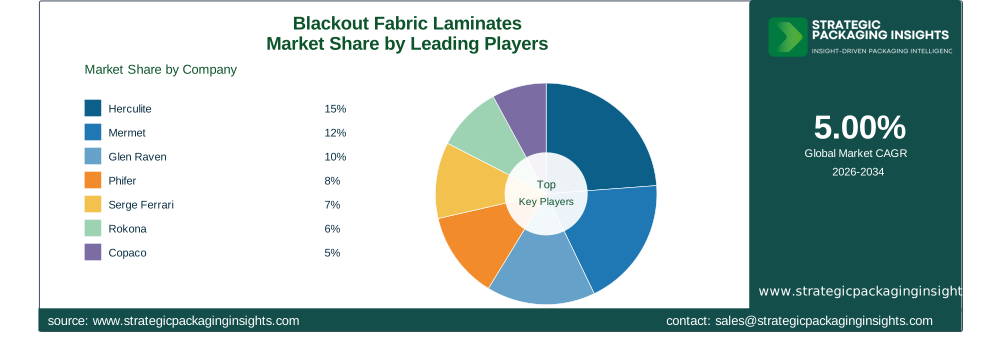
Herculite is renowned for its high-performance blackout fabrics that cater to a wide range of applications, from residential to commercial settings. The company's commitment to sustainability and innovation has positioned it as a leader in the market. Mermet, on the other hand, is known for its advanced solar protection solutions, which are highly sought after in the hospitality and healthcare sectors. The company's focus on research and development has enabled it to offer cutting-edge products that meet the evolving needs of its customers.
Glen Raven is another major player in the market, known for its durable and aesthetically pleasing blackout fabrics. The company's extensive product portfolio and strong distribution network have enabled it to capture a significant share of the market. Phifer, with its focus on energy-efficient solutions, is also a key player in the market. The company's innovative products and commitment to sustainability have made it a preferred choice among consumers and businesses alike.
Other notable players in the market include Serge Ferrari, Rokona, Copaco, Vertilux, and Junmao (China). These companies are leveraging their expertise and resources to expand their market presence and enhance their product offerings. By focusing on innovation, quality, and customer service, these companies are well-positioned to capitalize on the growing demand for blackout fabric laminates. The competitive landscape is expected to remain dynamic, with companies continuously striving to differentiate themselves and capture a larger share of the market.
Key Highlights
- Market Size: USD 600 million in 2025, projected to reach USD 931 million by 2034.
- Growth Rate: CAGR of 5.00% during the forecast period.
- Leading Companies: Herculite, Mermet, Glen Raven, Phifer, Serge Ferrari.
- Key Segments: 3-Pass Foam-Coated, Laminated Multi-Layer, Coated Dimout.
- Regional Insights: Asia Pacific and North America are leading markets.
- Innovation Focus: Smart blackout solutions and eco-friendly materials.
- Market Drivers: Energy efficiency and sustainability trends.
Blackout Fabric Laminates Market Segments Insights

By Construction Analysis
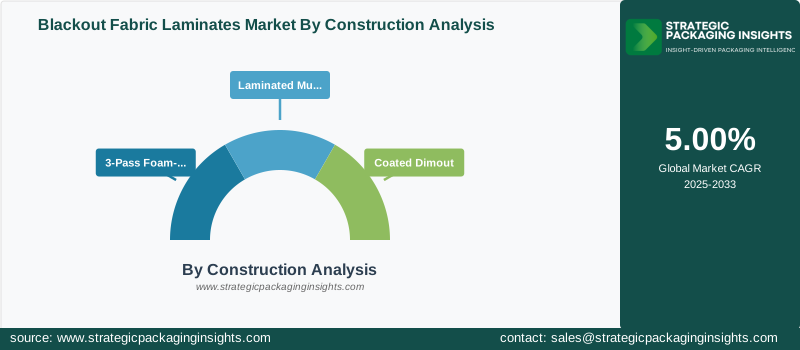
The construction segment of the Blackout Fabric Laminates market is categorized into 3-Pass Foam-Coated, Laminated Multi-Layer, and Coated Dimout. The 3-Pass Foam-Coated segment is gaining traction due to its superior light-blocking capabilities and thermal insulation properties. This segment is particularly popular in residential applications where complete darkness is desired. Laminated Multi-Layer fabrics, which combine fabric, film, and fabric layers, are favored for their durability and enhanced performance in commercial settings. The Coated Dimout segment, while offering partial light blocking, is preferred in environments where some natural light is desired, such as offices and healthcare facilities.
Innovation and technological advancements are driving growth in this segment, with companies investing in research and development to enhance product performance and aesthetics. The demand for customized solutions is also on the rise, as consumers seek blackout fabrics that complement their interior design. Companies like Herculite and Mermet are leading the way in offering innovative products that cater to diverse consumer needs. The focus on sustainability is also influencing product development, with manufacturers exploring eco-friendly materials and production processes to meet regulatory standards and consumer preferences.
By Base Fabric Analysis
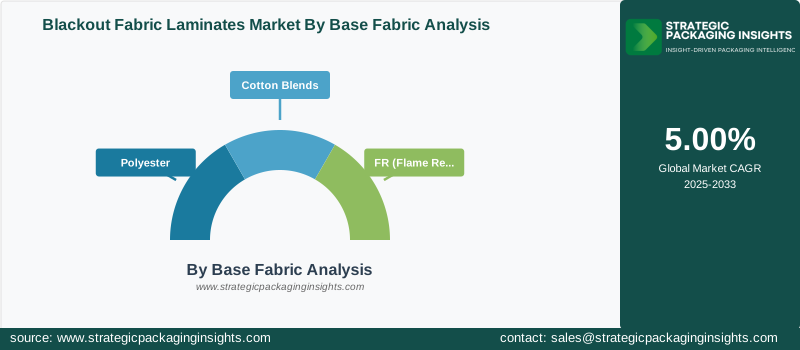
The base fabric segment of the Blackout Fabric Laminates market includes Polyester, Cotton Blends, and FR (Flame Retardant) Fabrics. Polyester is the most widely used base fabric due to its durability, cost-effectiveness, and versatility. It is favored in both residential and commercial applications, offering excellent light-blocking and thermal insulation properties. Cotton Blends, known for their aesthetic appeal and comfort, are popular in residential settings where a softer look and feel are desired. FR Fabrics are essential in environments where fire safety is a priority, such as hotels and healthcare facilities.
The demand for eco-friendly and sustainable fabrics is driving innovation in this segment. Manufacturers are exploring the use of recycled polyester and organic cotton to meet the growing demand for sustainable products. Companies like Glen Raven and Phifer are at the forefront of this trend, offering products that not only meet regulatory standards but also align with consumer preferences for environmentally friendly solutions. The focus on sustainability is expected to drive growth in this segment, as consumers and businesses alike prioritize eco-friendly products.
By End Use Analysis
The end-use segment of the Blackout Fabric Laminates market is diverse, encompassing Hotel & Hospitality Curtains, Residential Window Coverings, Healthcare Cubicles, Cinemas & Studios, and Roller Blinds & Shades. The Hotel & Hospitality Curtains segment is a major driver of market growth, as hotels and resorts seek to enhance guest comfort and privacy. Residential Window Coverings are also in high demand, driven by the growing trend of smart homes and the need for energy-efficient solutions. Healthcare Cubicles require specialized blackout fabrics that offer privacy and hygiene, making them a key segment in the market.
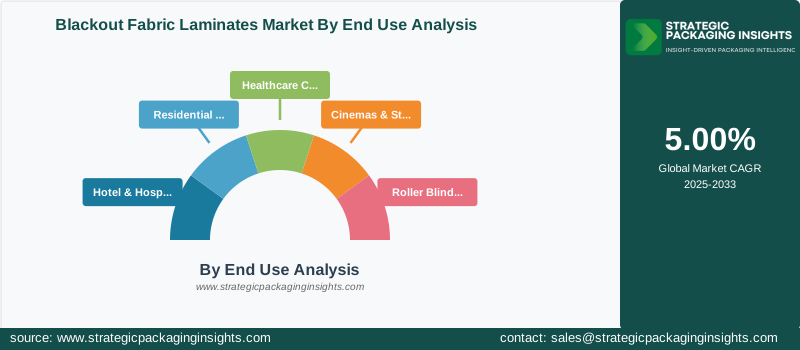
Cinemas & Studios demand high-performance blackout fabrics that provide complete darkness and acoustic insulation. Roller Blinds & Shades are popular in both residential and commercial settings, offering a sleek and modern look. The demand for customized solutions is driving growth in this segment, as consumers seek products that complement their interior design. Companies like Serge Ferrari and Rokona are leading the way in offering innovative products that cater to diverse consumer needs. The focus on sustainability and energy efficiency is also influencing product development, with manufacturers exploring eco-friendly materials and production processes.
Blackout Fabric Laminates Market Segments
The Blackout Fabric Laminates market has been segmented on the basis ofBy Construction
- 3-Pass Foam-Coated
- Laminated Multi-Layer (Fabric+Film+Fabric)
- Coated Dimout
By Base Fabric
- Polyester
- Cotton Blends
- FR (Flame Retardant) Fabrics
By End Use
- Hotel & Hospitality Curtains
- Residential Window Coverings
- Healthcare Cubicles
- Cinemas & Studios
- Roller Blinds & Shades
By Region
- North America (U.S., Canada, Mexico)
- Europe (Germany, UK, France, Italy, Spain, Rest of Europe)
- Asia Pacific (China, India, Japan, South Korea, Australia, Rest of Asia Pacific)
- Latin America (Brazil, Argentina, Rest of Latin America)
- Middle East & Africa (GCC Countries, South Africa, Rest of MEA)




