


Beer Bottling Kit Market Outlook
The Beer Bottling Kit market was valued at $1.48 billion in 2025 and is projected to reach $2.61 billion by 2034, growing at a CAGR of 6.5% during the forecast period 2026-2034. This market is experiencing robust growth driven by the increasing popularity of homebrewing and craft beer culture. As more consumers seek personalized and artisanal beer experiences, the demand for beer bottling kits has surged. The market is also benefiting from technological advancements in bottling equipment, which have made it easier for hobbyists and small-scale producers to bottle their own brews efficiently. Additionally, the rise of e-commerce platforms has facilitated easier access to these kits, further propelling market growth.
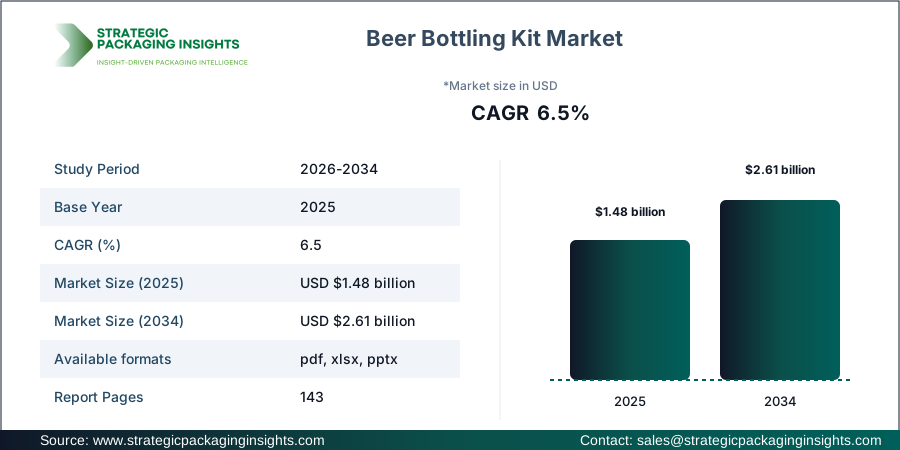
However, the market faces certain challenges, including regulatory constraints related to alcohol production and distribution. These regulations can vary significantly across regions, impacting the ease with which consumers can engage in homebrewing activities. Despite these challenges, the market holds significant growth potential, particularly in emerging economies where the craft beer movement is gaining momentum. The increasing disposable income and changing consumer preferences in these regions are expected to drive demand for beer bottling kits. Furthermore, the market is witnessing a trend towards eco-friendly and sustainable packaging solutions, which presents new opportunities for innovation and differentiation among market players.
Report Scope
| Attributes | Details |
| Report Title | Beer Bottling Kit Market Size, Future Growth and Forecast 2034 |
| Kit Type | Manual Bottling Kits, Semi-Automatic Kits, Homebrewing Kits |
| Component | Fillers, Caps, Bottles, Cappers |
| End Use | Homebrewers, Craft Breweries, Small Beverage Producers |
| Sales Channel | Online, Specialty Retail, Brewery Suppliers |
| Region | Asia Pacific, North America, Latin America, Europe, Middle East & Africa |
| Base Year | 2025 |
| Historic Period | 2018-2024 |
| Forecast Period | 2026-2034 |
| Number of Pages | 143 |
| Customization Available | Yes* |
Opportunities & Threats
The Beer Bottling Kit market presents numerous opportunities, particularly in the realm of product innovation and customization. As consumers become more discerning about their beer preferences, there is a growing demand for kits that offer unique features and capabilities. Companies that can provide customizable options, such as different bottle sizes, capping mechanisms, and labeling options, are likely to capture a larger share of the market. Additionally, the trend towards sustainable and eco-friendly packaging is opening up new avenues for growth. Manufacturers that can offer biodegradable or recyclable components in their kits will appeal to environmentally conscious consumers, thereby enhancing their market position.
Another significant opportunity lies in the expansion of distribution channels. The rise of online retail platforms has made it easier for consumers to access a wide variety of beer bottling kits, regardless of their geographical location. Companies that can effectively leverage digital marketing strategies and optimize their online presence are well-positioned to tap into this growing demand. Furthermore, partnerships with specialty retail stores and brewery suppliers can enhance market reach and visibility, providing additional growth opportunities.
Despite these opportunities, the market is not without its threats. One of the primary challenges is the stringent regulatory environment surrounding alcohol production and distribution. These regulations can vary widely across different regions, posing compliance challenges for manufacturers and consumers alike. Additionally, the market faces competition from alternative packaging solutions, such as cans and kegs, which may offer certain advantages in terms of convenience and cost-effectiveness. Companies must navigate these challenges carefully to maintain their competitive edge and sustain growth in the market.
Drivers & Challenges
The Beer Bottling Kit market is driven by several key factors, including the growing popularity of homebrewing and craft beer culture. As consumers seek more personalized and artisanal beer experiences, the demand for beer bottling kits has increased significantly. This trend is particularly pronounced among millennials and younger consumers, who are more inclined towards experimenting with different beer styles and flavors. Additionally, technological advancements in bottling equipment have made it easier for hobbyists and small-scale producers to bottle their own brews efficiently, further driving market growth.
Another major driver is the increasing availability of beer bottling kits through online retail platforms. The rise of e-commerce has made it easier for consumers to access a wide variety of kits, regardless of their geographical location. This has expanded the market's reach and facilitated greater consumer engagement. Furthermore, the trend towards sustainable and eco-friendly packaging solutions is driving innovation in the market, as manufacturers seek to meet the growing demand for environmentally conscious products.
However, the market also faces several challenges, including regulatory constraints related to alcohol production and distribution. These regulations can vary significantly across regions, impacting the ease with which consumers can engage in homebrewing activities. Additionally, the market faces competition from alternative packaging solutions, such as cans and kegs, which may offer certain advantages in terms of convenience and cost-effectiveness. Companies must navigate these challenges carefully to maintain their competitive edge and sustain growth in the market.
Market Share Analysis
The Beer Bottling Kit market is characterized by a competitive landscape with several key players vying for market share. Northern Brewer is one of the leading companies in the market, known for its comprehensive range of homebrewing and bottling equipment. The company has a strong online presence and offers a wide variety of kits to cater to different consumer preferences. MoreBeer is another prominent player, offering a diverse selection of bottling kits and accessories. The company's focus on product innovation and customer service has helped it maintain a strong market position.
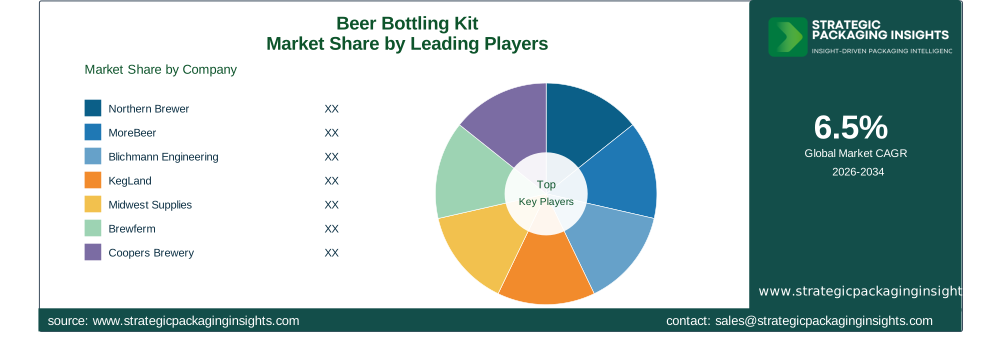
Blichmann Engineering is a well-known name in the market, recognized for its high-quality bottling equipment and accessories. The company's commitment to innovation and quality has earned it a loyal customer base. KegLand is another key player, offering a range of affordable and user-friendly bottling kits. The company's focus on affordability and ease of use has made it a popular choice among homebrewers and small-scale producers.
Midwest Supplies is a major player in the market, offering a wide range of homebrewing and bottling equipment. The company's strong distribution network and focus on customer satisfaction have helped it maintain a competitive edge. Brewferm is another notable company, known for its high-quality bottling kits and accessories. The company's focus on quality and innovation has helped it capture a significant share of the market.
Coopers Brewery, BrewDemon, FastRack, and Williams Brewing are also key players in the market, each offering a unique range of products and services. These companies have established strong brand identities and are known for their commitment to quality and customer satisfaction. The competitive landscape of the Beer Bottling Kit market is characterized by a focus on product innovation, quality, and customer service, with companies striving to differentiate themselves through unique offerings and value-added services.
Key Highlights
- The Beer Bottling Kit market is projected to grow at a CAGR of 6.5% from 2026 to 2034.
- Increasing popularity of homebrewing and craft beer culture is driving market growth.
- Technological advancements in bottling equipment are facilitating easier homebrewing.
- Online retail platforms are expanding market reach and consumer engagement.
- Regulatory constraints pose challenges to market growth.
- Eco-friendly and sustainable packaging solutions are gaining traction.
- Key players include Northern Brewer, MoreBeer, and Blichmann Engineering.
- Product innovation and customization are key market trends.
- Competition from alternative packaging solutions such as cans and kegs.
- Emerging economies present significant growth opportunities.
Top Countries Insights
In the Beer Bottling Kit market, the United States stands out as a leading country, with a market size of approximately $500 million and a CAGR of 5%. The country's strong craft beer culture and high disposable income levels drive demand for homebrewing kits. Additionally, the presence of key market players and a well-established distribution network further bolster market growth. However, regulatory constraints related to alcohol production and distribution pose challenges to market expansion.
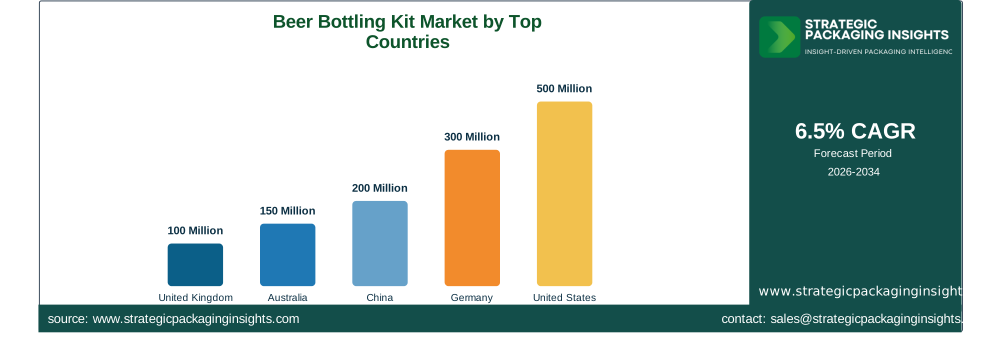
Germany is another significant market, with a market size of around $300 million and a CAGR of 4%. The country's rich brewing tradition and strong consumer interest in craft beer contribute to the demand for beer bottling kits. The market is also supported by a robust manufacturing sector and a focus on product quality and innovation. However, stringent regulations and competition from alternative packaging solutions present challenges to market growth.
China is emerging as a key market, with a market size of approximately $200 million and a CAGR of 8%. The country's growing middle class and increasing disposable income levels drive demand for homebrewing kits. Additionally, the government's support for the craft beer industry and the rise of e-commerce platforms facilitate market growth. However, regulatory constraints and competition from local manufacturers pose challenges to market expansion.
Australia is another important market, with a market size of around $150 million and a CAGR of 6%. The country's strong craft beer culture and high consumer interest in homebrewing drive demand for beer bottling kits. The market is also supported by a well-established distribution network and a focus on product innovation. However, regulatory constraints and competition from alternative packaging solutions present challenges to market growth.
The United Kingdom is a notable market, with a market size of approximately $100 million and a CAGR of 3%. The country's rich brewing tradition and strong consumer interest in craft beer contribute to the demand for beer bottling kits. The market is also supported by a robust manufacturing sector and a focus on product quality and innovation. However, stringent regulations and competition from alternative packaging solutions present challenges to market growth.
Beer Bottling Kit Market Segments Insights

Kit Type Analysis
The Beer Bottling Kit market is segmented by kit type into manual bottling kits, semi-automatic kits, and homebrewing kits. Manual bottling kits are popular among hobbyists and small-scale producers due to their affordability and ease of use. These kits typically include basic components such as bottles, caps, and cappers, making them an ideal choice for beginners. However, the market is witnessing a shift towards semi-automatic kits, which offer greater efficiency and convenience. These kits are equipped with advanced features such as automated filling and capping mechanisms, making them suitable for more experienced brewers and small beverage producers.
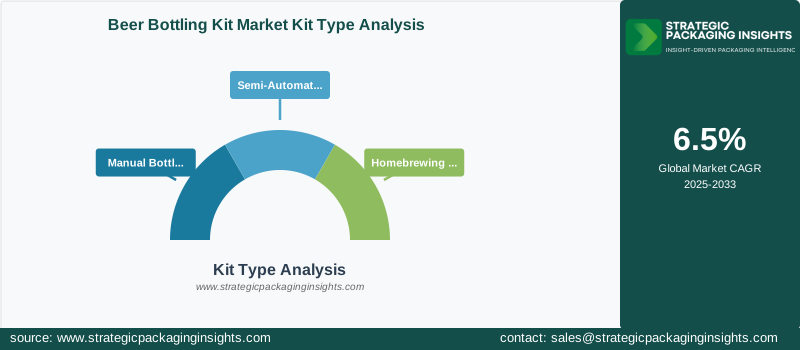
Homebrewing kits are another significant segment, catering to the growing demand for personalized and artisanal beer experiences. These kits typically include all the necessary components for brewing and bottling beer at home, making them a popular choice among consumers seeking a complete brewing solution. The market is also witnessing a trend towards customization, with manufacturers offering kits that can be tailored to individual preferences. This trend is particularly pronounced among millennials and younger consumers, who are more inclined towards experimenting with different beer styles and flavors.
Component Analysis
The Beer Bottling Kit market is segmented by component into fillers, caps, bottles, and cappers. Fillers are a critical component of bottling kits, as they determine the efficiency and accuracy of the bottling process. The market is witnessing a trend towards advanced fillers that offer greater precision and control, catering to the needs of more experienced brewers and small beverage producers. Caps and cappers are also essential components, with manufacturers focusing on innovation and quality to meet the growing demand for reliable and durable solutions.
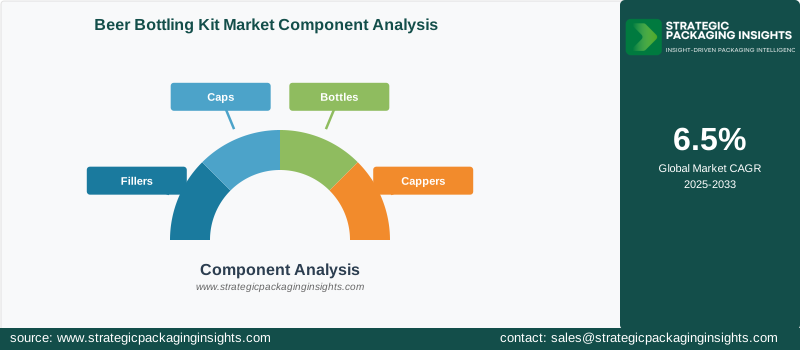
Bottles are another significant component, with the market witnessing a trend towards eco-friendly and sustainable packaging solutions. Manufacturers are increasingly offering biodegradable or recyclable bottles to appeal to environmentally conscious consumers. This trend is particularly pronounced in regions with stringent environmental regulations, where sustainable packaging solutions are gaining traction. The market is also witnessing a trend towards customization, with manufacturers offering bottles in different sizes and shapes to cater to individual preferences.
End Use Analysis
The Beer Bottling Kit market is segmented by end use into homebrewers, craft breweries, and small beverage producers. Homebrewers represent a significant segment, driven by the growing popularity of homebrewing and craft beer culture. These consumers seek personalized and artisanal beer experiences, driving demand for beer bottling kits. Craft breweries are another important segment, with the market witnessing a trend towards small-scale production and experimentation with different beer styles and flavors.
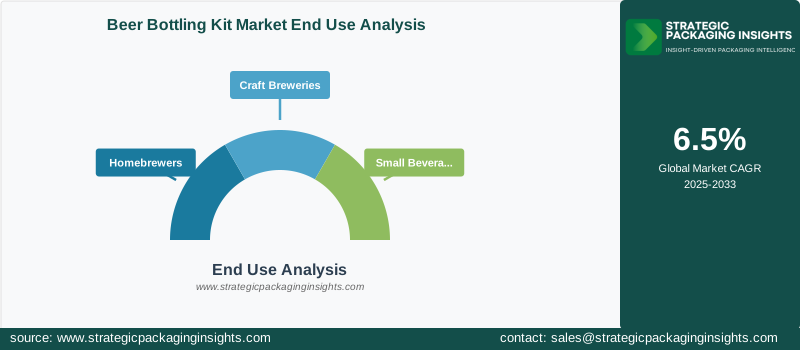
Small beverage producers are also a key segment, with the market witnessing a trend towards niche and specialty products. These producers seek efficient and reliable bottling solutions to meet the growing demand for their products. The market is also witnessing a trend towards customization, with manufacturers offering kits that can be tailored to individual preferences. This trend is particularly pronounced among millennials and younger consumers, who are more inclined towards experimenting with different beer styles and flavors.
Sales Channel Analysis
The Beer Bottling Kit market is segmented by sales channel into online, specialty retail, and brewery suppliers. Online retail platforms are a significant sales channel, driven by the increasing availability of beer bottling kits through e-commerce platforms. The rise of online retail has made it easier for consumers to access a wide variety of kits, regardless of their geographical location. This has expanded the market's reach and facilitated greater consumer engagement.
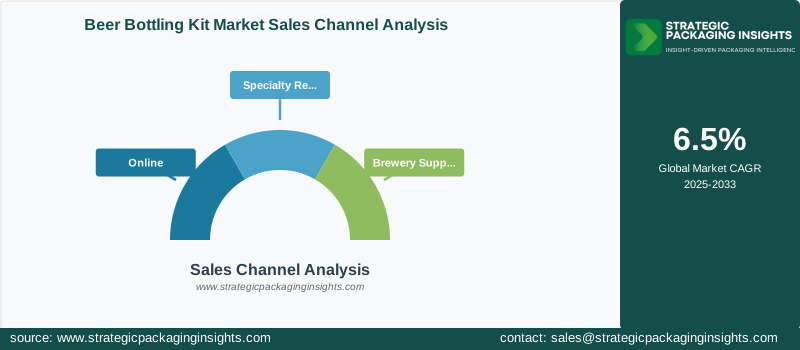
Specialty retail stores are another important sales channel, with the market witnessing a trend towards personalized and artisanal beer experiences. These stores offer a wide variety of kits and accessories, catering to the needs of hobbyists and small-scale producers. Brewery suppliers are also a key sales channel, with the market witnessing a trend towards small-scale production and experimentation with different beer styles and flavors. These suppliers offer a wide range of bottling solutions, catering to the needs of craft breweries and small beverage producers.
Beer Bottling Kit Market Segments
The Beer Bottling Kit market has been segmented on the basis ofKit Type
- Manual Bottling Kits
- Semi-Automatic Kits
- Homebrewing Kits
Component
- Fillers
- Caps
- Bottles
- Cappers
End Use
- Homebrewers
- Craft Breweries
- Small Beverage Producers
Sales Channel
- Online
- Specialty Retail
- Brewery Suppliers
Region
- Asia Pacific
- North America
- Latin America
- Europe
- Middle East & Africa




