


Bamboo Packaging Market Outlook
The Bamboo Packaging market was valued at $1.60 billion in 2025 and is projected to reach $3.21 billion by 2034, growing at a CAGR of 8.0% during the forecast period 2026-2034. This market is witnessing significant growth due to the increasing demand for sustainable and eco-friendly packaging solutions. The shift towards reducing plastic waste and the growing awareness of environmental issues are driving the adoption of bamboo packaging across various industries. The versatility of bamboo as a material, combined with its rapid growth and renewability, makes it an attractive option for manufacturers and consumers alike. As more companies and consumers prioritize sustainability, the bamboo packaging market is poised for substantial growth.
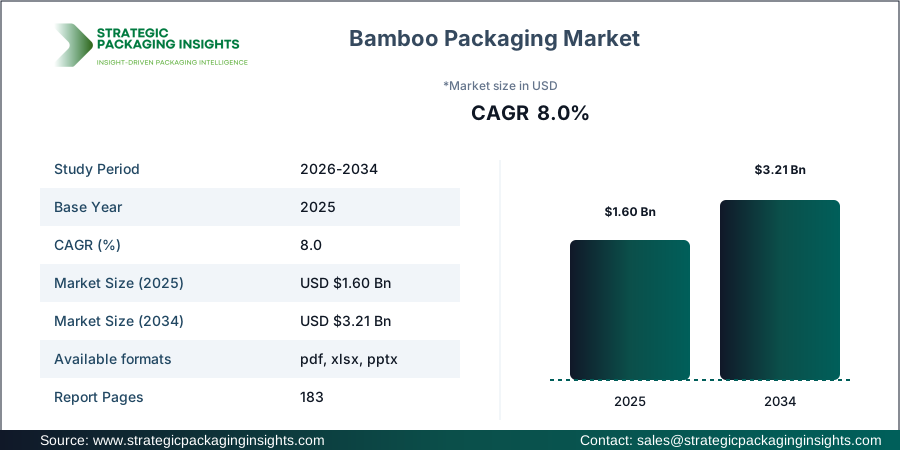
Despite the promising growth prospects, the bamboo packaging market faces certain challenges. Regulatory constraints and the high cost of bamboo compared to traditional packaging materials can hinder market expansion. However, the potential for innovation and the development of cost-effective production techniques present significant opportunities for market players. The increasing investment in research and development to enhance the quality and durability of bamboo packaging products is expected to overcome these challenges. Furthermore, the growing trend of eco-conscious consumerism and the support from government policies promoting sustainable practices are likely to fuel market growth in the coming years.
Report Scope
| Attributes | Details |
| Report Title | Bamboo Packaging Market Size, Future Growth and Forecast 2034 |
| By Product Type | bamboo boxes, bamboo jars, bamboo lids, molded bamboo packs |
| By Application | cosmetics, foodservice, gifting, retail |
| By Material Form | solid bamboo, bamboo fiber, bamboo composite |
| By End Use | beauty brands, foodservice, retailers, luxury goods |
| Region | Asia Pacific, North America, Latin America, Europe, Middle East & Africa |
| Base Year | 2025 |
| Historic Period | 2018-2024 |
| Forecast Period | 2026-2034 |
| Number of Pages | 183 |
| Customization Available | Yes* |
Opportunities & Threats
The bamboo packaging market presents numerous opportunities for growth, driven by the increasing demand for sustainable packaging solutions. As consumers become more environmentally conscious, there is a growing preference for packaging materials that are biodegradable and renewable. Bamboo, being a fast-growing and sustainable resource, fits this demand perfectly. Companies that invest in bamboo packaging can capitalize on this trend by offering eco-friendly alternatives to traditional packaging materials. Additionally, the versatility of bamboo allows for its use in a wide range of applications, from foodservice to cosmetics, further expanding its market potential.
Another significant opportunity lies in the innovation and development of new bamboo packaging products. As technology advances, there is potential to create more durable and aesthetically pleasing bamboo packaging solutions. This can attract a broader customer base, including luxury brands and high-end retailers, who are looking for unique and sustainable packaging options. Furthermore, the increasing support from governments and environmental organizations for sustainable practices provides a favorable environment for the growth of the bamboo packaging market. Companies that align their strategies with these trends can gain a competitive edge and expand their market share.
However, the bamboo packaging market also faces certain threats that could impact its growth. One of the primary challenges is the high cost of bamboo compared to conventional packaging materials like plastic and paper. This can deter some companies from adopting bamboo packaging, especially those operating on tight budgets. Additionally, the availability of bamboo resources can be limited in certain regions, leading to supply chain constraints. Companies need to address these challenges by investing in cost-effective production techniques and establishing reliable supply chains to ensure a steady supply of bamboo materials.
Drivers & Challenges
The bamboo packaging market is primarily driven by the increasing demand for sustainable and eco-friendly packaging solutions. As environmental concerns continue to rise, consumers and businesses are seeking alternatives to traditional packaging materials that contribute to pollution and waste. Bamboo, being a renewable and biodegradable resource, offers a viable solution to these concerns. The growing awareness of the environmental impact of packaging materials is encouraging companies to adopt bamboo packaging, thereby driving market growth. Additionally, the versatility of bamboo allows it to be used in various applications, from foodservice to cosmetics, further boosting its demand.
Another key driver of the bamboo packaging market is the support from government policies and regulations promoting sustainable practices. Many governments around the world are implementing policies to reduce plastic waste and encourage the use of eco-friendly materials. This creates a favorable environment for the growth of the bamboo packaging market. Companies that align their strategies with these policies can benefit from incentives and subsidies, further driving market expansion. Moreover, the increasing investment in research and development to enhance the quality and durability of bamboo packaging products is expected to drive innovation and growth in the market.
Despite the positive drivers, the bamboo packaging market faces several challenges that could hinder its growth. One of the primary challenges is the high cost of bamboo compared to traditional packaging materials. This can be a barrier for companies looking to switch to bamboo packaging, especially those operating on tight budgets. Additionally, the availability of bamboo resources can be limited in certain regions, leading to supply chain constraints. Companies need to address these challenges by investing in cost-effective production techniques and establishing reliable supply chains to ensure a steady supply of bamboo materials. Furthermore, the lack of awareness and understanding of bamboo packaging among consumers can also pose a challenge to market growth.
Market Share Analysis
The bamboo packaging market is characterized by a competitive landscape with several key players vying for market share. Companies such as Eco-Products, Huhtamaki, BioPak, Lomei, Bambu, PacknWood, Green Paper Products, Ecolution, World Centric, and Vegware are some of the prominent players in the market. These companies are focusing on innovation and sustainability to differentiate their products and gain a competitive edge. The market is witnessing a trend towards the development of new and innovative bamboo packaging solutions that cater to the diverse needs of consumers and businesses.
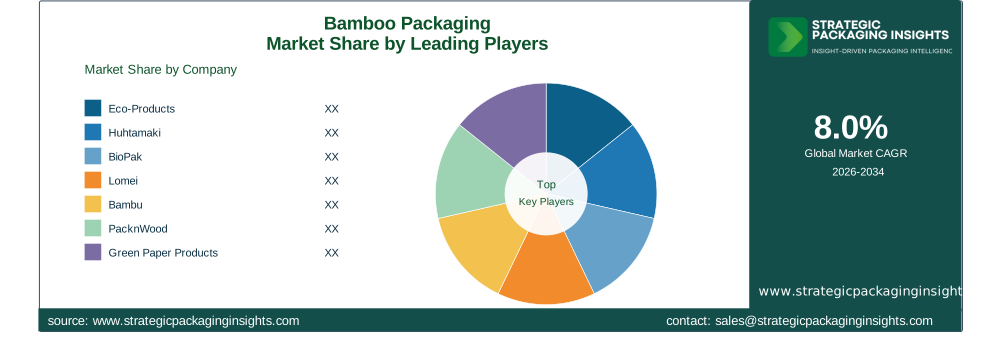
Eco-Products is a leading player in the bamboo packaging market, known for its commitment to sustainability and innovation. The company offers a wide range of bamboo packaging products, including bamboo boxes, jars, and lids, catering to various industries such as foodservice and cosmetics. Huhtamaki, another major player, is focusing on expanding its product portfolio and strengthening its presence in the bamboo packaging market. The company is investing in research and development to enhance the quality and durability of its bamboo packaging products.
BioPak is a key player in the bamboo packaging market, known for its eco-friendly and sustainable packaging solutions. The company offers a range of bamboo packaging products, including molded bamboo packs and bamboo fiber products, catering to the foodservice and retail industries. Lomei is another prominent player, focusing on the development of innovative bamboo packaging solutions that cater to the needs of luxury brands and high-end retailers. The company is investing in research and development to create aesthetically pleasing and durable bamboo packaging products.
Bambu and PacknWood are also significant players in the bamboo packaging market, known for their commitment to sustainability and innovation. These companies offer a range of bamboo packaging products, including bamboo boxes, jars, and lids, catering to various industries such as foodservice and cosmetics. Green Paper Products, Ecolution, World Centric, and Vegware are other notable players in the market, focusing on the development of eco-friendly and sustainable packaging solutions. These companies are investing in research and development to enhance the quality and durability of their bamboo packaging products, further driving market growth.
Key Highlights
- The bamboo packaging market is projected to grow at a CAGR of 8.0% from 2026 to 2034.
- Increasing demand for sustainable and eco-friendly packaging solutions is driving market growth.
- Government policies promoting sustainable practices are creating a favorable environment for market expansion.
- Innovation and development of new bamboo packaging products are key trends in the market.
- The high cost of bamboo compared to traditional packaging materials is a challenge for market growth.
- Companies are focusing on enhancing the quality and durability of bamboo packaging products.
- The availability of bamboo resources can be limited in certain regions, leading to supply chain constraints.
- Eco-Products, Huhtamaki, and BioPak are some of the key players in the bamboo packaging market.
- The market is witnessing a trend towards the development of aesthetically pleasing and durable bamboo packaging solutions.
- The growing awareness of environmental issues is encouraging companies to adopt bamboo packaging.
Top Countries Insights
In the bamboo packaging market, China stands out as a leading player, with a market size of approximately $1.2 billion and a CAGR of 10%. The country's abundant bamboo resources and government support for sustainable practices drive its market dominance. China's focus on reducing plastic waste and promoting eco-friendly materials aligns with the global trend towards sustainability, making it a key player in the bamboo packaging market. Additionally, the country's strong manufacturing capabilities and investment in research and development contribute to its market leadership.
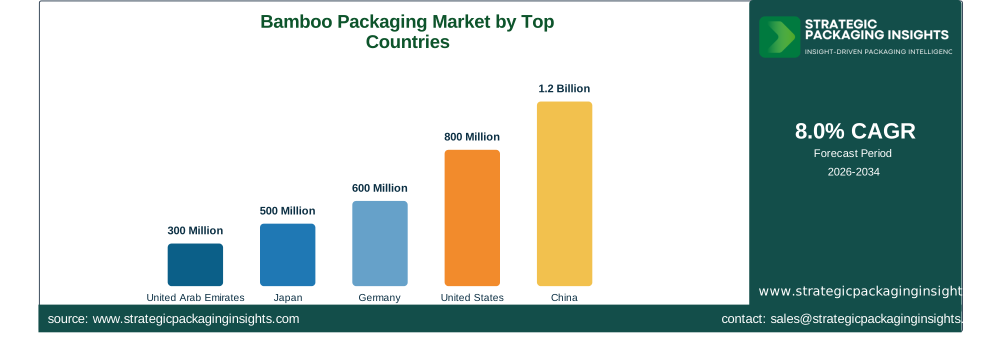
The United States is another significant market for bamboo packaging, with a market size of around $800 million and a CAGR of 7%. The growing awareness of environmental issues and the increasing demand for sustainable packaging solutions drive market growth in the country. The presence of key players such as Eco-Products and World Centric further strengthens the market. The U.S. government's support for sustainable practices and the increasing investment in research and development are expected to drive further growth in the bamboo packaging market.
In Europe, Germany is a prominent market for bamboo packaging, with a market size of approximately $600 million and a CAGR of 6%. The country's strong focus on sustainability and environmental protection drives the demand for bamboo packaging solutions. The presence of key players such as Huhtamaki and Vegware further strengthens the market. Germany's commitment to reducing plastic waste and promoting eco-friendly materials aligns with the global trend towards sustainability, making it a key player in the bamboo packaging market.
Japan is another significant market for bamboo packaging, with a market size of around $500 million and a CAGR of 5%. The country's focus on sustainability and the increasing demand for eco-friendly packaging solutions drive market growth. The presence of key players such as Lomei and Bambu further strengthens the market. Japan's commitment to reducing plastic waste and promoting sustainable practices aligns with the global trend towards sustainability, making it a key player in the bamboo packaging market.
In the Middle East & Africa, the United Arab Emirates is a growing market for bamboo packaging, with a market size of approximately $300 million and a CAGR of 4%. The country's focus on sustainability and the increasing demand for eco-friendly packaging solutions drive market growth. The presence of key players such as Ecolution and Green Paper Products further strengthens the market. The UAE's commitment to reducing plastic waste and promoting sustainable practices aligns with the global trend towards sustainability, making it a key player in the bamboo packaging market.
Bamboo Packaging Market Segments Insights

Product Type Analysis
The bamboo packaging market is segmented by product type into bamboo boxes, bamboo jars, bamboo lids, and molded bamboo packs. Bamboo boxes are gaining popularity due to their versatility and eco-friendly nature. They are widely used in the foodservice and retail industries for packaging various products. The demand for bamboo jars is also increasing, particularly in the cosmetics industry, where they are used for packaging creams, lotions, and other beauty products. Bamboo lids are commonly used in combination with glass or plastic containers to provide a sustainable packaging solution. Molded bamboo packs are gaining traction in the foodservice industry due to their durability and biodegradability.
The increasing demand for sustainable packaging solutions is driving the growth of the bamboo packaging market by product type. Companies are focusing on developing innovative and aesthetically pleasing bamboo packaging products to cater to the diverse needs of consumers and businesses. The growing awareness of environmental issues and the shift towards reducing plastic waste are encouraging companies to adopt bamboo packaging solutions. Additionally, the support from government policies promoting sustainable practices is creating a favorable environment for the growth of the bamboo packaging market by product type.
Application Analysis
The bamboo packaging market is segmented by application into cosmetics, foodservice, gifting, and retail. The cosmetics industry is a major driver of the bamboo packaging market, with increasing demand for eco-friendly and sustainable packaging solutions. Bamboo packaging is widely used for packaging creams, lotions, and other beauty products, providing a natural and aesthetically pleasing alternative to traditional packaging materials. The foodservice industry is also a significant market for bamboo packaging, with increasing demand for biodegradable and compostable packaging solutions.
The gifting and retail industries are also driving the growth of the bamboo packaging market by application. Bamboo packaging is gaining popularity in the gifting industry due to its unique and eco-friendly nature. It is widely used for packaging gift items, providing a sustainable and aesthetically pleasing alternative to traditional packaging materials. The retail industry is also adopting bamboo packaging solutions to cater to the growing demand for sustainable and eco-friendly packaging options. The increasing awareness of environmental issues and the shift towards reducing plastic waste are encouraging companies to adopt bamboo packaging solutions in these industries.
Material Form Analysis
The bamboo packaging market is segmented by material form into solid bamboo, bamboo fiber, and bamboo composite. Solid bamboo is widely used in the packaging industry due to its durability and eco-friendly nature. It is commonly used for packaging various products, including food, cosmetics, and luxury goods. Bamboo fiber is gaining popularity in the packaging industry due to its biodegradability and compostability. It is widely used for packaging food products, providing a sustainable alternative to traditional packaging materials.
Bamboo composite is also gaining traction in the packaging industry due to its versatility and eco-friendly nature. It is commonly used for packaging various products, including food, cosmetics, and luxury goods. The increasing demand for sustainable packaging solutions is driving the growth of the bamboo packaging market by material form. Companies are focusing on developing innovative and aesthetically pleasing bamboo packaging products to cater to the diverse needs of consumers and businesses. The growing awareness of environmental issues and the shift towards reducing plastic waste are encouraging companies to adopt bamboo packaging solutions by material form.
End Use Analysis
The bamboo packaging market is segmented by end use into beauty brands, foodservice, retailers, and luxury goods. Beauty brands are a major driver of the bamboo packaging market, with increasing demand for eco-friendly and sustainable packaging solutions. Bamboo packaging is widely used for packaging creams, lotions, and other beauty products, providing a natural and aesthetically pleasing alternative to traditional packaging materials. The foodservice industry is also a significant market for bamboo packaging, with increasing demand for biodegradable and compostable packaging solutions.
Retailers and luxury goods are also driving the growth of the bamboo packaging market by end use. Retailers are adopting bamboo packaging solutions to cater to the growing demand for sustainable and eco-friendly packaging options. The luxury goods industry is also adopting bamboo packaging solutions to provide a unique and aesthetically pleasing packaging option for high-end products. The increasing awareness of environmental issues and the shift towards reducing plastic waste are encouraging companies to adopt bamboo packaging solutions in these industries.
Bamboo Packaging Market Segments
The Bamboo Packaging market has been segmented on the basis ofBy Product Type
- bamboo boxes
- bamboo jars
- bamboo lids
- molded bamboo packs
By Application
- cosmetics
- foodservice
- gifting
- retail
By Material Form
- solid bamboo
- bamboo fiber
- bamboo composite
By End Use
- beauty brands
- foodservice
- retailers
- luxury goods
Region
- Asia Pacific
- North America
- Latin America
- Europe
- Middle East & Africa




