


Baby Bottle Market Outlook
The baby bottle market was valued at $4.84 billion in 2025 and is projected to reach $7.79 billion by 2034, growing at a CAGR of 5.5% during the forecast period 2026-2034. This growth is driven by increasing awareness among parents about the importance of safe and hygienic feeding solutions for infants and toddlers. The market is witnessing a surge in demand for innovative baby bottles that offer convenience, safety, and ease of use. Additionally, the rising birth rate in developing regions and the growing trend of nuclear families are contributing to the market's expansion. The introduction of eco-friendly and BPA-free bottles is also gaining traction, appealing to environmentally conscious consumers.
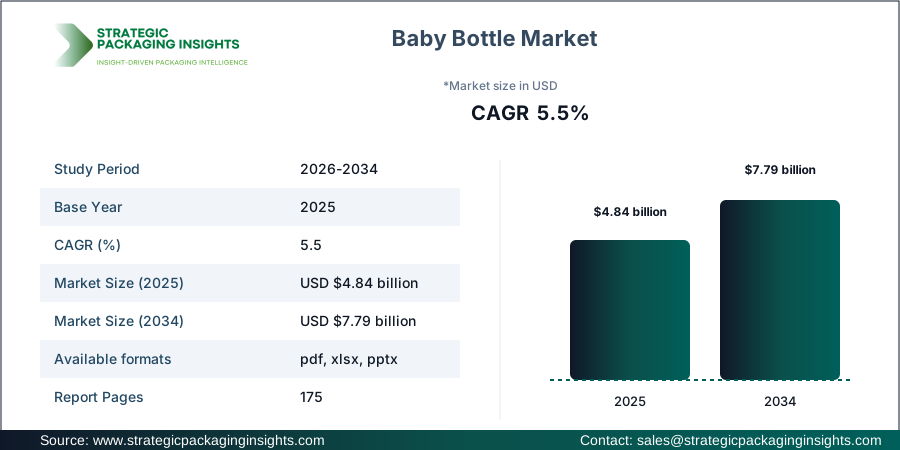
However, the market faces challenges such as stringent regulations regarding the materials used in baby bottles, which can impact production costs and pricing strategies. Despite these challenges, the market holds significant growth potential due to the increasing disposable income of consumers and the rising demand for premium baby products. The shift towards online retailing and the growing popularity of e-commerce platforms are further expected to boost market growth, providing manufacturers with new avenues to reach a broader customer base. As parents become more informed and discerning, the demand for high-quality, durable, and safe baby bottles is expected to rise, driving market expansion.
Report Scope
| Attributes | Details |
| Report Title | Baby Bottle Market Size, Future Growth and Forecast 2034 |
| Material Type | Plastic, Glass, Silicone, Stainless Steel |
| Capacity | Below 150 ml, 150–250 ml, Above 250 ml |
| Distribution Channel | Online, Baby Stores, Pharmacies, Supermarkets |
| End User | Infants, Toddlers |
| Region | Asia Pacific, North America, Latin America, Europe, Middle East & Africa |
| Base Year | 2025 |
| Historic Period | 2018-2024 |
| Forecast Period | 2026-2034 |
| Number of Pages | 175 |
| Customization Available | Yes* |
Opportunities & Threats
The baby bottle market presents numerous opportunities for growth, particularly in emerging economies where the birth rate remains high. The increasing urbanization and changing lifestyles in these regions are leading to a higher demand for convenient and safe feeding solutions. Manufacturers can capitalize on this trend by introducing innovative products that cater to the specific needs of these markets. Additionally, the growing awareness about the harmful effects of BPA and other chemicals in plastic bottles is driving the demand for BPA-free and eco-friendly alternatives, providing an opportunity for companies to differentiate themselves in the market.
Another significant opportunity lies in the expansion of distribution channels, particularly online platforms. With the rise of e-commerce, consumers have greater access to a wide range of baby bottle products, allowing manufacturers to reach a larger audience. This shift towards online shopping is also enabling companies to gather valuable consumer insights and tailor their offerings to meet the evolving preferences of parents. Furthermore, collaborations with healthcare professionals and pediatricians can enhance brand credibility and drive consumer trust, opening up new avenues for growth.
Despite these opportunities, the market faces threats from the stringent regulatory environment governing the materials used in baby bottles. Compliance with safety standards and regulations can increase production costs and impact profit margins. Additionally, the presence of counterfeit products in the market poses a threat to brand reputation and consumer trust. Companies need to invest in robust quality control measures and educate consumers about the importance of purchasing authentic products to mitigate these risks.
Drivers & Challenges
The baby bottle market is primarily driven by the increasing awareness among parents about the importance of safe and hygienic feeding solutions. As parents become more informed about the potential health risks associated with certain materials, there is a growing demand for BPA-free and eco-friendly baby bottles. This trend is further supported by the rising disposable income of consumers, allowing them to invest in premium and high-quality products. Additionally, the growing trend of nuclear families and the increasing number of working mothers are driving the demand for convenient and easy-to-use feeding solutions.
Another key driver of the market is the continuous innovation in product design and functionality. Manufacturers are focusing on developing baby bottles that offer enhanced features such as anti-colic systems, temperature indicators, and ergonomic designs to cater to the diverse needs of parents. The introduction of smart baby bottles with integrated technology for monitoring feeding patterns is also gaining popularity, providing a competitive edge to companies in the market. Furthermore, the expansion of distribution channels, particularly online platforms, is enabling manufacturers to reach a wider audience and boost sales.
However, the market faces challenges such as the high cost of raw materials and the stringent regulatory environment governing the production of baby bottles. Compliance with safety standards and regulations can increase production costs and impact profit margins. Additionally, the presence of counterfeit products in the market poses a threat to brand reputation and consumer trust. Companies need to invest in robust quality control measures and educate consumers about the importance of purchasing authentic products to mitigate these risks. The market also faces competition from alternative feeding solutions such as breastfeeding and sippy cups, which can impact demand for baby bottles.
Market Share Analysis
The baby bottle market is characterized by intense competition among key players, with companies striving to gain a competitive edge through product innovation, strategic partnerships, and expansion into new markets. The market is dominated by a few major players, including Philips Avent, Pigeon, Dr. Brown’s, MAM, NUK, Tommee Tippee, Comotomo, Chicco, Medela, and Evenflo. These companies hold a significant share of the market, leveraging their strong brand presence and extensive distribution networks to maintain their competitive position.
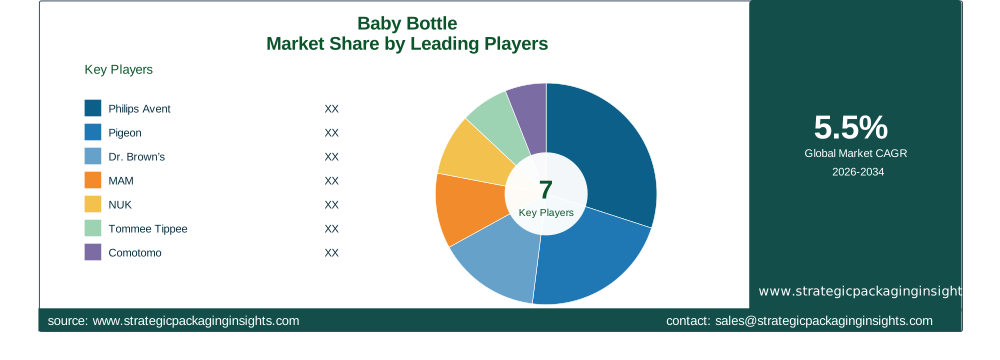
Philips Avent is a leading player in the baby bottle market, known for its innovative product offerings and commitment to quality. The company has a strong presence in both developed and developing regions, with a wide range of products catering to the diverse needs of parents. Pigeon, another major player, is renowned for its focus on research and development, continuously introducing new products that address the evolving preferences of consumers. Dr. Brown’s is recognized for its patented vent system, which helps reduce colic and gas in infants, making it a popular choice among parents.
MAM and NUK are also prominent players in the market, offering a variety of baby bottles with unique features such as orthodontic nipples and anti-colic systems. Tommee Tippee is known for its user-friendly designs and innovative products, catering to the needs of modern parents. Comotomo has gained popularity for its silicone baby bottles, which mimic the natural feel of breastfeeding, providing a seamless transition for infants. Chicco, Medela, and Evenflo are also key players in the market, offering a range of products that prioritize safety and convenience.
The competitive landscape of the baby bottle market is further intensified by the presence of numerous regional and local players, who offer cost-effective alternatives to established brands. These companies often focus on specific markets, leveraging their understanding of local consumer preferences to gain a foothold in the market. However, the dominance of major players with strong brand recognition and extensive distribution networks poses a challenge for new entrants, who must differentiate themselves through innovation and quality to capture market share.
Key Highlights
- The baby bottle market is projected to grow from $4.84 billion in 2025 to $7.79 billion by 2034, at a CAGR of 5.5%.
- Increasing awareness about the importance of safe and hygienic feeding solutions is driving market growth.
- The demand for BPA-free and eco-friendly baby bottles is on the rise, appealing to environmentally conscious consumers.
- Online distribution channels are gaining popularity, providing manufacturers with new avenues to reach a broader audience.
- Product innovation, such as anti-colic systems and smart baby bottles, is a key driver of market growth.
- Stringent regulations regarding materials used in baby bottles pose a challenge to manufacturers.
- The presence of counterfeit products in the market threatens brand reputation and consumer trust.
- Major players in the market include Philips Avent, Pigeon, Dr. Brown’s, MAM, NUK, Tommee Tippee, Comotomo, Chicco, Medela, and Evenflo.
- The market is characterized by intense competition, with companies focusing on product innovation and strategic partnerships.
Top Countries Insights
In the baby bottle market, the United States holds a significant share, driven by high consumer awareness and the presence of major market players. The market size in the U.S. is substantial, with a CAGR of 4%. The demand for premium and innovative baby bottles is high, supported by the increasing number of working mothers and the trend of nuclear families. Regulatory standards in the U.S. are stringent, ensuring the safety and quality of baby bottles, which further boosts consumer confidence.
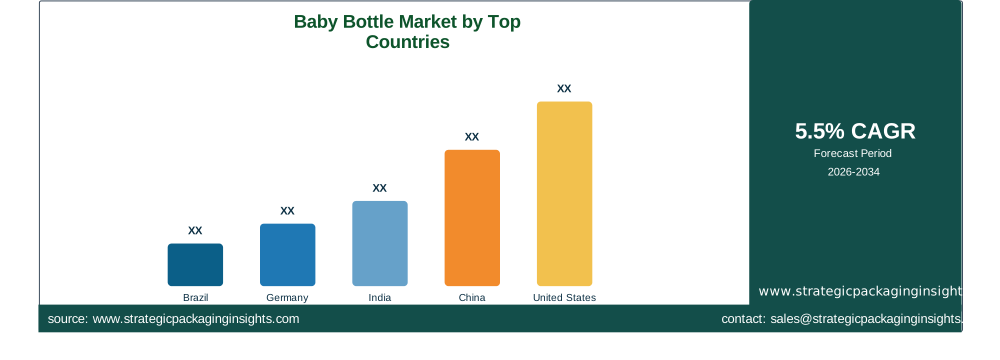
China is another key market for baby bottles, with a growing middle-class population and increasing disposable income. The market in China is expected to grow at a CAGR of 7%, driven by the high birth rate and the government's policies encouraging childbirth. The demand for safe and hygienic feeding solutions is rising, with consumers showing a preference for international brands known for their quality and safety standards.
India presents significant growth opportunities for the baby bottle market, with a CAGR of 8%. The increasing urbanization and changing lifestyles are leading to a higher demand for convenient feeding solutions. The market is also driven by the rising awareness about the importance of safe feeding practices and the availability of a wide range of products through online platforms.
In Europe, Germany is a leading market for baby bottles, with a CAGR of 3%. The demand for eco-friendly and BPA-free bottles is high, driven by the increasing environmental consciousness among consumers. The market is characterized by the presence of established brands offering innovative products that cater to the diverse needs of parents.
Brazil is an emerging market for baby bottles, with a CAGR of 5%. The increasing birth rate and the growing trend of nuclear families are driving the demand for baby bottles. The market is also supported by the rising disposable income of consumers and the availability of a wide range of products through various distribution channels.
Baby Bottle Market Segments Insights

Material Type Analysis
The baby bottle market is segmented by material type into plastic, glass, silicone, and stainless steel. Plastic baby bottles dominate the market due to their affordability, lightweight nature, and durability. However, the demand for BPA-free plastic bottles is rising as consumers become more aware of the potential health risks associated with BPA. Glass bottles are gaining popularity for their safety and eco-friendliness, despite being heavier and more prone to breakage. Silicone bottles are favored for their flexibility and natural feel, mimicking breastfeeding, while stainless steel bottles are valued for their durability and insulation properties.
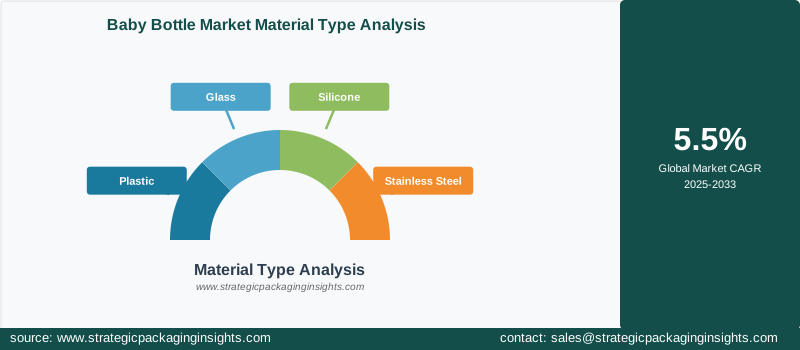
Manufacturers are focusing on innovation in material technology to enhance the safety and functionality of baby bottles. The introduction of eco-friendly materials and the development of new technologies to improve the durability and safety of bottles are key trends in this segment. The competition among manufacturers is intense, with companies striving to differentiate their products through unique features and designs. Consumer demand for safe, durable, and easy-to-clean bottles is driving innovation and competition in the market.
Capacity Analysis
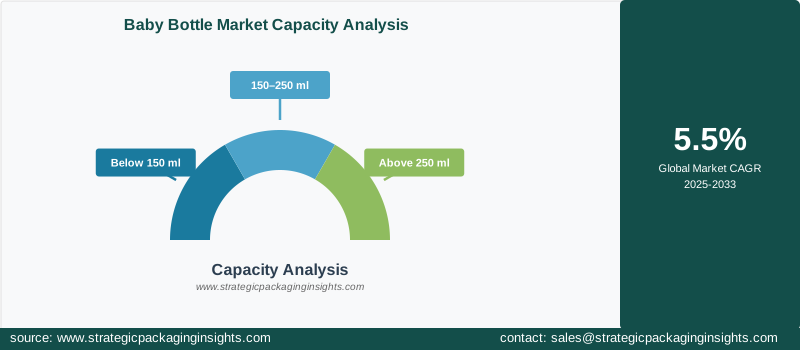
The baby bottle market is segmented by capacity into below 150 ml, 150-250 ml, and above 250 ml. The 150-250 ml segment holds the largest market share, as it caters to the needs of both infants and toddlers. This capacity range is preferred by parents for its versatility and convenience, allowing for easy feeding and storage. The below 150 ml segment is primarily used for newborns and infants, while the above 250 ml segment is gaining popularity among parents of older infants and toddlers who require larger feeding volumes.
Manufacturers are focusing on offering a variety of sizes to cater to the diverse needs of parents and children. The demand for bottles with adjustable capacities and interchangeable parts is rising, providing flexibility and convenience to parents. The competition in this segment is driven by the need to offer innovative designs and features that enhance the feeding experience for both parents and children. The growing trend of personalized and customizable baby bottles is also influencing the market dynamics in this segment.
Distribution Channel Analysis
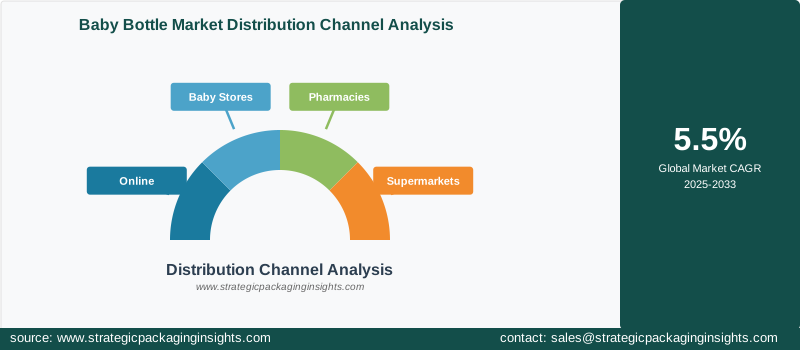
The baby bottle market is segmented by distribution channel into online, baby stores, pharmacies, and supermarkets. Online distribution channels are gaining significant traction, driven by the increasing popularity of e-commerce platforms and the convenience they offer to consumers. The availability of a wide range of products, competitive pricing, and the ease of comparison are key factors driving the growth of online sales. Baby stores and pharmacies remain important distribution channels, offering personalized service and expert advice to consumers.
Supermarkets are also a popular choice for consumers, providing a convenient one-stop-shop experience. Manufacturers are focusing on expanding their distribution networks and enhancing their online presence to reach a broader audience. The competition in this segment is intense, with companies striving to offer a seamless shopping experience and build strong relationships with retailers and distributors. The growing trend of direct-to-consumer sales is also influencing the market dynamics, providing manufacturers with new opportunities to engage with consumers and build brand loyalty.
End User Analysis
The baby bottle market is segmented by end user into infants and toddlers. The infant segment holds a significant share of the market, driven by the high birth rate and the increasing demand for safe and hygienic feeding solutions. Parents are increasingly seeking products that offer convenience, safety, and ease of use for their infants. The toddler segment is also growing, as parents look for durable and versatile feeding solutions that cater to the changing needs of their growing children.
Manufacturers are focusing on developing products that cater to the specific needs of each end-user segment, offering features such as anti-colic systems, ergonomic designs, and easy-to-clean materials. The competition in this segment is driven by the need to offer innovative and high-quality products that meet the evolving preferences of parents. The growing trend of personalized and customizable baby bottles is also influencing the market dynamics, providing manufacturers with new opportunities to differentiate their products and capture market share.
Baby Bottle Market Segments
The Baby Bottle market has been segmented on the basis ofMaterial Type
- Plastic
- Glass
- Silicone
- Stainless Steel
Capacity
- Below 150 ml
- 150–250 ml
- Above 250 ml
Distribution Channel
- Online
- Baby Stores
- Pharmacies
- Supermarkets
End User
- Infants
- Toddlers
Region
- Asia Pacific
- North America
- Latin America
- Europe
- Middle East & Africa




