


Aseptic Carton Market Outlook
The Aseptic Carton market size was valued at USD 15.17 billion in 2025 and is anticipated to reach USD 26.07 billion by 2034, growing at a CAGR of 6.2% during the forecast period according to Strategic Packaging Insights. Tetra Pak, a leading player in the market, has been instrumental in driving this growth through continuous innovation and expansion in emerging markets. The increasing demand for sustainable and convenient packaging solutions, particularly in the beverage and dairy sectors, is a significant factor propelling the market. As consumers become more health-conscious and environmentally aware, the demand for aseptic cartons, which offer extended shelf life without preservatives, is expected to rise significantly.
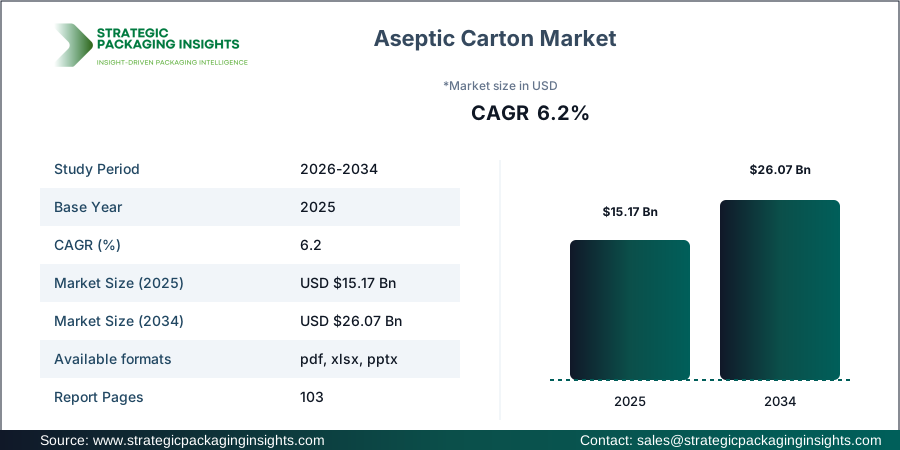
One of the most impactful drivers of the aseptic carton market is the growing emphasis on reducing food and beverage waste. According to the Food and Agriculture Organization (FAO), approximately one-third of food produced for human consumption is wasted globally. Aseptic packaging plays a crucial role in minimizing this waste by extending the shelf life of perishable products without the need for refrigeration. This not only helps in reducing food waste but also contributes to lowering the carbon footprint associated with food production and distribution. Companies like SIG Combibloc are leveraging this trend by developing innovative aseptic packaging solutions that cater to the evolving needs of both consumers and manufacturers.
Report Scope
| Attributes | Details |
| Report Title | Aseptic Carton Market Size, Future Growth and Forecast 2034 |
| Material Type | Paperboard, Aluminum Layer, Polymer Layer, Bio-Based Coating |
| Product Type | Brick Cartons, Gable Top Cartons, Shaped Cartons |
| Application | Dairy, Juices, Plant-Based Drinks, Liquid Foods |
| End Use | Beverage Brands, Dairy Companies, Food Processors, Retail |
| Region | Asia Pacific, North America, Latin America, Europe, Middle East & Africa |
| Base Year | 2025 |
| Historic Period | 2018-2024 |
| Forecast Period | 2026-2034 |
| Number of Pages | 103 |
| Customization Available | Yes* |
Sustainability & Circular Economy Analysis
Sustainability initiatives and circular economy practices are increasingly shaping the aseptic carton market. The use of recyclable materials and eco-friendly innovations is becoming a standard expectation among consumers and regulators alike. Companies are investing in the development of bio-based coatings and lightweight packaging solutions to reduce environmental impact. For instance, the integration of bio-based polymers in aseptic cartons not only enhances recyclability but also aligns with global sustainability goals. These efforts are crucial in meeting the growing consumer demand for environmentally responsible packaging options.
The influence of sustainability trends extends beyond material innovation to impact packaging design and manufacturing processes. Companies are adopting waste reduction strategies and ESG initiatives to enhance their market competitiveness. Extended Producer Responsibility (EPR) regulations are prompting manufacturers to take greater accountability for the lifecycle of their products, encouraging the adoption of circular economy principles. This shift is driving investment decisions and supply chain strategies, as companies seek to align with regulatory compliance and consumer preferences for sustainable packaging solutions.
Moreover, the focus on reducing carbon footprints is prompting companies to reevaluate their supply chain operations. By optimizing logistics and distribution channels, manufacturers can significantly lower emissions associated with transportation. This not only supports sustainability goals but also enhances operational efficiency and cost-effectiveness. As a result, companies like Elopak are prioritizing sustainable supply chain practices to maintain long-term market competitiveness and meet the evolving expectations of stakeholders.
Packaging Value Chain & Supply Chain Analysis
The aseptic carton market's value chain is a complex ecosystem involving multiple stakeholders, from raw material suppliers to end consumers. Raw material sourcing is a critical component, with companies like Stora Enso and Billerud providing high-quality paperboard essential for aseptic packaging. Packaging converters and manufacturers play a pivotal role in transforming these materials into finished products, utilizing advanced machinery and technology to ensure efficiency and quality. Strategic partnerships with suppliers and converters are vital for maintaining a steady supply of raw materials and optimizing production capabilities.
Supply chain efficiency is paramount in the aseptic carton market, as it directly influences market performance and competitiveness. The availability of raw materials, coupled with effective inventory management and procurement strategies, ensures a seamless production process. Companies are increasingly focusing on localization and global sourcing to mitigate risks associated with supply chain disruptions. This approach not only enhances resilience but also allows for greater flexibility in meeting regional demand variations. Logistics and distribution channels are optimized to ensure timely delivery of products, further strengthening the market position of key players like Nippon Paper and UFlex.
Recycling networks are an integral part of the aseptic carton supply chain, supporting sustainability goals and regulatory compliance. By establishing robust recycling systems, companies can enhance the lifecycle of their products and reduce environmental impact. This is particularly important as consumer preferences shift towards sustainable packaging solutions. Brand owners and retailers are also playing a crucial role in promoting recycling initiatives and educating consumers about the benefits of aseptic packaging. As a result, the aseptic carton market is witnessing increased collaboration across the value chain to drive innovation and sustainability.
Opportunities & Threats
The aseptic carton market presents numerous opportunities for growth, driven by the increasing demand for sustainable and convenient packaging solutions. The rise in health-conscious consumers seeking preservative-free products is a significant opportunity for market expansion. Aseptic cartons, which offer extended shelf life without the need for refrigeration, are well-positioned to meet this demand. Additionally, the growing popularity of plant-based drinks and liquid foods presents a lucrative opportunity for manufacturers to diversify their product offerings and capture new market segments. Companies like Greatview Aseptic Packaging are capitalizing on these trends by developing innovative packaging solutions tailored to the evolving needs of consumers.
Another opportunity lies in the expansion of aseptic packaging in emerging markets. As urbanization and disposable incomes rise in regions like Asia Pacific and Latin America, the demand for convenient and long-lasting packaging solutions is expected to increase. This presents a significant growth opportunity for companies to expand their presence and tap into new consumer bases. Furthermore, advancements in packaging technology, such as the development of smart packaging solutions, offer potential for differentiation and value addition. By leveraging these opportunities, companies can enhance their market position and drive long-term growth.
However, the aseptic carton market also faces certain threats that could impact its growth trajectory. One of the primary challenges is the stringent regulatory environment surrounding packaging materials and waste management. Compliance with evolving regulations requires significant investment in research and development, as well as adjustments to manufacturing processes. Additionally, the volatility in raw material prices poses a threat to cost management and profitability. Companies must navigate these challenges by adopting innovative solutions and strategic partnerships to mitigate risks and maintain competitiveness in the market.
Drivers & Challenges
The aseptic carton market is driven by several key factors, including the increasing demand for sustainable packaging solutions and the growing emphasis on reducing food and beverage waste. As consumers become more environmentally conscious, the demand for recyclable and eco-friendly packaging options is on the rise. Aseptic cartons, which offer extended shelf life without preservatives, align with these consumer preferences and are gaining popularity in the beverage and dairy sectors. Companies like Tetra Pak are leveraging this trend by developing innovative packaging solutions that cater to the evolving needs of both consumers and manufacturers.
Another significant driver is the expansion of aseptic packaging in emerging markets. As urbanization and disposable incomes rise in regions like Asia Pacific and Latin America, the demand for convenient and long-lasting packaging solutions is expected to increase. This presents a significant growth opportunity for companies to expand their presence and tap into new consumer bases. Furthermore, advancements in packaging technology, such as the development of smart packaging solutions, offer potential for differentiation and value addition. By leveraging these opportunities, companies can enhance their market position and drive long-term growth.
Despite the positive drivers, the aseptic carton market faces several challenges that could impact its growth trajectory. One of the primary challenges is the stringent regulatory environment surrounding packaging materials and waste management. Compliance with evolving regulations requires significant investment in research and development, as well as adjustments to manufacturing processes. Additionally, the volatility in raw material prices poses a threat to cost management and profitability. Companies must navigate these challenges by adopting innovative solutions and strategic partnerships to mitigate risks and maintain competitiveness in the market.
Market Share Analysis
The competitive landscape of the aseptic carton market is characterized by the presence of several key players, each striving to enhance their market share through innovation and strategic partnerships. Tetra Pak, a leading company in the market, holds a significant share due to its extensive product portfolio and global presence. The company's focus on sustainability and innovation has enabled it to maintain a competitive edge in the market. Similarly, SIG Combibloc is another major player, known for its advanced aseptic packaging solutions and commitment to sustainability. The company's strategic collaborations and investments in research and development have contributed to its strong market position.
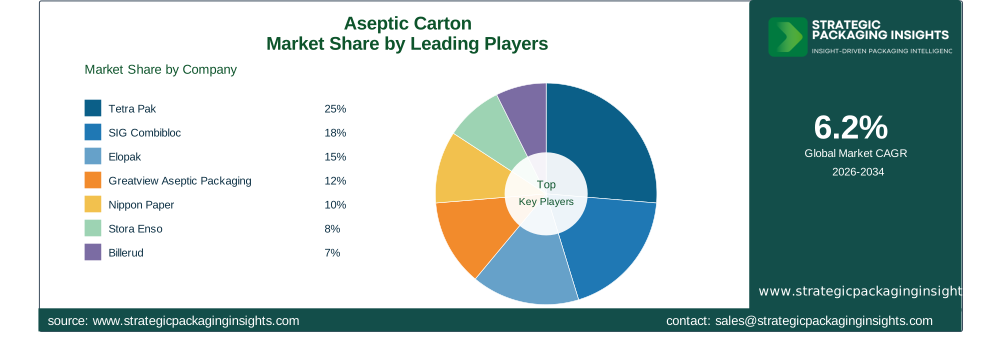
Elopak, a prominent player in the aseptic carton market, is recognized for its innovative packaging solutions and focus on sustainability. The company's efforts to reduce its carbon footprint and enhance recyclability have resonated well with environmentally conscious consumers. Greatview Aseptic Packaging, another key player, has gained a competitive advantage through its cost-effective solutions and strong presence in emerging markets. The company's ability to adapt to changing consumer preferences and regulatory requirements has been instrumental in its success.
Nippon Paper and Stora Enso are also significant contributors to the aseptic carton market, with their focus on high-quality raw materials and sustainable practices. These companies have established strong partnerships with suppliers and converters to ensure a steady supply of materials and optimize production capabilities. Billerud and IPI are known for their innovative approaches to packaging design and manufacturing, further enhancing their market presence. UFlex and Evergreen Packaging are also key players, recognized for their commitment to sustainability and advanced packaging solutions.
Overall, the aseptic carton market is highly competitive, with companies continuously striving to enhance their market share through innovation, strategic partnerships, and sustainability initiatives. The focus on reducing environmental impact and meeting consumer demand for eco-friendly packaging solutions is driving the market dynamics and shaping the competitive landscape. As companies continue to invest in research and development and expand their global presence, the aseptic carton market is poised for significant growth in the coming years.
Key Highlights
- Market Size: The aseptic carton market was valued at USD 15.17 billion in 2025 and is projected to reach USD 26.07 billion by 2034.
- Growth Rate: The market is expected to grow at a CAGR of 6.2% during the forecast period.
- Leading Companies: Key players include Tetra Pak, SIG Combibloc, Elopak, and Greatview Aseptic Packaging.
- Material Innovation: The use of bio-based coatings and recyclable materials is gaining traction.
- Regional Growth: Asia Pacific and Latin America are emerging as significant growth regions.
- Consumer Demand: Increasing preference for sustainable and convenient packaging solutions.
- Regulatory Compliance: Companies are focusing on meeting evolving packaging regulations.
Aseptic Carton Market Segments Insights

Material Type Analysis
The material type segment of the aseptic carton market is primarily driven by the demand for sustainable and recyclable packaging solutions. Paperboard, being the most commonly used material, offers excellent printability and structural integrity, making it a preferred choice for manufacturers. Companies like Stora Enso and Billerud are investing in the development of high-quality paperboard that enhances the recyclability of aseptic cartons. The aluminum layer, known for its barrier properties, is crucial in preserving the quality and shelf life of packaged products. However, the focus is shifting towards bio-based coatings and polymer layers, which offer improved sustainability and environmental benefits.
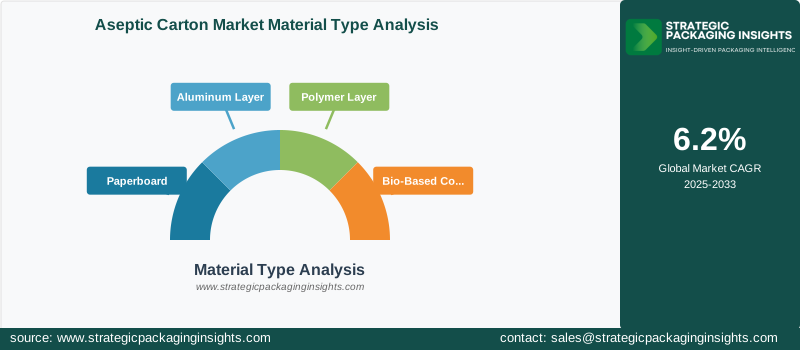
The integration of bio-based coatings in aseptic cartons is gaining traction as companies strive to meet consumer demand for eco-friendly packaging options. These coatings not only enhance the recyclability of cartons but also align with global sustainability goals. The polymer layer, often used in combination with paperboard and aluminum, provides additional protection against moisture and oxygen, ensuring the integrity of the packaged product. As sustainability becomes a key focus, manufacturers are exploring innovative material combinations to enhance the performance and environmental impact of aseptic cartons.
Product Type Analysis
The product type segment of the aseptic carton market is characterized by the diversity of packaging solutions available to meet varying consumer needs. Brick cartons, known for their compact and stackable design, are widely used in the beverage and dairy sectors. Their ability to maximize shelf space and reduce transportation costs makes them a popular choice among manufacturers. Gable top cartons, with their convenient pouring spout, are favored for liquid foods and plant-based drinks. Companies like Elopak are focusing on enhancing the functionality and design of gable top cartons to cater to evolving consumer preferences.
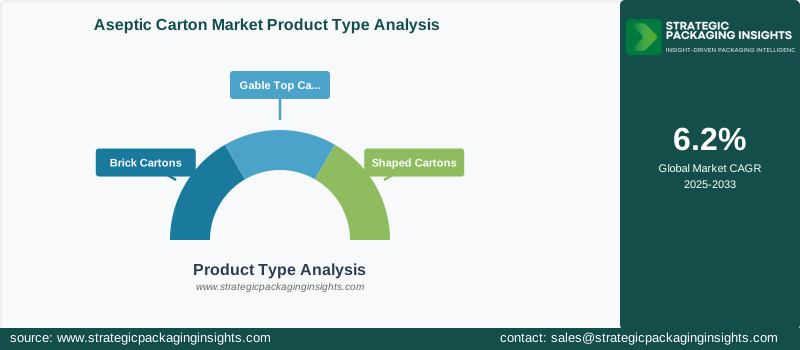
Shaped cartons, offering unique and eye-catching designs, are gaining popularity as brands seek to differentiate their products on retail shelves. These cartons provide an opportunity for creative branding and marketing, allowing companies to capture consumer attention and drive sales. The demand for shaped cartons is particularly strong in the premium segment, where aesthetics and brand image play a crucial role in consumer purchasing decisions. As the aseptic carton market continues to evolve, manufacturers are investing in advanced packaging technologies to develop innovative product types that meet the diverse needs of consumers.
Application Analysis
The application segment of the aseptic carton market is driven by the increasing demand for convenient and long-lasting packaging solutions across various industries. The dairy sector, being one of the largest consumers of aseptic cartons, benefits from the extended shelf life and preservation of nutritional value offered by these packaging solutions. Companies like Tetra Pak are continuously innovating to meet the specific needs of dairy manufacturers, ensuring product safety and quality. The juice and plant-based drinks segments are also significant contributors to market growth, driven by the rising consumer preference for healthy and natural beverages.
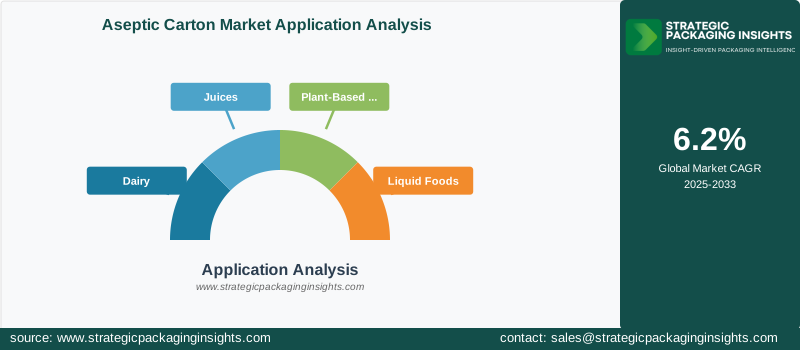
Liquid foods, including soups and sauces, are increasingly being packaged in aseptic cartons due to their ability to maintain product freshness and flavor without the need for preservatives. This trend is supported by the growing demand for convenient meal solutions and ready-to-eat products. As consumers seek healthier and more sustainable options, the application of aseptic cartons in these segments is expected to expand further. Manufacturers are focusing on developing packaging solutions that cater to the evolving needs of consumers, ensuring product safety, convenience, and sustainability.
End Use Analysis
The end-use segment of the aseptic carton market is characterized by the diverse range of industries that rely on these packaging solutions. Beverage brands, being one of the primary end-users, benefit from the extended shelf life and convenience offered by aseptic cartons. The ability to preserve product quality without the need for refrigeration is a significant advantage for beverage manufacturers. Dairy companies, another key end-user, rely on aseptic cartons to ensure the safety and freshness of their products, meeting consumer demand for high-quality dairy products.
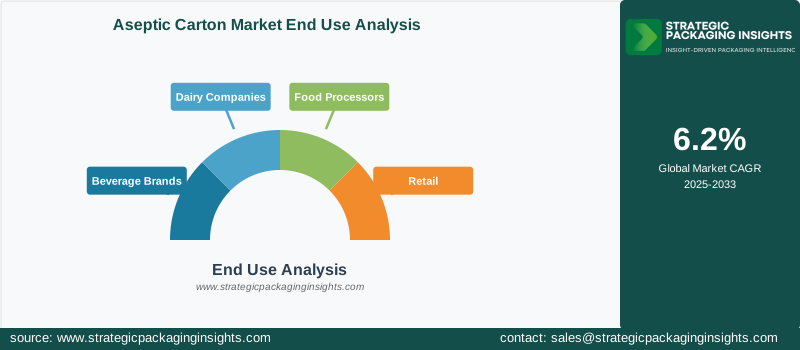
Food processors and retailers are also significant contributors to the aseptic carton market, driven by the need for convenient and sustainable packaging solutions. As consumer preferences shift towards eco-friendly options, retailers are increasingly adopting aseptic cartons to align with sustainability goals and enhance brand image. The focus on reducing food waste and improving supply chain efficiency further supports the adoption of aseptic cartons across various end-use industries. As the market continues to evolve, manufacturers are exploring new opportunities to expand their reach and cater to the diverse needs of end-users.
Aseptic Carton Market Segments
The Aseptic Carton market has been segmented on the basis ofMaterial Type
- Paperboard
- Aluminum Layer
- Polymer Layer
- Bio-Based Coating
Product Type
- Brick Cartons
- Gable Top Cartons
- Shaped Cartons
Application
- Dairy
- Juices
- Plant-Based Drinks
- Liquid Foods
End Use
- Beverage Brands
- Dairy Companies
- Food Processors
- Retail
Region
- Asia Pacific
- North America
- Latin America
- Europe
- Middle East & Africa




