


Aluminum Foil Lunch Box Market Outlook
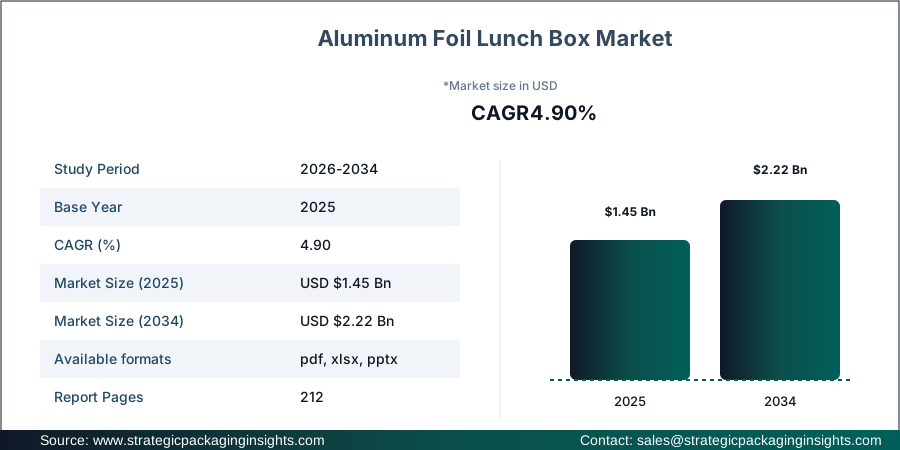
The Aluminum Foil Lunch Box market was valued at $1.45 billion in 2025 and is projected to reach $2.22 billion by 2034, growing at a CAGR of 4.90% during the forecast period 2026-2034. This market is witnessing significant growth due to the increasing demand for convenient and sustainable packaging solutions. The rise in consumer awareness regarding food safety and hygiene, coupled with the growing trend of on-the-go meals, is driving the demand for aluminum foil lunch boxes. These products offer excellent barrier properties, ensuring the freshness and safety of food, which is a critical factor for consumers. Additionally, the recyclability of aluminum foil aligns with the global push towards eco-friendly packaging solutions, further propelling market growth.
However, the market faces challenges such as fluctuating raw material prices and stringent environmental regulations. The production of aluminum foil involves energy-intensive processes, which can lead to environmental concerns. Regulatory bodies are increasingly focusing on reducing carbon footprints, which may impact the production and pricing of aluminum foil lunch boxes. Despite these challenges, the market holds significant growth potential, driven by innovations in product design and the development of lightweight and durable packaging solutions. Manufacturers are investing in research and development to create advanced products that meet consumer demands while adhering to environmental standards.
Report Scope
| Attributes | Details |
| Report Title | Aluminum Foil Lunch Box Market Size, Future Growth and Forecast 2034 |
| Design Type | Single Compartment, Multi-compartment |
| Capacity Volume | 300ml, 500ml, 750ml |
| Feature Set | With Lid, Handle Option |
| Stackability | Nested, Flat Pack |
| Region | Asia Pacific, North America, Latin America, Europe, Middle East & Africa |
| Base Year | 2025 |
| Historic Period | 2018-2024 |
| Forecast Period | 2026-2034 |
| Number of Pages | 212 |
| Customization Available | Yes* |
Opportunities & Threats
The Aluminum Foil Lunch Box market presents numerous opportunities, particularly in the realm of product innovation and customization. As consumers become more health-conscious and environmentally aware, there is a growing demand for lunch boxes that are not only functional but also sustainable. Companies can capitalize on this trend by developing products that incorporate biodegradable materials or feature innovative designs that enhance usability. Additionally, the rise of e-commerce platforms provides an opportunity for manufacturers to reach a broader audience and offer personalized products that cater to specific consumer preferences. The integration of smart packaging technologies, such as QR codes for tracking and information, can also enhance the consumer experience and drive market growth.
Another significant opportunity lies in the expansion into emerging markets, where the demand for convenient and affordable packaging solutions is on the rise. As urbanization and disposable incomes increase in regions such as Asia Pacific and Latin America, there is a growing need for packaging solutions that cater to the fast-paced lifestyles of consumers. Companies that can establish a strong presence in these markets and offer products that meet local preferences and regulatory requirements are likely to gain a competitive edge. Collaborations with local distributors and retailers can further enhance market penetration and brand visibility.
Despite the opportunities, the market faces threats from alternative packaging solutions, such as biodegradable plastics and reusable containers. These alternatives are gaining traction due to their perceived environmental benefits and cost-effectiveness. Additionally, the volatility in aluminum prices can impact the profitability of manufacturers, as fluctuations in raw material costs can lead to increased production expenses. Companies must navigate these challenges by adopting cost-effective production methods and exploring partnerships with suppliers to ensure a stable supply chain. Furthermore, staying abreast of regulatory changes and consumer trends is crucial for maintaining competitiveness in the market.
Drivers & Challenges
The primary drivers of the Aluminum Foil Lunch Box market include the increasing demand for convenient and sustainable packaging solutions. As consumers lead busier lifestyles, the need for on-the-go meal options has surged, driving the demand for portable and reliable packaging. Aluminum foil lunch boxes offer excellent barrier properties, ensuring food safety and freshness, which is a significant consideration for health-conscious consumers. Additionally, the recyclability of aluminum aligns with the global shift towards eco-friendly packaging, further boosting market growth. The rise in consumer awareness regarding environmental issues and the push for sustainable practices are encouraging manufacturers to innovate and develop products that meet these demands.
Technological advancements in manufacturing processes are also driving market growth. Innovations in product design, such as multi-compartment lunch boxes and those with enhanced features like lids and handles, are gaining popularity among consumers. These advancements not only improve the functionality of the products but also enhance their aesthetic appeal, making them more attractive to consumers. Furthermore, the integration of smart packaging technologies, such as QR codes for product information and tracking, is enhancing the consumer experience and providing manufacturers with valuable insights into consumer preferences and behaviors.
However, the market faces several challenges, including the volatility of raw material prices and stringent environmental regulations. The production of aluminum foil is energy-intensive, leading to concerns about its environmental impact. Regulatory bodies are increasingly focusing on reducing carbon emissions, which may affect the production and pricing of aluminum foil lunch boxes. Additionally, the competition from alternative packaging solutions, such as biodegradable plastics and reusable containers, poses a threat to market growth. Companies must navigate these challenges by adopting sustainable production practices and exploring partnerships with suppliers to ensure a stable supply chain. Staying abreast of regulatory changes and consumer trends is crucial for maintaining competitiveness in the market.
Market Share Analysis
The Aluminum Foil Lunch Box market is characterized by a competitive landscape with several key players vying for market share. Companies such as EcoFoil, Novelis, ZFoil, Handi-Foil, Ultrafoil, Dorfin, Golden Wonder, StatPack, Wyda, and Alufoil Products are prominent in this market. These companies are focusing on product innovation, strategic partnerships, and expanding their distribution networks to strengthen their market position. The competitive landscape is marked by a mix of established players and new entrants, each striving to capture a larger share of the market through unique product offerings and competitive pricing strategies.
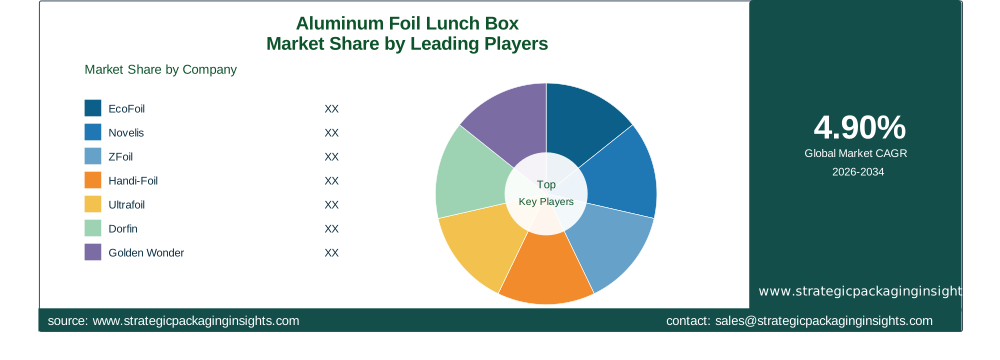
EcoFoil is a leading player in the market, known for its commitment to sustainability and innovation. The company offers a wide range of aluminum foil lunch boxes that cater to various consumer needs, from single-compartment designs to multi-compartment options. Novelis, another major player, is renowned for its advanced manufacturing processes and focus on recycling. The company's emphasis on sustainability and eco-friendly practices has helped it maintain a strong market presence. ZFoil and Handi-Foil are also significant players, offering a diverse range of products that cater to different consumer preferences and market segments.
Ultrafoil and Dorfin are gaining traction in the market by focusing on product differentiation and customer-centric approaches. These companies are investing in research and development to create innovative products that meet the evolving needs of consumers. Golden Wonder and StatPack are leveraging their extensive distribution networks to expand their market reach and enhance brand visibility. Wyda and Alufoil Products are also key players, known for their high-quality products and commitment to customer satisfaction. These companies are continuously exploring new opportunities and partnerships to strengthen their market position and drive growth.
Key Highlights
- The Aluminum Foil Lunch Box market is projected to grow at a CAGR of 4.90% from 2026 to 2034.
- Increasing demand for sustainable and convenient packaging solutions is driving market growth.
- Technological advancements in product design and manufacturing processes are enhancing product appeal.
- Emerging markets in Asia Pacific and Latin America offer significant growth opportunities.
- Key players are focusing on product innovation and strategic partnerships to strengthen their market position.
- Regulatory changes and environmental concerns pose challenges to market growth.
- Alternative packaging solutions, such as biodegradable plastics, are gaining traction.
- Companies are investing in research and development to create advanced and eco-friendly products.
- The market is characterized by a competitive landscape with several key players vying for market share.
Top Countries Insights
In the Aluminum Foil Lunch Box market, the United States stands out as a key player, with a market size of approximately $450 million and a CAGR of 5%. The demand for convenient and sustainable packaging solutions is driving growth in this region, supported by a strong focus on environmental sustainability and consumer awareness. The presence of major manufacturers and a well-established distribution network further bolster the market's expansion. However, regulatory challenges related to environmental standards and recycling practices remain a concern for manufacturers.
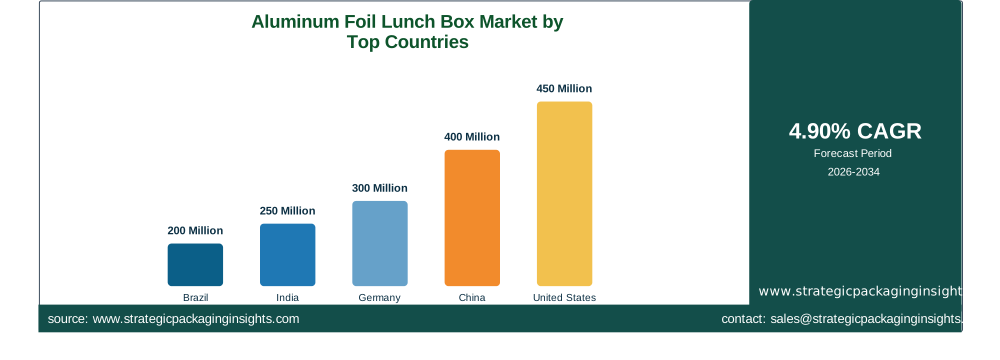
China is another significant market, with a market size of around $400 million and a CAGR of 6%. The rapid urbanization and increasing disposable incomes in the region are driving the demand for on-the-go meal solutions, including aluminum foil lunch boxes. The government's initiatives to promote sustainable packaging and reduce plastic waste are also contributing to market growth. However, the market faces challenges from fluctuating raw material prices and competition from alternative packaging solutions.
Germany, with a market size of approximately $300 million and a CAGR of 4%, is a key player in the European market. The country's strong focus on sustainability and recycling practices is driving the demand for aluminum foil lunch boxes. The presence of major manufacturers and a well-established supply chain further support market growth. However, stringent environmental regulations and competition from biodegradable packaging solutions pose challenges to market expansion.
India, with a market size of around $250 million and a CAGR of 7%, is an emerging market with significant growth potential. The increasing urbanization and changing consumer lifestyles are driving the demand for convenient and affordable packaging solutions. The government's initiatives to promote sustainable practices and reduce plastic waste are also contributing to market growth. However, the market faces challenges from regulatory hurdles and competition from alternative packaging solutions.
Brazil, with a market size of approximately $200 million and a CAGR of 5%, is a key player in the Latin American market. The demand for convenient and sustainable packaging solutions is driving growth in this region, supported by a strong focus on environmental sustainability and consumer awareness. However, the market faces challenges from economic fluctuations and competition from alternative packaging solutions.
Aluminum Foil Lunch Box Market Segments Insights

Design Type Analysis
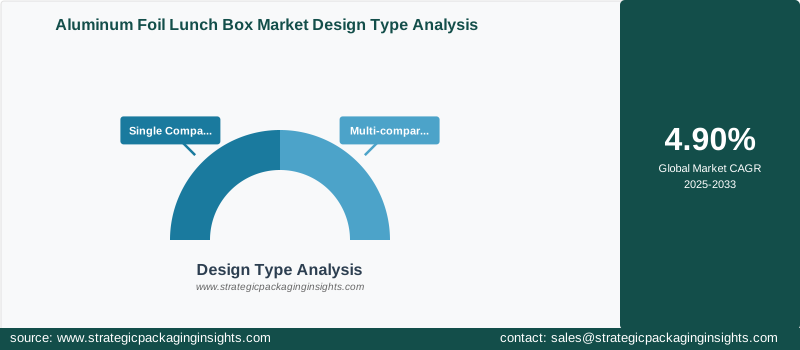
The Aluminum Foil Lunch Box market is segmented by design type into single compartment and multi-compartment options. Single compartment lunch boxes are popular among consumers seeking simplicity and convenience, particularly for single-serving meals. These products are favored for their ease of use and cost-effectiveness, making them a preferred choice for budget-conscious consumers. On the other hand, multi-compartment lunch boxes cater to consumers who prefer to separate different food items, offering versatility and enhanced functionality. This segment is gaining traction among health-conscious consumers who prioritize portion control and meal variety. Manufacturers are focusing on innovative designs and features to cater to diverse consumer preferences, driving growth in this segment.
The demand for multi-compartment lunch boxes is further fueled by the growing trend of meal prepping and healthy eating. Consumers are increasingly seeking products that allow them to organize and portion their meals effectively, aligning with their dietary goals. This trend is particularly prominent among working professionals and fitness enthusiasts who prioritize convenience and nutrition. Manufacturers are responding to this demand by introducing products with enhanced features, such as leak-proof compartments and microwave-safe materials, to enhance consumer satisfaction and drive market growth.
Capacity Volume Analysis
The market is also segmented by capacity volume, with options including 300ml, 500ml, and 750ml. The 300ml segment is popular among consumers seeking compact and portable solutions for snacks and small meals. These products are favored for their convenience and ease of transport, making them ideal for on-the-go consumption. The 500ml segment caters to consumers seeking a balance between capacity and portability, offering sufficient space for a standard meal while remaining easy to carry. This segment is gaining popularity among office-goers and students who require a convenient solution for their daily meals.
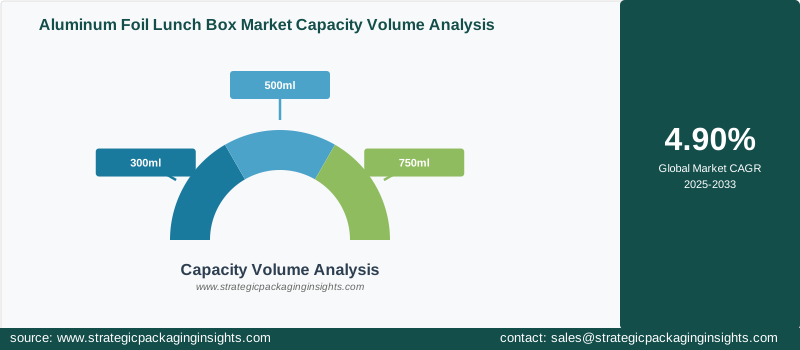
The 750ml segment is favored by consumers seeking larger capacity options for more substantial meals. This segment is particularly popular among families and individuals who prefer to pack multiple food items or larger portions. The demand for larger capacity lunch boxes is driven by the growing trend of meal prepping and the need for convenient solutions for family outings and picnics. Manufacturers are focusing on enhancing the functionality and durability of these products to cater to the diverse needs of consumers, driving growth in this segment.
Feature Set Analysis
The Aluminum Foil Lunch Box market is further segmented by feature set, including options with lids and handle options. Lunch boxes with lids are popular among consumers seeking secure and spill-proof solutions for their meals. These products are favored for their ability to maintain food freshness and prevent leakage, making them a preferred choice for consumers who prioritize convenience and hygiene. The demand for lunch boxes with lids is driven by the increasing focus on food safety and the need for reliable packaging solutions for on-the-go consumption.
Handle options are gaining popularity among consumers seeking enhanced portability and ease of use. These products are particularly favored by consumers who require a convenient solution for carrying their meals, such as office-goers and students. The demand for lunch boxes with handle options is driven by the growing trend of on-the-go meals and the need for practical and user-friendly packaging solutions. Manufacturers are focusing on incorporating ergonomic designs and durable materials to enhance consumer satisfaction and drive market growth.
Stackability Analysis
The market is also segmented by stackability, with options including nested and flat pack designs. Nested lunch boxes are popular among consumers seeking space-saving solutions for storage and transport. These products are favored for their ability to stack neatly and efficiently, making them ideal for consumers with limited storage space. The demand for nested lunch boxes is driven by the growing trend of minimalism and the need for practical and efficient storage solutions.
Flat pack designs are gaining popularity among consumers seeking compact and portable solutions for their meals. These products are favored for their ease of transport and ability to fit into small spaces, making them ideal for on-the-go consumption. The demand for flat pack lunch boxes is driven by the increasing focus on convenience and the need for practical solutions for busy lifestyles. Manufacturers are focusing on enhancing the functionality and durability of these products to cater to the diverse needs of consumers, driving growth in this segment.
Aluminum Foil Lunch Box Market Segments
The Aluminum Foil Lunch Box market has been segmented on the basis ofDesign Type
- Single Compartment
- Multi-compartment
Capacity Volume
- 300ml
- 500ml
- 750ml
Feature Set
- With Lid
- Handle Option
Stackability
- Nested
- Flat Pack
Region
- Asia Pacific
- North America
- Latin America
- Europe
- Middle East & Africa




