


Metal Aerosol Cans Market Outlook
The Metal Aerosol Cans market was valued at $10.70 billion in 2025 and is projected to reach $16.94 billion by 2034, growing at a CAGR of 5.2% during the forecast period 2026-2034. This growth trajectory is driven by the increasing demand for convenient and sustainable packaging solutions across various industries. The versatility and durability of metal aerosol cans make them a preferred choice for packaging in sectors such as personal care, household, automotive, and industrial applications. The market is also benefiting from advancements in manufacturing technologies that enhance the recyclability and eco-friendliness of these cans, aligning with global sustainability trends.
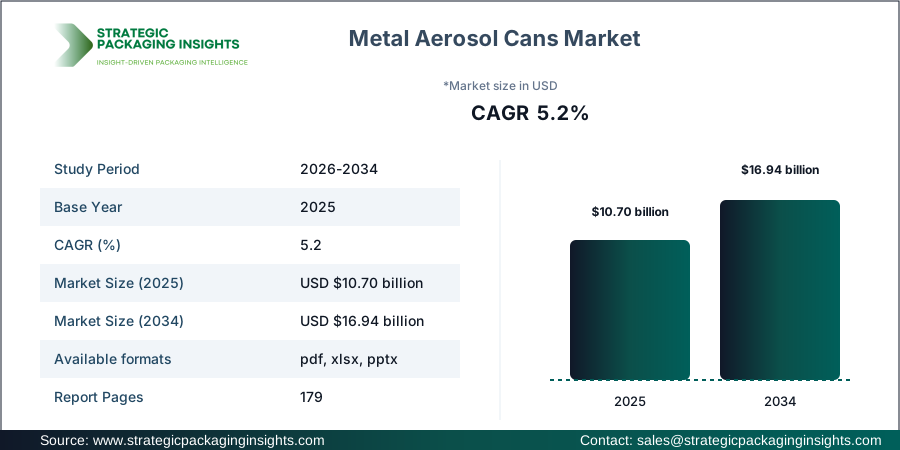
Despite the promising growth prospects, the Metal Aerosol Cans market faces challenges such as stringent environmental regulations and the rising cost of raw materials. Regulatory bodies across the globe are imposing strict guidelines on the use of certain materials and emissions during production, which could potentially hinder market expansion. However, the market holds significant growth potential due to the increasing consumer preference for eco-friendly packaging and the ongoing innovations in can design and functionality. Companies are investing in research and development to create lightweight and cost-effective solutions, which are expected to open new avenues for market growth.
Report Scope
| Attributes | Details |
| Report Title | Metal Aerosol Cans Market Size, Future Growth and Forecast 2034 |
| By Material Type | Aluminum Cans, Steel Cans, Tinplate Cans |
| By Application | Personal Care, Household, Automotive, Industrial |
| By Capacity | Below 100 ml, 100–500 ml, Above 500 ml |
| By End Use | FMCG, Cosmetics, Chemicals, Healthcare |
| Region | Asia Pacific, North America, Latin America, Europe, Middle East & Africa |
| Base Year | 2025 |
| Historic Period | 2018-2024 |
| Forecast Period | 2026-2034 |
| Number of Pages | 179 |
| Customization Available | Yes* |
Opportunities & Threats
The Metal Aerosol Cans market presents numerous opportunities, particularly in the realm of sustainability and eco-friendly packaging solutions. As consumers become more environmentally conscious, there is a growing demand for recyclable and sustainable packaging options. Metal aerosol cans, being highly recyclable, are well-positioned to capitalize on this trend. Additionally, the increasing use of aerosol cans in emerging markets, driven by urbanization and rising disposable incomes, offers significant growth potential. Companies that can innovate and offer environmentally friendly solutions are likely to gain a competitive edge in the market.
Another opportunity lies in the diversification of applications for metal aerosol cans. Beyond traditional uses in personal care and household products, there is a growing demand in sectors such as automotive and industrial applications. The ability to withstand high pressure and protect contents from contamination makes metal aerosol cans ideal for these industries. Furthermore, advancements in can design and technology are enabling manufacturers to offer customized solutions, catering to specific industry needs and expanding their market reach.
However, the market is not without its threats. One of the primary restrainers is the volatility in raw material prices, particularly aluminum and steel, which can impact production costs and profit margins. Additionally, the market faces competition from alternative packaging solutions, such as plastic and glass, which are perceived as more cost-effective. Companies must navigate these challenges by optimizing their supply chains and investing in cost-effective production technologies to maintain their competitive position.
Drivers & Challenges
The Metal Aerosol Cans market is driven by several key factors, including the increasing demand for convenient and user-friendly packaging solutions. The portability and ease of use of aerosol cans make them a popular choice among consumers, particularly in the personal care and household sectors. Additionally, the growing awareness of the environmental benefits of metal packaging, such as its recyclability and reduced carbon footprint, is driving demand. The market is also benefiting from technological advancements that enhance the functionality and aesthetic appeal of aerosol cans, making them more attractive to consumers and manufacturers alike.
Another significant driver is the expanding application scope of metal aerosol cans across various industries. The automotive and industrial sectors, in particular, are witnessing increased adoption of aerosol cans due to their ability to safely store and dispense products under pressure. This versatility is opening new avenues for market growth, as manufacturers explore innovative applications and develop customized solutions to meet specific industry needs. The ongoing trend towards premiumization in packaging is also contributing to market expansion, as consumers seek high-quality and aesthetically pleasing packaging solutions.
Despite these drivers, the market faces several challenges that could impede growth. One of the primary challenges is the stringent regulatory environment governing the production and use of aerosol cans. Compliance with environmental regulations and safety standards can increase production costs and limit market expansion. Additionally, the market is challenged by the increasing competition from alternative packaging solutions, such as plastic and glass, which are often perceived as more cost-effective. Companies must navigate these challenges by investing in research and development to create innovative and sustainable solutions that meet regulatory requirements and consumer preferences.
Market Share Analysis
The Metal Aerosol Cans market is characterized by a competitive landscape with several key players vying for market share. Companies such as Crown Holdings, Ball Corporation, and Ardagh Group are among the leading players, leveraging their extensive product portfolios and global presence to maintain a competitive edge. These companies are focusing on strategic initiatives such as mergers and acquisitions, partnerships, and product innovations to strengthen their market position and expand their customer base. The competitive landscape is further intensified by the presence of regional players who are capitalizing on local market dynamics and consumer preferences.

Crown Holdings is a prominent player in the Metal Aerosol Cans market, known for its innovative packaging solutions and strong focus on sustainability. The company has a significant market share, driven by its extensive product offerings and commitment to environmental stewardship. Ball Corporation is another key player, recognized for its advanced manufacturing technologies and emphasis on product quality. The company's strategic focus on expanding its production capabilities and enhancing its product portfolio has enabled it to capture a substantial share of the market.
Ardagh Group is a leading provider of metal packaging solutions, with a strong presence in the Metal Aerosol Cans market. The company's focus on innovation and customer-centric solutions has helped it maintain a competitive position in the market. CCL Container and Colep Packaging are also notable players, known for their expertise in customized packaging solutions and commitment to sustainability. These companies are investing in research and development to create innovative and eco-friendly packaging solutions that meet the evolving needs of consumers and industries.
Nampak, Toyo Seikan, and CPMC Holdings are other significant players in the market, each with a unique approach to capturing market share. Nampak is recognized for its focus on sustainable packaging solutions and strong regional presence, while Toyo Seikan is known for its advanced manufacturing technologies and emphasis on product quality. CPMC Holdings, on the other hand, is leveraging its extensive distribution network and strategic partnerships to expand its market reach and enhance its competitive position.
Key Highlights
- The Metal Aerosol Cans market is projected to grow at a CAGR of 5.2% from 2026 to 2034.
- Increasing demand for sustainable and recyclable packaging solutions is driving market growth.
- Advancements in manufacturing technologies are enhancing the functionality and eco-friendliness of metal aerosol cans.
- The market is witnessing increased adoption in emerging markets due to urbanization and rising disposable incomes.
- Stringent environmental regulations and volatility in raw material prices pose challenges to market growth.
- Key players are focusing on strategic initiatives such as mergers and acquisitions to strengthen their market position.
- The automotive and industrial sectors are emerging as significant application areas for metal aerosol cans.
- Companies are investing in research and development to create innovative and cost-effective packaging solutions.
- The market is characterized by a competitive landscape with several key players vying for market share.
Top Countries Insights
In the Metal Aerosol Cans market, the United States stands out as a key player, with a market size of approximately $3.5 billion and a CAGR of 4%. The country's growth is driven by the strong demand for personal care and household products, coupled with a growing emphasis on sustainable packaging solutions. The presence of major manufacturers and a well-established distribution network further bolster the market's expansion in the region.
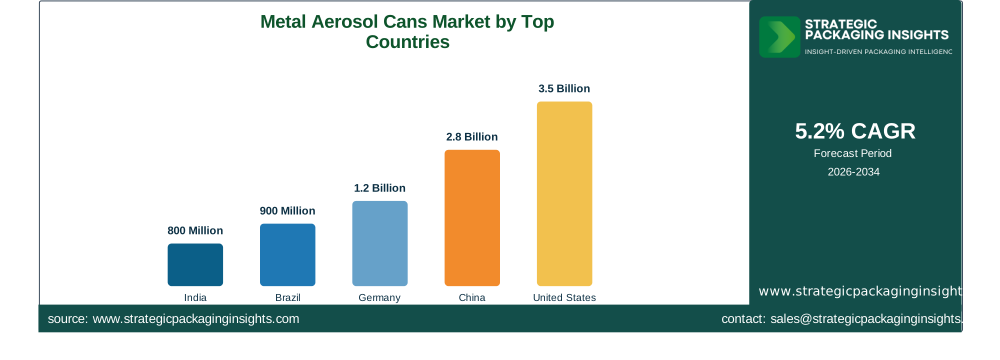
China is another significant market, with a market size of around $2.8 billion and a CAGR of 6%. The rapid urbanization and increasing disposable incomes in the country are driving the demand for convenient and eco-friendly packaging solutions. The government's focus on environmental sustainability and the implementation of favorable policies are also contributing to market growth. Additionally, the presence of a large consumer base and the expansion of the FMCG sector are key growth drivers in the region.
Germany, with a market size of approximately $1.2 billion and a CAGR of 3%, is a prominent player in the European market. The country's strong industrial base and emphasis on high-quality packaging solutions are driving demand for metal aerosol cans. The growing awareness of environmental issues and the implementation of stringent regulations are also influencing market dynamics. Germany's focus on innovation and technological advancements in packaging solutions further supports market growth.
Brazil, with a market size of around $900 million and a CAGR of 5%, is a key player in the Latin American market. The country's expanding middle class and increasing consumer spending on personal care and household products are driving demand for metal aerosol cans. The government's initiatives to promote sustainable packaging solutions and the presence of a robust manufacturing sector are also contributing to market growth.
India, with a market size of approximately $800 million and a CAGR of 7%, is an emerging market with significant growth potential. The country's rapid urbanization and increasing consumer awareness of eco-friendly packaging solutions are driving demand for metal aerosol cans. The government's focus on sustainability and the implementation of favorable policies are also supporting market expansion. Additionally, the presence of a large consumer base and the growth of the FMCG sector are key growth drivers in the region.
Metal Aerosol Cans Market Segments Insights

By Material Type Analysis
The Metal Aerosol Cans market is segmented by material type into aluminum cans, steel cans, and tinplate cans. Aluminum cans dominate the market due to their lightweight nature and excellent recyclability, making them a preferred choice for manufacturers and consumers alike. The demand for aluminum cans is driven by their ability to provide superior protection against corrosion and their aesthetic appeal, which enhances product presentation. Steel cans, on the other hand, are favored for their durability and strength, making them suitable for industrial applications. Tinplate cans, while less common, offer a cost-effective solution for specific applications, particularly in the food and beverage industry.
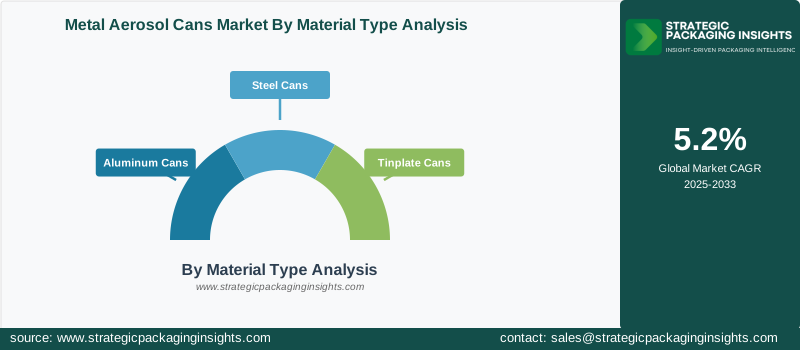
The market for aluminum cans is expected to witness significant growth, driven by the increasing demand for sustainable packaging solutions. Manufacturers are focusing on developing innovative designs and coatings to enhance the functionality and appeal of aluminum cans. Steel cans are also gaining traction in the market, particularly in the automotive and industrial sectors, where their strength and durability are highly valued. Tinplate cans, although a smaller segment, are finding niche applications in the market, driven by their cost-effectiveness and versatility.
By Application Analysis
The application segment of the Metal Aerosol Cans market includes personal care, household, automotive, and industrial applications. Personal care products, such as deodorants and hair sprays, represent a significant portion of the market, driven by the increasing demand for convenient and user-friendly packaging solutions. The household segment, which includes products like air fresheners and cleaning agents, is also witnessing strong growth, supported by the rising consumer preference for aerosol-based products.

The automotive and industrial segments are emerging as key growth areas for metal aerosol cans. The ability of these cans to safely store and dispense products under pressure makes them ideal for automotive applications, such as lubricants and cleaning agents. In the industrial sector, metal aerosol cans are used for a variety of applications, including paints, coatings, and adhesives. The versatility and durability of metal aerosol cans are driving their adoption in these sectors, as manufacturers seek reliable and efficient packaging solutions.
By Capacity Analysis
The Metal Aerosol Cans market is segmented by capacity into below 100 ml, 100-500 ml, and above 500 ml. The 100-500 ml segment is the largest, driven by its widespread use in personal care and household products. This capacity range offers a balance between portability and product volume, making it a popular choice among consumers. The below 100 ml segment, while smaller, is gaining traction in the market, particularly for travel-sized products and samples.
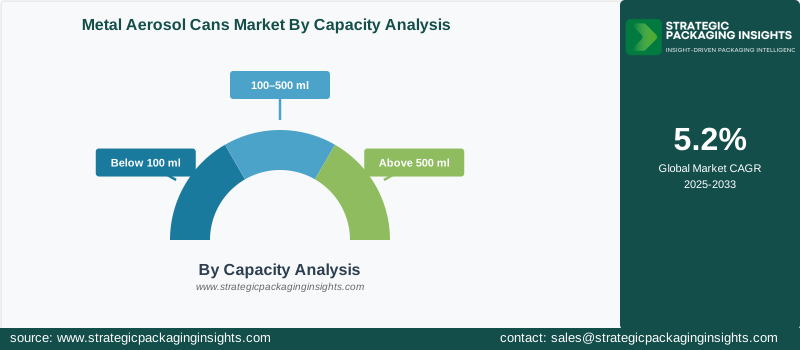
The above 500 ml segment is primarily used in industrial and automotive applications, where larger volumes are required. The demand for this segment is driven by the need for efficient and cost-effective packaging solutions that can accommodate larger product volumes. Manufacturers are focusing on developing innovative designs and technologies to enhance the functionality and appeal of metal aerosol cans across all capacity segments, catering to the diverse needs of consumers and industries.
By End Use Analysis
The end-use segment of the Metal Aerosol Cans market includes FMCG, cosmetics, chemicals, and healthcare. The FMCG sector is the largest end-use segment, driven by the increasing demand for convenient and sustainable packaging solutions. Metal aerosol cans are widely used in this sector for products such as deodorants, air fresheners, and cleaning agents. The cosmetics segment is also witnessing strong growth, supported by the rising consumer preference for aerosol-based products and the increasing focus on premium packaging solutions.
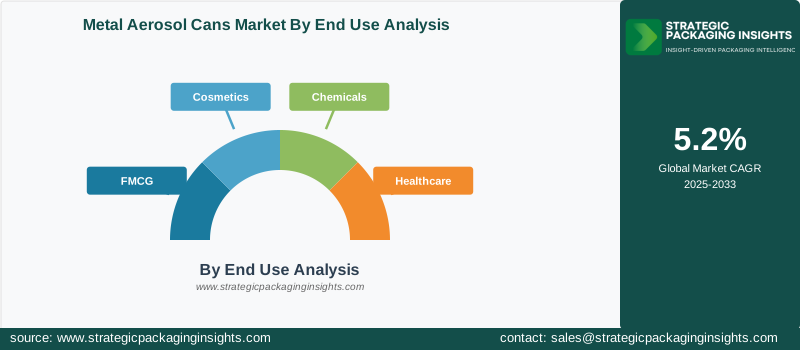
The chemicals and healthcare sectors are emerging as key growth areas for metal aerosol cans. In the chemicals sector, these cans are used for a variety of applications, including paints, coatings, and adhesives. The healthcare sector is also adopting metal aerosol cans for products such as disinfectants and medical sprays, driven by the need for reliable and efficient packaging solutions. The versatility and durability of metal aerosol cans are driving their adoption across these sectors, as manufacturers seek innovative and sustainable packaging solutions.
Metal Aerosol Cans Market Segments
The Metal Aerosol Cans market has been segmented on the basis ofBy Material Type
- Aluminum Cans
- Steel Cans
- Tinplate Cans
By Application
- Personal Care
- Household
- Automotive
- Industrial
By Capacity
- Below 100 ml
- 100–500 ml
- Above 500 ml
By End Use
- FMCG
- Cosmetics
- Chemicals
- Healthcare
Region
- Asia Pacific
- North America
- Latin America
- Europe
- Middle East & Africa




