
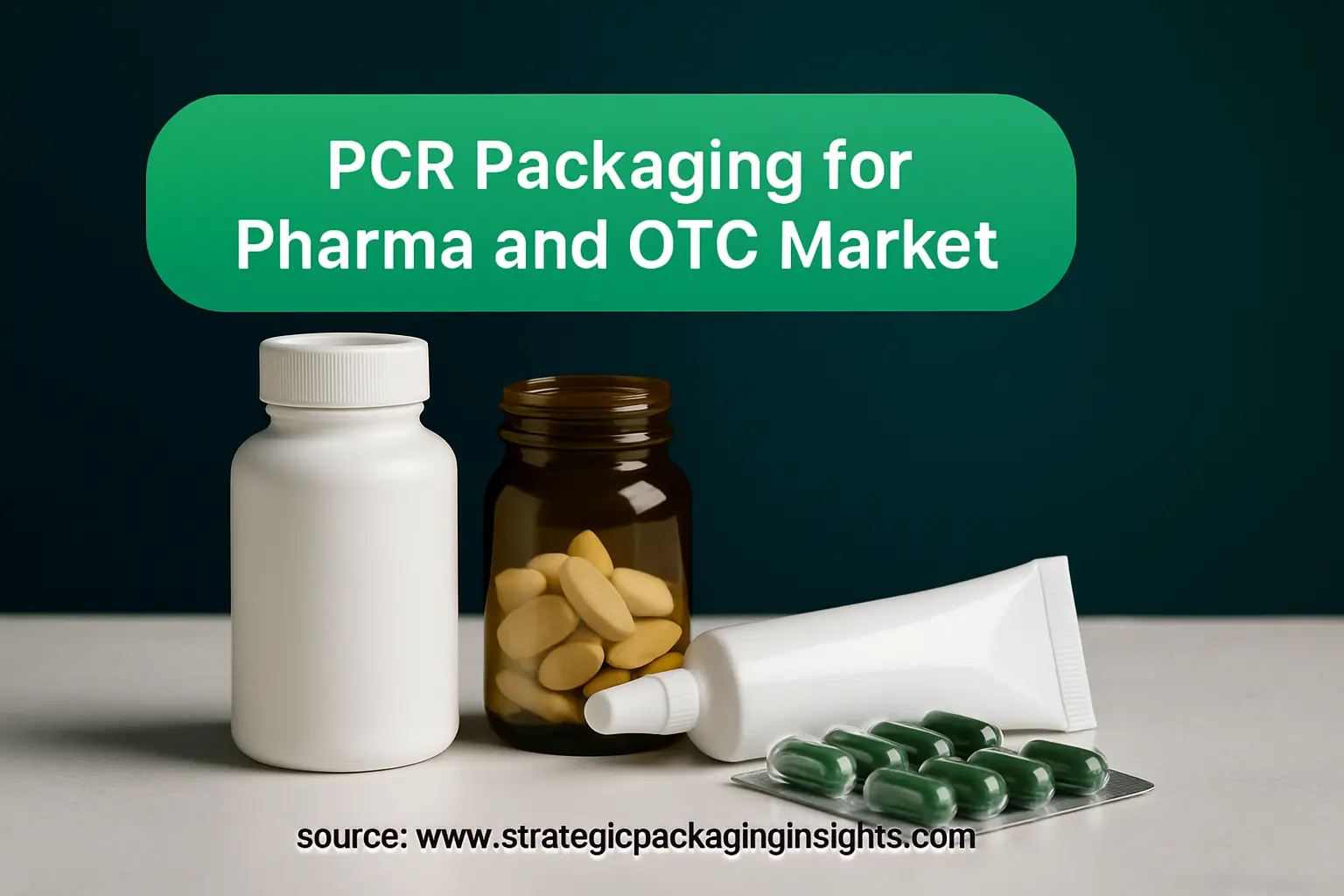
Delve into the evolving landscape of the PCR Packaging for Pharma and OTC Market, examining its growth trajectory, key segments, and strategic insights for industry leaders.
Executive Market Narrative
The PCR Packaging for Pharma and OTC Market has undergone significant transformation over the past decade. This evolution is driven by the increasing demand for sustainable packaging solutions in the pharmaceutical and over-the-counter (OTC) drug sectors. The market's journey from 2017 to 2023 was marked by a growing awareness of environmental impacts and regulatory pressures, prompting a shift towards post-consumer recycled (PCR) materials. This shift is not merely a trend but a fundamental change in how packaging is perceived and utilized in the pharmaceutical industry.
https://www.strategicpackaginginsights.com/report/pcr-packaging-for-pharma-and-otc-market
Initially, the adoption of PCR packaging was slow due to concerns about material integrity and cost implications. However, advancements in recycling technologies and a stronger regulatory framework have alleviated these concerns, leading to broader acceptance. The market has seen a steady increase in the use of PCR materials, particularly in regions with stringent environmental regulations such as Europe and North America. As we move into the forecast period of 2025-2033, the market is poised for accelerated growth, driven by technological innovations and a heightened focus on sustainability.
Why This Market Matters
The importance of the PCR Packaging for Pharma and OTC Market cannot be overstated. As the pharmaceutical industry grapples with the dual challenges of environmental sustainability and regulatory compliance, PCR packaging offers a viable solution. It not only reduces the carbon footprint but also aligns with the global push towards a circular economy. For pharmaceutical companies, adopting PCR packaging is a strategic move that enhances brand reputation and meets consumer demand for eco-friendly products.
Moreover, the market's growth is indicative of a broader shift in consumer preferences and industry standards. As healthcare becomes more personalized and accessible, the demand for OTC drugs is rising, further fueling the need for sustainable packaging solutions. This market is at the intersection of innovation, regulation, and consumer demand, making it a critical area of focus for industry leaders.
Market Size & Growth Trajectory
In 2024, the PCR Packaging for Pharma and OTC Market was valued at $2.5 billion. By 2033, it is projected to reach $4.8 billion, reflecting a compound annual growth rate (CAGR) of 7.2%. This robust growth trajectory underscores the increasing adoption of PCR materials across various segments of the pharmaceutical industry. The market's expansion is driven by technological advancements, regulatory support, and a growing consumer preference for sustainable products.
Key Market Segmentation
| Segment | Description |
|---|---|
| Material Type | Includes Plastic, Glass, and Metal, each offering unique benefits in terms of recyclability and application suitability. |
| Application | Divided into Prescription Drugs and Over-the-Counter Drugs, reflecting the diverse needs of the pharmaceutical sector. |
| End-User | Comprises Pharmaceutical Companies, Healthcare Institutions, and Retail Pharmacies, highlighting the varied stakeholders in the market. |
| Region | Encompasses Asia Pacific, North America, Latin America, Europe, and Middle East & Africa, indicating the global reach of the market. |
Industry Use-Case Mapping
The application of PCR packaging varies across different segments. For instance, plastic PCR packaging is predominantly used for over-the-counter drugs due to its lightweight and cost-effective nature. Glass, known for its impermeability and inertness, is preferred for prescription drugs that require stringent storage conditions. Metal packaging, though less common, is utilized for specialized pharmaceutical products that demand high durability.
Pharmaceutical companies are the primary adopters of PCR packaging, driven by regulatory mandates and corporate sustainability goals. Healthcare institutions, including hospitals and clinics, are increasingly using PCR packaging to align with green procurement policies. Retail pharmacies, on the other hand, are leveraging PCR packaging to enhance brand image and meet consumer expectations for sustainable products.
Competitive & Value Chain Insights
The competitive landscape of the PCR Packaging for Pharma and OTC Market is characterized by a mix of established players and emerging innovators. Key players are investing in research and development to enhance the quality and performance of PCR materials. The value chain is becoming more integrated, with collaborations between recyclers, material suppliers, and packaging manufacturers to streamline processes and reduce costs.
Strategic partnerships and mergers are common as companies seek to expand their capabilities and market reach. The focus is on developing closed-loop systems that ensure the continuous supply of high-quality PCR materials. This collaborative approach is essential for overcoming the challenges associated with PCR packaging, such as material contamination and supply chain complexities.
Short SWOT Analysis
| Strengths | Weaknesses | Opportunities | Threats |
|---|---|---|---|
| Strong regulatory support and consumer demand for sustainability. | High initial costs and technical challenges in material processing. | Technological advancements and expanding applications in emerging markets. | Potential supply chain disruptions and competition from alternative materials. |
Future Outlook (2033)
Looking ahead to 2033, the PCR Packaging for Pharma and OTC Market is expected to continue its upward trajectory. Innovations in recycling technologies and material science will further enhance the quality and applicability of PCR materials. The market will likely see increased participation from emerging economies, where regulatory frameworks are evolving to support sustainable practices.
As the market matures, we can anticipate a shift towards more sophisticated packaging solutions that integrate smart technologies for enhanced drug safety and compliance. The focus will be on creating value-added packaging that not only meets environmental standards but also enhances the overall user experience.
Why This Matters for Packaging Leaders
For packaging leaders, the PCR Packaging for Pharma and OTC Market represents both a challenge and an opportunity. The shift towards sustainable packaging is inevitable, and companies that adapt quickly will gain a competitive edge. By investing in PCR technologies and forging strategic partnerships, packaging leaders can position themselves as pioneers in the sustainable packaging movement.
Moreover, understanding the nuances of this market is crucial for making informed strategic decisions. As consumer expectations evolve and regulatory pressures mount, packaging leaders must stay ahead of the curve to ensure long-term success. Embracing PCR packaging is not just about compliance; it's about leading the charge towards a more sustainable future.