
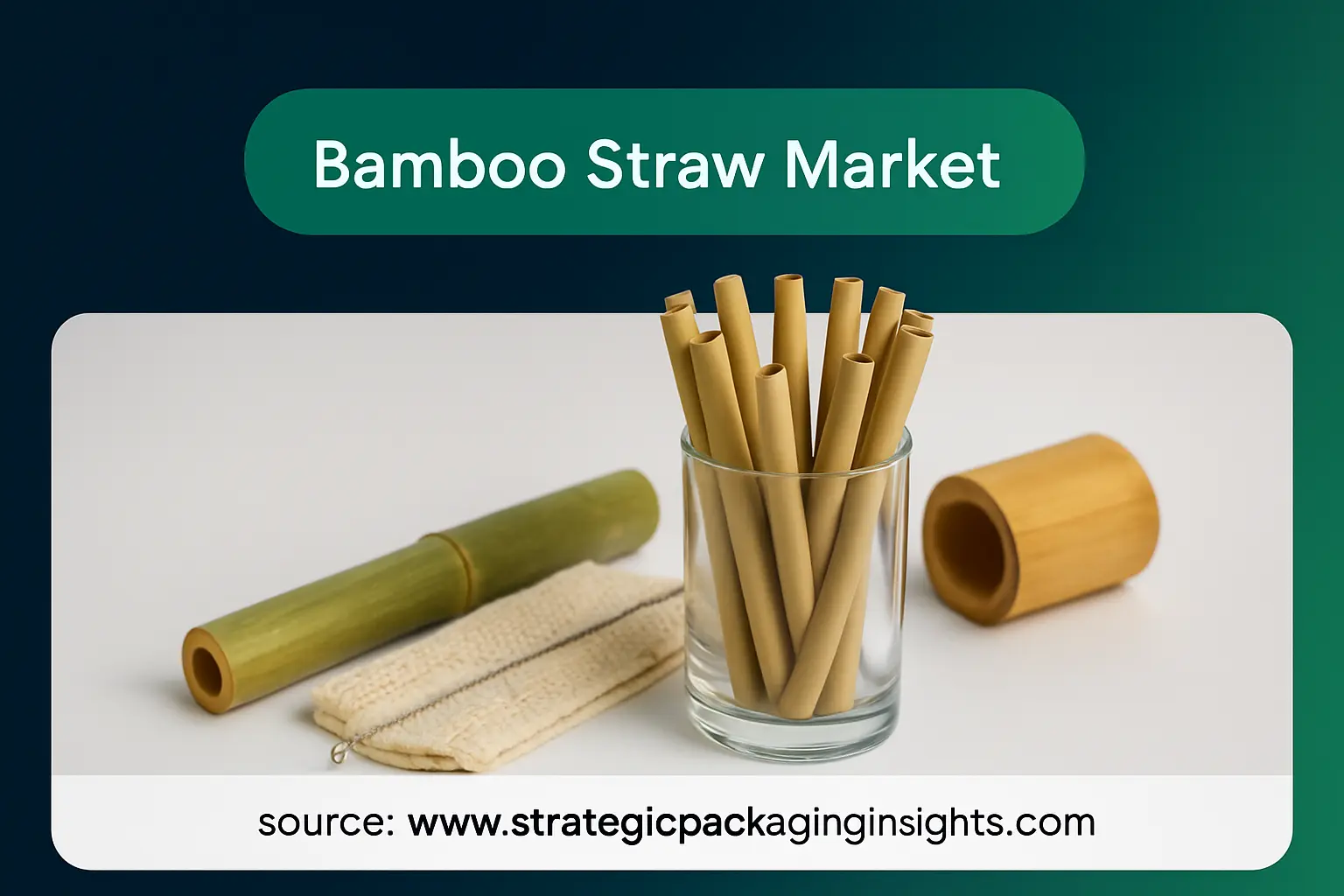
Discover the dynamic growth and potential of the Bamboo Straw Market, analyzing its segments, applications, regional dynamics, and sustainability impact.
Why This Market Is Gaining Attention
The Bamboo Straw Market is capturing significant attention due to the global shift towards sustainable and eco-friendly products. As environmental concerns rise, consumers and businesses alike are seeking alternatives to single-use plastics, propelling bamboo straws into the spotlight. Their biodegradability, coupled with the increasing legislative push against plastic straws, positions bamboo straws as a viable and attractive solution.
https://www.strategicpackaginginsights.com/report/bamboo-straw-market
Market Scale & Growth Momentum
In 2024, the Bamboo Straw Market was valued at $1.2 billion, and it is projected to reach $3.5 billion by 2033, reflecting a robust CAGR of 12.5%. This growth trajectory underscores the market's expanding footprint, driven by heightened consumer awareness and regulatory frameworks favoring sustainable products. The market's momentum is further bolstered by innovations in bamboo processing technologies, enhancing product quality and appeal.
Deep Dive into Segments
| Segment | Description |
|---|---|
| Material Type | Natural Bamboo straws are crafted directly from bamboo stalks, offering a rustic and authentic appeal. Processed Bamboo involves additional treatment for enhanced durability and uniformity. |
| Application | Household usage is growing as consumers adopt eco-friendly practices at home. Commercial applications, particularly in cafes and restaurants, are rising due to customer demand for sustainable options. |
| Distribution Channel | Online channels are expanding rapidly, driven by e-commerce growth and consumer preference for convenient shopping. Offline channels, including retail stores, continue to play a crucial role in market penetration. |
| End-User | The Food & Beverage sector is the largest end-user, integrating bamboo straws into their service offerings. The Hospitality industry is also a significant adopter, aligning with sustainability goals. Retail and other sectors are gradually increasing their uptake. |
Application & End-Use Relevance
Bamboo straws are increasingly relevant across various applications and end-use sectors. In households, they symbolize a commitment to reducing plastic waste. Commercially, they enhance brand image and customer satisfaction in the Food & Beverage and Hospitality industries. Retailers are also capitalizing on the trend by offering bamboo straws as part of their eco-friendly product lines, appealing to environmentally conscious consumers.
Regional & Industry Dynamics
Regionally, Asia Pacific dominates the Bamboo Straw Market, benefiting from abundant bamboo resources and established manufacturing capabilities. North America and Europe are witnessing rapid growth, driven by stringent environmental regulations and consumer demand for sustainable products. In contrast, regions like Latin America and Africa are emerging markets, with potential for significant growth as awareness and infrastructure develop.
Challenges vs Opportunities
While the Bamboo Straw Market faces challenges such as supply chain complexities and competition from other eco-friendly alternatives, it also presents numerous opportunities. Innovations in bamboo processing and product design can enhance market appeal. Additionally, partnerships with environmental organizations and participation in sustainability initiatives can strengthen market positioning and consumer trust.
SWOT Overview
| Strengths | Weaknesses | Opportunities | Threats |
|---|---|---|---|
| Eco-friendly and biodegradable | Higher cost compared to plastic | Growing consumer awareness | Competition from other sustainable materials |
| Strong regulatory support | Limited awareness in some regions | Expansion in emerging markets | Supply chain disruptions |
Innovation & Sustainability Angle
Innovation in the Bamboo Straw Market is centered around enhancing product durability and aesthetic appeal. Advances in processing techniques are enabling the production of straws that are not only functional but also visually appealing. Sustainability remains a core focus, with manufacturers exploring ways to minimize environmental impact throughout the production process. This commitment to sustainability is crucial in maintaining consumer trust and market growth.
What This Means for Packaging Stakeholders
For packaging stakeholders, the Bamboo Straw Market represents a significant opportunity to align with global sustainability trends. By investing in bamboo straw production and distribution, stakeholders can diversify their product offerings and tap into a growing market segment. Collaboration with environmental organizations and participation in sustainability certifications can further enhance brand reputation and consumer loyalty. As the market continues to evolve, stakeholders must remain agile, adapting to changing consumer preferences and regulatory landscapes to maintain competitive advantage.