


Wine Cork Market Outlook
The wine cork market was valued at $6.43 billion in 2025 and is projected to reach $9.47 billion by 2034, growing at a CAGR of 4.4% during the forecast period 2026-2034. This growth is driven by the increasing global demand for wine, particularly in emerging markets where wine consumption is on the rise. The preference for natural corks due to their sustainability and superior sealing properties is also contributing to market expansion. Additionally, the premiumization trend in the wine industry is boosting the demand for high-quality corks, as consumers are willing to pay more for premium products that enhance the wine experience.
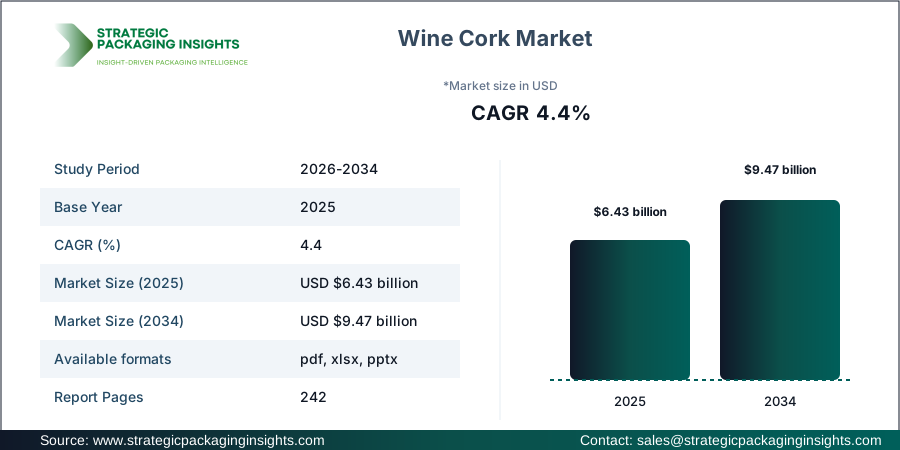
Despite the positive growth trajectory, the wine cork market faces challenges such as competition from alternative wine closures like screw caps and synthetic corks. These alternatives are gaining popularity due to their cost-effectiveness and ease of use. However, the traditional appeal and environmental benefits of natural corks continue to support their demand. Regulatory pressures related to sustainable packaging and environmental impact are also influencing market dynamics, pushing manufacturers to innovate and improve cork production processes. The market holds significant potential for growth, particularly in regions with expanding wine industries and increasing consumer awareness about sustainable packaging solutions.
Report Scope
| Attributes | Details |
| Report Title | Wine Cork Market Size, Future Growth and Forecast 2034 |
| Product Type | Natural Cork, Technical Cork, Agglomerated Cork, Synthetic Cork |
| Application | Still Wine, Sparkling Wine, Spirits, Specialty Beverages |
| Grade | Premium, Standard, Economy |
| End Use | Wineries, Distilleries, Beverage Brands, Distributors |
| Region | Asia Pacific, North America, Latin America, Europe, Middle East & Africa |
| Base Year | 2025 |
| Historic Period | 2018-2024 |
| Forecast Period | 2026-2034 |
| Number of Pages | 242 |
| Customization Available | Yes* |
Opportunities & Threats
The wine cork market presents numerous opportunities, particularly in the realm of sustainability and eco-friendly packaging. As consumers become more environmentally conscious, the demand for natural corks, which are biodegradable and renewable, is expected to rise. This trend is further supported by the increasing emphasis on sustainable practices within the wine industry, where producers are seeking to reduce their carbon footprint. Additionally, the growing popularity of premium wines is driving the demand for high-quality corks, as they are perceived to enhance the overall wine experience. This presents an opportunity for cork manufacturers to innovate and offer premium products that cater to this segment of the market.
Another significant opportunity lies in the expanding wine markets of Asia Pacific and Latin America. These regions are experiencing a surge in wine consumption, driven by rising disposable incomes and changing consumer preferences. As a result, there is a growing demand for wine corks, particularly natural corks, which are favored for their traditional appeal and superior sealing properties. Cork manufacturers can capitalize on this trend by expanding their presence in these regions and forming strategic partnerships with local wineries and distributors. Furthermore, advancements in cork production technology are enabling manufacturers to produce corks with improved performance characteristics, opening up new avenues for growth.
However, the wine cork market also faces threats from alternative wine closures such as screw caps and synthetic corks. These alternatives are gaining traction due to their cost-effectiveness and convenience, posing a challenge to traditional cork manufacturers. Additionally, fluctuations in raw material prices and supply chain disruptions can impact production costs and profitability. To mitigate these threats, cork manufacturers need to focus on innovation and differentiation, offering products that provide unique value propositions to consumers. Moreover, maintaining strong relationships with key stakeholders in the wine industry is crucial to ensuring long-term success in this competitive market.
Drivers & Challenges
The wine cork market is primarily driven by the increasing global demand for wine, which is fueling the need for reliable and high-quality wine closures. As wine consumption continues to grow, particularly in emerging markets, the demand for natural corks is expected to rise. Natural corks are preferred by many wine producers and consumers due to their traditional appeal, superior sealing properties, and environmental benefits. Additionally, the trend towards premiumization in the wine industry is boosting the demand for high-quality corks, as consumers are willing to pay more for products that enhance the wine experience. This is encouraging cork manufacturers to innovate and offer premium products that cater to this segment of the market.
Another key driver of the wine cork market is the increasing emphasis on sustainability and eco-friendly packaging solutions. As consumers become more environmentally conscious, the demand for natural corks, which are biodegradable and renewable, is expected to rise. This trend is further supported by regulatory pressures related to sustainable packaging and environmental impact, pushing manufacturers to innovate and improve cork production processes. Additionally, advancements in cork production technology are enabling manufacturers to produce corks with improved performance characteristics, opening up new avenues for growth.
Despite the positive growth drivers, the wine cork market faces several challenges. One of the main challenges is the competition from alternative wine closures such as screw caps and synthetic corks. These alternatives are gaining popularity due to their cost-effectiveness and ease of use, posing a threat to traditional cork manufacturers. Additionally, fluctuations in raw material prices and supply chain disruptions can impact production costs and profitability. To overcome these challenges, cork manufacturers need to focus on innovation and differentiation, offering products that provide unique value propositions to consumers. Moreover, maintaining strong relationships with key stakeholders in the wine industry is crucial to ensuring long-term success in this competitive market.
Market Share Analysis
The wine cork market is characterized by a competitive landscape with several key players dominating the market. Amorim Cork, Vinventions, DIAM Bouchage, and Cork Supply are some of the leading companies in the industry, holding significant market shares. These companies have established themselves as leaders through their extensive product portfolios, strong distribution networks, and focus on innovation. They are continuously investing in research and development to improve cork quality and performance, catering to the evolving needs of the wine industry.
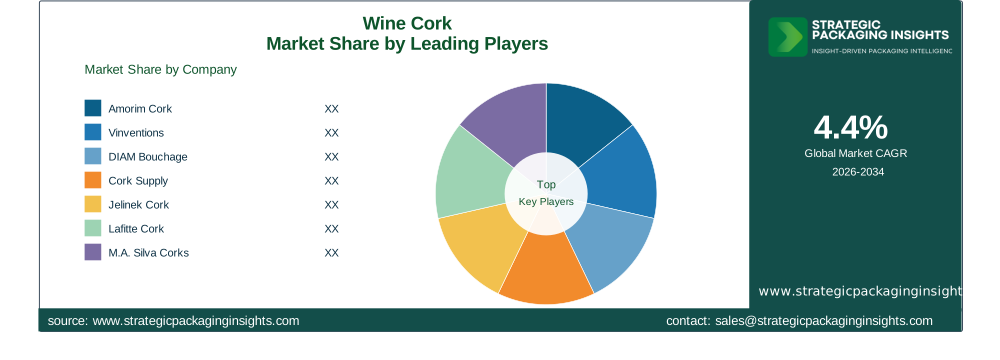
Amorim Cork is one of the largest cork manufacturers in the world, known for its high-quality natural corks and commitment to sustainability. The company has a strong presence in the global market, with a wide range of products catering to different segments of the wine industry. Vinventions, another major player, is recognized for its innovative solutions and focus on providing sustainable wine closures. The company offers a diverse range of products, including natural corks, synthetic corks, and screw caps, catering to the varying needs of wine producers.
DIAM Bouchage is renowned for its technological advancements in cork production, offering corks with enhanced performance characteristics. The company's focus on innovation and quality has helped it establish a strong foothold in the market. Cork Supply, on the other hand, is known for its extensive product portfolio and strong distribution network, enabling it to cater to a wide range of customers across the globe. Other notable players in the market include Jelinek Cork, Lafitte Cork, M.A. Silva Corks, WidgetCo, Waterloo Container, and CorkLink, each contributing to the competitive dynamics of the industry.
These companies are continuously striving to enhance their market positions through strategic initiatives such as mergers and acquisitions, partnerships, and product innovations. They are also focusing on expanding their presence in emerging markets, where the demand for wine corks is on the rise. By leveraging their strengths and capabilities, these companies are well-positioned to capitalize on the growth opportunities in the wine cork market and maintain their competitive edge.
Key Highlights
- The wine cork market is projected to grow from $6.43 billion in 2025 to $9.47 billion by 2034, at a CAGR of 4.4%.
- Natural corks are preferred for their sustainability and superior sealing properties, driving market demand.
- Premiumization in the wine industry is boosting the demand for high-quality corks.
- Asia Pacific and Latin America are emerging as key growth regions for the wine cork market.
- Competition from alternative wine closures like screw caps and synthetic corks poses a challenge.
- Key players include Amorim Cork, Vinventions, DIAM Bouchage, and Cork Supply.
- Technological advancements in cork production are enhancing product performance.
- Regulatory pressures related to sustainable packaging are influencing market dynamics.
- Strategic partnerships and expansions in emerging markets are key growth strategies for companies.
Top Countries Insights
In the wine cork market, France stands out as a leading country with a market size of approximately $1.2 billion and a CAGR of 3%. The country's rich wine heritage and strong emphasis on quality drive the demand for natural corks. French wineries prioritize traditional cork closures to preserve the authenticity and quality of their wines. Additionally, government policies supporting sustainable practices in the wine industry further boost the demand for eco-friendly cork solutions.
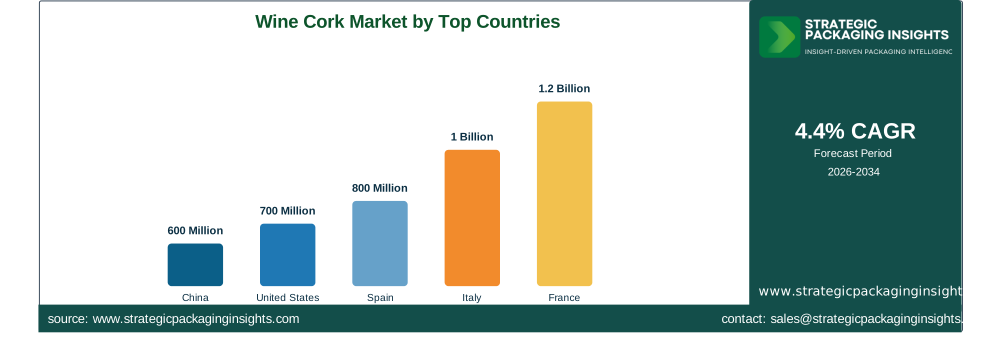
Italy, another prominent player in the wine cork market, has a market size of around $1 billion and a CAGR of 4%. The country's diverse wine production and strong export market contribute to the high demand for corks. Italian wine producers favor natural corks for their superior sealing properties and ability to enhance the wine aging process. The growing trend of premiumization in the Italian wine industry also drives the demand for high-quality corks.
Spain, with a market size of approximately $800 million and a CAGR of 5%, is a key market for wine corks. The country's extensive vineyards and strong wine culture fuel the demand for natural corks. Spanish wineries value the traditional appeal and environmental benefits of cork closures, aligning with the country's focus on sustainability. Additionally, the increasing popularity of Spanish wines in international markets further boosts the demand for corks.
The United States, with a market size of around $700 million and a CAGR of 6%, is experiencing significant growth in the wine cork market. The country's expanding wine industry and increasing consumer preference for premium wines drive the demand for high-quality corks. American wineries are increasingly adopting sustainable practices, favoring natural corks for their eco-friendly attributes. The growing trend of wine tourism in the U.S. also contributes to the rising demand for corks.
China, with a market size of approximately $600 million and a CAGR of 7%, is emerging as a key growth market for wine corks. The country's rising disposable incomes and changing consumer preferences are driving the demand for wine, subsequently increasing the need for cork closures. Chinese consumers are becoming more aware of the benefits of natural corks, favoring them for their traditional appeal and environmental sustainability. The expanding wine industry in China presents significant growth opportunities for cork manufacturers.
Wine Cork Market Segments Insights

Product Type Analysis
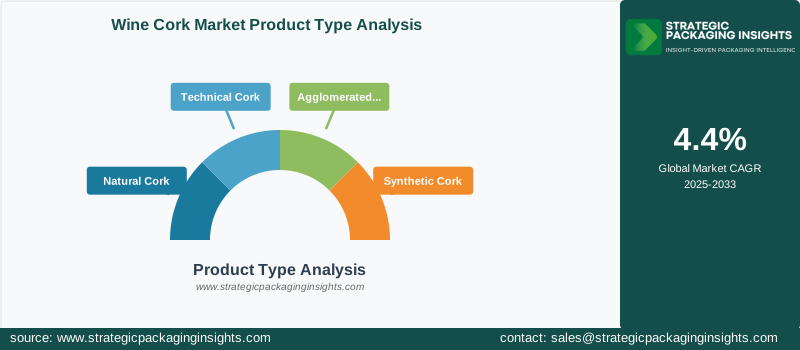
The wine cork market is segmented by product type into natural cork, technical cork, agglomerated cork, and synthetic cork. Natural corks dominate the market due to their traditional appeal and superior sealing properties. They are favored by premium wine producers who prioritize quality and sustainability. The demand for natural corks is further driven by the increasing consumer preference for eco-friendly packaging solutions. Technical corks, which offer enhanced performance characteristics, are gaining popularity among wine producers seeking reliable and cost-effective solutions. Agglomerated corks, made from cork granules, are preferred for their affordability and versatility, catering to a wide range of wine products. Synthetic corks, although facing competition from natural alternatives, are valued for their consistency and ease of use, particularly in the mass-market segment.
Application Analysis
The application segment of the wine cork market includes still wine, sparkling wine, spirits, and specialty beverages. Still wine represents the largest application segment, driven by the high consumption of red and white wines globally. The demand for corks in this segment is fueled by the preference for natural corks, which enhance the wine aging process and preserve the wine's quality. Sparkling wine, known for its effervescence and celebratory appeal, requires specialized corks that can withstand pressure and maintain the wine's integrity. The spirits segment, although smaller, is experiencing growth as more distilleries opt for cork closures to enhance the premium appeal of their products. Specialty beverages, including craft beers and ciders, are also adopting cork closures to differentiate their products and appeal to discerning consumers.
Grade Analysis
The wine cork market is segmented by grade into premium, standard, and economy. Premium corks are in high demand among wineries producing high-end wines, as they offer superior sealing properties and enhance the wine's aging potential. These corks are often handcrafted and undergo rigorous quality checks to ensure their performance. Standard corks, which offer a balance between quality and cost, are widely used by mid-range wine producers seeking reliable closures. Economy corks, although less expensive, are favored by mass-market wine producers who prioritize cost-effectiveness. The demand for premium corks is expected to grow as the trend of premiumization continues to gain momentum in the wine industry, with consumers willing to pay more for products that offer enhanced quality and experience.
End Use Analysis
The end-use segment of the wine cork market includes wineries, distilleries, beverage brands, and distributors. Wineries represent the largest end-use segment, driven by the high demand for cork closures in wine production. Wineries prioritize natural corks for their traditional appeal and ability to enhance the wine's quality and aging potential. Distilleries, although a smaller segment, are increasingly adopting cork closures to enhance the premium appeal of their spirits. Beverage brands, including craft beer and cider producers, are also adopting cork closures to differentiate their products and appeal to discerning consumers. Distributors play a crucial role in the supply chain, ensuring the availability of cork closures to wineries and beverage producers across the globe. The demand for cork closures in the end-use segment is expected to grow as the wine and spirits industries continue to expand globally.
Wine Cork Market Segments
The Wine Cork market has been segmented on the basis ofProduct Type
- Natural Cork
- Technical Cork
- Agglomerated Cork
- Synthetic Cork
Application
- Still Wine
- Sparkling Wine
- Spirits
- Specialty Beverages
Grade
- Premium
- Standard
- Economy
End Use
- Wineries
- Distilleries
- Beverage Brands
- Distributors
Region
- Asia Pacific
- North America
- Latin America
- Europe
- Middle East & Africa




