


Wine Box Market Outlook
The Wine Box market was valued at $1.88 billion in 2025 and is projected to reach $3.61 billion by 2034, growing at a CAGR of 7.5% during the forecast period 2026-2034. This growth trajectory is driven by the increasing demand for sustainable packaging solutions, as consumers and producers alike seek eco-friendly alternatives to traditional packaging. The wine industry is experiencing a shift towards premiumization, with consumers willing to pay more for high-quality wines, which in turn drives the demand for aesthetically pleasing and durable wine boxes. Additionally, the rise of e-commerce and online wine sales has necessitated robust packaging solutions that ensure safe transportation, further fueling the market's expansion.
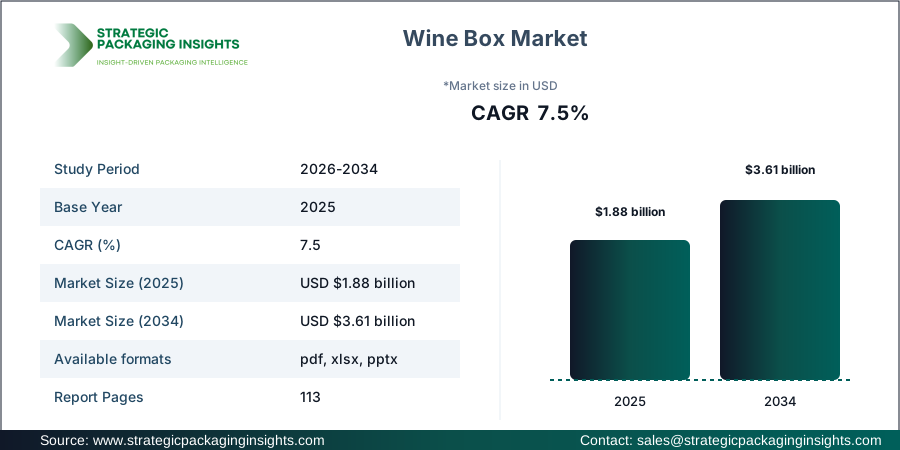
However, the market faces challenges such as fluctuating raw material prices and stringent environmental regulations that could impact production costs and profit margins. Despite these hurdles, the wine box market holds significant growth potential, particularly in emerging markets where wine consumption is on the rise. Innovations in packaging technology, such as smart packaging and customization options, present new opportunities for market players to differentiate their offerings and capture a larger share of the market. As the industry continues to evolve, companies that can adapt to changing consumer preferences and regulatory landscapes will be well-positioned to thrive.
Report Scope
| Attributes | Details |
| Report Title | Wine Box Market Size, Future Growth and Forecast 2034 |
| Material | Paperboard, Corrugated, Wood |
| Bottle Count | Single, Double, Multi-Bottle |
| Application | Premium Wine, Gifting, Shipping |
| End Use | Retail, E-commerce, Hospitality |
| Region | Asia Pacific, North America, Latin America, Europe, Middle East & Africa |
| Base Year | 2025 |
| Historic Period | 2018-2024 |
| Forecast Period | 2026-2034 |
| Number of Pages | 113 |
| Customization Available | Yes* |
Opportunities & Threats
The wine box market presents numerous opportunities, particularly in the realm of sustainable packaging. As environmental concerns continue to rise, consumers are increasingly seeking eco-friendly packaging solutions. This trend is driving innovation in the wine box market, with companies investing in biodegradable and recyclable materials. The shift towards premium wines also offers opportunities for high-end packaging solutions that enhance the consumer experience. Additionally, the growth of e-commerce and online wine sales is creating demand for durable and protective packaging that ensures safe delivery, opening up new avenues for market expansion.
Another significant opportunity lies in the customization of wine boxes. As consumers seek personalized experiences, the demand for customizable packaging solutions is on the rise. Companies that offer bespoke packaging options can cater to niche markets and differentiate themselves from competitors. Furthermore, advancements in packaging technology, such as smart packaging that provides information about the wine's origin and quality, are gaining traction. These innovations not only enhance the consumer experience but also provide valuable data for producers and retailers, creating additional value in the supply chain.
Despite these opportunities, the wine box market faces several threats. Fluctuating raw material prices can impact production costs and profit margins, posing a challenge for manufacturers. Additionally, stringent environmental regulations may increase compliance costs and limit the use of certain materials. The market is also highly competitive, with numerous players vying for market share. Companies must continuously innovate and adapt to changing consumer preferences to remain competitive. Furthermore, economic downturns and changes in consumer spending habits can impact wine consumption and, consequently, the demand for wine boxes.
Drivers & Challenges
The wine box market is driven by several key factors, including the increasing demand for sustainable packaging solutions. As consumers become more environmentally conscious, there is a growing preference for packaging that is biodegradable and recyclable. This trend is encouraging manufacturers to invest in eco-friendly materials and production processes, driving market growth. Additionally, the rise of e-commerce and online wine sales is creating demand for robust packaging solutions that ensure safe transportation. The convenience of online shopping and the ability to access a wide range of wines from around the world are contributing to the growth of the wine box market.
Another significant driver is the trend towards premiumization in the wine industry. Consumers are increasingly willing to pay more for high-quality wines, which in turn drives the demand for aesthetically pleasing and durable wine boxes. The packaging not only protects the wine but also enhances the overall consumer experience, making it an integral part of the product offering. Furthermore, innovations in packaging technology, such as smart packaging and customization options, are providing new opportunities for market players to differentiate their offerings and capture a larger share of the market.
However, the wine box market also faces several challenges. Fluctuating raw material prices can impact production costs and profit margins, posing a challenge for manufacturers. Additionally, stringent environmental regulations may increase compliance costs and limit the use of certain materials. The market is also highly competitive, with numerous players vying for market share. Companies must continuously innovate and adapt to changing consumer preferences to remain competitive. Furthermore, economic downturns and changes in consumer spending habits can impact wine consumption and, consequently, the demand for wine boxes.
Market Share Analysis
The competitive landscape of the wine box market is characterized by the presence of several key players, each striving to capture a significant share of the market. Companies such as Smurfit Kappa, WestRock, and DS Smith are leading the charge with their innovative packaging solutions and strong market presence. These companies have established themselves as leaders in the industry by leveraging their extensive distribution networks and investing in research and development to create sustainable and high-quality packaging solutions. Their ability to adapt to changing consumer preferences and regulatory landscapes has enabled them to maintain a competitive edge.
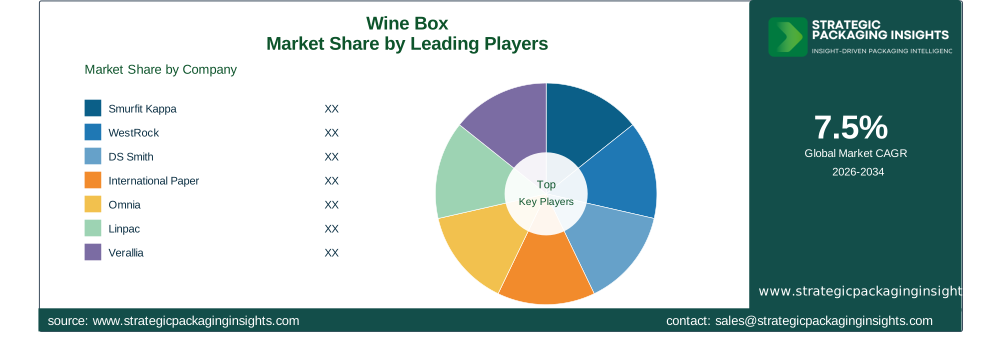
Smurfit Kappa, for instance, is renowned for its commitment to sustainability and innovation. The company has developed a range of eco-friendly packaging solutions that cater to the growing demand for sustainable products. Similarly, WestRock has made significant strides in the market by offering a diverse portfolio of packaging solutions that meet the needs of various end-use industries. The company's focus on innovation and customer-centric solutions has helped it secure a strong foothold in the market.
DS Smith is another major player in the wine box market, known for its innovative approach to packaging design and sustainability. The company has invested heavily in research and development to create packaging solutions that are not only functional but also environmentally friendly. International Paper and Omnia are also key players in the market, offering a wide range of packaging solutions that cater to the needs of the wine industry. These companies have established themselves as leaders by focusing on quality, innovation, and customer satisfaction.
Other notable companies in the wine box market include Linpac, Verallia, Amcor, Mondi, and O-I Glass. These companies have carved out a niche for themselves by offering specialized packaging solutions that cater to specific market segments. Their ability to adapt to changing market dynamics and consumer preferences has enabled them to maintain a competitive edge. As the market continues to evolve, these companies are well-positioned to capitalize on emerging opportunities and drive growth in the industry.
Key Highlights
- The wine box market is projected to grow at a CAGR of 7.5% from 2026 to 2034.
- Increasing demand for sustainable packaging solutions is driving market growth.
- The rise of e-commerce and online wine sales is creating demand for robust packaging solutions.
- Premiumization in the wine industry is driving demand for high-end packaging solutions.
- Customization and smart packaging are emerging trends in the market.
- Fluctuating raw material prices pose a challenge for manufacturers.
- Stringent environmental regulations may impact production costs and material usage.
- The market is highly competitive, with numerous players vying for market share.
- Companies must continuously innovate to remain competitive in the market.
- Emerging markets present significant growth opportunities for the wine box industry.
Top Countries Insights
In the wine box market, the United States stands out as a key player, with a market size of approximately $1.2 billion and a CAGR of 6%. The country's robust wine industry, coupled with a strong e-commerce sector, drives demand for innovative packaging solutions. The shift towards premium wines and sustainable packaging further fuels market growth. However, regulatory challenges and fluctuating raw material prices pose potential hurdles.
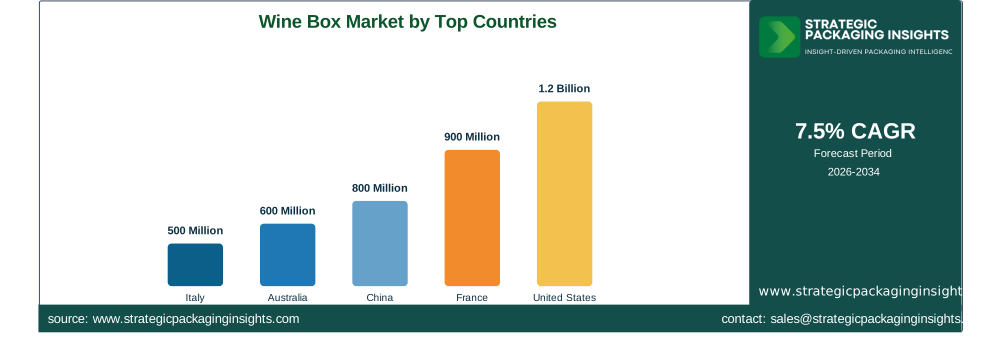
France, with its rich wine heritage, is another significant market, valued at around $900 million with a CAGR of 5%. The country's emphasis on quality and tradition in wine production extends to packaging, driving demand for premium and aesthetically pleasing wine boxes. The rise of e-commerce and the growing popularity of gifting wine also contribute to market expansion. However, environmental regulations and economic uncertainties present challenges.
China's wine box market is rapidly growing, with a market size of $800 million and a CAGR of 8%. The country's expanding middle class and increasing wine consumption drive demand for innovative packaging solutions. The government's focus on sustainability and environmental protection further boosts the market for eco-friendly wine boxes. However, competition from local manufacturers and regulatory complexities pose challenges.
Australia, with a market size of $600 million and a CAGR of 7%, is a key player in the wine box market. The country's strong wine industry and emphasis on sustainability drive demand for innovative packaging solutions. The rise of e-commerce and the growing popularity of premium wines further fuel market growth. However, economic uncertainties and regulatory challenges present potential hurdles.
Italy, with its rich wine tradition, is another significant market, valued at $500 million with a CAGR of 4%. The country's emphasis on quality and tradition in wine production extends to packaging, driving demand for premium and aesthetically pleasing wine boxes. The rise of e-commerce and the growing popularity of gifting wine also contribute to market expansion. However, environmental regulations and economic uncertainties present challenges.
Wine Box Market Segments Insights

Material Analysis
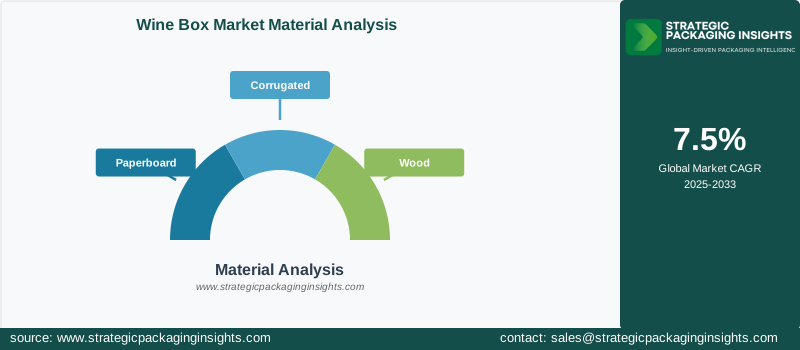
The material segment of the wine box market is primarily categorized into paperboard, corrugated, and wood. Paperboard is the most widely used material due to its lightweight nature and cost-effectiveness. It is favored for its versatility and ability to be easily customized, making it ideal for premium and gifting applications. The demand for paperboard wine boxes is driven by the increasing preference for sustainable packaging solutions, as it is recyclable and biodegradable. Corrugated wine boxes, on the other hand, are preferred for shipping applications due to their durability and strength. They provide excellent protection during transportation, ensuring the safe delivery of wine bottles. The wood segment, although smaller, caters to the high-end market, offering a premium and luxurious packaging option for exclusive wines.
The choice of material is influenced by factors such as cost, sustainability, and the intended use of the wine box. Manufacturers are increasingly focusing on developing eco-friendly materials that meet consumer demand for sustainable packaging. Innovations in material technology, such as the development of biodegradable and compostable materials, are gaining traction in the market. These advancements not only enhance the environmental credentials of wine boxes but also provide opportunities for differentiation in a competitive market. As consumer preferences continue to evolve, companies that can offer innovative and sustainable material solutions are likely to gain a competitive edge.
Bottle Count Analysis
The bottle count segment of the wine box market is divided into single, double, and multi-bottle options. Single bottle wine boxes are popular for gifting and premium wine applications, where presentation and aesthetics are key considerations. These boxes are often designed to enhance the visual appeal of the wine, making them an attractive option for consumers seeking a premium experience. Double bottle wine boxes cater to consumers looking for convenience and value, offering a practical solution for transporting or gifting two bottles of wine. Multi-bottle wine boxes, which can accommodate three or more bottles, are primarily used for shipping and retail applications, where efficiency and cost-effectiveness are important factors.
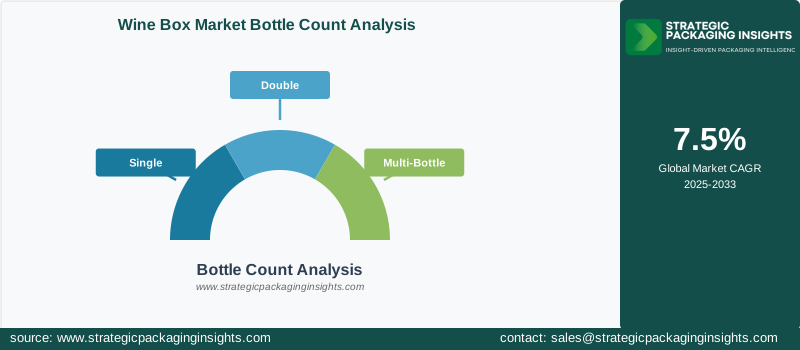
The demand for different bottle count options is influenced by consumer preferences and the intended use of the wine box. As the trend towards premiumization continues, there is a growing demand for single and double bottle wine boxes that offer a high-end experience. However, the rise of e-commerce and online wine sales is driving demand for multi-bottle wine boxes that provide efficient and secure packaging solutions for shipping. Manufacturers are responding to these trends by offering a wide range of bottle count options that cater to diverse consumer needs. The ability to offer customizable and innovative packaging solutions is a key differentiator in this segment.
Application Analysis
The application segment of the wine box market is categorized into premium wine, gifting, and shipping. Premium wine applications are driven by the trend towards premiumization in the wine industry, where consumers are willing to pay more for high-quality wines and packaging. Wine boxes for premium applications are designed to enhance the overall consumer experience, offering a visually appealing and luxurious packaging solution. Gifting applications are also a significant driver of demand, as consumers seek attractive and personalized packaging options for gifting wine. The rise of e-commerce and online wine sales has further fueled demand for gifting wine boxes, as consumers look for convenient and aesthetically pleasing packaging solutions.
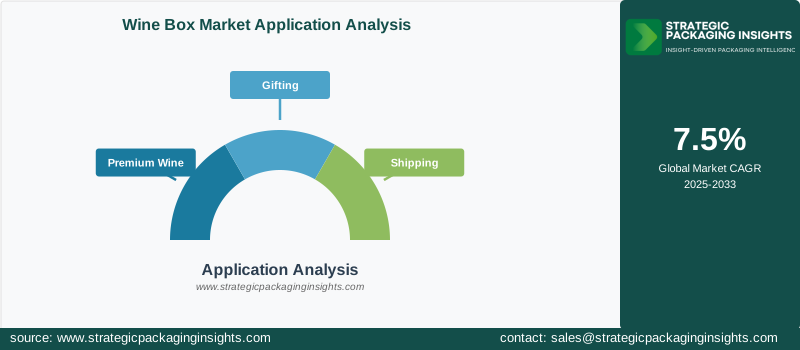
Shipping applications, on the other hand, are driven by the need for durable and protective packaging solutions that ensure the safe transportation of wine bottles. The growth of e-commerce and online wine sales has created demand for robust packaging solutions that can withstand the rigors of transportation. Manufacturers are responding to this demand by developing innovative packaging solutions that offer enhanced protection and durability. The ability to offer a wide range of application-specific packaging solutions is a key differentiator in this segment, as companies seek to capture a larger share of the market by catering to diverse consumer needs.
End Use Analysis
The end-use segment of the wine box market is divided into retail, e-commerce, and hospitality. Retail applications are driven by the need for attractive and functional packaging solutions that enhance the consumer experience and drive sales. Wine boxes for retail applications are designed to be visually appealing and easy to handle, making them an attractive option for consumers. E-commerce applications, on the other hand, are driven by the need for durable and protective packaging solutions that ensure the safe delivery of wine bottles. The growth of online wine sales has created demand for innovative packaging solutions that offer enhanced protection and convenience.
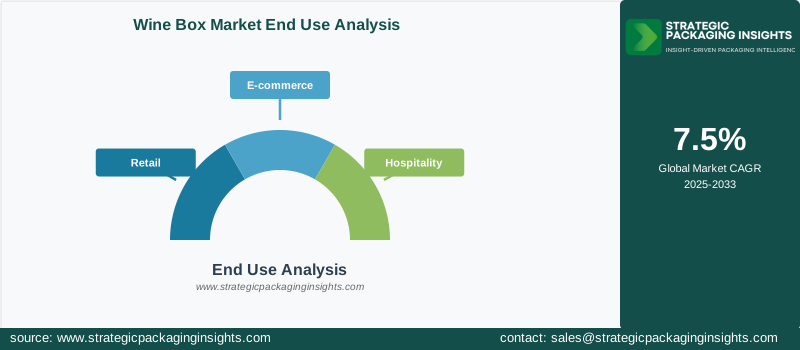
Hospitality applications are driven by the need for premium and aesthetically pleasing packaging solutions that enhance the overall consumer experience. Wine boxes for hospitality applications are designed to be visually appealing and easy to handle, making them an attractive option for consumers. The ability to offer a wide range of end-use-specific packaging solutions is a key differentiator in this segment, as companies seek to capture a larger share of the market by catering to diverse consumer needs. As the market continues to evolve, companies that can offer innovative and sustainable packaging solutions are likely to gain a competitive edge.
Wine Box Market Segments
The Wine Box market has been segmented on the basis ofMaterial
- Paperboard
- Corrugated
- Wood
Bottle Count
- Single
- Double
- Multi-Bottle
Application
- Premium Wine
- Gifting
- Shipping
End Use
- Retail
- E-commerce
- Hospitality
Region
- Asia Pacific
- North America
- Latin America
- Europe
- Middle East & Africa




