


Wheeled Bins Market Outlook
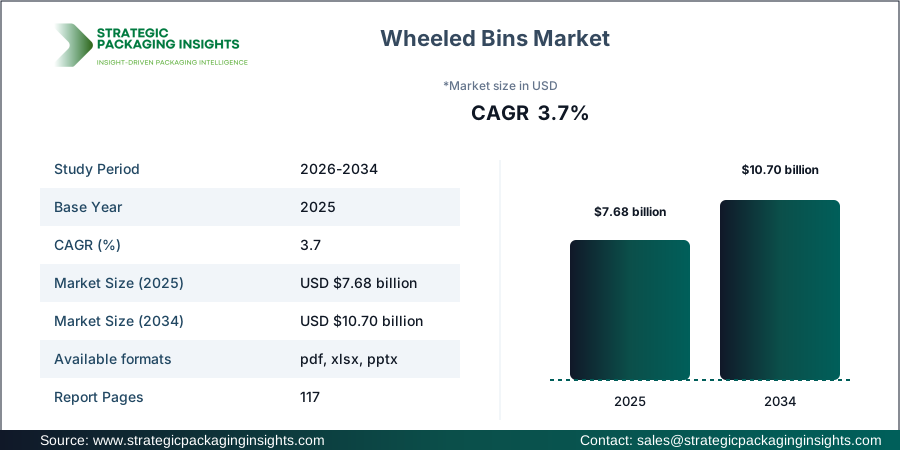
The wheeled bins market was valued at $7.68 billion in 2025 and is projected to reach $10.70 billion by 2034, growing at a CAGR of 3.7% during the forecast period 2026-2034. This growth is driven by increasing urbanization and the subsequent rise in waste generation, which necessitates efficient waste management solutions. The demand for wheeled bins is further bolstered by stringent government regulations aimed at promoting recycling and waste segregation. Additionally, the growing awareness among consumers regarding environmental sustainability is encouraging the adoption of wheeled bins, particularly those made from recycled materials. The market is also witnessing innovations in design and functionality, enhancing the usability and durability of wheeled bins, which is expected to further fuel market growth.
Despite the promising growth prospects, the wheeled bins market faces certain challenges. The high initial cost of wheeled bins, especially those made from premium materials like metal, can be a deterrent for some end-users. Moreover, fluctuations in raw material prices, particularly plastics, can impact the overall cost structure and profitability of manufacturers. However, the market holds significant potential for growth, driven by the increasing adoption of smart waste management solutions and the integration of IoT technologies in wheeled bins. These advancements are expected to enhance operational efficiency and provide real-time data on waste collection, thereby opening new avenues for market expansion.
Report Scope
| Attributes | Details |
| Report Title | Wheeled Bins Market Size, Future Growth and Forecast 2034 |
| Product Type | Two-Wheel Bins, Four-Wheel Bins, Recycling Bins |
| Material Type | HDPE, Recycled Plastic, Metal |
| Capacity | Below 120L, 120–240L, Above 240L |
| End Use | Municipal, Commercial, Industrial, Residential |
| Region | Asia Pacific, North America, Latin America, Europe, Middle East & Africa |
| Base Year | 2025 |
| Historic Period | 2018-2024 |
| Forecast Period | 2026-2034 |
| Number of Pages | 117 |
| Customization Available | Yes* |
Opportunities & Threats
The wheeled bins market presents numerous opportunities, particularly in the realm of smart waste management. The integration of IoT and sensor technologies in wheeled bins is revolutionizing waste collection processes, enabling real-time monitoring and efficient route planning for waste collection vehicles. This technological advancement not only reduces operational costs but also minimizes environmental impact by optimizing waste collection schedules. Additionally, the increasing focus on sustainability and the circular economy is driving demand for wheeled bins made from recycled materials. Manufacturers are capitalizing on this trend by developing eco-friendly products that cater to environmentally conscious consumers, thereby expanding their market reach.
Another significant opportunity lies in the expansion of urban areas and the subsequent rise in waste generation. As cities grow, the need for efficient waste management solutions becomes paramount, driving demand for wheeled bins across municipal, commercial, and residential sectors. The growing emphasis on waste segregation and recycling is further boosting the adoption of specialized wheeled bins designed for different waste streams. Moreover, government initiatives aimed at promoting waste management infrastructure development are expected to create lucrative opportunities for market players in the coming years.
However, the wheeled bins market is not without its threats. One of the primary challenges is the volatility in raw material prices, particularly plastics, which can significantly impact production costs and profit margins. Additionally, the market faces competition from alternative waste management solutions, such as underground waste containers and pneumatic waste collection systems, which offer distinct advantages in terms of space-saving and efficiency. Furthermore, stringent regulations regarding plastic usage and disposal pose a threat to manufacturers relying heavily on plastic materials, necessitating a shift towards more sustainable alternatives.
Drivers & Challenges
The wheeled bins market is primarily driven by the increasing need for efficient waste management solutions in urban areas. Rapid urbanization has led to a surge in waste generation, necessitating the adoption of effective waste collection and disposal systems. Wheeled bins offer a convenient and efficient solution for waste collection, transportation, and segregation, making them an essential component of modern waste management infrastructure. Additionally, government regulations promoting waste segregation and recycling are driving the demand for wheeled bins, particularly those designed for specific waste streams such as recyclables, organic waste, and general waste.
Another key driver of the wheeled bins market is the growing awareness among consumers regarding environmental sustainability. As individuals become more conscious of their environmental impact, there is an increasing demand for eco-friendly waste management solutions. Wheeled bins made from recycled materials are gaining popularity among environmentally conscious consumers, driving market growth. Furthermore, advancements in wheeled bin design and functionality, such as improved durability, ease of use, and aesthetic appeal, are enhancing their adoption across various end-use sectors, including municipal, commercial, industrial, and residential.
Despite the positive growth drivers, the wheeled bins market faces several challenges. One of the primary challenges is the high initial cost of wheeled bins, particularly those made from premium materials like metal. This can be a deterrent for some end-users, especially in price-sensitive markets. Additionally, fluctuations in raw material prices, particularly plastics, can impact the overall cost structure and profitability of manufacturers. The market also faces competition from alternative waste management solutions, such as underground waste containers and pneumatic waste collection systems, which offer distinct advantages in terms of space-saving and efficiency. Furthermore, stringent regulations regarding plastic usage and disposal pose a challenge to manufacturers relying heavily on plastic materials, necessitating a shift towards more sustainable alternatives.
Market Share Analysis
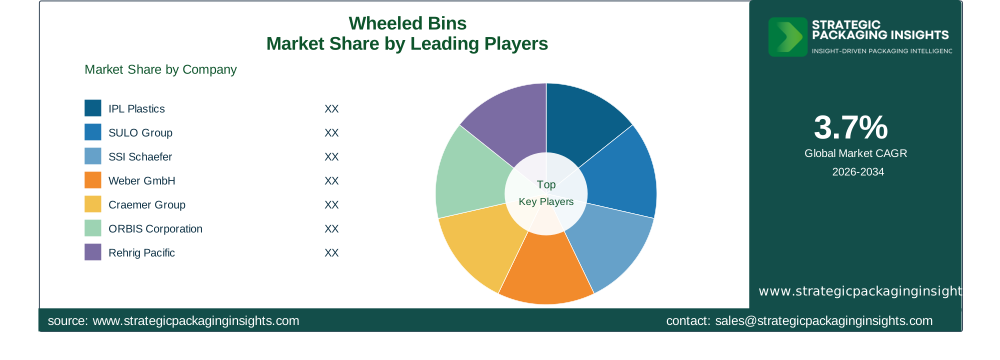
The wheeled bins market is characterized by a competitive landscape with several key players vying for market share. Companies such as IPL Plastics, SULO Group, SSI Schaefer, Weber GmbH, Craemer Group, ORBIS Corporation, Rehrig Pacific, Otto Environmental Systems, ESE World, and Toter are prominent players in the market. These companies are focusing on product innovation, strategic partnerships, and mergers and acquisitions to strengthen their market position and expand their product offerings. The competitive landscape is further intensified by the presence of regional players who cater to specific markets and offer customized solutions to meet local demand.
IPL Plastics is a leading player in the wheeled bins market, known for its innovative product designs and sustainable manufacturing practices. The company has a strong presence in North America and Europe, offering a wide range of wheeled bins for various applications. SULO Group, another major player, is renowned for its high-quality products and extensive distribution network. The company focuses on developing eco-friendly solutions and has a significant market share in Europe and Asia Pacific.
SSI Schaefer is a global leader in waste management solutions, offering a comprehensive range of wheeled bins and related products. The company is known for its cutting-edge technology and commitment to sustainability, which has helped it maintain a strong market position. Weber GmbH, Craemer Group, and ORBIS Corporation are also key players in the market, each with a unique product portfolio and a focus on innovation and customer satisfaction.
Rehrig Pacific, Otto Environmental Systems, ESE World, and Toter are other notable companies in the wheeled bins market. These companies are leveraging their expertise in waste management solutions to expand their market presence and cater to the growing demand for wheeled bins across various end-use sectors. The competitive landscape is expected to remain dynamic, with companies focusing on product development, strategic collaborations, and geographic expansion to gain a competitive edge.
Key Highlights
- The wheeled bins market is projected to grow from $7.68 billion in 2025 to $10.70 billion by 2034, at a CAGR of 3.7%.
- Increasing urbanization and waste generation are driving demand for efficient waste management solutions.
- Government regulations promoting recycling and waste segregation are boosting market growth.
- Technological advancements, such as IoT integration, are enhancing the functionality of wheeled bins.
- Eco-friendly wheeled bins made from recycled materials are gaining popularity among consumers.
- High initial costs and raw material price fluctuations pose challenges to market growth.
- Key players are focusing on product innovation and strategic partnerships to strengthen their market position.
- The market is witnessing increased competition from alternative waste management solutions.
- Regional players are offering customized solutions to cater to local demand.
- The market is expected to benefit from government initiatives promoting waste management infrastructure development.
Top Countries Insights
In the wheeled bins market, the United States stands out as a key player, with a market size of approximately $2.5 billion and a CAGR of 4%. The country's growth is driven by stringent waste management regulations and a strong emphasis on recycling and sustainability. The adoption of smart waste management solutions, including IoT-enabled wheeled bins, is further propelling market growth. However, challenges such as high initial costs and competition from alternative waste management solutions persist.
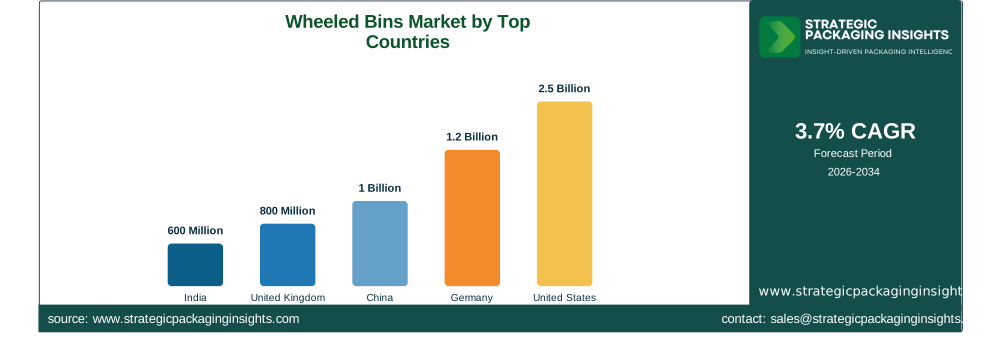
Germany is another significant market for wheeled bins, with a market size of around $1.2 billion and a CAGR of 3%. The country's focus on environmental sustainability and waste segregation is driving demand for wheeled bins, particularly those made from recycled materials. Government initiatives promoting waste management infrastructure development are also contributing to market growth. However, the market faces challenges related to raw material price fluctuations and competition from alternative solutions.
China, with a market size of approximately $1 billion and a CAGR of 5%, is experiencing rapid growth in the wheeled bins market. The country's urbanization and industrialization are leading to increased waste generation, necessitating efficient waste management solutions. Government regulations promoting recycling and waste segregation are further boosting market demand. However, the market faces challenges related to high initial costs and competition from alternative waste management solutions.
The United Kingdom, with a market size of around $800 million and a CAGR of 3%, is witnessing steady growth in the wheeled bins market. The country's focus on sustainability and waste reduction is driving demand for eco-friendly wheeled bins. Government initiatives promoting recycling and waste segregation are also contributing to market growth. However, challenges such as raw material price fluctuations and competition from alternative solutions persist.
India, with a market size of approximately $600 million and a CAGR of 6%, is emerging as a key market for wheeled bins. The country's rapid urbanization and increasing waste generation are driving demand for efficient waste management solutions. Government initiatives promoting waste management infrastructure development and recycling are further boosting market growth. However, the market faces challenges related to high initial costs and competition from alternative waste management solutions.
Wheeled Bins Market Segments Insights

Product Type Analysis
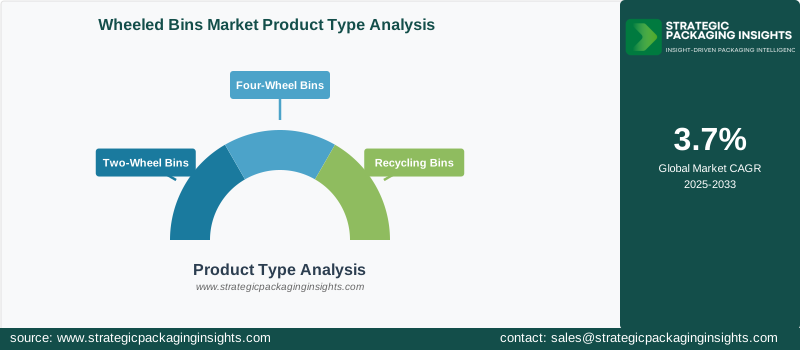
The wheeled bins market is segmented by product type into two-wheel bins, four-wheel bins, and recycling bins. Two-wheel bins are widely used in residential and small commercial applications due to their ease of maneuverability and compact design. These bins are particularly popular in urban areas where space is limited. Four-wheel bins, on the other hand, are preferred for larger waste collection needs, such as in industrial and municipal settings. Their larger capacity and stability make them suitable for handling bulk waste. Recycling bins are gaining traction as environmental awareness increases, with consumers and businesses alike seeking to segregate waste at the source. The demand for recycling bins is further driven by government regulations mandating waste segregation and recycling.
In terms of market trends, there is a growing preference for wheeled bins made from recycled materials, reflecting the broader shift towards sustainability and the circular economy. Manufacturers are responding to this trend by developing eco-friendly products that cater to environmentally conscious consumers. Additionally, technological advancements, such as the integration of IoT and sensor technologies, are enhancing the functionality of wheeled bins, enabling real-time monitoring and efficient waste collection. These innovations are expected to drive market growth and create new opportunities for manufacturers.
Material Type Analysis
The material type segment of the wheeled bins market includes HDPE, recycled plastic, and metal. HDPE is the most commonly used material due to its durability, lightweight nature, and resistance to harsh environmental conditions. It is particularly favored in residential and commercial applications where ease of handling and longevity are important. Recycled plastic is gaining popularity as consumers and businesses become more environmentally conscious. Wheeled bins made from recycled materials are seen as a sustainable alternative, aligning with the growing emphasis on the circular economy.
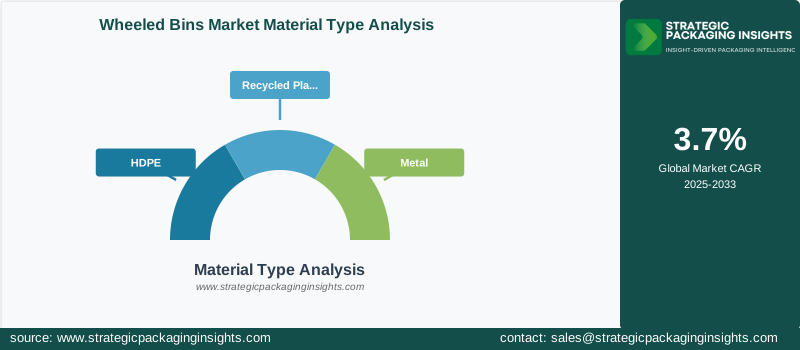
Metal wheeled bins, while less common, are preferred in industrial and municipal settings where durability and strength are paramount. These bins are capable of handling heavy loads and are resistant to damage from rough handling and harsh weather conditions. However, the high initial cost of metal bins can be a deterrent for some end-users. Overall, the material type segment is witnessing a shift towards more sustainable and eco-friendly options, driven by consumer demand and regulatory pressures.
Capacity Analysis
The capacity segment of the wheeled bins market is divided into below 120L, 120-240L, and above 240L. Bins with a capacity below 120L are typically used in residential settings where waste generation is relatively low. These bins are compact and easy to handle, making them ideal for households and small businesses. Bins with a capacity of 120-240L are the most popular, catering to a wide range of applications, including residential, commercial, and municipal waste collection. Their moderate size offers a balance between capacity and maneuverability, making them suitable for various waste management needs.
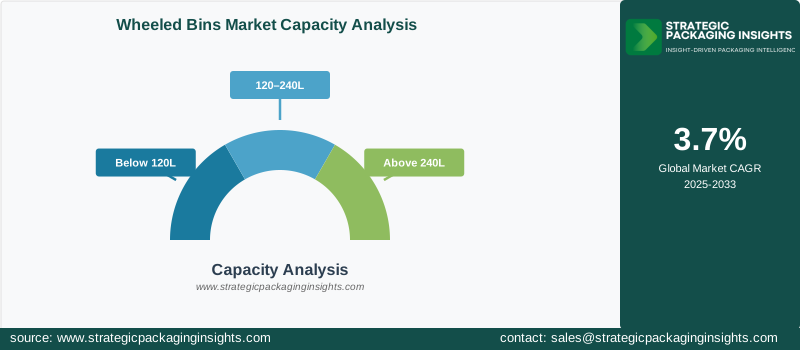
Bins with a capacity above 240L are primarily used in industrial and municipal settings where large volumes of waste are generated. These bins are designed to handle bulk waste and are often equipped with features such as reinforced wheels and lids to ensure durability and ease of use. The demand for larger capacity bins is driven by the increasing need for efficient waste management solutions in urban areas and industrial zones. Overall, the capacity segment is witnessing growth across all categories, driven by the rising demand for efficient and sustainable waste management solutions.
End Use Analysis
The end-use segment of the wheeled bins market includes municipal, commercial, industrial, and residential applications. Municipal applications account for a significant share of the market, driven by the need for efficient waste collection and disposal in urban areas. Government regulations promoting waste segregation and recycling are further boosting demand for wheeled bins in this segment. Commercial applications, including retail, hospitality, and office buildings, are also witnessing growth as businesses seek to improve their waste management practices and comply with environmental regulations.
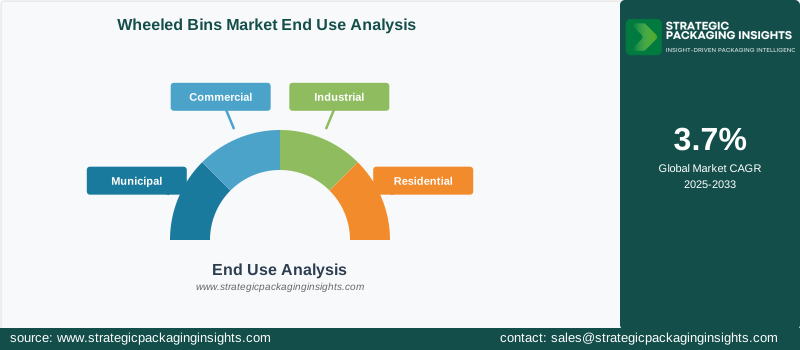
Industrial applications are characterized by the need for durable and high-capacity wheeled bins capable of handling bulk waste. The demand for wheeled bins in this segment is driven by the increasing focus on sustainability and waste reduction in industrial operations. Residential applications, while smaller in scale, are witnessing growth as consumers become more environmentally conscious and seek to improve their waste management practices. Overall, the end-use segment is witnessing growth across all categories, driven by the increasing demand for efficient and sustainable waste management solutions.
Wheeled Bins Market Segments
The Wheeled Bins market has been segmented on the basis ofProduct Type
- Two-Wheel Bins
- Four-Wheel Bins
- Recycling Bins
Material Type
- HDPE
- Recycled Plastic
- Metal
Capacity
- Below 120L
- 120–240L
- Above 240L
End Use
- Municipal
- Commercial
- Industrial
- Residential
Region
- Asia Pacific
- North America
- Latin America
- Europe
- Middle East & Africa




