


Vacuum-Sealed Packaging Market Outlook
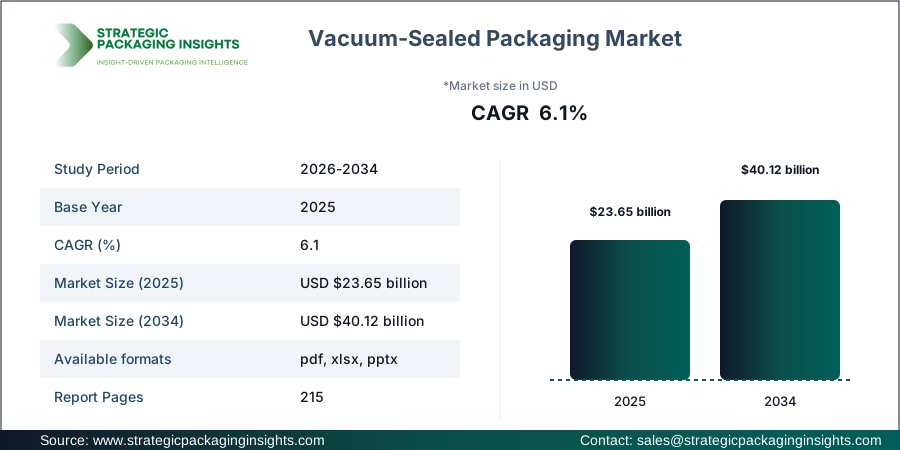
The vacuum-sealed packaging market was valued at $23.65 billion in 2025 and is projected to reach $40.12 billion by 2034, growing at a CAGR of 6.1% during the forecast period 2026-2034. This growth is driven by increasing consumer demand for extended shelf life of food products, coupled with the rising awareness about food safety and hygiene. The market is also benefiting from technological advancements in packaging materials and machinery, which enhance the efficiency and effectiveness of vacuum-sealed packaging solutions. Additionally, the growing trend of ready-to-eat meals and convenience foods is further propelling the demand for vacuum-sealed packaging, as it ensures product freshness and quality over extended periods.
However, the market faces certain restraints, including the high initial investment costs associated with vacuum-sealing equipment and the environmental concerns related to plastic waste generated from packaging materials. Despite these challenges, the market holds significant growth potential due to the increasing adoption of sustainable and eco-friendly packaging solutions. Regulatory bodies are also imposing stringent guidelines on packaging materials, which is encouraging manufacturers to innovate and develop biodegradable and recyclable vacuum-sealed packaging options. This shift towards sustainability is expected to open new avenues for market growth, as consumers and businesses alike are becoming more environmentally conscious.
Report Scope
| Attributes | Details |
| Report Title | Vacuum-Sealed Packaging Market Size, Future Growth and Forecast 2034 |
| By Packaging Type | Vacuum Bags, Vacuum Pouches, Vacuum Skin Packs, Vacuum Trays |
| By Material Type | PE, PA, PET, EVOH Films |
| By Application | Meat, Seafood, Cheese, Ready Meals |
| By End Use | Food Processors, Retail, Foodservice, Healthcare |
| Region | Asia Pacific, North America, Latin America, Europe, Middle East & Africa |
| Base Year | 2025 |
| Historic Period | 2018-2024 |
| Forecast Period | 2026-2034 |
| Number of Pages | 215 |
| Customization Available | Yes* |
Opportunities & Threats
The vacuum-sealed packaging market presents numerous opportunities, particularly in the food and beverage industry, where the demand for longer shelf life and reduced food wastage is paramount. The increasing popularity of online grocery shopping and home delivery services is also driving the need for effective packaging solutions that can preserve the quality of perishable goods during transit. Moreover, the growing trend of meal kits and subscription-based food services is creating a lucrative market for vacuum-sealed packaging, as these services rely heavily on maintaining product freshness and quality. Additionally, the healthcare sector offers significant opportunities for vacuum-sealed packaging, as it is essential for maintaining the sterility and integrity of medical supplies and pharmaceuticals.
Another opportunity lies in the development of innovative packaging materials that are both effective and environmentally friendly. As consumers become more eco-conscious, there is a growing demand for sustainable packaging solutions that minimize environmental impact. Companies that invest in research and development to create biodegradable and recyclable vacuum-sealed packaging materials are likely to gain a competitive edge in the market. Furthermore, advancements in packaging technology, such as smart packaging solutions that monitor product freshness and quality, present additional opportunities for market growth.
Despite these opportunities, the vacuum-sealed packaging market faces certain threats, including the volatility of raw material prices, which can impact production costs and profit margins. Additionally, the market is highly competitive, with numerous players vying for market share, which can lead to price wars and reduced profitability. The increasing regulatory scrutiny on packaging materials, particularly plastics, also poses a threat to market growth, as companies may face challenges in complying with stringent environmental regulations. Moreover, the availability of alternative packaging solutions, such as modified atmosphere packaging, could potentially limit the growth of the vacuum-sealed packaging market.
Drivers & Challenges
One of the primary drivers of the vacuum-sealed packaging market is the growing consumer demand for convenience and ready-to-eat food products. As lifestyles become increasingly fast-paced, consumers are seeking packaging solutions that offer extended shelf life and maintain product freshness. Vacuum-sealed packaging is particularly effective in preserving the quality of perishable goods, making it a preferred choice for food manufacturers and retailers. Additionally, the rising awareness about food safety and hygiene is driving the adoption of vacuum-sealed packaging, as it provides a barrier against contaminants and extends the shelf life of food products.
Technological advancements in packaging materials and machinery are also driving market growth. Innovations in vacuum-sealing technology have led to the development of more efficient and cost-effective packaging solutions, which are being increasingly adopted by manufacturers across various industries. The introduction of smart packaging solutions, which incorporate sensors and indicators to monitor product freshness and quality, is further enhancing the appeal of vacuum-sealed packaging. Moreover, the growing trend of sustainable packaging is driving companies to invest in research and development to create eco-friendly vacuum-sealed packaging materials.
However, the vacuum-sealed packaging market faces several challenges, including the high initial investment costs associated with vacuum-sealing equipment. Small and medium-sized enterprises may find it difficult to afford the necessary machinery, which can limit their ability to adopt vacuum-sealed packaging solutions. Additionally, the environmental concerns related to plastic waste generated from packaging materials pose a significant challenge to market growth. Companies are under increasing pressure to develop sustainable packaging solutions that minimize environmental impact, which can be a costly and time-consuming process. Furthermore, the market is highly competitive, with numerous players vying for market share, which can lead to price wars and reduced profitability.
Market Share Analysis
The vacuum-sealed packaging market is characterized by a highly competitive landscape, with several key players dominating the market. Companies such as Sealed Air, Amcor, and Berry Global hold significant market shares, driven by their extensive product portfolios and strong distribution networks. These companies have established themselves as leaders in the market by consistently investing in research and development to innovate and improve their packaging solutions. Additionally, their strategic acquisitions and partnerships have enabled them to expand their market presence and enhance their product offerings.
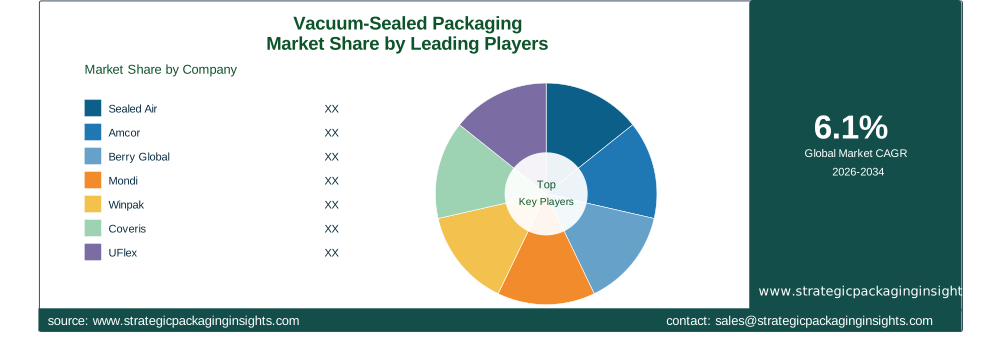
Sealed Air, a leading player in the vacuum-sealed packaging market, is known for its innovative packaging solutions that cater to a wide range of industries, including food, healthcare, and industrial applications. The company's focus on sustainability and eco-friendly packaging has further strengthened its market position. Amcor, another major player, offers a comprehensive range of vacuum-sealed packaging solutions, with a strong emphasis on sustainability and innovation. The company's global presence and extensive distribution network have enabled it to capture a significant share of the market.
Berry Global is a prominent player in the vacuum-sealed packaging market, known for its diverse product portfolio and commitment to sustainability. The company's focus on developing innovative packaging solutions that meet the evolving needs of consumers has helped it maintain a strong market position. Mondi, Winpak, and Coveris are also key players in the market, offering a wide range of vacuum-sealed packaging solutions that cater to various industries. These companies have established themselves as leaders in the market by consistently investing in research and development to innovate and improve their packaging solutions.
Other notable players in the vacuum-sealed packaging market include UFlex, ProAmpac, Constantia Flexibles, and Klöckner Pentaplast. These companies have made significant contributions to the market through their innovative packaging solutions and strong focus on sustainability. Their strategic acquisitions and partnerships have enabled them to expand their market presence and enhance their product offerings. Overall, the competitive landscape of the vacuum-sealed packaging market is characterized by a strong emphasis on innovation, sustainability, and strategic partnerships, which are key factors driving market growth.
Key Highlights
- The vacuum-sealed packaging market is projected to grow at a CAGR of 6.1% from 2026 to 2034.
- Increasing demand for extended shelf life and food safety is driving market growth.
- Technological advancements in packaging materials and machinery are enhancing market appeal.
- Growing trend of ready-to-eat meals and convenience foods is boosting demand.
- High initial investment costs and environmental concerns pose challenges to market growth.
- Key players include Sealed Air, Amcor, Berry Global, and Mondi.
- Focus on sustainability and eco-friendly packaging is a major market trend.
- Healthcare sector offers significant opportunities for vacuum-sealed packaging.
- Smart packaging solutions are gaining traction in the market.
- Regulatory guidelines are encouraging the development of biodegradable packaging options.
Top Countries Insights
In the vacuum-sealed packaging market, the United States holds a significant share, driven by the high demand for convenience foods and the presence of major market players. The market in the U.S. is expected to grow at a CAGR of 5%, supported by advancements in packaging technology and increasing consumer awareness about food safety. The regulatory environment in the U.S. also favors the adoption of sustainable packaging solutions, further driving market growth.
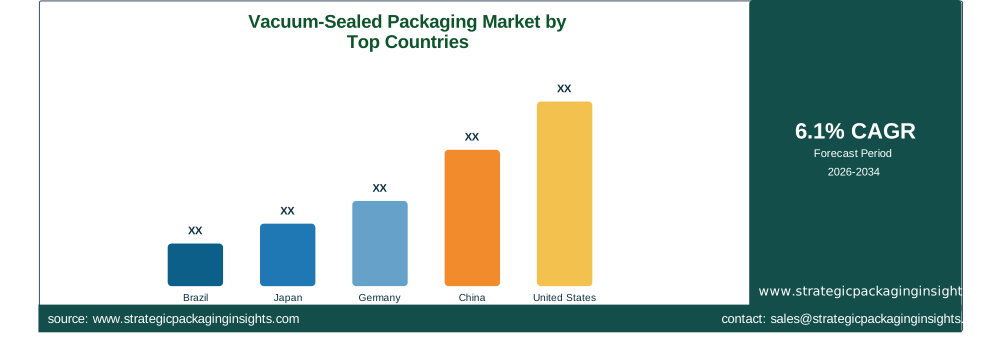
China is another key market for vacuum-sealed packaging, with a projected CAGR of 8%. The rapid growth of the food and beverage industry, coupled with the increasing popularity of online grocery shopping, is driving demand for vacuum-sealed packaging solutions. Additionally, government initiatives to promote sustainable packaging practices are expected to boost market growth in China.
Germany is a leading market in Europe, with a CAGR of 6%. The country's strong focus on sustainability and innovation in packaging solutions is driving market growth. The presence of major packaging companies and a well-established food processing industry further contribute to the market's expansion in Germany.
In Japan, the vacuum-sealed packaging market is expected to grow at a CAGR of 4%. The country's aging population and increasing demand for convenience foods are key drivers of market growth. Additionally, Japan's emphasis on food safety and hygiene is boosting the adoption of vacuum-sealed packaging solutions.
Brazil is a growing market for vacuum-sealed packaging, with a projected CAGR of 7%. The increasing demand for packaged food products and the expansion of the retail sector are driving market growth in Brazil. The country's focus on improving food safety standards is also contributing to the adoption of vacuum-sealed packaging solutions.
Vacuum-Sealed Packaging Market Segments Insights

Packaging Type Analysis
The vacuum-sealed packaging market is segmented by packaging type into vacuum bags, vacuum pouches, vacuum skin packs, and vacuum trays. Vacuum bags and pouches are the most widely used packaging types, owing to their versatility and cost-effectiveness. These packaging solutions are particularly popular in the food industry, where they are used to package a wide range of products, including meat, seafood, and ready meals. The demand for vacuum skin packs is also growing, driven by their ability to enhance product presentation and extend shelf life. Vacuum trays are commonly used in the healthcare sector, where they provide a secure and sterile packaging solution for medical supplies and pharmaceuticals.
The increasing demand for convenience foods and ready-to-eat meals is driving the growth of the vacuum bags and pouches segment. These packaging solutions offer excellent barrier properties, which help preserve the freshness and quality of food products. Additionally, advancements in packaging technology have led to the development of more efficient and cost-effective vacuum bags and pouches, further boosting their adoption. The vacuum skin packs segment is also experiencing significant growth, as consumers increasingly seek packaging solutions that enhance product presentation and provide a premium look and feel.
Material Type Analysis
The vacuum-sealed packaging market is segmented by material type into PE, PA, PET, and EVOH films. PE and PA are the most commonly used materials, owing to their excellent barrier properties and cost-effectiveness. These materials are widely used in the food industry, where they provide a secure and hygienic packaging solution for perishable goods. PET and EVOH films are also gaining popularity, driven by their superior barrier properties and ability to extend the shelf life of food products.
The growing demand for sustainable packaging solutions is driving the adoption of biodegradable and recyclable materials in the vacuum-sealed packaging market. Companies are increasingly investing in research and development to create eco-friendly packaging materials that minimize environmental impact. Additionally, advancements in material technology have led to the development of high-performance films that offer enhanced barrier properties and improved product protection. The increasing focus on sustainability and environmental responsibility is expected to drive the growth of the PET and EVOH films segment in the coming years.
Application Analysis
The vacuum-sealed packaging market is segmented by application into meat, seafood, cheese, and ready meals. The meat and seafood segments account for the largest share of the market, driven by the increasing demand for fresh and hygienic packaging solutions. Vacuum-sealed packaging is particularly effective in preserving the quality and freshness of meat and seafood products, making it a preferred choice for manufacturers and retailers. The cheese segment is also experiencing significant growth, as vacuum-sealed packaging helps prevent spoilage and extend the shelf life of cheese products.
The growing trend of ready-to-eat meals and convenience foods is driving the demand for vacuum-sealed packaging in the ready meals segment. These packaging solutions offer excellent barrier properties, which help preserve the freshness and quality of ready meals. Additionally, the increasing popularity of meal kits and subscription-based food services is creating a lucrative market for vacuum-sealed packaging, as these services rely heavily on maintaining product freshness and quality. The healthcare sector also offers significant opportunities for vacuum-sealed packaging, as it is essential for maintaining the sterility and integrity of medical supplies and pharmaceuticals.
End Use Analysis
The vacuum-sealed packaging market is segmented by end use into food processors, retail, foodservice, and healthcare. The food processors segment accounts for the largest share of the market, driven by the increasing demand for extended shelf life and food safety. Vacuum-sealed packaging is particularly effective in preserving the quality and freshness of food products, making it a preferred choice for food processors. The retail segment is also experiencing significant growth, as vacuum-sealed packaging helps reduce food wastage and improve product presentation.
The foodservice sector offers significant opportunities for vacuum-sealed packaging, as it is essential for maintaining the quality and freshness of food products during transit and storage. The increasing popularity of online grocery shopping and home delivery services is driving the demand for vacuum-sealed packaging in the foodservice sector. The healthcare sector also offers significant opportunities for vacuum-sealed packaging, as it is essential for maintaining the sterility and integrity of medical supplies and pharmaceuticals. The growing focus on sustainability and eco-friendly packaging solutions is expected to drive the growth of the vacuum-sealed packaging market in the coming years.
Vacuum-Sealed Packaging Market Segments
The Vacuum-Sealed Packaging market has been segmented on the basis ofBy Packaging Type
- Vacuum Bags
- Vacuum Pouches
- Vacuum Skin Packs
- Vacuum Trays
By Material Type
- PE
- PA
- PET
- EVOH Films
By Application
- Meat
- Seafood
- Cheese
- Ready Meals
By End Use
- Food Processors
- Retail
- Foodservice
- Healthcare
Region
- Asia Pacific
- North America
- Latin America
- Europe
- Middle East & Africa




