


Twin Neck Bottles Market Outlook
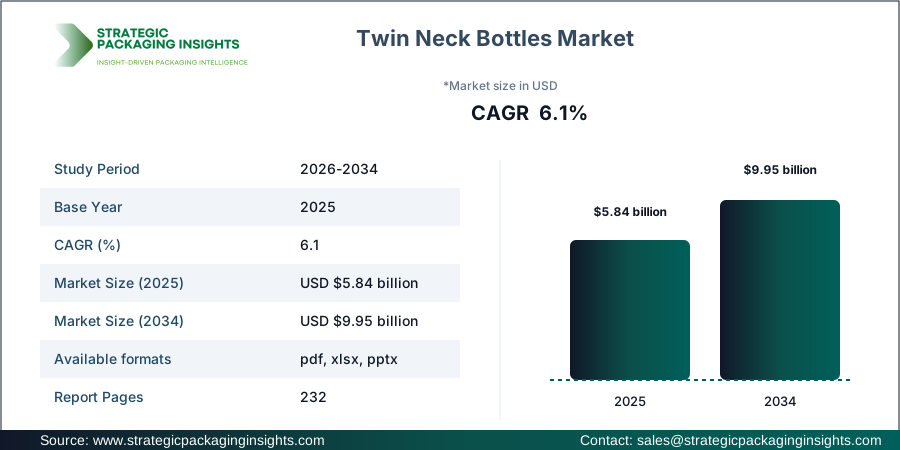
The Twin Neck Bottles market was valued at $5.84 billion in 2025 and is projected to reach $9.95 billion by 2034, growing at a CAGR of 6.1% during the forecast period 2026-2034. This market is witnessing significant growth due to the increasing demand for convenient and efficient packaging solutions across various industries. Twin neck bottles are particularly favored in sectors such as chemicals, fertilizers, and automotive fluids due to their dual-chamber design, which allows for precise dispensing and mixing of contents. The rising trend of sustainable packaging is also driving the adoption of twin neck bottles made from recyclable materials like HDPE and PET. Additionally, the growing e-commerce sector is boosting the demand for durable and spill-proof packaging solutions, further propelling the market growth.
However, the market faces challenges such as stringent regulatory requirements regarding the use of plastics and environmental concerns related to plastic waste. Despite these challenges, the market holds significant growth potential due to ongoing innovations in material science and design, which are expected to enhance the functionality and sustainability of twin neck bottles. The increasing focus on reducing carbon footprints and the development of biodegradable and eco-friendly packaging solutions are likely to create new opportunities for market players. Furthermore, the expansion of end-use industries in emerging economies presents lucrative growth prospects for the twin neck bottles market.
Report Scope
| Attributes | Details |
| Report Title | Twin Neck Bottles Market Size, Future Growth and Forecast 2034 |
| By Material Type | HDPE, PET, PP |
| By Application | Chemicals, Fertilizers, Detergents, Automotive Fluids |
| By Capacity | Below 500 ml, 500 ml–1 L, Above 1 L |
| By End Use | Agrochemicals, Home Care, Industrial, Automotive |
| Region | Asia Pacific, North America, Latin America, Europe, Middle East & Africa |
| Base Year | 2025 |
| Historic Period | 2018-2024 |
| Forecast Period | 2026-2034 |
| Number of Pages | 232 |
| Customization Available | Yes* |
Opportunities & Threats
The twin neck bottles market is poised for substantial growth, driven by several opportunities. One of the key opportunities lies in the increasing demand for sustainable packaging solutions. As consumers and industries become more environmentally conscious, there is a growing preference for packaging materials that are recyclable and have a lower environmental impact. This trend is encouraging manufacturers to innovate and develop twin neck bottles made from eco-friendly materials, such as biodegradable plastics and recycled polymers. Additionally, the rise of e-commerce and online retailing is creating a surge in demand for packaging solutions that are not only functional but also aesthetically appealing and capable of protecting products during transit.
Another significant opportunity for the twin neck bottles market is the expanding application scope across various industries. The versatility of twin neck bottles makes them suitable for a wide range of applications, including chemicals, fertilizers, detergents, and automotive fluids. This adaptability is driving their adoption in new and emerging markets, particularly in developing regions where industrialization and urbanization are on the rise. Moreover, advancements in manufacturing technologies are enabling the production of twin neck bottles with enhanced features, such as improved barrier properties and ergonomic designs, which are further boosting their demand.
Despite the promising opportunities, the twin neck bottles market faces certain threats that could hinder its growth. One of the primary threats is the increasing regulatory scrutiny on plastic packaging. Governments and regulatory bodies worldwide are implementing stringent regulations to curb plastic waste and promote the use of sustainable packaging alternatives. This regulatory pressure is compelling manufacturers to invest in research and development to create innovative solutions that comply with environmental standards. Additionally, the volatility in raw material prices, particularly for plastics, poses a challenge for manufacturers in maintaining cost-effectiveness while ensuring product quality.
Drivers & Challenges
The twin neck bottles market is driven by several key factors that are contributing to its growth. One of the primary drivers is the increasing demand for convenient and user-friendly packaging solutions. Twin neck bottles offer a unique design that allows for precise dispensing and mixing of contents, making them highly preferred in industries such as chemicals, fertilizers, and automotive fluids. The growing emphasis on reducing product wastage and enhancing user experience is further propelling the demand for twin neck bottles. Additionally, the rising trend of sustainable packaging is driving the adoption of twin neck bottles made from recyclable materials, aligning with the global shift towards eco-friendly packaging solutions.
Another significant driver for the twin neck bottles market is the rapid growth of the e-commerce sector. With the increasing popularity of online shopping, there is a heightened demand for packaging solutions that are not only functional but also capable of protecting products during transit. Twin neck bottles, with their durable and spill-proof design, are gaining traction in the e-commerce industry, contributing to market growth. Furthermore, the expansion of end-use industries, particularly in emerging economies, is creating new opportunities for market players to tap into untapped markets and expand their customer base.
Despite the positive drivers, the twin neck bottles market faces several challenges that could impede its growth. One of the major challenges is the stringent regulatory landscape surrounding plastic packaging. Governments and regulatory bodies are imposing strict regulations to reduce plastic waste and promote the use of sustainable packaging alternatives. This regulatory pressure is compelling manufacturers to invest in research and development to create innovative solutions that comply with environmental standards. Additionally, the volatility in raw material prices, particularly for plastics, poses a challenge for manufacturers in maintaining cost-effectiveness while ensuring product quality. These challenges necessitate continuous innovation and adaptation by market players to stay competitive in the evolving market landscape.
Market Share Analysis
The twin neck bottles market is characterized by a competitive landscape with several key players vying for market share. The market is dominated by a few major companies that hold significant shares due to their extensive product portfolios, strong distribution networks, and continuous focus on innovation. Berry Global, a leading player in the market, is known for its wide range of packaging solutions and commitment to sustainability. The company has been actively investing in research and development to introduce eco-friendly twin neck bottles that cater to the growing demand for sustainable packaging.
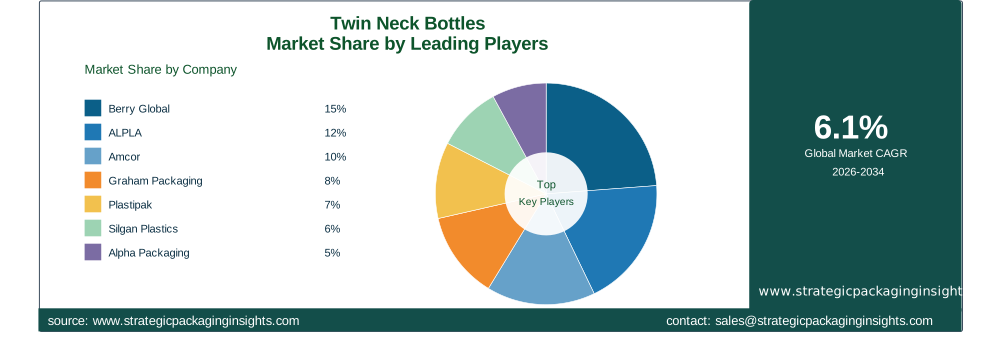
ALPLA, another prominent player, is recognized for its innovative packaging solutions and strong presence in the global market. The company has been focusing on expanding its product offerings and enhancing its production capabilities to meet the increasing demand for twin neck bottles. Amcor, a global leader in packaging, is also a key player in the twin neck bottles market. The company's extensive experience in the packaging industry and its focus on sustainability have enabled it to capture a significant share of the market.
Graham Packaging, Plastipak, and Silgan Plastics are other notable players in the market, each with their unique strengths and market strategies. Graham Packaging is known for its innovative designs and customer-centric approach, while Plastipak focuses on providing high-quality packaging solutions with a strong emphasis on sustainability. Silgan Plastics, with its extensive product portfolio and strong distribution network, has been able to maintain a competitive edge in the market.
Alpha Packaging, Comar, TricorBraun, and Mauser Packaging Solutions are also key players in the twin neck bottles market. Alpha Packaging is recognized for its focus on quality and customer satisfaction, while Comar is known for its innovative solutions and commitment to sustainability. TricorBraun, with its extensive industry experience and strong market presence, has been able to capture a significant share of the market. Mauser Packaging Solutions, with its focus on providing sustainable packaging solutions, is also a key player in the market.
Key Highlights
- The twin neck bottles market is projected to grow from $5.84 billion in 2025 to $9.95 billion by 2034, at a CAGR of 6.1%.
- Increasing demand for sustainable packaging solutions is driving market growth.
- The e-commerce sector is boosting the demand for durable and spill-proof packaging solutions.
- Stringent regulatory requirements on plastic packaging pose a challenge for market players.
- Advancements in manufacturing technologies are enhancing the functionality of twin neck bottles.
- The market is characterized by a competitive landscape with several key players.
- Emerging economies present lucrative growth opportunities for market players.
- Volatility in raw material prices poses a challenge for manufacturers.
- Continuous innovation and adaptation are necessary to stay competitive in the market.
Top Countries Insights
In the twin neck bottles market, the United States holds a significant share, driven by the strong presence of key market players and the high demand for innovative packaging solutions. The market in the U.S. is expected to grow at a CAGR of 5%, supported by the increasing adoption of sustainable packaging and the expansion of the e-commerce sector. Government initiatives promoting recycling and the use of eco-friendly materials are also contributing to market growth.
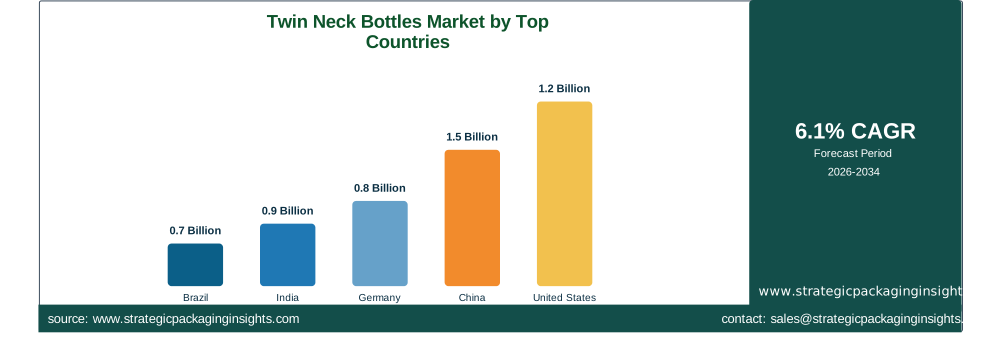
China is another major market for twin neck bottles, with a projected CAGR of 7%. The rapid industrialization and urbanization in the country are driving the demand for efficient packaging solutions across various industries. The government's focus on reducing plastic waste and promoting sustainable packaging is further boosting the market. Additionally, the growing e-commerce sector in China is creating new opportunities for market players.
Germany is a key market in Europe, with a CAGR of 4%. The country's strong manufacturing base and emphasis on sustainability are driving the demand for twin neck bottles. The presence of leading packaging companies and the increasing focus on reducing carbon footprints are contributing to market growth. The government's stringent regulations on plastic packaging are also encouraging the adoption of eco-friendly solutions.
India is witnessing significant growth in the twin neck bottles market, with a CAGR of 8%. The expanding middle-class population and increasing consumer awareness about sustainable packaging are driving the market. The government's initiatives to promote recycling and reduce plastic waste are further supporting market growth. The rise of the e-commerce sector in India is also creating new opportunities for market players.
Brazil is an emerging market for twin neck bottles, with a CAGR of 6%. The country's growing industrial sector and increasing demand for efficient packaging solutions are driving market growth. The government's focus on promoting sustainable packaging and reducing plastic waste is also contributing to the market's expansion. The presence of key market players and the increasing adoption of eco-friendly materials are further boosting the market.
Twin Neck Bottles Market Segments Insights

By Material Type Analysis
The twin neck bottles market is segmented by material type into HDPE, PET, and PP. HDPE is the most widely used material due to its excellent chemical resistance and durability, making it ideal for packaging chemicals and automotive fluids. The demand for HDPE twin neck bottles is driven by their recyclability and cost-effectiveness, aligning with the growing trend of sustainable packaging. PET is also gaining traction due to its transparency and lightweight properties, which enhance the aesthetic appeal of packaging. The increasing focus on reducing carbon footprints is encouraging the use of PET twin neck bottles, which are easily recyclable and have a lower environmental impact. PP, known for its high heat resistance and versatility, is used in applications requiring sterilization and high-temperature stability. The demand for PP twin neck bottles is expected to grow as industries seek packaging solutions that offer both functionality and sustainability.

By Application Analysis
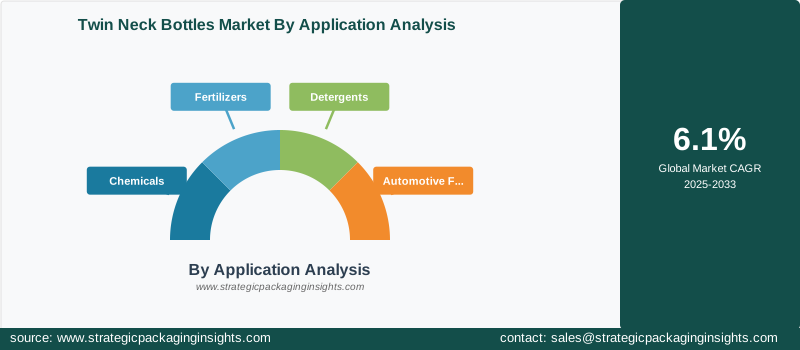
The application segment of the twin neck bottles market includes chemicals, fertilizers, detergents, and automotive fluids. The chemicals segment holds a significant share due to the need for precise dispensing and mixing of chemical solutions. Twin neck bottles are preferred in this segment for their ability to provide accurate measurements and reduce product wastage. The fertilizers segment is also witnessing growth as the agriculture industry seeks efficient packaging solutions that enhance product shelf life and reduce spillage. In the detergents segment, twin neck bottles are gaining popularity for their user-friendly design and ability to dispense the right amount of product, minimizing wastage. The automotive fluids segment is driven by the demand for packaging solutions that ensure safe storage and easy dispensing of fluids, such as engine oils and coolants.
By Capacity Analysis
The twin neck bottles market is segmented by capacity into below 500 ml, 500 ml-1 L, and above 1 L. The below 500 ml segment is popular for applications requiring small quantities of product, such as sample packaging and travel-sized products. The demand for these bottles is driven by the increasing trend of on-the-go consumption and the need for convenient packaging solutions. The 500 ml-1 L segment holds a significant share due to its versatility and suitability for a wide range of applications, including household and industrial products. The above 1 L segment is witnessing growth as industries seek larger packaging solutions for bulk storage and transportation of products. The demand for these bottles is driven by the need for cost-effective and efficient packaging solutions that reduce the frequency of refilling and enhance operational efficiency.

By End Use Analysis
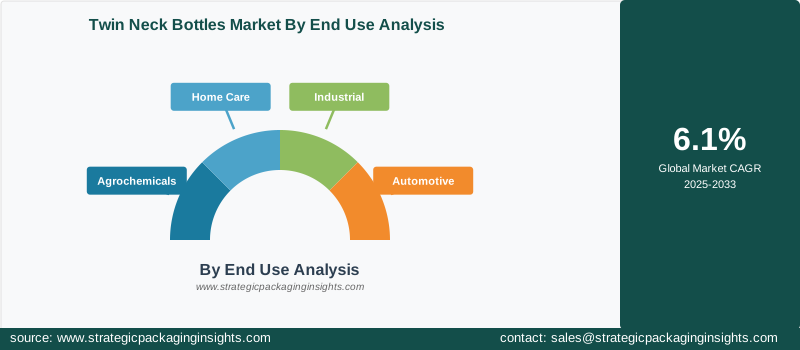
The end-use segment of the twin neck bottles market includes agrochemicals, home care, industrial, and automotive. The agrochemicals segment holds a significant share due to the need for precise dispensing and mixing of agricultural products. Twin neck bottles are preferred in this segment for their ability to provide accurate measurements and reduce product wastage. The home care segment is witnessing growth as consumers seek convenient and user-friendly packaging solutions for household products, such as cleaning agents and detergents. In the industrial segment, twin neck bottles are gaining popularity for their durability and ability to withstand harsh conditions, making them suitable for packaging industrial chemicals and fluids. The automotive segment is driven by the demand for packaging solutions that ensure safe storage and easy dispensing of automotive fluids, such as engine oils and coolants.
Twin Neck Bottles Market Segments
The Twin Neck Bottles market has been segmented on the basis ofBy Material Type
- HDPE
- PET
- PP
By Application
- Chemicals
- Fertilizers
- Detergents
- Automotive Fluids
By Capacity
- Below 500 ml
- 500 ml–1 L
- Above 1 L
By End Use
- Agrochemicals
- Home Care
- Industrial
- Automotive
Region
- Asia Pacific
- North America
- Latin America
- Europe
- Middle East & Africa




