


Tube Filling Machine Market Outlook
The Tube Filling Machine market was valued at $1.23 billion in 2025 and is projected to reach $2.01 billion by 2034, growing at a CAGR of 5.6% during the forecast period 2026-2034. This growth is driven by the increasing demand for efficient and automated packaging solutions across various industries such as cosmetics, pharmaceuticals, and food. The rise in consumer demand for personal care and healthcare products, coupled with advancements in packaging technology, is propelling the market forward. Additionally, the shift towards sustainable and eco-friendly packaging solutions is encouraging manufacturers to adopt advanced tube filling machines that offer precision and efficiency.
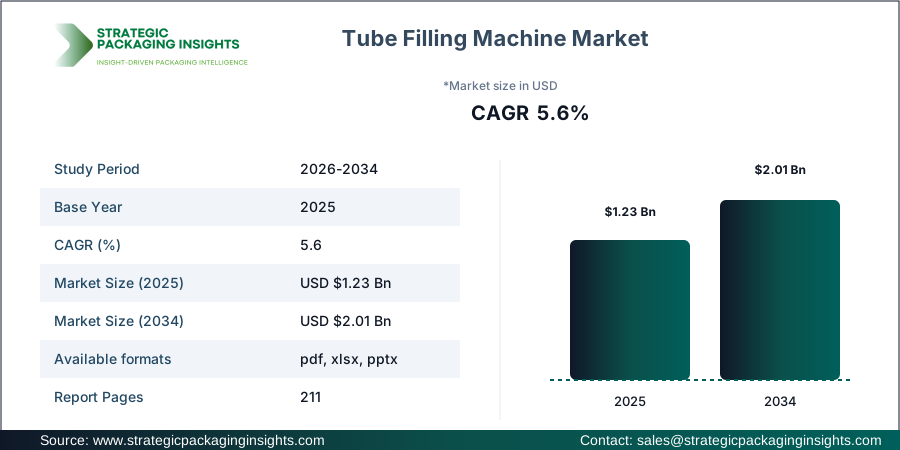
Report Scope
| Attributes | Details |
| Report Title | Tube Filling Machine Market Size, Future Growth and Forecast 2034 |
| Machine Type | Semi-Automatic, Automatic, High-Speed Tube Fillers |
| Tube Type | Plastic Tubes, Laminate Tubes, Aluminum Tubes |
| Application | Cosmetics, Pharmaceuticals, Oral Care, Adhesives, Food Pastes |
| End Use | FMCG, Pharma, Personal Care, Contract Packers |
| Region | Asia Pacific, North America, Latin America, Europe, Middle East & Africa |
| Base Year | 2025 |
| Historic Period | 2018-2024 |
| Forecast Period | 2026-2034 |
| Number of Pages | 211 |
| Customization Available | Yes* |
Opportunities & Threats
The Tube Filling Machine market presents significant opportunities, particularly in emerging economies where industrialization and urbanization are on the rise. The growing middle-class population in these regions is driving demand for consumer goods, thereby increasing the need for efficient packaging solutions. Moreover, the trend towards automation in manufacturing processes is creating a favorable environment for the adoption of advanced tube filling machines. Companies are investing in research and development to innovate and offer machines that cater to the specific needs of different industries, such as customizable filling options and enhanced speed and accuracy.
Another opportunity lies in the increasing focus on sustainability and eco-friendly packaging. As consumers become more environmentally conscious, there is a growing demand for packaging solutions that minimize waste and reduce carbon footprints. Tube filling machines that can handle biodegradable and recyclable materials are gaining traction in the market. This trend is encouraging manufacturers to develop machines that are not only efficient but also align with global sustainability goals, thereby opening new avenues for growth.
However, the market faces certain restraints, such as the high initial investment required for advanced tube filling machines. Small and medium-sized enterprises may find it challenging to invest in these machines due to budget constraints. Additionally, the complexity of operating and maintaining these machines requires skilled personnel, which can be a barrier for companies with limited resources. Furthermore, fluctuations in raw material prices and stringent regulatory requirements for packaging in certain industries can pose challenges to market growth.
Drivers & Challenges
The primary drivers of the Tube Filling Machine market include the increasing demand for automation and efficiency in packaging processes. As industries strive to enhance productivity and reduce operational costs, the adoption of automated tube filling machines is becoming essential. These machines offer high precision, speed, and flexibility, making them ideal for various applications such as cosmetics, pharmaceuticals, and food. Additionally, the growing trend of personalized and small-batch production is driving the demand for machines that can handle diverse product types and packaging sizes.
Technological advancements in tube filling machines are also a significant driver of market growth. Manufacturers are focusing on integrating advanced features such as touch-screen interfaces, real-time monitoring, and IoT connectivity to enhance machine performance and user experience. These innovations are enabling companies to optimize their production processes, reduce downtime, and improve product quality. Furthermore, the increasing emphasis on sustainability is driving the development of machines that can handle eco-friendly materials, thereby aligning with global environmental goals.
Despite these drivers, the market faces challenges such as the high cost of advanced tube filling machines and the need for skilled operators. The initial investment required for these machines can be a deterrent for small and medium-sized enterprises. Additionally, the complexity of operating and maintaining these machines necessitates skilled personnel, which can be a challenge for companies with limited resources. Moreover, regulatory compliance and quality standards in industries such as pharmaceuticals and food can pose challenges to market growth, as companies need to ensure their packaging processes meet stringent requirements.
Market Share Analysis
The Tube Filling Machine market is characterized by intense competition, with several key players dominating the landscape. Companies such as IMA Group, Norden Machinery, ProSys, Coesia, Syntegon, Marchesini Group, Romaco Group, Axomatic, Adelphi Group, and JDA Progress hold significant market shares. These companies are continuously investing in research and development to innovate and offer advanced tube filling solutions that cater to the evolving needs of various industries. The competitive landscape is marked by strategic collaborations, mergers, and acquisitions aimed at expanding product portfolios and enhancing market presence.
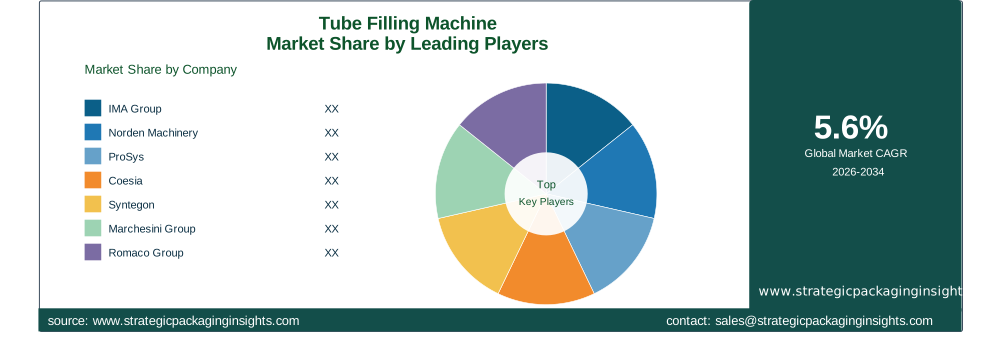
IMA Group is a leading player in the market, known for its innovative and high-performance tube filling machines. The company focuses on providing customized solutions that meet the specific requirements of different industries, such as pharmaceuticals and cosmetics. Norden Machinery, another key player, is renowned for its advanced technology and precision in tube filling solutions. The company emphasizes sustainability and offers machines that can handle eco-friendly materials, aligning with global environmental goals.
ProSys is a prominent player in the market, offering a wide range of tube filling machines that cater to various applications, including cosmetics, pharmaceuticals, and food. The company is committed to innovation and continuously invests in research and development to enhance machine performance and efficiency. Coesia, a global leader in industrial and packaging solutions, offers state-of-the-art tube filling machines that are known for their reliability and precision. The company's focus on automation and digitalization is driving its growth in the market.
Syntegon, Marchesini Group, and Romaco Group are also key players in the market, known for their advanced technology and comprehensive product offerings. These companies are focused on expanding their market presence through strategic partnerships and collaborations. Axomatic, Adelphi Group, and JDA Progress are other notable players in the market, offering a range of tube filling solutions that cater to the diverse needs of various industries. The competitive landscape is dynamic, with companies continuously striving to innovate and offer solutions that enhance efficiency and sustainability.
Key Highlights
- The Tube Filling Machine market is projected to grow at a CAGR of 5.6% from 2026 to 2034.
- Increasing demand for automated and efficient packaging solutions is driving market growth.
- Technological advancements in tube filling machines are enhancing performance and user experience.
- The shift towards sustainable and eco-friendly packaging is creating new growth opportunities.
- High initial investment and the need for skilled operators are key challenges in the market.
- Key players in the market include IMA Group, Norden Machinery, ProSys, and Coesia.
- Strategic collaborations and mergers are shaping the competitive landscape.
- Emerging economies present significant growth opportunities due to rising industrialization.
- Regulatory compliance and quality standards are critical factors influencing market dynamics.
Top Countries Insights
In the Tube Filling Machine market, the United States holds a significant share, driven by the robust demand for advanced packaging solutions in the pharmaceutical and personal care industries. The market size in the U.S. is substantial, with a CAGR of 5% expected over the forecast period. The presence of major manufacturers and the focus on automation and innovation are key growth drivers. However, regulatory compliance and quality standards pose challenges to market expansion.
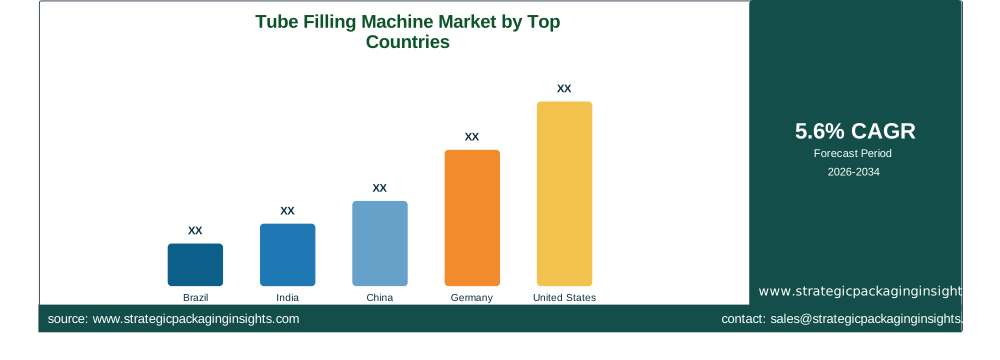
Germany is another key market, with a strong emphasis on technological advancements and sustainability. The market in Germany is expected to grow at a CAGR of 6%, driven by the demand for efficient and eco-friendly packaging solutions. The country's focus on innovation and quality is fostering the adoption of advanced tube filling machines. However, the high cost of these machines and the need for skilled operators are challenges that need to be addressed.
China is emerging as a significant market for tube filling machines, with a CAGR of 7% projected over the forecast period. The rapid industrialization and urbanization in the country are driving demand for efficient packaging solutions. The growing middle-class population and increasing consumer demand for personal care and healthcare products are key growth drivers. However, fluctuations in raw material prices and regulatory requirements pose challenges to market growth.
India is also witnessing significant growth in the Tube Filling Machine market, with a CAGR of 8% expected over the forecast period. The increasing demand for consumer goods and the focus on automation in manufacturing processes are driving market growth. The government's initiatives to promote industrialization and innovation are creating a favorable environment for market expansion. However, the high initial investment required for advanced machines is a challenge for small and medium-sized enterprises.
Brazil is another important market, with a CAGR of 6% projected over the forecast period. The demand for efficient and automated packaging solutions in the food and pharmaceutical industries is driving market growth. The focus on sustainability and eco-friendly packaging is also contributing to market expansion. However, economic fluctuations and regulatory compliance are challenges that need to be addressed to ensure sustained growth.
Tube Filling Machine Market Segments Insights

Machine Type Analysis
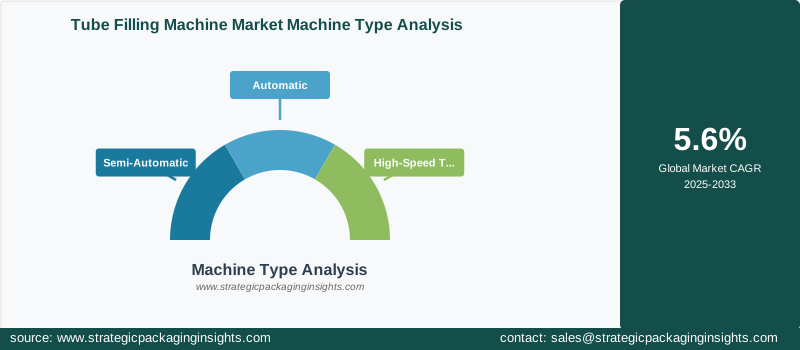
The Tube Filling Machine market is segmented by machine type into semi-automatic, automatic, and high-speed tube fillers. Semi-automatic machines are popular among small and medium-sized enterprises due to their cost-effectiveness and ease of operation. These machines are ideal for companies with limited production volumes and budget constraints. However, the demand for automatic and high-speed tube fillers is on the rise, driven by the need for efficiency and precision in packaging processes. Automatic machines offer high speed and accuracy, making them suitable for large-scale production in industries such as pharmaceuticals and cosmetics. High-speed tube fillers are gaining traction due to their ability to handle large volumes and diverse product types, catering to the growing demand for personalized and small-batch production.
Tube Type Analysis
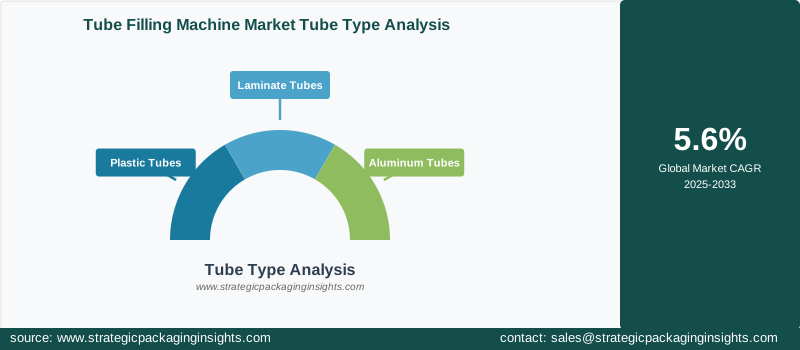
The market is also segmented by tube type into plastic tubes, laminate tubes, and aluminum tubes. Plastic tubes are widely used in the cosmetics and personal care industries due to their flexibility and cost-effectiveness. The demand for laminate tubes is increasing in the pharmaceutical and food industries, as they offer excellent barrier properties and protection against contamination. Aluminum tubes are preferred in industries where product stability and shelf life are critical, such as pharmaceuticals and adhesives. The trend towards sustainable packaging is driving the demand for eco-friendly tube materials, encouraging manufacturers to develop machines that can handle biodegradable and recyclable materials.
Application Analysis
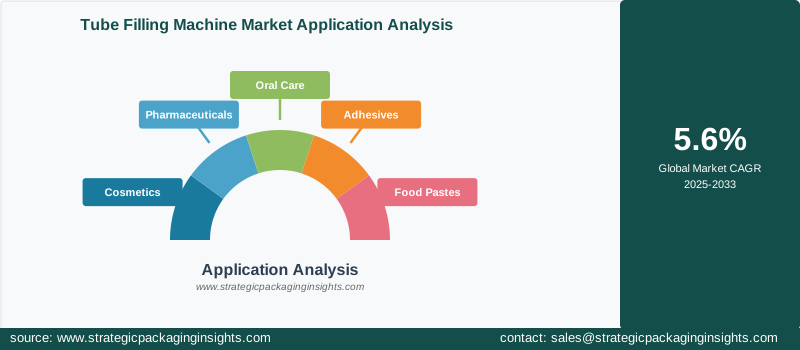
By application, the Tube Filling Machine market is segmented into cosmetics, pharmaceuticals, oral care, adhesives, and food pastes. The cosmetics industry is a major driver of market growth, with increasing consumer demand for personal care products driving the need for efficient packaging solutions. The pharmaceutical industry is also a significant contributor, with stringent regulatory requirements necessitating precise and reliable packaging processes. The oral care segment is witnessing growth due to the rising demand for dental hygiene products. The adhesives and food pastes segments are also experiencing growth, driven by the need for efficient and hygienic packaging solutions.
End Use Analysis
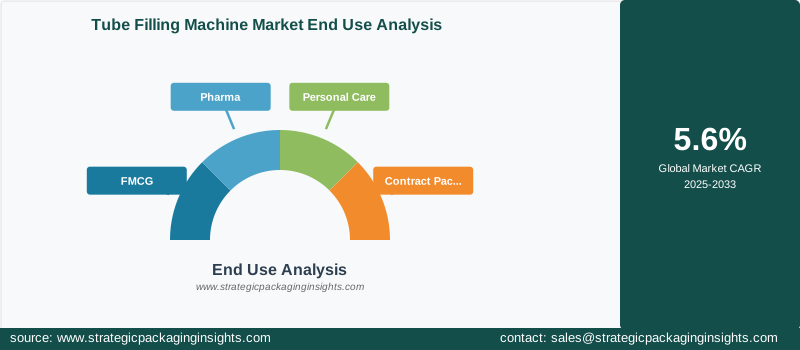
The market is further segmented by end use into FMCG, pharma, personal care, and contract packers. The FMCG sector is a major driver of market growth, with the increasing demand for consumer goods necessitating efficient packaging solutions. The pharmaceutical industry is also a significant contributor, with the need for precise and reliable packaging processes driving the demand for advanced tube filling machines. The personal care industry is witnessing growth due to the rising demand for cosmetics and personal care products. Contract packers are also a key segment, as they provide packaging solutions for various industries, driving the demand for versatile and efficient tube filling machines.
Tube Filling Machine Market Segments
The Tube Filling Machine market has been segmented on the basis ofMachine Type
- Semi-Automatic
- Automatic
- High-Speed Tube Fillers
Tube Type
- Plastic Tubes
- Laminate Tubes
- Aluminum Tubes
Application
- Cosmetics
- Pharmaceuticals
- Oral Care
- Adhesives
- Food Pastes
End Use
- FMCG
- Pharma
- Personal Care
- Contract Packers
Region
- Asia Pacific
- North America
- Latin America
- Europe
- Middle East & Africa




