


Trolley Bags Market Outlook
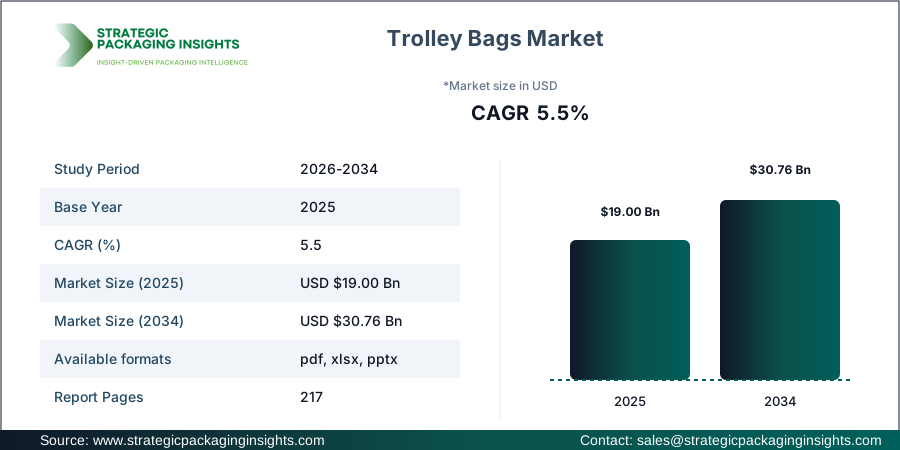
The trolley bags market was valued at $19.00 billion in 2025 and is projected to reach $30.76 billion by 2034, growing at a CAGR of 5.5% during the forecast period 2026-2034. This growth is driven by increasing travel and tourism activities worldwide, coupled with the rising demand for convenient and durable luggage solutions. The market is witnessing a shift towards lightweight and durable materials, such as polycarbonate and ABS, which are gaining popularity among consumers. Additionally, the growing trend of online shopping and the expansion of e-commerce platforms are further propelling the market growth, as consumers increasingly prefer the convenience of purchasing trolley bags online.
Despite the positive growth trajectory, the trolley bags market faces certain challenges that could hinder its expansion. One of the primary restraints is the fluctuating raw material prices, which can impact the overall production costs and, consequently, the pricing of trolley bags. Moreover, the market is highly competitive, with numerous players offering similar products, leading to price wars and reduced profit margins. However, the market holds significant growth potential, particularly in emerging economies where increasing disposable incomes and changing lifestyles are driving the demand for premium and branded trolley bags. Additionally, the growing focus on sustainability and eco-friendly products presents opportunities for manufacturers to innovate and cater to environmentally conscious consumers.
Report Scope
| Attributes | Details |
| Report Title | Trolley Bags Market Size, Future Growth and Forecast 2034 |
| Product Type | Soft Luggage, Hard Luggage, Cabin Trolley, Check-in Trolley |
| Material Type | Polycarbonate, ABS, Polyester, Nylon |
| Sales Channel | Retail, Online, Specialty Stores |
| End Use | Travelers, Business Users, Households |
| Region | Asia Pacific, North America, Latin America, Europe, Middle East & Africa |
| Base Year | 2025 |
| Historic Period | 2018-2024 |
| Forecast Period | 2026-2034 |
| Number of Pages | 217 |
| Customization Available | Yes* |
Opportunities & Threats
The trolley bags market presents numerous opportunities for growth, driven by the increasing trend of travel and tourism across the globe. As more people embark on leisure and business trips, the demand for convenient and durable luggage solutions is on the rise. This trend is particularly prominent in emerging economies, where rising disposable incomes and changing lifestyles are driving the demand for premium and branded trolley bags. Additionally, the growing popularity of online shopping and the expansion of e-commerce platforms provide a significant opportunity for market players to reach a wider consumer base and increase their sales. The convenience of purchasing trolley bags online, coupled with attractive discounts and offers, is further boosting the market growth.
Another opportunity lies in the growing focus on sustainability and eco-friendly products. Consumers are increasingly becoming environmentally conscious and are seeking products that align with their values. This presents an opportunity for manufacturers to innovate and develop trolley bags made from sustainable materials, such as recycled plastics and biodegradable fabrics. By catering to this demand, companies can differentiate themselves in the competitive market and attract a loyal customer base. Furthermore, advancements in technology, such as smart luggage with built-in GPS tracking and charging capabilities, offer additional opportunities for market players to enhance their product offerings and cater to tech-savvy consumers.
However, the trolley bags market also faces certain threats that could impact its growth. One of the primary threats is the fluctuating raw material prices, which can affect the overall production costs and, consequently, the pricing of trolley bags. This can lead to reduced profit margins for manufacturers and increased prices for consumers, potentially impacting the demand for trolley bags. Additionally, the market is highly competitive, with numerous players offering similar products, leading to price wars and intense competition. This can make it challenging for new entrants to establish themselves in the market and for existing players to maintain their market share.
Drivers & Challenges
The trolley bags market is primarily driven by the increasing trend of travel and tourism worldwide. As more people embark on leisure and business trips, the demand for convenient and durable luggage solutions is on the rise. This trend is particularly prominent in emerging economies, where rising disposable incomes and changing lifestyles are driving the demand for premium and branded trolley bags. Additionally, the growing popularity of online shopping and the expansion of e-commerce platforms provide a significant opportunity for market players to reach a wider consumer base and increase their sales. The convenience of purchasing trolley bags online, coupled with attractive discounts and offers, is further boosting the market growth.
Another key driver of the trolley bags market is the growing focus on sustainability and eco-friendly products. Consumers are increasingly becoming environmentally conscious and are seeking products that align with their values. This presents an opportunity for manufacturers to innovate and develop trolley bags made from sustainable materials, such as recycled plastics and biodegradable fabrics. By catering to this demand, companies can differentiate themselves in the competitive market and attract a loyal customer base. Furthermore, advancements in technology, such as smart luggage with built-in GPS tracking and charging capabilities, offer additional opportunities for market players to enhance their product offerings and cater to tech-savvy consumers.
Despite the positive growth trajectory, the trolley bags market faces certain challenges that could hinder its expansion. One of the primary challenges is the fluctuating raw material prices, which can impact the overall production costs and, consequently, the pricing of trolley bags. This can lead to reduced profit margins for manufacturers and increased prices for consumers, potentially impacting the demand for trolley bags. Additionally, the market is highly competitive, with numerous players offering similar products, leading to price wars and intense competition. This can make it challenging for new entrants to establish themselves in the market and for existing players to maintain their market share.
Market Share Analysis
The trolley bags market is characterized by intense competition, with several key players dominating the landscape. Companies such as Samsonite, VIP Industries, American Tourister, Delsey, and Tumi hold significant market shares, leveraging their strong brand presence and extensive distribution networks to maintain their competitive edge. These companies are continuously innovating and expanding their product portfolios to cater to the evolving consumer preferences and maintain their market positions. Additionally, the market is witnessing the entry of new players, further intensifying the competition and driving the need for differentiation and innovation among existing players.
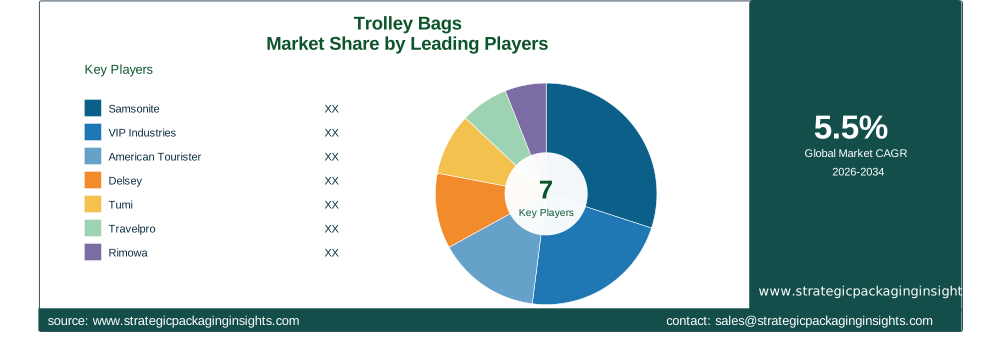
Samsonite is one of the leading players in the trolley bags market, known for its high-quality and durable luggage solutions. The company has a strong global presence and offers a wide range of products catering to different consumer segments. VIP Industries is another major player, particularly in the Indian market, where it holds a significant market share. The company is known for its affordable and stylish luggage solutions, catering to the needs of budget-conscious consumers. American Tourister, a subsidiary of Samsonite, is also a prominent player, offering a range of trendy and affordable trolley bags targeting young and fashion-conscious consumers.
Delsey, a French luggage brand, is known for its innovative and stylish designs, catering to the premium segment of the market. The company has a strong presence in Europe and is expanding its reach in other regions through strategic partnerships and collaborations. Tumi, a luxury luggage brand, is known for its high-end and sophisticated products, targeting affluent consumers who prioritize quality and style. The company has a strong presence in North America and is expanding its footprint in Asia and other emerging markets.
Other notable players in the trolley bags market include Travelpro, Rimowa, Briggs & Riley, Safari Industries, and Away. Travelpro is known for its durable and lightweight luggage solutions, catering primarily to frequent travelers and business users. Rimowa, a German luggage brand, is known for its premium and innovative products, particularly its aluminum and polycarbonate luggage. Briggs & Riley is known for its high-quality and durable luggage solutions, offering a lifetime warranty on its products. Safari Industries is a prominent player in the Indian market, offering affordable and stylish luggage solutions. Away, a direct-to-consumer luggage brand, is known for its trendy and functional products, targeting young and tech-savvy consumers.
Key Highlights
- The trolley bags market is projected to grow at a CAGR of 5.5% from 2026 to 2034.
- Increasing travel and tourism activities are driving the demand for trolley bags.
- Online sales channels are gaining popularity, offering convenience and attractive discounts.
- Consumers are increasingly seeking eco-friendly and sustainable luggage solutions.
- Technological advancements, such as smart luggage, are enhancing product offerings.
- Fluctuating raw material prices pose a challenge to market growth.
- The market is highly competitive, with key players focusing on innovation and differentiation.
- Emerging economies present significant growth opportunities for market players.
- Premium and branded trolley bags are gaining popularity among consumers.
- Companies are expanding their product portfolios to cater to diverse consumer preferences.
Top Countries Insights
In the trolley bags market, the United States holds a significant share, driven by the high demand for premium and branded luggage solutions. The market in the U.S. is characterized by a strong presence of key players, such as Samsonite and Tumi, who cater to the affluent consumer base. The country's robust travel and tourism industry, coupled with the increasing trend of business travel, further fuels the demand for trolley bags. The market is expected to grow at a CAGR of 4%, with technological advancements and the growing popularity of online shopping acting as key growth drivers.
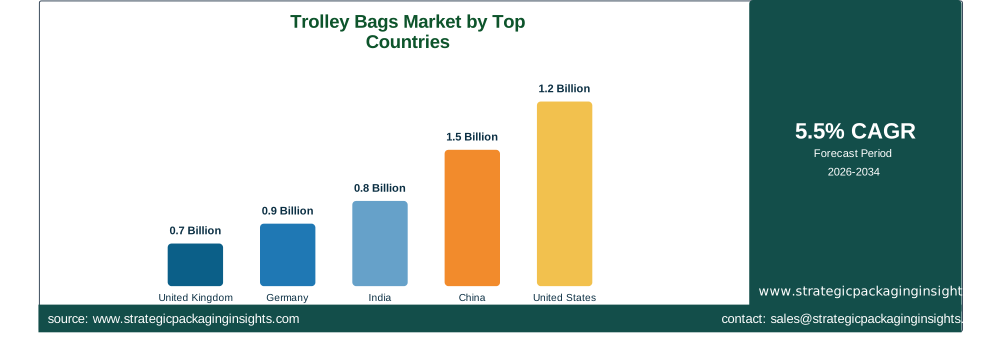
China is another major market for trolley bags, driven by the country's booming travel and tourism industry and rising disposable incomes. The market in China is characterized by a growing demand for affordable and stylish luggage solutions, with local players such as VIP Industries and Safari Industries gaining traction. The market is expected to grow at a CAGR of 7%, with the increasing trend of domestic and international travel acting as a key growth driver. Additionally, the growing focus on sustainability and eco-friendly products presents opportunities for market players to cater to environmentally conscious consumers.
India is witnessing significant growth in the trolley bags market, driven by the increasing trend of travel and tourism and rising disposable incomes. The market is characterized by a strong presence of local players, such as VIP Industries and Safari Industries, who cater to the budget-conscious consumer base. The market is expected to grow at a CAGR of 8%, with the growing popularity of online shopping and the expansion of e-commerce platforms acting as key growth drivers. Additionally, the increasing focus on premium and branded trolley bags presents opportunities for market players to cater to the evolving consumer preferences.
Germany is a prominent market for trolley bags in Europe, driven by the country's strong travel and tourism industry and high demand for premium and branded luggage solutions. The market is characterized by a strong presence of key players, such as Rimowa and Delsey, who cater to the affluent consumer base. The market is expected to grow at a CAGR of 5%, with technological advancements and the growing popularity of online shopping acting as key growth drivers. Additionally, the increasing focus on sustainability and eco-friendly products presents opportunities for market players to cater to environmentally conscious consumers.
The United Kingdom is another major market for trolley bags in Europe, driven by the country's robust travel and tourism industry and high demand for premium and branded luggage solutions. The market is characterized by a strong presence of key players, such as Samsonite and Tumi, who cater to the affluent consumer base. The market is expected to grow at a CAGR of 6%, with technological advancements and the growing popularity of online shopping acting as key growth drivers. Additionally, the increasing focus on sustainability and eco-friendly products presents opportunities for market players to cater to environmentally conscious consumers.
Trolley Bags Market Segments Insights

Product Type Analysis
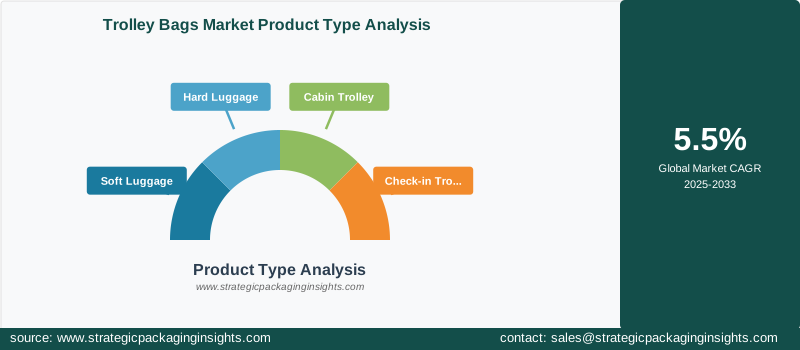
The trolley bags market is segmented by product type into soft luggage, hard luggage, cabin trolley, and check-in trolley. Soft luggage is gaining popularity due to its lightweight and flexible nature, making it a preferred choice for travelers who prioritize convenience and ease of handling. The demand for hard luggage is also on the rise, driven by its durability and ability to protect belongings during travel. Cabin trolleys are particularly popular among frequent travelers and business users, who prefer compact and easy-to-carry luggage solutions. Check-in trolleys, on the other hand, cater to travelers who require larger storage capacity for longer trips.
The market is witnessing a growing trend towards lightweight and durable materials, such as polycarbonate and ABS, which are increasingly being used in the production of trolley bags. These materials offer a perfect balance of strength and weight, making them ideal for both soft and hard luggage. Additionally, the growing focus on aesthetics and design is driving the demand for stylish and trendy trolley bags, with consumers increasingly seeking products that reflect their personal style and preferences. The market is also witnessing the introduction of innovative features, such as expandable compartments and built-in locks, which enhance the functionality and security of trolley bags.
Material Type Analysis
The trolley bags market is segmented by material type into polycarbonate, ABS, polyester, and nylon. Polycarbonate and ABS are gaining popularity due to their lightweight and durable nature, making them ideal for both soft and hard luggage. These materials offer excellent impact resistance and are capable of withstanding rough handling during travel, making them a preferred choice for frequent travelers and business users. Polyester and nylon, on the other hand, are commonly used in the production of soft luggage, offering flexibility and ease of handling.
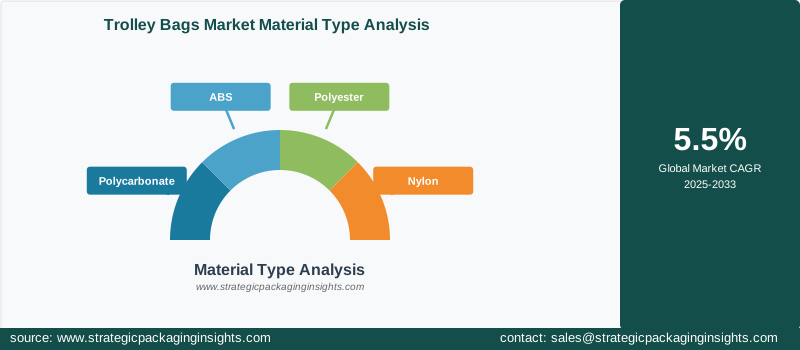
The market is witnessing a growing trend towards sustainable and eco-friendly materials, with consumers increasingly seeking products that align with their environmental values. This presents an opportunity for manufacturers to innovate and develop trolley bags made from recycled plastics and biodegradable fabrics, catering to the demand for sustainable luggage solutions. Additionally, the growing focus on aesthetics and design is driving the demand for stylish and trendy trolley bags, with consumers increasingly seeking products that reflect their personal style and preferences. The market is also witnessing the introduction of innovative features, such as water-resistant coatings and anti-theft zippers, which enhance the functionality and security of trolley bags.
Sales Channel Analysis
The trolley bags market is segmented by sales channel into retail, online, and specialty stores. Retail stores continue to be a significant sales channel, offering consumers the opportunity to physically examine and compare different products before making a purchase. However, the growing popularity of online shopping is reshaping the market dynamics, with consumers increasingly preferring the convenience of purchasing trolley bags online. E-commerce platforms offer a wide range of products, attractive discounts, and the convenience of home delivery, making them a preferred choice for many consumers.
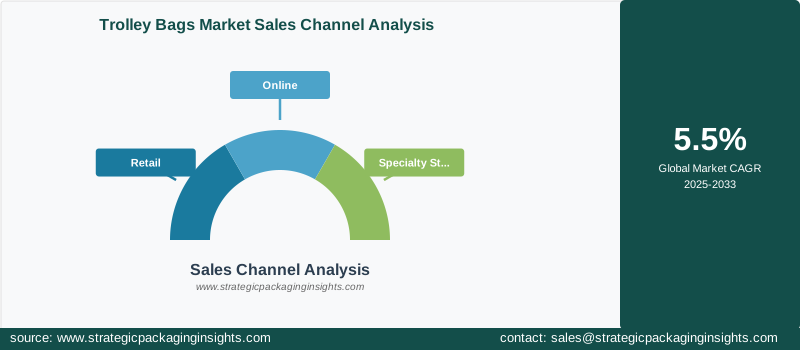
Specialty stores, which focus on luggage and travel accessories, also play a crucial role in the market, offering a curated selection of high-quality and premium products. These stores cater to consumers who prioritize quality and are willing to invest in branded and premium trolley bags. The market is witnessing a growing trend towards omnichannel retailing, with companies increasingly integrating their online and offline sales channels to provide a seamless shopping experience for consumers. This approach allows companies to reach a wider consumer base and enhance their brand visibility in the competitive market.
End Use Analysis
The trolley bags market is segmented by end use into travelers, business users, and households. Travelers represent the largest segment, driven by the increasing trend of leisure and business travel worldwide. The demand for convenient and durable luggage solutions is on the rise, with consumers increasingly seeking products that offer a perfect balance of functionality and style. Business users, on the other hand, prioritize compact and easy-to-carry luggage solutions, such as cabin trolleys, which cater to their frequent travel needs.
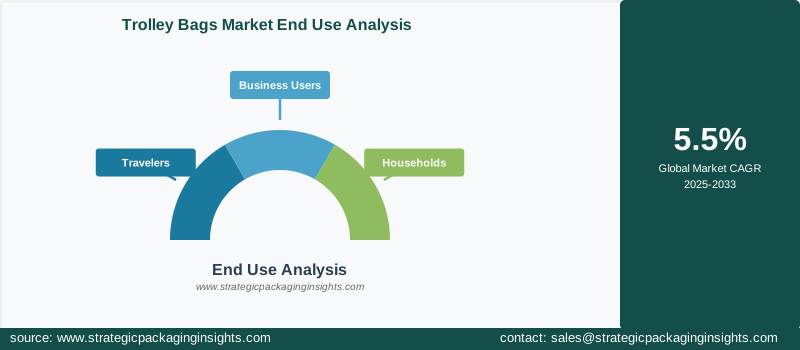
Households represent a growing segment, driven by the increasing trend of family vacations and domestic travel. The demand for larger storage capacity and durable luggage solutions is on the rise, with consumers increasingly seeking products that cater to the needs of the entire family. The market is witnessing a growing trend towards personalized and customizable trolley bags, with consumers increasingly seeking products that reflect their personal style and preferences. Additionally, the growing focus on sustainability and eco-friendly products presents opportunities for market players to cater to environmentally conscious consumers, who prioritize products made from sustainable materials.
Trolley Bags Market Segments
The Trolley Bags market has been segmented on the basis ofProduct Type
- Soft Luggage
- Hard Luggage
- Cabin Trolley
- Check-in Trolley
Material Type
- Polycarbonate
- ABS
- Polyester
- Nylon
Sales Channel
- Retail
- Online
- Specialty Stores
End Use
- Travelers
- Business Users
- Households
Region
- Asia Pacific
- North America
- Latin America
- Europe
- Middle East & Africa




