


Transport Packaging Market Outlook
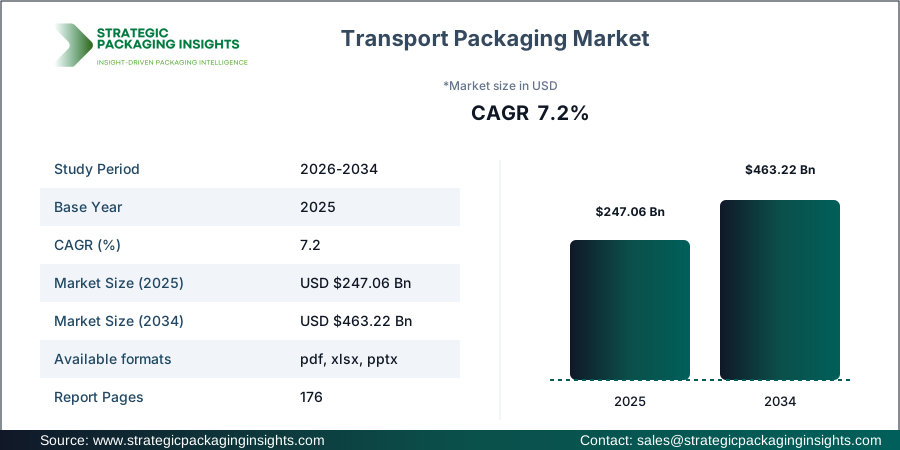
The Transport Packaging market size was valued at USD 247.06 billion in 2025 and is anticipated to reach USD 463.22 billion by 2034, growing at a CAGR of 7.2% during the forecast period according to Strategic Packaging Insights. This growth is driven by the increasing demand for efficient and sustainable packaging solutions across various industries, including logistics, manufacturing, and e-commerce. Companies like International Paper and WestRock are at the forefront of this expansion, leveraging innovative materials and designs to meet the evolving needs of global supply chains. The rise in e-commerce and the need for secure and reliable packaging solutions are further propelling the market forward, ensuring that transport packaging remains a critical component of modern logistics and distribution networks.
One of the most impactful drivers of the transport packaging market is the growing emphasis on sustainability and eco-friendly packaging solutions. According to industry reports, there is a significant shift towards using recyclable and biodegradable materials, driven by both consumer demand and regulatory pressures. Companies such as Smurfit Kappa and DS Smith are leading the charge by investing in sustainable packaging technologies and practices. This trend is supported by government initiatives aimed at reducing carbon footprints and promoting circular economies, which are encouraging businesses to adopt greener packaging solutions. As a result, the transport packaging market is poised for substantial growth, with sustainability serving as a key catalyst for innovation and competitive advantage.
Report Scope
| Attributes | Details |
| Report Title | Transport Packaging Market Size, Future Growth and Forecast 2034 |
| By Packaging Type | Boxes, Pallets, Crates, Dunnage |
| By Material Type | Corrugated Board, Plastic, Wood, Metal |
| By Application | Industrial Goods, Automotive, Electronics, Food & Beverage |
| By End Use | Logistics, Manufacturing, Retail, E-commerce |
| Region | Asia Pacific, North America, Latin America, Europe, Middle East & Africa |
| Base Year | 2025 |
| Historic Period | 2018-2024 |
| Forecast Period | 2026-2034 |
| Number of Pages | 176 |
| Customization Available | Yes* |
Sustainability & Circular Economy Analysis
Sustainability initiatives are reshaping the transport packaging market, with a strong focus on reducing environmental impact through the use of recyclable materials and eco-friendly designs. Companies are increasingly adopting lightweight packaging solutions to minimize material usage and transportation costs, aligning with consumer preferences for sustainable products. The integration of eco-friendly materials, such as biodegradable plastics and recycled corrugated boards, is becoming a standard practice, driven by both regulatory requirements and market demand. These efforts are not only reducing waste but also enhancing brand reputation and customer loyalty.
The circular economy is playing a pivotal role in transforming packaging design and manufacturing processes. By emphasizing reuse and recycling, companies are developing packaging solutions that can be easily disassembled and repurposed, thereby extending product life cycles and reducing landfill waste. Extended Producer Responsibility (EPR) regulations are further encouraging manufacturers to take accountability for the entire lifecycle of their products, prompting investments in sustainable packaging innovations. This shift towards a circular economy is fostering collaboration across the supply chain, from raw material suppliers to retailers, ensuring that sustainability is embedded at every stage of the packaging process.
As sustainability becomes a key competitive differentiator, companies are prioritizing ESG initiatives and carbon footprint reduction strategies. This focus is influencing investment decisions and supply chain strategies, as businesses seek to align with global sustainability goals. Packaging manufacturers are investing in advanced technologies and materials to meet stringent environmental standards, while also enhancing operational efficiency and cost-effectiveness. The emphasis on sustainability is not only driving innovation but also shaping regulatory compliance and long-term market competitiveness, positioning the transport packaging market for continued growth and transformation.
Packaging Value Chain & Supply Chain Analysis
The transport packaging value chain is a complex ecosystem involving multiple stakeholders, from raw material suppliers to end-users. Raw material sourcing is a critical component, with companies like International Paper and Mondi focusing on sustainable forestry practices to ensure a steady supply of eco-friendly materials. Packaging converters and manufacturers play a vital role in transforming these materials into functional packaging solutions, utilizing advanced machinery and technologies to enhance production capabilities and efficiency. Strategic partnerships and collaborations are essential for optimizing the value chain, enabling companies to leverage shared resources and expertise.
Supply chain efficiency is paramount in the transport packaging market, as it directly impacts cost, delivery times, and customer satisfaction. Logistics and distribution channels are integral to ensuring that packaging solutions reach their intended destinations promptly and securely. Companies are investing in robust inventory management systems and transportation networks to enhance supply chain resilience and adaptability. Localization strategies are also gaining traction, as businesses seek to mitigate risks associated with global sourcing and geopolitical uncertainties. By focusing on supply chain optimization, companies can improve market performance and maintain a competitive edge.
Recycling networks and waste management are becoming increasingly important in the packaging value chain, as sustainability and circular economy principles gain prominence. Companies are implementing closed-loop systems to recover and recycle packaging materials, reducing environmental impact and conserving resources. This approach not only aligns with regulatory requirements but also enhances brand image and customer trust. By integrating sustainability into the supply chain, companies can achieve long-term business success and contribute to a more sustainable future. The transport packaging market is poised for continued growth, driven by innovations in supply chain management and a commitment to environmental stewardship.
Opportunities & Threats
The transport packaging market presents numerous opportunities for growth and innovation, driven by the increasing demand for sustainable and efficient packaging solutions. The rise of e-commerce and the need for secure and reliable packaging are creating significant opportunities for companies to develop innovative products that meet the evolving needs of consumers and businesses. Companies like Nefab and Sonoco are capitalizing on these trends by offering customized packaging solutions that enhance product protection and reduce environmental impact. Additionally, advancements in technology, such as smart packaging and IoT integration, are opening new avenues for enhancing supply chain visibility and efficiency.
Another opportunity lies in the expansion of emerging markets, where rapid industrialization and urbanization are driving demand for transport packaging solutions. Companies can tap into these markets by offering cost-effective and sustainable packaging options that cater to local needs and preferences. The growing focus on sustainability and circular economy practices is also creating opportunities for companies to differentiate themselves by offering eco-friendly packaging solutions. By investing in sustainable materials and technologies, companies can enhance their competitive advantage and capture a larger share of the market.
However, the transport packaging market also faces several threats, including regulatory challenges and fluctuating raw material prices. Stringent environmental regulations and compliance requirements can pose significant challenges for companies, particularly those operating in multiple regions with varying standards. Additionally, the volatility of raw material prices can impact production costs and profitability, making it essential for companies to implement effective procurement strategies and risk management practices. By addressing these challenges, companies can mitigate risks and ensure long-term success in the transport packaging market.
Drivers & Challenges
The transport packaging market is driven by several key factors, including the growing demand for sustainable and efficient packaging solutions. The rise of e-commerce and the need for secure and reliable packaging are significant drivers, as companies seek to enhance product protection and reduce environmental impact. Additionally, advancements in technology, such as smart packaging and IoT integration, are driving innovation and enhancing supply chain visibility and efficiency. Companies like Greif and Menasha Packaging are leveraging these trends to develop innovative products that meet the evolving needs of consumers and businesses.
Another important driver is the increasing focus on sustainability and circular economy practices. Companies are investing in sustainable materials and technologies to reduce their environmental impact and enhance their competitive advantage. The growing emphasis on ESG initiatives and carbon footprint reduction is influencing investment decisions and supply chain strategies, as businesses seek to align with global sustainability goals. By prioritizing sustainability, companies can enhance their brand reputation and customer loyalty, driving long-term growth and success in the transport packaging market.
Despite these drivers, the transport packaging market faces several challenges, including regulatory compliance and fluctuating raw material prices. Stringent environmental regulations and compliance requirements can pose significant challenges for companies, particularly those operating in multiple regions with varying standards. Additionally, the volatility of raw material prices can impact production costs and profitability, making it essential for companies to implement effective procurement strategies and risk management practices. By addressing these challenges, companies can mitigate risks and ensure long-term success in the transport packaging market.
Market Share Analysis
The transport packaging market is characterized by a highly competitive landscape, with several key players dominating the industry. Companies like International Paper, WestRock, and Smurfit Kappa hold significant market shares, leveraging their extensive product portfolios and global presence to maintain a competitive edge. These companies are investing heavily in research and development to innovate and expand their product offerings, catering to the diverse needs of various industries. The focus on sustainability and eco-friendly packaging solutions is a common theme among these market leaders, as they seek to align with consumer preferences and regulatory requirements.
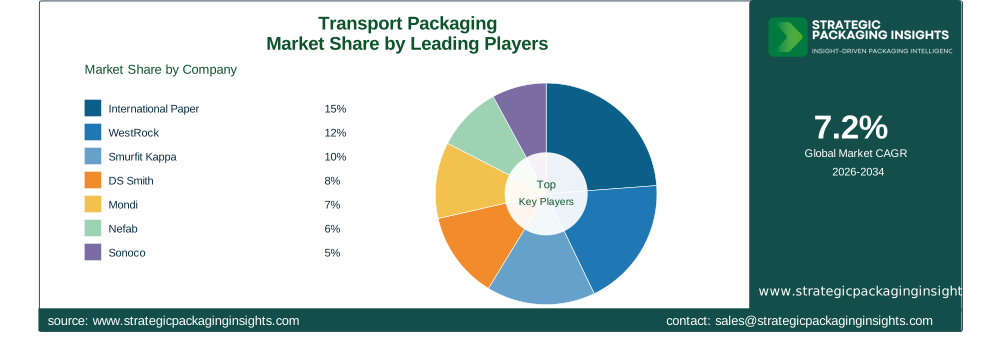
International Paper is a leading player in the transport packaging market, known for its commitment to sustainability and innovation. The company offers a wide range of packaging solutions, including corrugated boxes and containers, designed to meet the needs of various industries. With a strong focus on sustainable forestry practices and eco-friendly materials, International Paper is well-positioned to capitalize on the growing demand for sustainable packaging solutions. The company's global presence and extensive distribution network further enhance its competitive advantage.
WestRock is another major player in the transport packaging market, offering a comprehensive range of packaging solutions for various applications. The company's focus on innovation and sustainability has enabled it to develop cutting-edge products that meet the evolving needs of consumers and businesses. WestRock's commitment to reducing its environmental impact and enhancing supply chain efficiency has positioned it as a leader in the industry. The company's strategic partnerships and collaborations with key stakeholders further strengthen its market position.
Smurfit Kappa is a leading provider of sustainable packaging solutions, known for its innovative products and commitment to environmental stewardship. The company offers a wide range of packaging solutions, including corrugated boxes and containers, designed to meet the needs of various industries. Smurfit Kappa's focus on sustainability and circular economy practices has enabled it to differentiate itself in the competitive transport packaging market. The company's global presence and extensive distribution network further enhance its competitive advantage.
Key Highlights
- The transport packaging market is projected to grow from USD 247.06 billion in 2025 to USD 463.22 billion by 2034, driven by the increasing demand for sustainable and efficient packaging solutions.
- Asia Pacific is expected to witness the highest growth rate, driven by rapid industrialization and urbanization in emerging markets.
- Boxes and corrugated board are the leading segments in the transport packaging market, driven by their versatility and cost-effectiveness.
- The rise of e-commerce is creating significant opportunities for companies to develop innovative packaging solutions that enhance product protection and reduce environmental impact.
- Sustainability and circular economy practices are key drivers of innovation and competitiveness in the transport packaging market.
- Companies are investing in advanced technologies and materials to meet stringent environmental standards and enhance operational efficiency.
- Regulatory compliance and fluctuating raw material prices are significant challenges for companies operating in the transport packaging market.
Transport Packaging Market Segments Insights

By Packaging Type Analysis
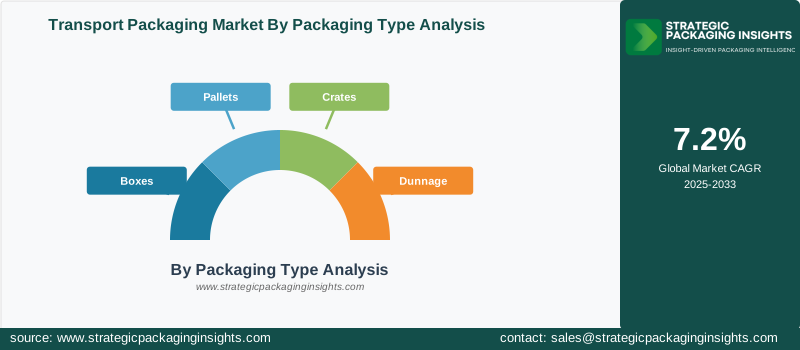
The transport packaging market is segmented by packaging type into boxes, pallets, crates, and dunnage. Boxes, particularly corrugated boxes, dominate the market due to their versatility, cost-effectiveness, and ability to provide excellent protection for a wide range of products. Companies like International Paper and Smurfit Kappa are leading the way in this segment, offering innovative box designs that cater to the specific needs of various industries. Pallets and crates are also significant segments, driven by their use in bulk transportation and storage applications. The demand for dunnage is increasing as companies seek to enhance product protection during transit, particularly in the automotive and electronics industries.
Innovation in packaging design and materials is a key trend in the by packaging type segment, with companies investing in advanced technologies to enhance product protection and reduce environmental impact. The rise of e-commerce is driving demand for customized packaging solutions that can withstand the rigors of transportation and handling. Companies are also focusing on developing lightweight and recyclable packaging options to meet sustainability goals and reduce transportation costs. The by packaging type segment is poised for continued growth, driven by the increasing demand for efficient and sustainable packaging solutions across various industries.
By Material Type Analysis
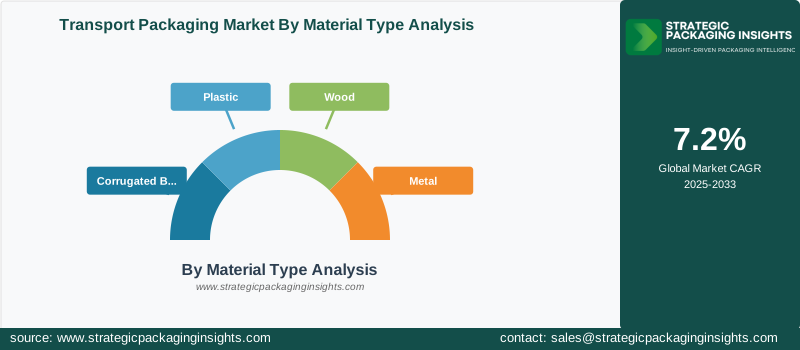
The transport packaging market is segmented by material type into corrugated board, plastic, wood, and metal. Corrugated board is the leading segment, driven by its versatility, cost-effectiveness, and recyclability. Companies like WestRock and DS Smith are investing in sustainable corrugated board solutions to meet the growing demand for eco-friendly packaging options. Plastic packaging is also a significant segment, driven by its durability and ability to provide excellent protection for a wide range of products. However, the environmental impact of plastic packaging is a growing concern, prompting companies to invest in biodegradable and recyclable plastic solutions.
Wood and metal packaging are important segments, particularly in the transportation of heavy and bulky goods. The demand for wood packaging is driven by its strength and ability to provide excellent protection for products during transit. Metal packaging is used in applications where durability and protection from external elements are critical. Companies are investing in sustainable materials and technologies to reduce the environmental impact of wood and metal packaging, aligning with global sustainability goals. The by material type segment is poised for continued growth, driven by the increasing demand for sustainable and efficient packaging solutions.
By Application Analysis
The transport packaging market is segmented by application into industrial goods, automotive, electronics, and food & beverage. The industrial goods segment is the largest, driven by the need for secure and reliable packaging solutions for a wide range of products. Companies like Greif and Menasha Packaging are leading the way in this segment, offering innovative packaging solutions that enhance product protection and reduce environmental impact. The automotive and electronics segments are also significant, driven by the need for customized packaging solutions that can withstand the rigors of transportation and handling.
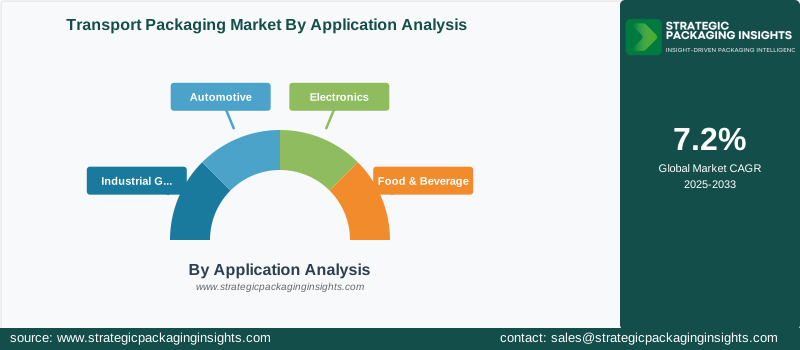
The food & beverage segment is experiencing significant growth, driven by the increasing demand for safe and hygienic packaging solutions. Companies are investing in advanced technologies and materials to meet stringent food safety standards and enhance product protection. The rise of e-commerce is also driving demand for innovative packaging solutions that enhance product protection and reduce environmental impact. The by application segment is poised for continued growth, driven by the increasing demand for efficient and sustainable packaging solutions across various industries.
By End Use Analysis
The transport packaging market is segmented by end use into logistics, manufacturing, retail, and e-commerce. The logistics segment is the largest, driven by the need for secure and reliable packaging solutions for a wide range of products. Companies like ORBIS and Sonoco are leading the way in this segment, offering innovative packaging solutions that enhance product protection and reduce environmental impact. The manufacturing and retail segments are also significant, driven by the need for customized packaging solutions that can withstand the rigors of transportation and handling.
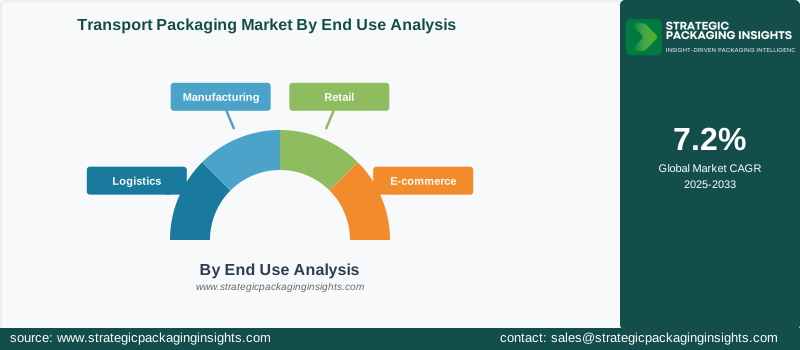
The e-commerce segment is experiencing significant growth, driven by the increasing demand for secure and reliable packaging solutions that enhance product protection and reduce environmental impact. Companies are investing in advanced technologies and materials to meet the evolving needs of consumers and businesses. The rise of e-commerce is creating significant opportunities for companies to develop innovative packaging solutions that enhance product protection and reduce environmental impact. The by end use segment is poised for continued growth, driven by the increasing demand for efficient and sustainable packaging solutions across various industries.
Transport Packaging Market Segments
The Transport Packaging market has been segmented on the basis ofBy Packaging Type
- Boxes
- Pallets
- Crates
- Dunnage
By Material Type
- Corrugated Board
- Plastic
- Wood
- Metal
By Application
- Industrial Goods
- Automotive
- Electronics
- Food & Beverage
By End Use
- Logistics
- Manufacturing
- Retail
- E-commerce
Region
- Asia Pacific
- North America
- Latin America
- Europe
- Middle East & Africa




