


Tobacco Packaging Market Outlook
The Tobacco Packaging market was valued at $21.45 billion in 2025 and is projected to reach $30.01 billion by 2034, growing at a CAGR of 3.8% during the forecast period 2026-2034. This market is driven by the increasing demand for innovative and sustainable packaging solutions that cater to the evolving preferences of consumers and regulatory requirements. The rise in global tobacco consumption, particularly in emerging markets, is further propelling the demand for effective packaging solutions. Additionally, the shift towards premium and differentiated tobacco products is encouraging manufacturers to invest in high-quality packaging that enhances product appeal and shelf life.
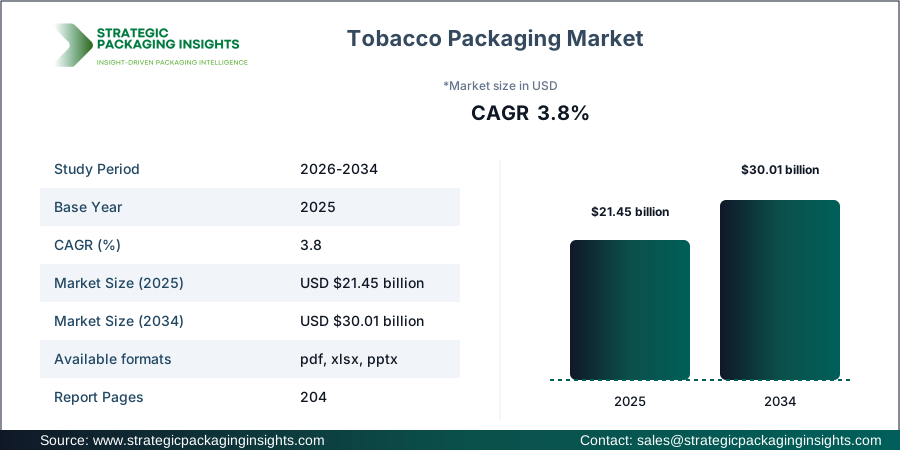
However, the market faces challenges due to stringent regulations and increasing health awareness among consumers, which are leading to a decline in tobacco consumption in certain regions. Despite these challenges, the market holds significant growth potential, driven by the introduction of eco-friendly packaging materials and the expansion of the tobacco industry in developing countries. The ongoing trend of adopting advanced packaging technologies to improve product safety and reduce environmental impact is expected to create new opportunities for market players.
Report Scope
| Attributes | Details |
| Report Title | Tobacco Packaging Market Size, Future Growth and Forecast 2034 |
| By Packaging Type | Cigarette Packs, Cartons, Pouches, Tins |
| By Material Type | Paperboard, Foil, Plastic, Metal |
| By Application | Cigarettes, Cigars, Smokeless Tobacco, Heated Tobacco |
| By End Use | Tobacco Brands, Contract Packers, Distributors |
| Region | Asia Pacific, North America, Latin America, Europe, Middle East & Africa |
| Base Year | 2025 |
| Historic Period | 2018-2024 |
| Forecast Period | 2026-2034 |
| Number of Pages | 204 |
| Customization Available | Yes* |
Opportunities & Threats
The Tobacco Packaging market presents numerous opportunities, particularly in the realm of sustainable and eco-friendly packaging solutions. As environmental concerns continue to rise, there is a growing demand for packaging materials that are biodegradable and recyclable. Companies that invest in developing such materials are likely to gain a competitive edge in the market. Additionally, the increasing popularity of premium tobacco products offers opportunities for packaging companies to create innovative designs that enhance product differentiation and appeal. The expansion of the tobacco industry in emerging markets, where regulatory constraints are less stringent, also presents significant growth opportunities for packaging manufacturers.
Another opportunity lies in the technological advancements in packaging solutions. The integration of smart packaging technologies, such as QR codes and NFC tags, can enhance consumer engagement and provide valuable insights into consumer behavior. These technologies can also help in ensuring product authenticity and safety, which are critical in the tobacco industry. Furthermore, the trend towards personalized packaging, driven by consumer demand for unique and customized products, offers additional avenues for growth in the tobacco packaging market.
On the other hand, the market faces threats from increasing regulatory pressures aimed at reducing tobacco consumption. Governments across the globe are implementing stringent regulations on tobacco packaging, such as plain packaging laws and graphic health warnings, which can limit the scope for creative packaging designs. Additionally, the growing health awareness among consumers is leading to a decline in tobacco consumption, particularly in developed regions, which could negatively impact the demand for tobacco packaging. The volatility in raw material prices and the impact of economic fluctuations on consumer spending are other potential threats to the market.
Drivers & Challenges
The primary drivers of the Tobacco Packaging market include the rising demand for innovative and sustainable packaging solutions. As consumers become more environmentally conscious, there is a growing preference for packaging materials that are eco-friendly and sustainable. This trend is encouraging manufacturers to invest in research and development to create packaging solutions that meet these demands. Additionally, the increasing consumption of tobacco products in emerging markets, driven by rising disposable incomes and changing lifestyles, is boosting the demand for effective packaging solutions that ensure product safety and quality.
Another significant driver is the shift towards premium and differentiated tobacco products. As consumers seek unique and high-quality products, there is a growing demand for packaging solutions that enhance product appeal and provide a premium experience. This trend is encouraging manufacturers to invest in high-quality materials and innovative designs that differentiate their products in the market. The expansion of the tobacco industry in developing countries, where regulatory constraints are less stringent, is also contributing to the growth of the tobacco packaging market.
However, the market faces several challenges, including stringent regulations and increasing health awareness among consumers. Governments across the globe are implementing strict regulations on tobacco packaging, such as plain packaging laws and graphic health warnings, which can limit the scope for creative packaging designs. Additionally, the growing health awareness among consumers is leading to a decline in tobacco consumption, particularly in developed regions, which could negatively impact the demand for tobacco packaging. The volatility in raw material prices and the impact of economic fluctuations on consumer spending are other potential challenges for the market.
Market Share Analysis
The competitive landscape of the Tobacco Packaging market is characterized by the presence of several key players who are actively engaged in developing innovative and sustainable packaging solutions. Companies such as Amcor, WestRock, Mondi, ITC Packaging, Siegwerk, Mayr-Melnhof Karton, Sonoco, Smurfit Kappa, Innovia Films, and Constantia Flexibles dominate the market, leveraging their extensive experience and expertise to maintain a competitive edge. These companies are focusing on expanding their product portfolios and enhancing their production capabilities to meet the growing demand for tobacco packaging solutions.
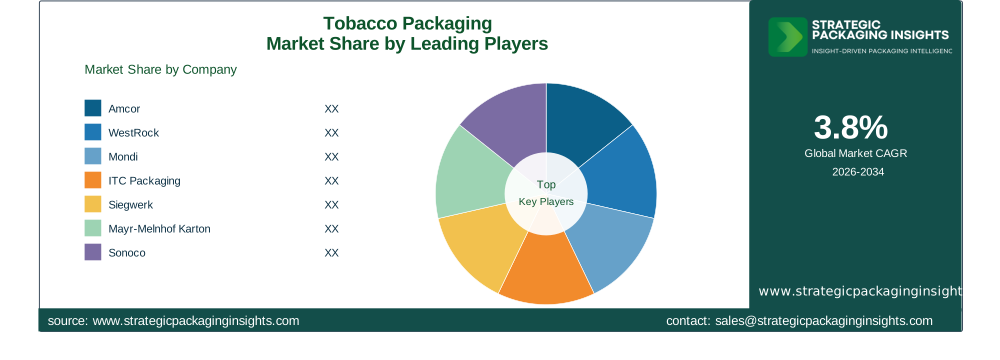
Amcor, a leading player in the market, holds a significant market share due to its strong focus on sustainability and innovation. The company offers a wide range of packaging solutions that cater to the diverse needs of the tobacco industry. WestRock, another major player, is known for its comprehensive portfolio of packaging solutions and its commitment to sustainability. The company has been actively investing in research and development to create eco-friendly packaging materials that meet the evolving demands of consumers and regulatory requirements.
Mondi, a global leader in packaging and paper, is also a key player in the tobacco packaging market. The company offers a wide range of innovative and sustainable packaging solutions that cater to the needs of the tobacco industry. ITC Packaging, a prominent player in the market, is known for its high-quality packaging solutions and its focus on sustainability. The company has been actively expanding its product portfolio and enhancing its production capabilities to meet the growing demand for tobacco packaging solutions.
Siegwerk, Mayr-Melnhof Karton, Sonoco, Smurfit Kappa, Innovia Films, and Constantia Flexibles are other major players in the market, each holding a significant market share. These companies are focusing on developing innovative and sustainable packaging solutions that cater to the evolving needs of the tobacco industry. They are also investing in research and development to create packaging materials that are eco-friendly and meet the stringent regulatory requirements of the industry.
Key Highlights
- The Tobacco Packaging market is projected to grow from $21.45 billion in 2025 to $30.01 billion by 2034, at a CAGR of 3.8%.
- Increasing demand for sustainable and eco-friendly packaging solutions is driving market growth.
- Technological advancements in packaging solutions, such as smart packaging, are enhancing consumer engagement.
- Stringent regulations and increasing health awareness are potential challenges for the market.
- Emerging markets offer significant growth opportunities for tobacco packaging manufacturers.
- Key players in the market include Amcor, WestRock, Mondi, ITC Packaging, and Siegwerk.
- The shift towards premium and differentiated tobacco products is boosting demand for high-quality packaging solutions.
Top Countries Insights
In the Tobacco Packaging market, the United States holds a significant market share, driven by the high consumption of tobacco products and the presence of major tobacco companies. The market in the U.S. is expected to grow at a steady pace, with a CAGR of 3%, as companies focus on developing innovative and sustainable packaging solutions to meet regulatory requirements and consumer preferences. The implementation of plain packaging laws and graphic health warnings poses challenges, but the demand for premium tobacco products offers growth opportunities.
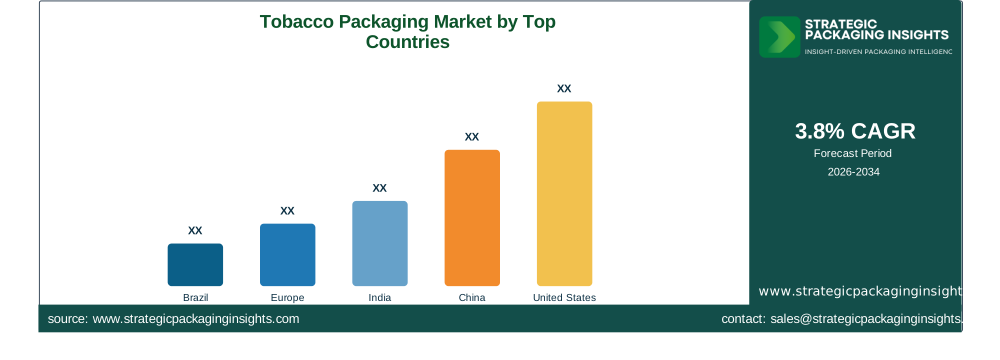
China, the largest tobacco market globally, presents significant growth opportunities for the tobacco packaging industry. The market is expected to grow at a CAGR of 5%, driven by the increasing consumption of tobacco products and the expansion of the tobacco industry. The government's focus on reducing tobacco consumption through regulatory measures poses challenges, but the demand for innovative and eco-friendly packaging solutions is expected to drive market growth.
India, another major market for tobacco packaging, is expected to grow at a CAGR of 6%, driven by the rising consumption of tobacco products and the expansion of the tobacco industry. The government's focus on reducing tobacco consumption through regulatory measures poses challenges, but the demand for innovative and eco-friendly packaging solutions is expected to drive market growth.
In Europe, the tobacco packaging market is expected to grow at a CAGR of 2%, driven by the increasing demand for premium tobacco products and the focus on sustainability. The implementation of stringent regulations on tobacco packaging poses challenges, but the demand for innovative and eco-friendly packaging solutions is expected to drive market growth.
In Brazil, the tobacco packaging market is expected to grow at a CAGR of 4%, driven by the increasing consumption of tobacco products and the expansion of the tobacco industry. The government's focus on reducing tobacco consumption through regulatory measures poses challenges, but the demand for innovative and eco-friendly packaging solutions is expected to drive market growth.
Tobacco Packaging Market Segments Insights

Packaging Type Analysis
The Tobacco Packaging market is segmented by packaging type into cigarette packs, cartons, pouches, and tins. Cigarette packs hold the largest market share due to their widespread use and convenience. The demand for innovative and sustainable cigarette packs is driving growth in this segment, as manufacturers focus on developing eco-friendly materials and designs that enhance product appeal. Cartons are also gaining popularity, particularly for premium tobacco products, as they offer enhanced protection and a premium look. Pouches and tins are niche segments, catering to specific consumer preferences and product types.
The trend towards premium and differentiated tobacco products is driving demand for high-quality packaging solutions in the cigarette packs and cartons segments. Manufacturers are investing in advanced printing technologies and materials to create packaging that enhances product differentiation and appeal. The demand for eco-friendly and sustainable packaging solutions is also driving growth in the pouches and tins segments, as consumers become more environmentally conscious. The expansion of the tobacco industry in emerging markets is expected to create new opportunities for growth in all packaging type segments.
Material Type Analysis
The Tobacco Packaging market is segmented by material type into paperboard, foil, plastic, and metal. Paperboard is the most widely used material, due to its versatility, cost-effectiveness, and sustainability. The demand for eco-friendly and recyclable packaging solutions is driving growth in the paperboard segment, as manufacturers focus on developing materials that meet regulatory requirements and consumer preferences. Foil is also gaining popularity, particularly for premium tobacco products, as it offers enhanced protection and a premium look.
Plastic and metal are niche segments, catering to specific consumer preferences and product types. The demand for innovative and sustainable packaging solutions is driving growth in the plastic and metal segments, as manufacturers focus on developing materials that enhance product appeal and differentiation. The trend towards premium and differentiated tobacco products is also driving demand for high-quality packaging solutions in the foil and metal segments. The expansion of the tobacco industry in emerging markets is expected to create new opportunities for growth in all material type segments.
Application Analysis
The Tobacco Packaging market is segmented by application into cigarettes, cigars, smokeless tobacco, and heated tobacco. Cigarettes hold the largest market share, due to their widespread consumption and the presence of major tobacco companies. The demand for innovative and sustainable packaging solutions is driving growth in the cigarettes segment, as manufacturers focus on developing materials and designs that meet regulatory requirements and consumer preferences. Cigars are also gaining popularity, particularly in premium markets, as consumers seek unique and high-quality products.
Smokeless tobacco and heated tobacco are niche segments, catering to specific consumer preferences and product types. The demand for innovative and sustainable packaging solutions is driving growth in the smokeless tobacco and heated tobacco segments, as manufacturers focus on developing materials and designs that enhance product appeal and differentiation. The trend towards premium and differentiated tobacco products is also driving demand for high-quality packaging solutions in the cigars and heated tobacco segments. The expansion of the tobacco industry in emerging markets is expected to create new opportunities for growth in all application segments.
End Use Analysis
The Tobacco Packaging market is segmented by end use into tobacco brands, contract packers, and distributors. Tobacco brands hold the largest market share, due to their focus on developing innovative and sustainable packaging solutions that enhance product appeal and differentiation. The demand for high-quality packaging solutions is driving growth in the tobacco brands segment, as manufacturers focus on developing materials and designs that meet regulatory requirements and consumer preferences.
Contract packers and distributors are niche segments, catering to specific consumer preferences and product types. The demand for innovative and sustainable packaging solutions is driving growth in the contract packers and distributors segments, as manufacturers focus on developing materials and designs that enhance product appeal and differentiation. The trend towards premium and differentiated tobacco products is also driving demand for high-quality packaging solutions in the contract packers and distributors segments. The expansion of the tobacco industry in emerging markets is expected to create new opportunities for growth in all end use segments.
Tobacco Packaging Market Segments
The Tobacco Packaging market has been segmented on the basis ofBy Packaging Type
- Cigarette Packs
- Cartons
- Pouches
- Tins
By Material Type
- Paperboard
- Foil
- Plastic
- Metal
By Application
- Cigarettes
- Cigars
- Smokeless Tobacco
- Heated Tobacco
By End Use
- Tobacco Brands
- Contract Packers
- Distributors
Region
- Asia Pacific
- North America
- Latin America
- Europe
- Middle East & Africa




