


Tinted Flexible Packaging Market Outlook
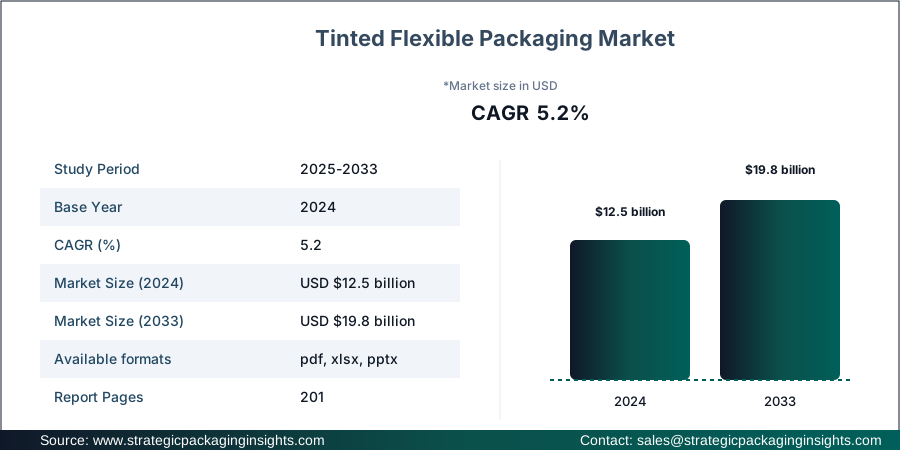
The tinted flexible packaging market was valued at $12.5 billion in 2024 and is projected to reach $19.8 billion by 2033, growing at a CAGR of 5.2% during the forecast period 2025-2033. This market is witnessing significant growth due to the increasing demand for aesthetically appealing packaging solutions that enhance product visibility and consumer appeal. The rise in consumer preference for packaged goods, coupled with the growing trend of sustainable and eco-friendly packaging, is driving the market forward. Additionally, advancements in packaging technologies and materials are enabling manufacturers to offer innovative solutions that cater to the diverse needs of end-users across various industries.
Despite the promising growth prospects, the tinted flexible packaging market faces certain challenges that could hinder its expansion. Regulatory constraints related to packaging materials, particularly plastics, are a significant concern for manufacturers. The increasing focus on reducing plastic waste and promoting recycling is pushing companies to explore alternative materials and sustainable practices. However, the high cost of eco-friendly materials and the complexity of recycling processes pose challenges to market growth. Nevertheless, the market holds immense potential for growth, driven by the increasing demand for customized and visually appealing packaging solutions that enhance brand recognition and consumer engagement.
Report Scope
| Attributes | Details |
| Report Title | Tinted Flexible Packaging Market Size, Future Growth and Forecast 2033 |
| Material | Plastic, Paper, Aluminum Foil |
| Application | Food & Beverage, Healthcare, Personal Care, Industrial |
| End-User | Retail, Institutional, Industrial |
| Region | Asia Pacific, North America, Latin America, Europe, Middle East & Africa |
| Base Year | 2024 |
| Historic Period | 2017-2023 |
| Forecast Period | 2025-2033 |
| Number of Pages | 201 |
| Customization Available | Yes* |
Opportunities & Threats
The tinted flexible packaging market presents numerous opportunities for growth, primarily driven by the increasing demand for sustainable and eco-friendly packaging solutions. As consumers become more environmentally conscious, there is a growing preference for packaging materials that are recyclable and biodegradable. This trend is encouraging manufacturers to invest in research and development to create innovative packaging solutions that meet these demands. Additionally, the rise of e-commerce and online retailing is boosting the demand for flexible packaging, as it offers lightweight, durable, and cost-effective solutions for shipping and handling products. The ability to customize packaging designs and colors to enhance brand visibility and consumer appeal further adds to the market's growth potential.
Another significant opportunity lies in the expanding food and beverage industry, which is a major consumer of tinted flexible packaging. The increasing demand for packaged food products, driven by changing consumer lifestyles and preferences, is fueling the need for innovative packaging solutions that ensure product safety and extend shelf life. Moreover, the growing trend of convenience foods and ready-to-eat meals is creating a demand for packaging that is not only functional but also visually appealing. This presents a lucrative opportunity for manufacturers to develop packaging solutions that cater to the evolving needs of the food and beverage industry.
However, the tinted flexible packaging market also faces certain threats that could impact its growth trajectory. One of the primary challenges is the stringent regulatory environment surrounding packaging materials, particularly plastics. Governments and regulatory bodies worldwide are implementing policies to reduce plastic waste and promote recycling, which could pose challenges for manufacturers relying heavily on plastic materials. Additionally, the high cost of eco-friendly materials and the complexity of recycling processes could hinder the adoption of sustainable packaging solutions. Despite these challenges, the market is expected to grow, driven by the increasing demand for innovative and visually appealing packaging solutions.
Market Share Analysis
The competitive landscape of the tinted flexible packaging market is characterized by the presence of several key players who are actively engaged in product innovation and strategic partnerships to strengthen their market position. The market is highly fragmented, with numerous small and medium-sized enterprises competing alongside established players. This competitive environment is driving companies to focus on research and development to create innovative packaging solutions that cater to the diverse needs of end-users across various industries. Additionally, companies are investing in expanding their production capacities and enhancing their distribution networks to reach a wider customer base.
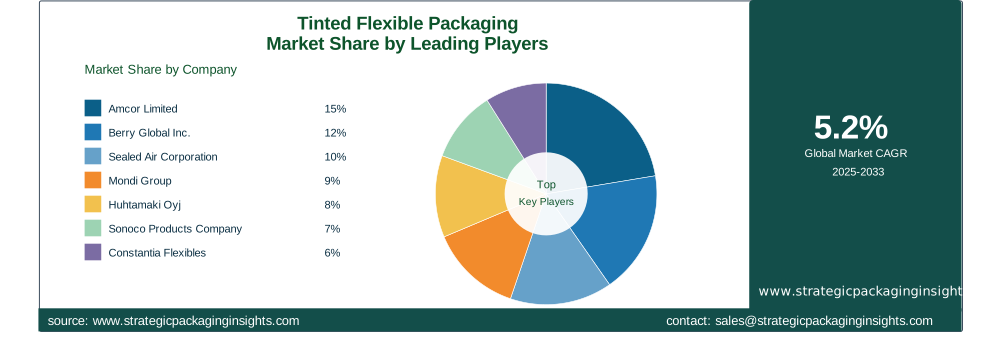
Among the major players in the tinted flexible packaging market, Amcor Limited holds a significant market share, owing to its extensive product portfolio and strong global presence. The company is known for its innovative packaging solutions that cater to the needs of various industries, including food and beverage, healthcare, and personal care. Another key player, Berry Global Inc., is recognized for its focus on sustainability and eco-friendly packaging solutions. The company has made significant investments in research and development to create packaging materials that are recyclable and biodegradable, aligning with the growing demand for sustainable packaging solutions.
Sealed Air Corporation is another prominent player in the market, known for its innovative packaging solutions that enhance product safety and extend shelf life. The company's focus on research and development has enabled it to create packaging solutions that cater to the evolving needs of the food and beverage industry. Mondi Group, with its strong focus on sustainability and innovation, is also a key player in the market. The company offers a wide range of packaging solutions that cater to the needs of various industries, including food and beverage, healthcare, and personal care.
Other notable players in the tinted flexible packaging market include Huhtamaki Oyj, Sonoco Products Company, and Constantia Flexibles. These companies are actively engaged in product innovation and strategic partnerships to strengthen their market position. The competitive landscape of the market is expected to remain dynamic, with companies focusing on research and development to create innovative packaging solutions that cater to the evolving needs of end-users across various industries.
Key Highlights
- The tinted flexible packaging market is projected to grow at a CAGR of 5.2% from 2025 to 2033.
- Increasing demand for sustainable and eco-friendly packaging solutions is driving market growth.
- The food and beverage industry is a major consumer of tinted flexible packaging.
- Regulatory constraints related to packaging materials pose challenges to market growth.
- Advancements in packaging technologies are enabling manufacturers to offer innovative solutions.
- The rise of e-commerce and online retailing is boosting the demand for flexible packaging.
- Customization of packaging designs and colors enhances brand visibility and consumer appeal.
Top Countries Insights
In the tinted flexible packaging market, the United States holds a significant market share, with a market size of $3.5 billion and a CAGR of 4%. The country's strong demand for packaged goods, coupled with advancements in packaging technologies, is driving market growth. Additionally, the increasing focus on sustainable packaging solutions is encouraging manufacturers to invest in research and development to create innovative products.
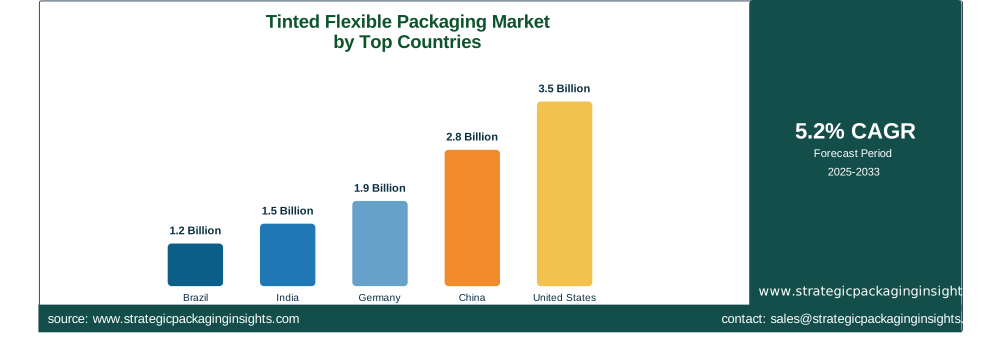
China is another major player in the market, with a market size of $2.8 billion and a CAGR of 6%. The country's growing food and beverage industry, along with the rise of e-commerce, is fueling the demand for flexible packaging solutions. Moreover, government initiatives to promote sustainable packaging practices are encouraging manufacturers to explore eco-friendly materials and technologies.
Germany, with a market size of $1.9 billion and a CAGR of 5%, is a key market for tinted flexible packaging in Europe. The country's strong focus on sustainability and recycling is driving the demand for eco-friendly packaging solutions. Additionally, the presence of major packaging companies and advancements in packaging technologies are contributing to market growth.
India, with a market size of $1.5 billion and a CAGR of 7%, is experiencing significant growth in the tinted flexible packaging market. The country's expanding food and beverage industry, along with the increasing demand for packaged goods, is driving market growth. Moreover, government initiatives to promote sustainable packaging practices are encouraging manufacturers to invest in eco-friendly materials and technologies.
Brazil, with a market size of $1.2 billion and a CAGR of 5%, is a key market for tinted flexible packaging in Latin America. The country's growing food and beverage industry, along with the rise of e-commerce, is fueling the demand for flexible packaging solutions. Additionally, government initiatives to promote sustainable packaging practices are encouraging manufacturers to explore eco-friendly materials and technologies.
Evolving Market Dynamics (2018-2024) and Strategic Foresight (2025-2033)
| Metrics | 2018-2024 | 2025-2033 |
|---|---|---|
| CAGR | 4.5% | 5.2% |
| Market Size Evolution | $10 billion to $12.5 billion | $12.5 billion to $19.8 billion |
| Segment Distribution Shifts | Food & Beverage Dominance | Increased Healthcare & Personal Care |
| Regional Contribution Changes | North America & Europe Lead | Asia Pacific Growth Surge |
| Technological Impact Factors | Basic Flexibility & Durability | Advanced Sustainability & Customization |
| Client Demand Transformations | Standard Packaging Needs | Customized & Eco-Friendly Solutions |
Tinted Flexible Packaging Market Segments Insights

Material Analysis
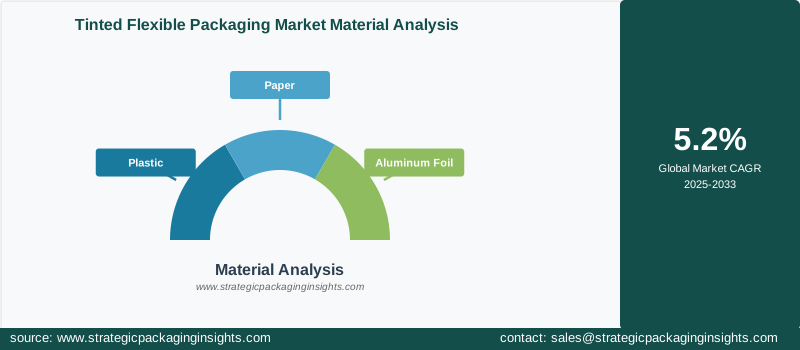
The material segment of the tinted flexible packaging market is primarily dominated by plastic, which is widely used due to its flexibility, durability, and cost-effectiveness. However, the increasing focus on sustainability and environmental concerns is driving the demand for alternative materials such as paper and aluminum foil. Paper-based packaging is gaining popularity due to its recyclability and biodegradability, making it an attractive option for environmentally conscious consumers. Aluminum foil, on the other hand, offers excellent barrier properties, making it ideal for packaging perishable goods and extending shelf life. The competition among these materials is intensifying as manufacturers strive to offer innovative solutions that cater to the diverse needs of end-users.
In recent years, there has been a significant shift towards the use of eco-friendly materials in the tinted flexible packaging market. Manufacturers are investing in research and development to create sustainable packaging solutions that align with the growing demand for environmentally friendly products. This trend is expected to continue, with companies exploring new materials and technologies to enhance the sustainability of their packaging solutions. The increasing consumer preference for recyclable and biodegradable packaging is driving the demand for paper and aluminum foil, while the development of bio-based plastics is also gaining traction in the market.
Application Analysis
The application segment of the tinted flexible packaging market is dominated by the food and beverage industry, which accounts for a significant share of the market. The increasing demand for packaged food products, driven by changing consumer lifestyles and preferences, is fueling the need for innovative packaging solutions that ensure product safety and extend shelf life. The rise of convenience foods and ready-to-eat meals is also contributing to the growth of this segment, as consumers seek packaging that is not only functional but also visually appealing.
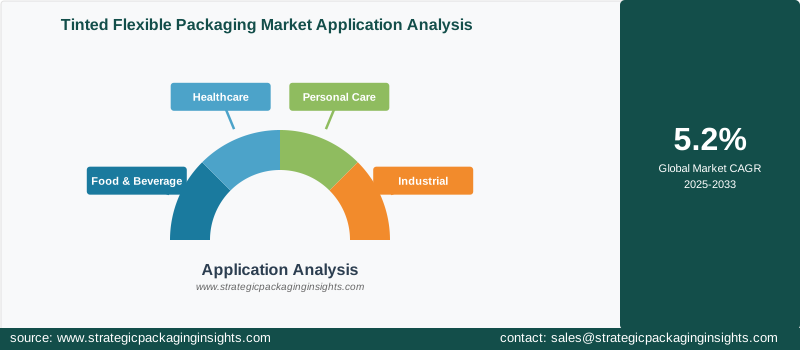
In addition to the food and beverage industry, the healthcare and personal care sectors are also significant consumers of tinted flexible packaging. The growing demand for pharmaceutical products and personal care items is driving the need for packaging solutions that offer protection and enhance product visibility. The ability to customize packaging designs and colors to enhance brand recognition and consumer appeal is further boosting the demand for tinted flexible packaging in these industries. As the demand for innovative and visually appealing packaging solutions continues to grow, manufacturers are focusing on developing packaging solutions that cater to the evolving needs of these industries.
End-User Analysis
The end-user segment of the tinted flexible packaging market is primarily driven by the retail sector, which accounts for a significant share of the market. The increasing demand for packaged goods, driven by changing consumer lifestyles and preferences, is fueling the need for innovative packaging solutions that enhance product visibility and consumer appeal. The rise of e-commerce and online retailing is also contributing to the growth of this segment, as flexible packaging offers lightweight, durable, and cost-effective solutions for shipping and handling products.
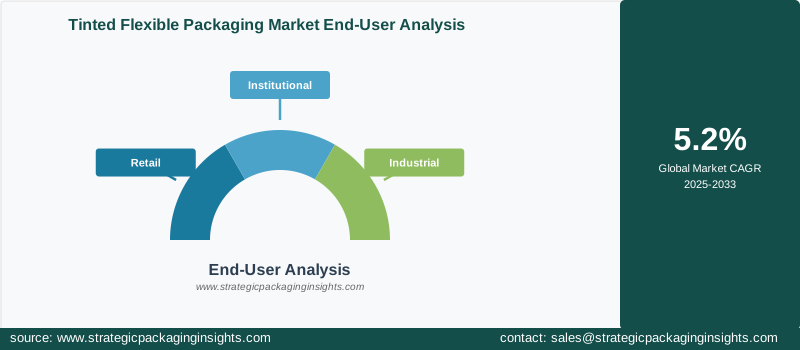
In addition to the retail sector, the institutional and industrial sectors are also significant consumers of tinted flexible packaging. The growing demand for packaging solutions that offer protection and enhance product visibility is driving the need for innovative packaging solutions in these sectors. The ability to customize packaging designs and colors to enhance brand recognition and consumer appeal is further boosting the demand for tinted flexible packaging in these industries. As the demand for innovative and visually appealing packaging solutions continues to grow, manufacturers are focusing on developing packaging solutions that cater to the evolving needs of these industries.
Regional Analysis
The regional analysis of the tinted flexible packaging market reveals significant growth opportunities across various regions. North America and Europe currently lead the market, driven by the strong demand for packaged goods and advancements in packaging technologies. However, the Asia Pacific region is expected to witness the highest growth rate during the forecast period, driven by the expanding food and beverage industry and the rise of e-commerce. The increasing focus on sustainable packaging solutions is also encouraging manufacturers to invest in research and development to create innovative products that cater to the diverse needs of consumers in this region.
In Latin America and the Middle East & Africa, the tinted flexible packaging market is also experiencing growth, driven by the increasing demand for packaged goods and the rise of e-commerce. The growing focus on sustainability and recycling is encouraging manufacturers to explore eco-friendly materials and technologies, further boosting the demand for tinted flexible packaging in these regions. As the demand for innovative and visually appealing packaging solutions continues to grow, manufacturers are focusing on developing packaging solutions that cater to the evolving needs of consumers across various regions.
Tinted Flexible Packaging Market Segments
The Tinted Flexible Packaging market has been segmented on the basis ofMaterial
- Plastic
- Paper
- Aluminum Foil
Application
- Food & Beverage
- Healthcare
- Personal Care
- Industrial
End-User
- Retail
- Institutional
- Industrial
Region
- Asia Pacific
- North America
- Latin America
- Europe
- Middle East & Africa




