


Tin Container Market Outlook
The tin container market was valued at $624.80 million in 2025 and is projected to reach $855.75 million by 2034, growing at a CAGR of 3.6% during the forecast period 2026-2034. This growth is driven by the increasing demand for sustainable and recyclable packaging solutions, as tin containers are known for their durability and eco-friendliness. The market is also benefiting from the rising consumer preference for aesthetically pleasing packaging, which is boosting the demand for decorative and specialty tins. Additionally, the food and beverage industry, a major end-user of tin containers, is expanding globally, further propelling market growth. The versatility of tin containers in preserving the quality and extending the shelf life of products is another significant factor contributing to their growing adoption across various sectors.
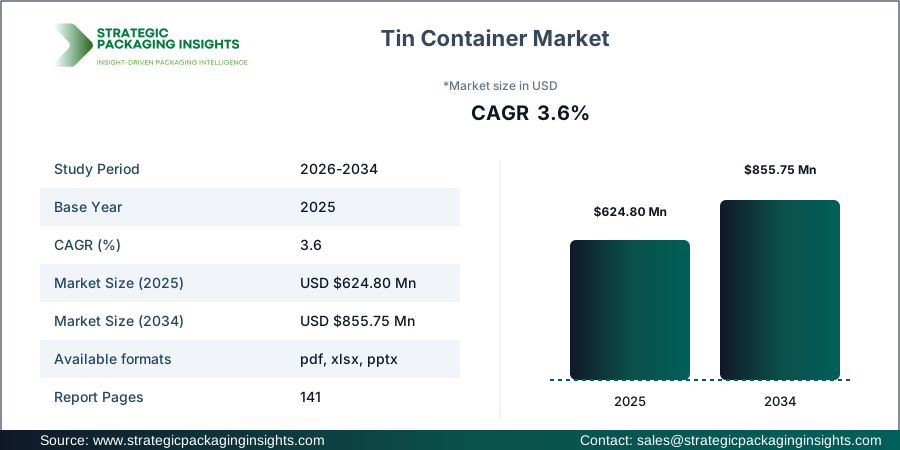
Despite the promising growth prospects, the tin container market faces certain challenges. Regulatory restrictions on the use of certain materials and the high cost of raw materials can pose significant restraints. However, advancements in manufacturing technologies and the development of cost-effective production methods are expected to mitigate these challenges. The market also holds potential for growth through innovations in design and functionality, catering to the evolving needs of consumers and industries. As companies focus on enhancing their product offerings and expanding their geographical presence, the tin container market is poised for steady growth in the coming years.
Report Scope
| Attributes | Details |
| Report Title | Tin Container Market Size, Future Growth and Forecast 2034 |
| Product Type | Food Tins, Decorative Tins, Aerosol Tins, Specialty Tins |
| Material Type | Tinplate, Steel, Aluminum |
| Application | Food, Tea, Confectionery, Chemicals |
| End Use | Food Brands, Retailers, Industrial, Gifting |
| Region | Asia Pacific, North America, Latin America, Europe, Middle East & Africa |
| Base Year | 2025 |
| Historic Period | 2018-2024 |
| Forecast Period | 2026-2034 |
| Number of Pages | 141 |
| Customization Available | Yes* |
Opportunities & Threats
The tin container market presents numerous opportunities for growth, primarily driven by the increasing demand for sustainable packaging solutions. As environmental concerns continue to rise, consumers and businesses are seeking eco-friendly alternatives to traditional packaging materials. Tin containers, being recyclable and reusable, are gaining traction as a preferred choice for packaging across various industries. This shift towards sustainability is creating significant opportunities for manufacturers to innovate and expand their product offerings, catering to the growing demand for green packaging solutions. Additionally, the rise of e-commerce and online retailing is further boosting the demand for durable and protective packaging, providing a lucrative opportunity for the tin container market.
Another opportunity lies in the expanding food and beverage industry, which is a major consumer of tin containers. With the increasing consumption of packaged and processed foods, the demand for reliable and safe packaging solutions is on the rise. Tin containers, known for their ability to preserve the quality and extend the shelf life of food products, are witnessing increased adoption in this sector. Moreover, the growing trend of premium and luxury packaging, particularly in the confectionery and beverage segments, is driving the demand for decorative and specialty tins. Manufacturers can capitalize on these trends by offering innovative and aesthetically appealing packaging solutions that cater to the evolving preferences of consumers.
However, the tin container market also faces certain threats that could hinder its growth. One of the primary challenges is the volatility in raw material prices, which can impact the overall production costs and profitability of manufacturers. Additionally, the stringent regulations regarding the use of certain materials in packaging can pose compliance challenges for companies operating in this market. The competition from alternative packaging materials, such as plastics and glass, also poses a threat to the growth of the tin container market. To overcome these challenges, manufacturers need to focus on cost optimization, regulatory compliance, and product differentiation to maintain their competitive edge in the market.
Drivers & Challenges
The tin container market is driven by several key factors, including the growing demand for sustainable and eco-friendly packaging solutions. As consumers become more environmentally conscious, there is a rising preference for packaging materials that are recyclable and have a lower environmental impact. Tin containers, being made from recyclable materials, are gaining popularity as a sustainable packaging option. This trend is further supported by government regulations and initiatives promoting the use of eco-friendly packaging solutions, driving the demand for tin containers across various industries. Additionally, the versatility and durability of tin containers make them an ideal choice for packaging a wide range of products, from food and beverages to chemicals and industrial goods.
Another significant driver of the tin container market is the increasing demand for aesthetically pleasing and premium packaging solutions. With the rise of consumerism and the growing importance of packaging in influencing purchasing decisions, manufacturers are focusing on offering innovative and visually appealing packaging solutions. Decorative and specialty tins are gaining traction in the market, particularly in the food, confectionery, and beverage segments, where packaging plays a crucial role in brand differentiation and consumer engagement. The ability of tin containers to preserve the quality and extend the shelf life of products is also a key factor driving their adoption in the food and beverage industry.
Despite the positive growth drivers, the tin container market faces several challenges that could impact its growth trajectory. One of the primary challenges is the high cost of raw materials, which can affect the overall production costs and profitability of manufacturers. Additionally, the competition from alternative packaging materials, such as plastics and glass, poses a significant challenge to the growth of the tin container market. These materials are often perceived as more cost-effective and versatile, making them a preferred choice for certain applications. To overcome these challenges, manufacturers need to focus on cost optimization, product innovation, and enhancing the functionality and appeal of tin containers to maintain their competitive edge in the market.
Market Share Analysis
The tin container market is characterized by a competitive landscape with several key players vying for market share. Companies such as Crown Holdings, Ball Corporation, Silgan Holdings, and Ardagh Group are among the leading players in the market, known for their extensive product portfolios and strong distribution networks. These companies have a significant presence in the global market and are continuously investing in research and development to enhance their product offerings and maintain their competitive edge. The market is also witnessing the entry of new players, particularly in emerging economies, where the demand for tin containers is on the rise.
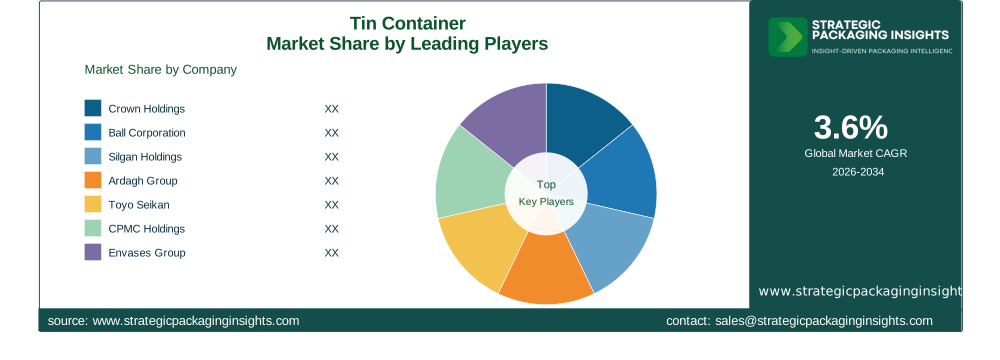
Crown Holdings is a prominent player in the tin container market, known for its innovative packaging solutions and strong focus on sustainability. The company offers a wide range of tin containers for various applications, including food, beverage, and industrial packaging. Ball Corporation is another key player, recognized for its expertise in metal packaging and commitment to environmental sustainability. The company has a strong presence in the global market and is continuously expanding its product offerings to cater to the evolving needs of consumers and industries.
Silgan Holdings is a leading provider of metal packaging solutions, including tin containers, for the food and beverage industry. The company is known for its focus on innovation and quality, offering a diverse range of packaging solutions to meet the specific requirements of its customers. Ardagh Group is another major player in the market, offering a comprehensive range of tin containers for various applications. The company is committed to sustainability and is continuously investing in research and development to enhance its product offerings and reduce its environmental impact.
Other notable players in the tin container market include Toyo Seikan, CPMC Holdings, Envases Group, Nampak, Independent Can, and Massilly Group. These companies are known for their strong market presence and focus on innovation and sustainability. They are continuously expanding their product portfolios and geographical presence to capitalize on the growing demand for tin containers across various industries. The competitive landscape of the tin container market is expected to remain dynamic, with companies focusing on product differentiation, cost optimization, and strategic partnerships to maintain their market position.
Key Highlights
- The tin container market is projected to grow from $624.80 million in 2025 to $855.75 million by 2034, at a CAGR of 3.6%.
- Increasing demand for sustainable and eco-friendly packaging solutions is driving market growth.
- Decorative and specialty tins are gaining popularity in the food, confectionery, and beverage segments.
- Key players in the market include Crown Holdings, Ball Corporation, Silgan Holdings, and Ardagh Group.
- Advancements in manufacturing technologies are expected to reduce production costs and enhance product offerings.
- The food and beverage industry is a major consumer of tin containers, driving demand in the market.
- Regulatory restrictions and high raw material costs pose challenges to market growth.
- Emerging economies present significant growth opportunities for market players.
- Product innovation and differentiation are key strategies for maintaining competitive advantage.
- The market is witnessing increased adoption of tin containers in the e-commerce and online retail sectors.
Top Countries Insights
In the tin container market, the United States stands out as a key player, with a market size of approximately $150 million and a CAGR of 4%. The country's robust food and beverage industry, coupled with a strong focus on sustainable packaging solutions, drives the demand for tin containers. Government regulations promoting eco-friendly packaging further bolster market growth. However, the high cost of raw materials remains a challenge for manufacturers in the region.
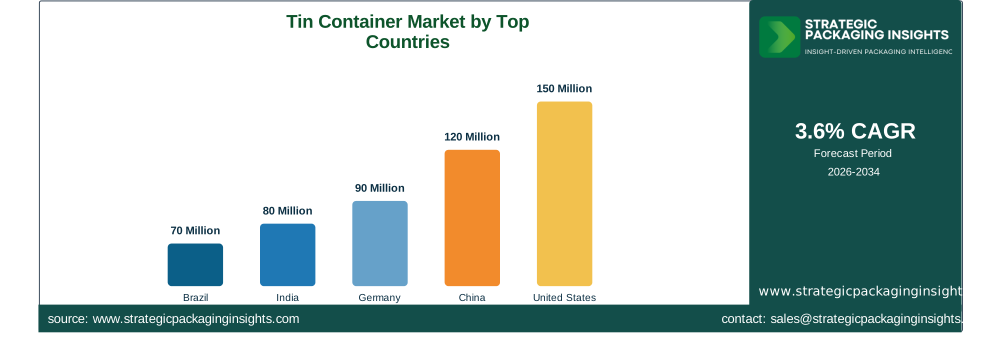
China, with its rapidly growing economy and expanding consumer base, is another significant market for tin containers, valued at around $120 million with a CAGR of 5%. The country's booming e-commerce sector and increasing demand for packaged food products are key growth drivers. Additionally, government initiatives supporting sustainable packaging solutions are expected to boost market growth. However, competition from alternative packaging materials poses a challenge to the market.
Germany, with a market size of approximately $90 million and a CAGR of 3%, is a leading market for tin containers in Europe. The country's strong focus on sustainability and innovation in packaging solutions drives the demand for tin containers. The presence of major players in the region further supports market growth. However, stringent regulations regarding the use of certain materials in packaging can pose compliance challenges for manufacturers.
India, with its growing middle-class population and increasing consumer spending, presents significant growth opportunities for the tin container market. The market is valued at around $80 million with a CAGR of 6%. The country's expanding food and beverage industry and rising demand for premium packaging solutions are key growth drivers. However, the lack of awareness about sustainable packaging solutions among consumers poses a challenge to market growth.
Brazil, with a market size of approximately $70 million and a CAGR of 4%, is a key market for tin containers in Latin America. The country's growing food and beverage industry and increasing demand for durable and protective packaging solutions drive market growth. However, economic instability and fluctuations in raw material prices pose challenges to the market. Government initiatives promoting sustainable packaging solutions are expected to support market growth in the region.
Tin Container Market Segments Insights

Product Type Analysis
The tin container market is segmented by product type into food tins, decorative tins, aerosol tins, and specialty tins. Food tins hold a significant share of the market, driven by the increasing demand for packaged and processed food products. The ability of tin containers to preserve the quality and extend the shelf life of food products makes them a preferred choice for packaging in the food industry. Decorative tins are gaining popularity in the confectionery and beverage segments, where packaging plays a crucial role in brand differentiation and consumer engagement. The growing trend of premium and luxury packaging is further boosting the demand for decorative and specialty tins.
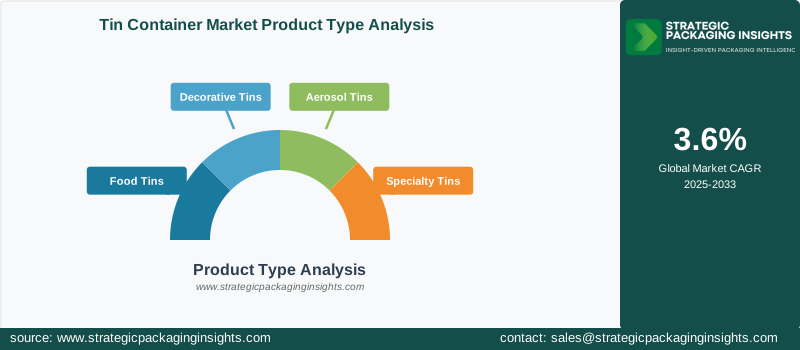
Aerosol tins are widely used in the personal care and household products segments, where they offer convenience and ease of use. The demand for aerosol tins is driven by the increasing consumption of personal care products and household cleaning agents. Specialty tins, on the other hand, cater to niche markets and are often used for packaging high-value or limited-edition products. The versatility and aesthetic appeal of specialty tins make them an attractive packaging option for gifting and promotional purposes. Manufacturers are focusing on product innovation and differentiation to cater to the evolving needs of consumers and industries.
Material Type Analysis
The tin container market is segmented by material type into tinplate, steel, and aluminum. Tinplate is the most commonly used material for manufacturing tin containers, owing to its excellent corrosion resistance and ability to preserve the quality of packaged products. The demand for tinplate containers is driven by the food and beverage industry, where they are used for packaging a wide range of products, from canned foods to beverages. Steel containers are known for their strength and durability, making them suitable for packaging industrial and chemical products. The demand for steel containers is driven by the growing industrial and chemical sectors, where packaging plays a crucial role in ensuring the safety and integrity of products.
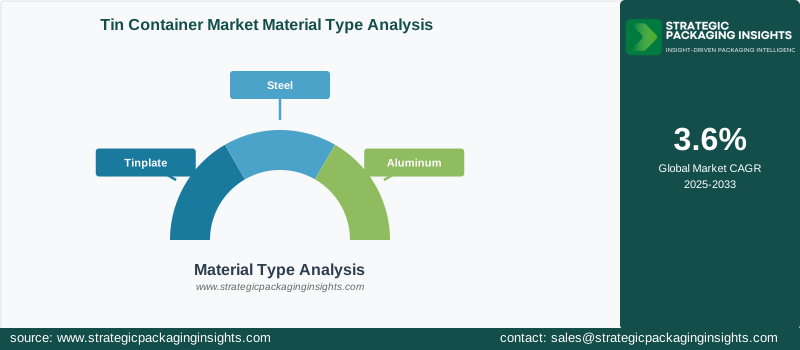
Aluminum containers are gaining popularity in the market, owing to their lightweight and recyclable nature. The demand for aluminum containers is driven by the increasing focus on sustainability and the growing demand for eco-friendly packaging solutions. Aluminum containers are widely used in the food and beverage industry, where they offer excellent barrier properties and help preserve the quality of packaged products. Manufacturers are focusing on developing innovative and cost-effective production methods to enhance the appeal and functionality of aluminum containers, catering to the evolving needs of consumers and industries.
Application Analysis
The tin container market is segmented by application into food, tea, confectionery, and chemicals. The food segment holds a significant share of the market, driven by the increasing demand for packaged and processed food products. Tin containers are widely used in the food industry for packaging a wide range of products, from canned foods to snacks and beverages. The ability of tin containers to preserve the quality and extend the shelf life of food products makes them a preferred choice for packaging in the food industry. The tea segment is witnessing increased adoption of tin containers, driven by the growing demand for premium and specialty teas.
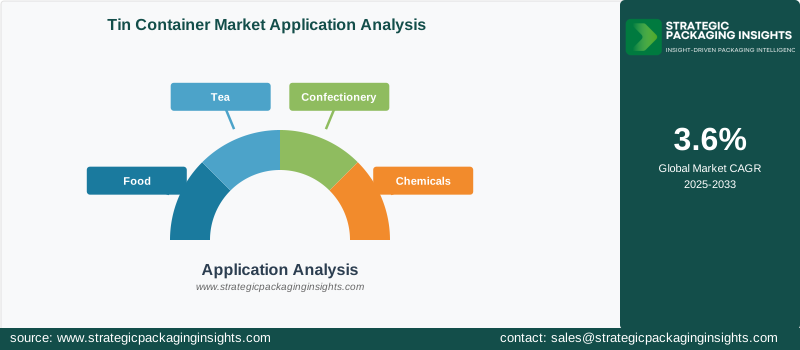
The confectionery segment is another key application area for tin containers, where packaging plays a crucial role in brand differentiation and consumer engagement. The growing trend of premium and luxury packaging is boosting the demand for decorative and specialty tins in the confectionery segment. The chemicals segment is witnessing increased adoption of tin containers, driven by the growing industrial and chemical sectors, where packaging plays a crucial role in ensuring the safety and integrity of products. Manufacturers are focusing on product innovation and differentiation to cater to the evolving needs of consumers and industries.
End Use Analysis
The tin container market is segmented by end use into food brands, retailers, industrial, and gifting. Food brands are the major consumers of tin containers, driven by the increasing demand for packaged and processed food products. Tin containers are widely used by food brands for packaging a wide range of products, from canned foods to snacks and beverages. The ability of tin containers to preserve the quality and extend the shelf life of food products makes them a preferred choice for packaging in the food industry. Retailers are also significant consumers of tin containers, driven by the growing trend of premium and luxury packaging.
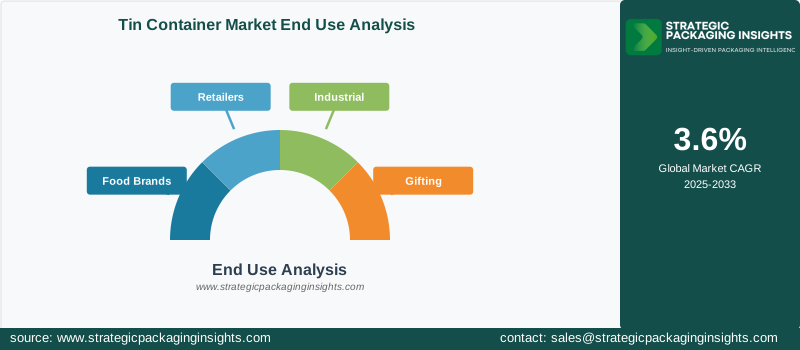
The industrial segment is witnessing increased adoption of tin containers, driven by the growing industrial and chemical sectors, where packaging plays a crucial role in ensuring the safety and integrity of products. The gifting segment is another key end-use area for tin containers, where packaging plays a crucial role in enhancing the appeal and value of gifts. The growing trend of premium and luxury packaging is boosting the demand for decorative and specialty tins in the gifting segment. Manufacturers are focusing on product innovation and differentiation to cater to the evolving needs of consumers and industries.
Tin Container Market Segments
The Tin Container market has been segmented on the basis ofProduct Type
- Food Tins
- Decorative Tins
- Aerosol Tins
- Specialty Tins
Material Type
- Tinplate
- Steel
- Aluminum
Application
- Food
- Tea
- Confectionery
- Chemicals
End Use
- Food Brands
- Retailers
- Industrial
- Gifting
Region
- Asia Pacific
- North America
- Latin America
- Europe
- Middle East & Africa




