


Thermoformed Containers Market Outlook
The Thermoformed Containers market was valued at $14.31 billion in 2025 and is projected to reach $25.53 billion by 2034, growing at a CAGR of 6.6% during the forecast period 2026-2034. This market is witnessing significant growth due to the increasing demand for lightweight and cost-effective packaging solutions across various industries. The food and beverage sector, in particular, is driving the demand for thermoformed containers due to their ability to preserve freshness and extend shelf life. Additionally, the rise in consumer preference for convenient and sustainable packaging options is further propelling market growth. The adoption of bio-based plastics in thermoforming processes is also gaining traction, aligning with global sustainability goals and regulations.
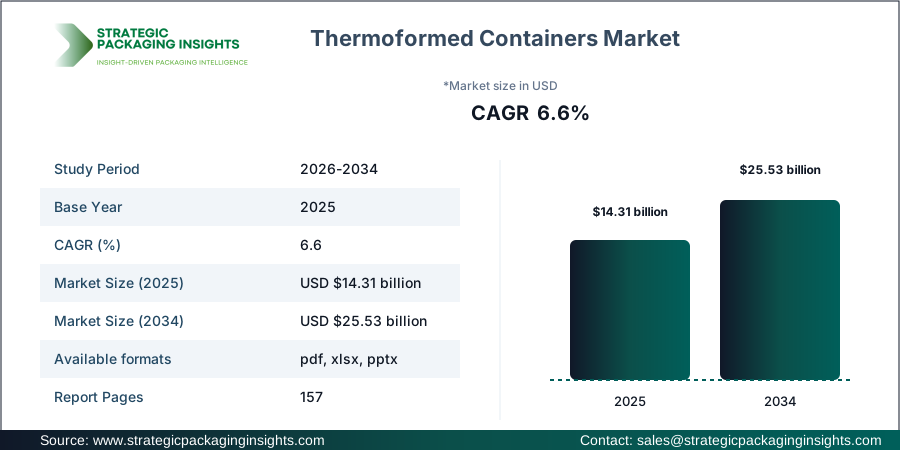
Despite the promising growth prospects, the thermoformed containers market faces certain challenges. Regulatory constraints related to plastic usage and disposal are significant hurdles that manufacturers must navigate. The increasing focus on reducing plastic waste and promoting recycling is pushing companies to innovate and develop eco-friendly alternatives. Moreover, the volatility in raw material prices can impact production costs and profit margins. However, advancements in material science and manufacturing technologies offer potential for overcoming these challenges, paving the way for new growth opportunities in the market.
Report Scope
| Attributes | Details |
| Report Title | Thermoformed Containers Market Size, Future Growth and Forecast 2034 |
| By Material Type | PET, PP, PS, PVC, Bio-based Plastics |
| By Product Type | Trays, Clamshells, Cups, Tubs |
| By Application | Food, Medical, Electronics, Consumer Goods |
| By End Use | Retail, Foodservice, Healthcare, Packaging Converters |
| Region | Asia Pacific, North America, Latin America, Europe, Middle East & Africa |
| Base Year | 2025 |
| Historic Period | 2018-2024 |
| Forecast Period | 2026-2034 |
| Number of Pages | 157 |
| Customization Available | Yes* |
Opportunities & Threats
The thermoformed containers market presents numerous opportunities for growth, particularly in the realm of sustainable packaging solutions. As environmental concerns continue to rise, there is a growing demand for eco-friendly packaging options. This trend is driving innovation in the development of bio-based and recyclable materials for thermoforming applications. Companies that can effectively integrate sustainable practices into their production processes are likely to gain a competitive edge. Additionally, the expansion of e-commerce and online food delivery services is creating new avenues for market growth, as these sectors require efficient and reliable packaging solutions to ensure product safety and quality during transit.
Another significant opportunity lies in the customization and personalization of thermoformed containers. With consumers increasingly seeking unique and personalized products, there is a growing demand for packaging solutions that can be tailored to specific brand requirements. This trend is encouraging manufacturers to invest in advanced printing and design technologies that enable the production of customized packaging solutions. Furthermore, the increasing adoption of smart packaging technologies, such as QR codes and RFID tags, is opening up new possibilities for enhancing consumer engagement and improving supply chain efficiency.
However, the market also faces certain threats that could hinder its growth. One of the primary challenges is the stringent regulatory environment surrounding plastic usage and waste management. Governments across the globe are implementing policies to reduce plastic consumption and promote recycling, which could impact the demand for traditional thermoformed containers. Additionally, the rising competition from alternative packaging solutions, such as flexible packaging and biodegradable materials, poses a threat to market growth. Companies must continuously innovate and adapt to changing market dynamics to remain competitive in this evolving landscape.
Drivers & Challenges
The thermoformed containers market is driven by several key factors, including the growing demand for convenient and cost-effective packaging solutions. The food and beverage industry, in particular, is a major driver of market growth, as thermoformed containers offer excellent barrier properties and extend the shelf life of perishable products. Additionally, the increasing consumer preference for ready-to-eat and on-the-go food products is boosting the demand for thermoformed packaging solutions. The rise in disposable incomes and changing lifestyles are further contributing to the market's expansion, as consumers seek convenient and time-saving packaging options.
Technological advancements in thermoforming processes are also playing a crucial role in driving market growth. Innovations in material science and manufacturing technologies are enabling the production of high-quality, lightweight, and durable containers. The development of advanced thermoforming machines with improved efficiency and precision is enhancing production capabilities and reducing operational costs. Moreover, the integration of automation and digital technologies in manufacturing processes is streamlining operations and improving product quality, thereby driving market growth.
Despite the positive growth drivers, the thermoformed containers market faces several challenges. One of the primary challenges is the fluctuating prices of raw materials, which can impact production costs and profit margins. The reliance on petroleum-based plastics also poses environmental concerns, as governments and consumers increasingly demand sustainable packaging solutions. Additionally, the market is highly competitive, with numerous players vying for market share. Companies must continuously innovate and differentiate their products to stay ahead in this competitive landscape. The need for significant capital investment in research and development and manufacturing infrastructure can also be a barrier for new entrants.
Market Share Analysis
The competitive landscape of the thermoformed containers market is characterized by the presence of several key players, each striving to enhance their market position through strategic initiatives such as mergers and acquisitions, product innovations, and expansions. Pactiv Evergreen, a leading player in the market, holds a significant share due to its extensive product portfolio and strong distribution network. The company is known for its innovative packaging solutions that cater to various industries, including foodservice and healthcare.
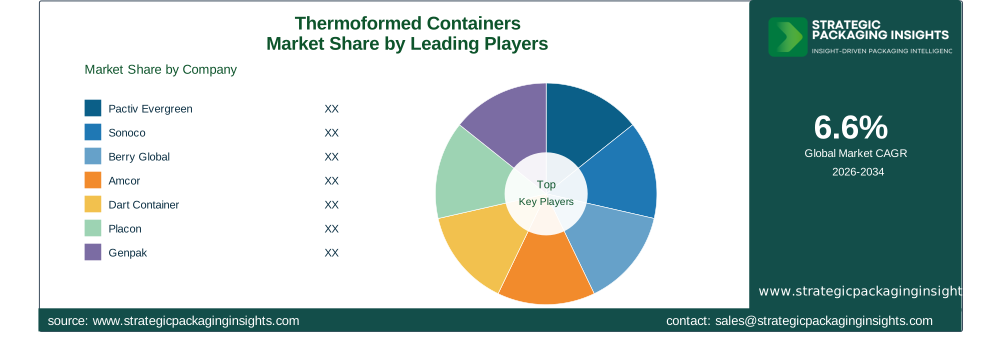
Sonoco is another prominent player in the thermoformed containers market, renowned for its sustainable packaging solutions. The company's focus on eco-friendly materials and advanced manufacturing technologies has helped it secure a substantial market share. Berry Global, with its wide range of packaging products and global presence, is also a key player in the market. The company's commitment to sustainability and innovation has enabled it to maintain a competitive edge.
Amcor, a global leader in packaging solutions, is known for its innovative and sustainable packaging products. The company's strong focus on research and development and strategic acquisitions has bolstered its market position. Dart Container, a major player in the foodservice packaging industry, offers a diverse range of thermoformed containers that cater to various customer needs. The company's emphasis on quality and customer satisfaction has contributed to its market success.
Other notable players in the market include Placon, Genpak, Sabert, Huhtamaki, and Anchor Packaging. These companies are actively investing in research and development to introduce innovative and sustainable packaging solutions. Their strategic initiatives, such as partnerships and collaborations, are aimed at expanding their market presence and enhancing their product offerings. The competitive landscape of the thermoformed containers market is dynamic, with companies continuously striving to innovate and adapt to changing consumer preferences and regulatory requirements.
Key Highlights
- The thermoformed containers market is projected to grow at a CAGR of 6.6% from 2026 to 2034.
- Increasing demand for sustainable and eco-friendly packaging solutions is driving market growth.
- The food and beverage industry is a major driver of demand for thermoformed containers.
- Technological advancements in thermoforming processes are enhancing production capabilities.
- Customization and personalization of packaging solutions are emerging trends in the market.
- Stringent regulatory environment and competition from alternative packaging solutions pose challenges.
- Key players are focusing on strategic initiatives to enhance their market position.
Top Countries Insights
In the thermoformed containers market, the United States holds a significant share, driven by the robust demand from the food and beverage industry. The market in the U.S. is valued at approximately $4.5 billion, with a CAGR of 5%. The country's focus on sustainability and innovation in packaging solutions is a key growth driver. Additionally, the presence of major market players and advanced manufacturing infrastructure supports market expansion.
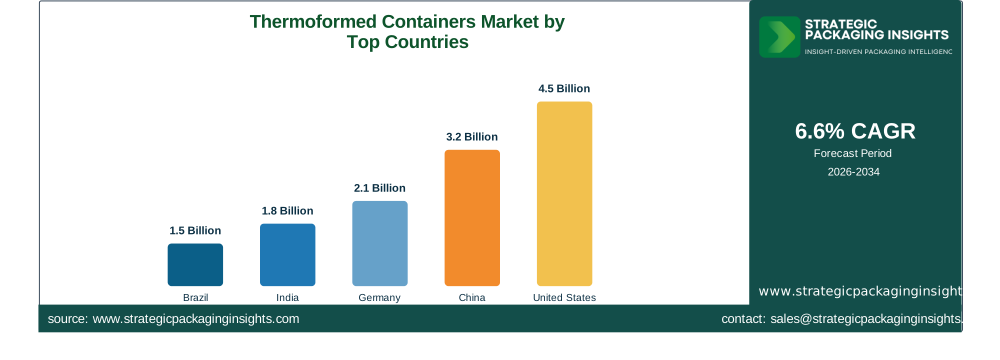
China is another major market for thermoformed containers, with a market size of around $3.2 billion and a CAGR of 8%. The rapid growth of the foodservice and e-commerce sectors in China is fueling demand for efficient and reliable packaging solutions. Government initiatives to promote sustainable packaging practices are also contributing to market growth.
Germany, with a market size of approximately $2.1 billion and a CAGR of 4%, is a key player in the European thermoformed containers market. The country's strong focus on sustainability and recycling is driving demand for eco-friendly packaging solutions. The presence of advanced manufacturing technologies and a well-established packaging industry further supports market growth.
India, with a market size of about $1.8 billion and a CAGR of 9%, is experiencing rapid growth in the thermoformed containers market. The increasing demand for packaged food products and the expansion of the retail sector are key growth drivers. Government initiatives to promote sustainable packaging practices are also contributing to market expansion.
Brazil, with a market size of approximately $1.5 billion and a CAGR of 6%, is a significant player in the Latin American thermoformed containers market. The growing foodservice industry and increasing consumer preference for convenient packaging solutions are driving market growth. The country's focus on sustainability and innovation in packaging solutions is also contributing to market expansion.
Thermoformed Containers Market Segments Insights

Material Type Analysis
The material type segment of the thermoformed containers market is diverse, with PET, PP, PS, PVC, and bio-based plastics being the primary materials used. PET is widely favored due to its excellent clarity, strength, and recyclability, making it ideal for food packaging applications. The demand for bio-based plastics is also on the rise, driven by increasing environmental concerns and regulatory pressures to reduce plastic waste. Companies are investing in research and development to enhance the properties of bio-based materials, making them more competitive with traditional plastics.
PP and PS are also popular materials in the thermoformed containers market, offering a balance of cost-effectiveness and performance. PP is known for its high heat resistance and durability, making it suitable for microwaveable containers. PS, on the other hand, is valued for its lightweight and insulating properties, commonly used in disposable foodservice containers. The market for PVC is relatively smaller due to environmental concerns, but it remains a viable option for certain applications where flexibility and clarity are required.
Product Type Analysis
The product type segment of the thermoformed containers market includes trays, clamshells, cups, and tubs. Trays are widely used in the food industry for packaging fresh produce, meat, and ready-to-eat meals. Their ability to provide excellent product visibility and protection makes them a popular choice among retailers and consumers. Clamshells are another popular product type, offering convenience and ease of use for packaging fresh fruits, bakery items, and deli products.
Cups and tubs are commonly used in the foodservice industry for packaging beverages, dairy products, and frozen desserts. The demand for these products is driven by the increasing consumer preference for on-the-go food and beverage options. Manufacturers are focusing on developing innovative designs and materials to enhance the functionality and sustainability of these products. The growing trend of customization and personalization in packaging is also influencing the product type segment, with companies offering tailored solutions to meet specific customer needs.
Application Analysis
The application segment of the thermoformed containers market is dominated by the food industry, which accounts for a significant share of the market. The demand for thermoformed containers in the food industry is driven by the need for efficient and reliable packaging solutions that preserve product freshness and extend shelf life. The medical industry is another key application area, where thermoformed containers are used for packaging medical devices, pharmaceuticals, and diagnostic kits.
The electronics industry is also a growing application area for thermoformed containers, as they provide excellent protection for sensitive electronic components during transportation and storage. The consumer goods industry is another important application area, where thermoformed containers are used for packaging a wide range of products, from personal care items to household goods. The versatility and cost-effectiveness of thermoformed containers make them a preferred choice across various industries.
End Use Analysis
The end-use segment of the thermoformed containers market includes retail, foodservice, healthcare, and packaging converters. The retail sector is a major end-user of thermoformed containers, driven by the need for attractive and functional packaging solutions that enhance product visibility and appeal. The foodservice industry is another key end-user, where thermoformed containers are used for packaging a wide range of food and beverage products.
The healthcare industry is also a significant end-user of thermoformed containers, where they are used for packaging medical devices, pharmaceuticals, and diagnostic kits. The demand for sterile and secure packaging solutions in the healthcare industry is driving the growth of this segment. Packaging converters are another important end-user group, as they provide customized packaging solutions to meet the specific needs of various industries. The growing trend of sustainability and eco-friendly packaging is influencing the end-use segment, with companies focusing on developing innovative and sustainable packaging solutions.
Thermoformed Containers Market Segments
The Thermoformed Containers market has been segmented on the basis ofBy Material Type
- PET
- PP
- PS
- PVC
- Bio-based Plastics
By Product Type
- Trays
- Clamshells
- Cups
- Tubs
By Application
- Food
- Medical
- Electronics
- Consumer Goods
By End Use
- Retail
- Foodservice
- Healthcare
- Packaging Converters
Region
- Asia Pacific
- North America
- Latin America
- Europe
- Middle East & Africa




